The short answer is: it depends entirely on your passport. For many, the dream of visiting Japan involves zero visa paperwork. For others, it's a necessary step. I've helped dozens of friends navigate this, and the confusion usually starts with a simple Google search that yields overly generic results. This guide cuts through the noise. We'll look at your specific situation, walk through the application process if you need one, and I'll share a few insights from my own experiences and common slip-ups I've seen.
Your Quick Visa Navigation
Who Can Enter Japan Visa-Free? Check Your Passport
Citizens of 70 countries and regions can enter Japan as tourists without obtaining a visa in advance. This is often called "visa exemption" or "visa-waiver." You get a stamp or sticker on arrival permitting a short-term stay, typically for 90 days, but sometimes for shorter periods like 15 or 30 days. The purpose must be tourism, visiting family/friends, attending conferences, or other non-remunerative activities.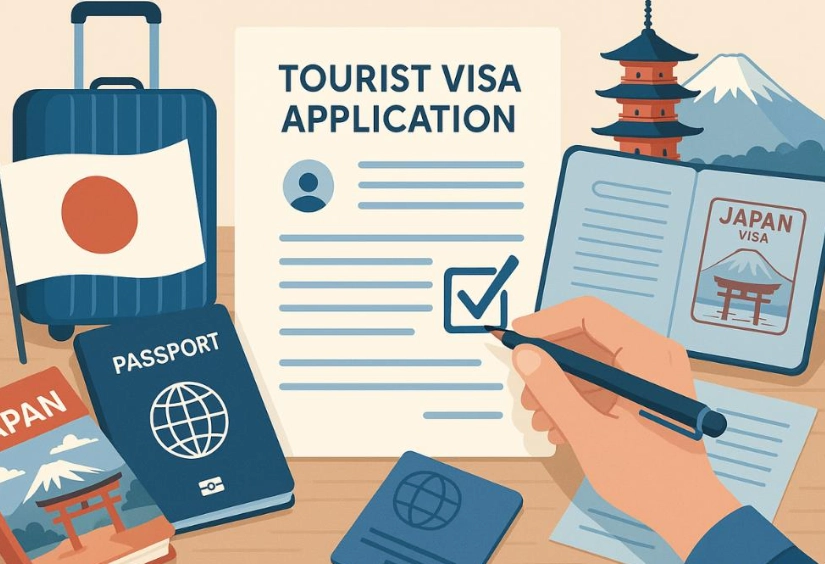
Key Point: "Visa-free" does not mean "unconditional entry." You must still meet all standard immigration requirements. The officer at the border has the final say and can deny entry if they doubt your intentions or documents.
The list of visa-exempt countries is broad and includes the United States, Canada, the United Kingdom, Australia, New Zealand, almost all European Union nations, South Korea, Singapore, and many others. The official, authoritative source for the most current list is the website of the Ministry of Foreign Affairs of Japan (MOFA). Always double-check there, as agreements can change.
Here’s the crucial part everyone misses: the 90-day clock starts the day after you arrive. If you land at 11:59 PM on June 1st, your first full day is June 2nd. This matters for planning long trips right up to the limit. Also, the stay is usually for "temporary visitor" status. You cannot extend this 90-day visa-free stay. You must leave Japan and re-enter, but immigration officials will scrutinize this heavily if done quickly. They might think you're trying to live in Japan on tourist status.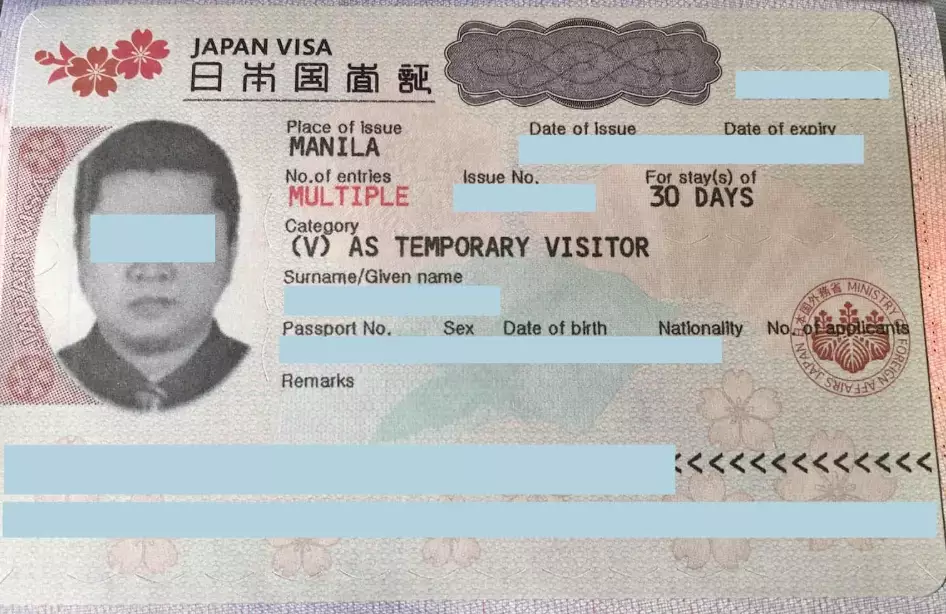
What You Need at Immigration (Even Visa-Free)
Your passport must be valid for the entire duration of your stay. Some airlines might require it to be valid for six months beyond your entry date, so check with your carrier. You'll also need to show a return or onward flight ticket. They don't always ask, but you must have one. Be prepared to explain your itinerary and show proof of sufficient funds for your stay, though formal bank statements are rarely requested from visa-free nationals.
You'll fill out a disembarkation card (usually handed out on the plane) and possibly a customs declaration. Since 2023, you can also use the "Visit Japan Web" service to register your passport, flight, and customs information online in advance, generating QR codes to speed through airport procedures. It's not mandatory but highly recommended.
The Step-by-Step Japan Tourist Visa Application Process
If your country of citizenship is not on the visa-waiver list, you must apply for a tourist visa before your trip. Japan does not issue visas on arrival for tourism. You cannot apply directly to the Japanese government. All applications must go through an authorized visa application agency or, in some countries, the Japanese embassy or consulate.
The process feels bureaucratic, but it's straightforward if you're meticulous. Here's how it works, step by step.
Step 1: Find Your Jurisdiction and Agency
Japan's diplomatic missions have specific jurisdictions. You must apply based on your permanent residence address. If you live in California, you apply through the consulate-general in San Francisco or Los Angeles, not New York. Go to the website of the relevant embassy/consulate. They will list their designated visa application agencies (like VFS Global or JTB, depending on the region). You must use their designated partner.
Step 2: Prepare Your Documents (The Devil's in the Details)
This is where most applications get tripped up. The checklist looks simple, but the requirements are strict.
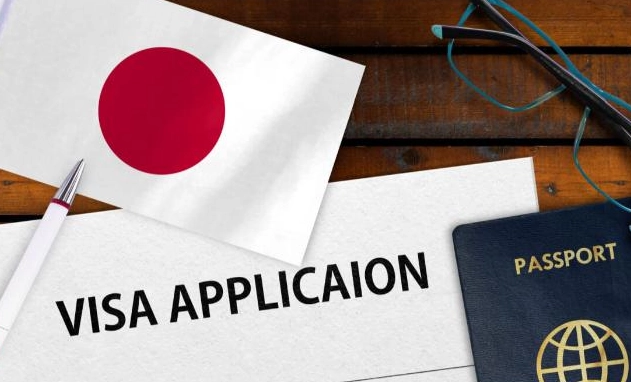
- Visa Application Form: Download the latest version from the embassy site. Type it. Do not handwrite it unless specified. Every field must be filled—put "N/A" for not applicable. A sloppy form creates a terrible first impression.
- Passport: Must have at least two blank pages and be valid for the duration of your stay. They will take your passport for the visa sticker.
- Photo: One 45mm x 45mm or 2in x 2in photo, taken within the last 6 months, on a plain white background. Glue it to the form. Do not staple.
- Proof of Legal Residence: If applying from a country where you are not a citizen (e.g., a student in the US on an F-1 visa), you must provide original and copy of your green card, residence permit, or valid long-term visa.
The next documents are about proving you're a genuine tourist who will leave.
- Flight Itinerary: A confirmed round-trip or onward flight reservation. Do not buy fully non-refundable tickets until the visa is approved. A reservation hold from a travel agent often works.
- Daily Schedule (Schedule of Stay): A table listing your planned activities in Japan, day by day. This isn't a binding contract, but it must be realistic. Don't just write "sightseeing." Put "Morning: Senso-ji Temple, Asakusa. Afternoon: Tokyo Skytree. Evening: Dinner in Shinjuku." It shows planning.
- Proof of Financial Means: Original bank statements for the last 3-6 months showing consistent balance. The amount should comfortably cover your trip. There's no fixed number, but for a two-week trip, having several thousand dollars/pounds/euros is safe. A letter from a sponsor (like a parent) with their bank statements and proof of relationship is acceptable if you have no funds.
- Employment Verification: A letter from your employer on company letterhead stating your position, salary, length of employment, and approved vacation dates for the trip. This is critical—it ties you to your home country. If self-employed, business registration and tax returns. If a student, an enrollment letter.
Step 3: Submission, Fees, and Processing
Submit your complete packet in person or by mail (check agency rules) to the designated agency. Pay the processing fee, which is usually quite modest (around $20-$50 USD). The agency checks your documents for completeness and forwards them to the consulate. Standard processing is 5 business days, but it can take longer during peak seasons (like before cherry blossom season). No expedited service exists for standard tourist visas. Plan at least 2-3 weeks before your trip for the entire process.
Top 3 Visa Application Mistakes I've Seen (And How to Avoid Them)
After reviewing many applications, certain errors pop up repeatedly.
| Mistake | Why It's a Problem | The Expert Fix |
|---|---|---|
| Vague or Implausible Itinerary | A one-line "Tokyo-Kyoto-Osaka" schedule looks lazy and raises doubts about your true intent. | Create a detailed day-by-day plan with specific neighborhoods and major sights. Show you've done research. Mention a specific museum or park. |
| Inconsistent Financial Documents | A large, sudden deposit right before applying looks like you're borrowing money to inflate your balance. | Use statements showing steady, organic savings over time. If a large deposit exists, attach a brief note explaining it (e.g., "annual bonus," "sale of car"). |
| Applying Too Early or Too Late | Visa validity is typically 3 months from issue. Applying 6 months before your trip means it might expire before you travel. Applying 1 week before is reckless. | Apply 1-2 months before your departure date. This gives you a comfortable buffer for processing and ensures the visa will be valid for your entry. |
Personal Observation: The single biggest red flag for consular officers is an applicant with weak ties to their home country. A recent graduate with no job, minimal bank history, and a one-way ticket is a high-risk profile. If that's you, strengthen your application with a detailed letter of explanation, solid sponsorship from a family member with strong finances, and iron-clad proof of future commitments at home (like a graduate program acceptance letter).
Staying Longer: What If 90 Days Isn't Enough?
The standard tourist entry (visa or visa-free) is for short-term stays. What if you want to spend 6 months in Japan? You can't just keep doing "visa runs." Immigration will stop you, likely on your second or third attempt. For longer stays, you need a different status of residence.
The most common option for longer-term cultural immersion is the Cultural Activities visa. This is for people engaging in activities to learn Japanese culture (ikebana, tea ceremony, martial arts) or conduct non-remunerative research. You need a guarantor in Japan (like a certified school) and proof of sufficient funds. It's not a work visa.
For remote workers, Japan's Digital Nomad Visa (officially the "Specified Skills" or "Designated Activities" visa for remote work) has specific, stringent requirements, including a high minimum annual income (often over ¥10 million) and private health insurance. It's not a simple process and is designed for high-earners.
If you have Japanese ancestry or a Japanese spouse, other visa paths (like the Spouse or Child of Japanese National visa) open up, which offer long-term residence rights.
Your Japan Visa Questions, Answered
I'm a US citizen with a layover in Tokyo. Do I need a visa to leave the airport?
If you want to pass through immigration and enter Japan during your layover (even for a few hours), you use your visa-free privilege. Ensure your passport is valid and you have your onward ticket. If you stay airside (in the international transit area of Narita or Haneda), you do not enter Japan and no visa is required.
My passport is from a visa-free country, but I have a criminal record from 10 years ago. Can I enter Japan?
This is a complex situation. Japan has strict immigration laws. Certain convictions, even old ones, can make you "inadmissible." You are not asked about this on the disembarkation card, but if the offense is serious and appears in international databases, you could be denied entry at the border. For peace of mind, consult with the Japanese embassy in your country beforehand. They may advise you to apply for a visa in advance, where you can disclose and explain the circumstances, rather than risking a denial at the airport.
The visa application asks for a "guarantor" or "inviter" in Japan. I'm just touring on my own. What do I put?
For a standard tourist visa, you often do not need a guarantor. The form may have a section for it—if you have no contacts in Japan, write "N/A" or "Tourism—No Inviter." Your proof of financial means and employment serves as your guarantee. Only if you are being invited by a friend or family member (who provides your accommodation and sponsorship) would you fill out that section with their details and include an Invitation Letter from them.
How strictly do they check the hotel reservations for the visa application?
They check for consistency with your itinerary. Your listed hotels should match the cities and dates on your Schedule of Stay. Use booking sites that offer free cancellation. The reservation confirmation must show all guests' names. A common mistake is booking a room for one person when the application is for two. Mismatches like this can lead to a request for more documents or a denial.
I overstayed my 90-day visa-free period by 2 days. What happens?
This is a serious violation. You will be flagged upon departure, likely detained for questioning, and face a fine. You will almost certainly receive an overstay stamp in your passport, which will make future entry into Japan difficult and potentially ban you for a period (one year or five years). Never overstay. Set multiple reminders for your departure date.
Navigating Japan's visa rules is your first step to an incredible trip. The key is to identify your category (visa-free or visa-required) early, respect the process, and prepare your documents with obsessive attention to detail. When in doubt, the official MOFA website and your local Japanese embassy are your best friends. Now that the paperwork is sorted, you can start dreaming about the sushi, the temples, and the bullet trains.


Comments