Let's cut to the chase. Everyone dreams of Japan—the neon buzz of Tokyo, the serene temples of Kyoto, the food. But then you look at the potential cost and gulp. The secret isn't just finding cheap flights; it's about mastering the calendar. Picking the right month can halve your accommodation costs, slash your flight price, and let you experience a more authentic, less crowded side of the country. Forget the myth that Japan is always expensive. It's time to be smart.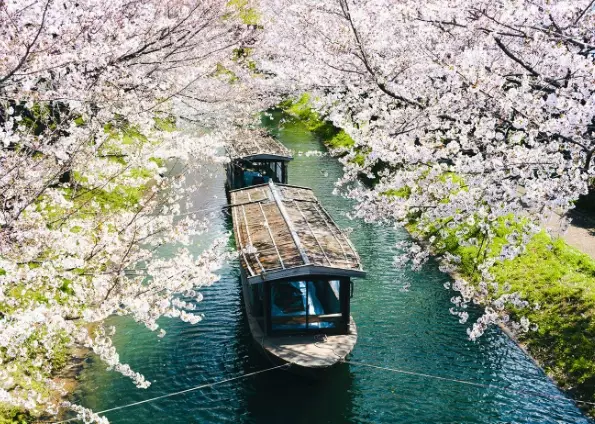
Your Quick Guide to Japan on a Budget
Understanding Japan's Seasons and Their Impact on Your Wallet
Japan's pricing isn't random. It's a direct reaction to demand. Here’s the unvarnished truth about each season.
Winter (January - Mid-March): The Undisputed Champion for Savings
Cheapest flights and hotels. After the New Year's rush fades, Japan hits its annual price low. Tokyo and Kyoto hotels often drop 30-40% compared to spring. I once snagged a business hotel room in Shinjuku in February for under $60 a night—impossible in April.
What you get: Snow festivals in Hokkaido (Sapporo), stunning illuminations, and blissfully empty temples. Onsen (hot springs) are at their most appealing. Yes, it's cold, especially in the north, but the skies are often crisp and clear.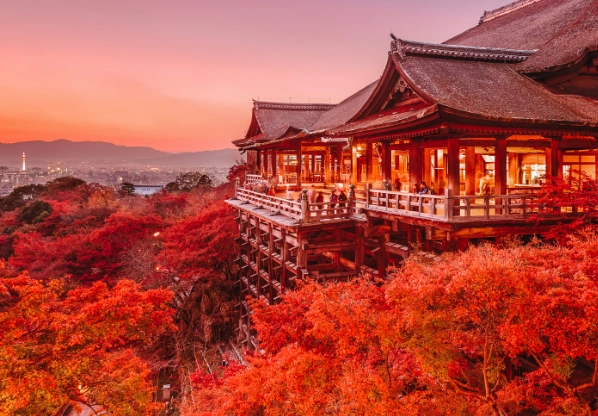
Shoulder Seasons (Late March - April & September - November): The Value Play
This is where strategy comes in. These periods border the peak seasons, offering a sweet spot.
Late March/Early April: You might catch the tail end of cherry blossoms without the peak prices, but it's a gamble. Book the moment you see flight prices dip.
September: My personal favorite. Summer crowds are gone, humidity drops, but warmth remains. Typhoon risk exists, but they usually pass quickly. Prices are still reasonable before the autumn foliage rush in late October.
Late November: Foliage is ending in Kyoto, but winter prices haven't kicked in. A fantastic time for city breaks.
Peak Seasons (Late April - Early May, Late October - Early November): The Premium Times
Golden Week (Late April/Early May): A series of national holidays. Avoid it. The entire country is on the move. Prices triple, trains book out, and it's pure chaos. Not worth it.
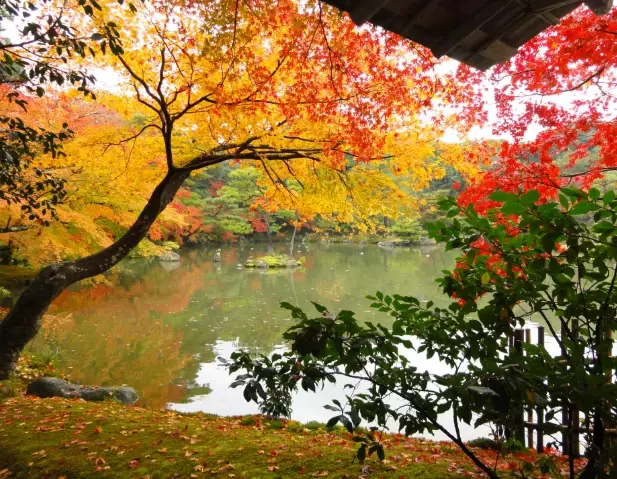
Autumn Foliage Peak: As beautiful as cherry blossom season, and almost as expensive. Kyoto in November is packed. If you must go, book accommodation a year in advance.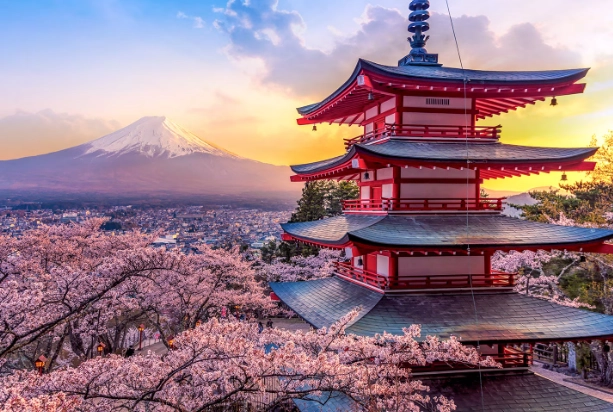
Summer (June - August): The Mixed Bag
Rainy Season (June): Humid and wet, but incredibly green and cheap. If you don't mind carrying an umbrella, you'll have places to yourself.
July-August: Hot, humid, and expensive. Domestic tourism booms with school holidays. Mountain and northern regions (like Hokkaido) become pricey escapes from the heat. Southern cities can be oppressive.
| Season | Typical Months | Price Level | Crowd Level | Best For |
|---|---|---|---|---|
| Winter (Low Season) | Jan, Feb, early Mar | Lowest | Lowest | Skiing, onsens, city breaks, festivals |
| Shoulder Season | Sep, late Nov, late Mar | Medium | Medium | Pleasant weather, good value, hiking |
| Peak Season | Apr (cherry), late Oct-Nov (foliage) | Highest | Highest | Iconic scenery (if you can handle crowds) |
| Summer | Jun-Aug | Medium-High (varies) | High (Jul-Aug) | Mountains, festivals (matsuri), Hokkaido |
How to Find Cheap Flights to Japan: It's Not Just About Timing
Finding the cheap month is half the battle. Here’s how to win the war.
Be Flexible with Airports: Don't just search for Tokyo (NRT/HND). Check fares into Osaka (KIX), Nagoya (NGO), and even Fukuoka (FUK). A cheap flight to Osaka plus a 2.5-hour bullet train to Tokyo might save you hundreds.
The Booking Sweet Spot: For international flights, aim to book 2-4 months in advance for the best prices on shoulder/low season trips. For peak seasons, 5-6 months or more.
Use ITA Matrix or Google Flights: These tools let you search across entire months and see a calendar view. Look for the price dips, which often align with Tuesday/Wednesday departures.
A common mistake: obsessing over the flight cost and forgetting the airport transfer. A $500 flight to Narita plus a $30 train to Tokyo is worse than a $550 flight to Haneda, which is already in the city.
Smart Budget Accommodation Choices (Beyond the Capsule)
Capsule hotels are an experience, but not for everyone. Here are other real-world options.
Business Hotels (e.g., Toyoko Inn, APA, Dormy Inn): No-frills, clean, tiny rooms. They're everywhere, often near stations. Free breakfast (usually simple) is common. Perfect for solo travelers or couples who just need a base.
Guesthouses & Hostels with Private Rooms: This is the budget secret. Places like K's House or Nui. Hostel offer private family rooms with shared bathrooms at hostel prices. You get more space, a kitchen, and social areas.
Location Trade-off: Staying 2-3 train stops from the main hub (e.g., staying in Nakano instead of Shinjuku, in Fushimi instead of Central Kyoto) can result in massive savings and a more local feel. Just check transit maps first.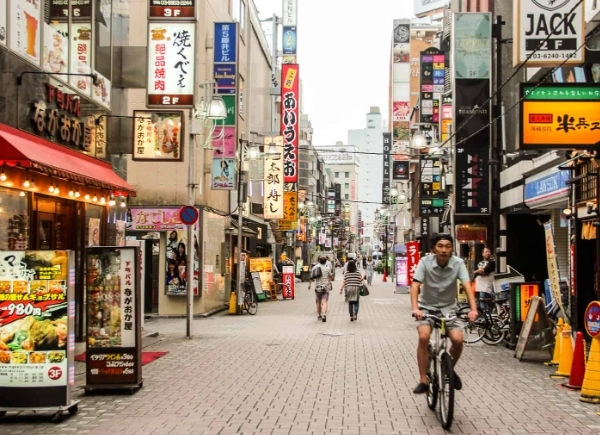
Crafting Your Affordable Japan Itinerary: A Seasonal Breakdown
The Winter Budget Itinerary (7 Days)
Focus: Cities, Culture, and Onsens.
Day 1-3: Tokyo. Hit the free observatories (Tokyo Metropolitan Government Building), Senso-ji Temple, and park-hop. Eat at depachika (department store basements) for lunch deals.
Day 4: Travel to Hakone. Use the Hakone Free Pass for discounted transport. Soak in a public onsen, see Mt. Fuji (if clear). Stay in a traditional ryokan—prices are lower now.
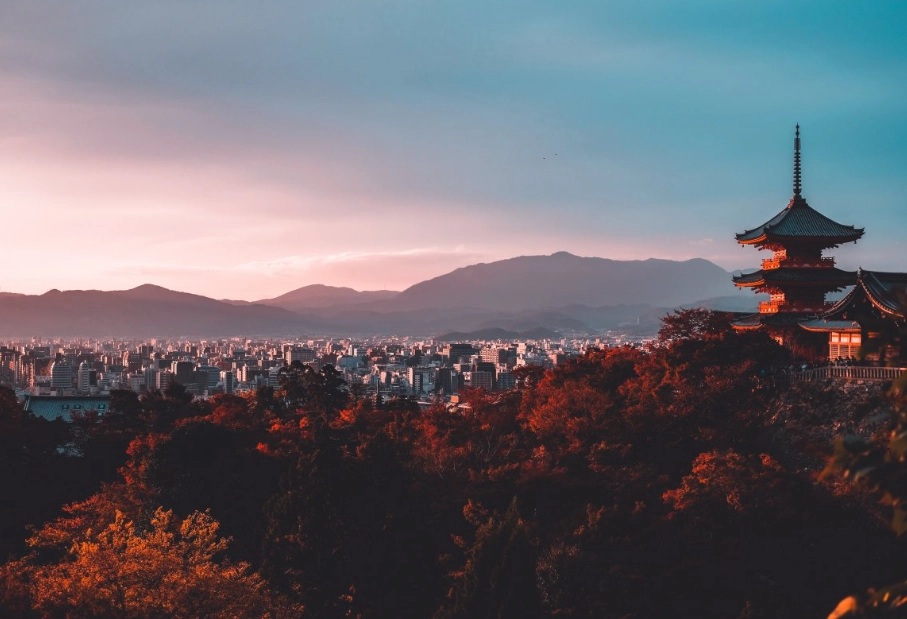
Day 5-7: Kyoto. Temples are serene without crowds. Nishiki Market for food sampling. Take a day trip to Nara. Evenings are for exploring Pontocho alley and soaking in a sento (public bath).
The Shoulder Season Itinerary (7 Days, September Focus)
Focus: Nature, Hiking, and Late Summer Festivals.
Day 1-2: Tokyo. Explore, then take an evening bus to...
Day 3-4: The Japanese Alps (Matsumoto/Kamikochi). Hike in Kamikochi (open until mid-November). Stay in a mountain lodge. See Matsumoto Castle.
Day 5-7: Kanazawa & Takayama. The Hokuriku region is stunning in autumn. Kenrokuen Garden, historic districts. Less crowded than Kyoto, equally beautiful.
Common Budget Mistakes (And How to Avoid Them)
I've seen these too many times.
Mistake 1: Over-Reliance on the Japan Rail Pass. Do the math! For a one-way Tokyo-Kyoto trip, it's rarely worth it. Use a calculator like Japan Guide's. Regional passes (e.g., JR Kansai Area Pass) are often better value.
Mistake 2: Eating Only in Restaurants. Konbini (convenience stores) are your best friend. Quality onigiri, sandwiches, and salads for under $5. Department store basements have amazing prepared food discounts after 7 PM.
Mistake 3: Buying Water. Tap water is safe everywhere. Bring a bottle and refill it.
Mistake 4: Ignoring Bus Travel. For medium distances (e.g., Tokyo to Kyoto overnight), highway buses (Willer Express) are half the price of the shinkansen and save a night's accommodation.
Your Japan Budget Travel Questions Answered
The cheapest time to visit Japan isn't just a date on a calendar. It's a strategy. It's about pairing a less-popular month with smart travel hacks to unlock a deeply rewarding experience that doesn't drain your savings. Whether it's the crisp quiet of a Kyoto temple in February or the lush green mountains of September, Japan's value seasons offer a uniquely authentic and affordable adventure.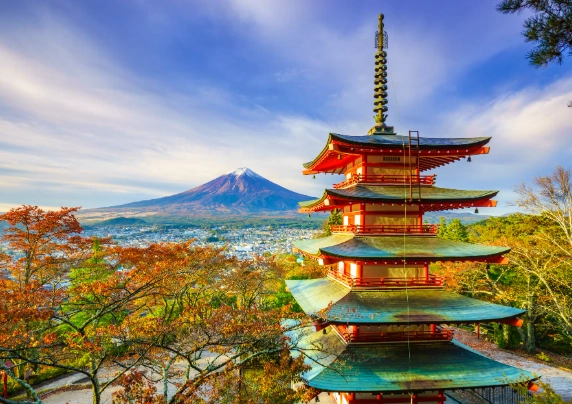



Comments