Quick Navigation
Let's be honest, the first time you see a photo of Enoshima, you think it's just that little island with the long bridge in the background of Mount Fuji shots. I thought the same. But then I actually went, got lost on its winding paths, ate until I couldn't move, and saw a sunset that made me forget my train schedule. This isn't just a quick photo stop. Visiting Enoshima Japan is like stepping into a layered storybook where Shinto legends, seaside relaxation, and stunning views compete for your attention.
It's the perfect antidote to Tokyo's neon buzz. The air smells different here – salt and fried food and greenery. You'll hear the cry of seagulls (they're bold, watch your snacks) and the distant chime from the Enoshima Sea Candle observation tower. Whether you're pairing it with Kamakura's temples or making it a standalone seaside day, there's a rhythm to this place that pulls you in.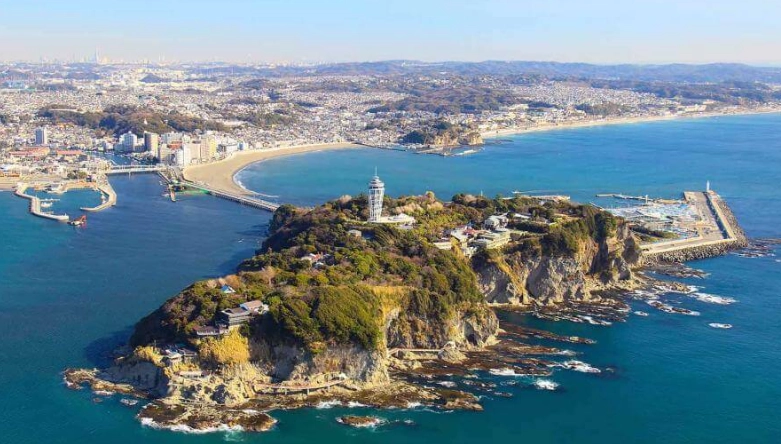
I've been a few times now, in different seasons, and made every rookie mistake so you don't have to. This guide isn't a dry list of facts. It's the stuff I wish I'd known before my first Enoshima day trip.
Getting to Enoshima Japan: Your Route Decoded
This is usually the first hurdle. Enoshima is in Fujisawa City, Kanagawa Prefecture, and sits just off the coast. The good news? It's incredibly well-connected. The main decision is whether you're coming from Tokyo or combining it with Kamakura.
The heart of the operation is Enoshima Station on the Odakyu Enoshima Line. But wait, there's also Katase-Enoshima Station on the JR East and Odakyu lines. Confusing? A bit. Katase-Enoshima Station is the one right at the foot of the bridge to the island. Enoshima Station is a short, pleasant walk away through a shopping street. Either works.
From Tokyo: The Three Main Options
You've got choices, each with a different vibe and price tag.
| Route | Key Points | Travel Time | Cost (One Way) | Best For... |
|---|---|---|---|---|
| Odakyu Romancecar (From Shinjuku) | Direct, reserved seats, scenic views, comfortable. | ~70 mins | ~¥1,250 | Stress-free comfort, starting at Shinjuku. |
| JR Shonan-Shinjuku Line (From Shinjuku/Shibuya) | No transfers, uses JR Pass if you have one. | ~65 mins to Fujisawa, then transfer to local train (5 mins). | ~¥950 (with Pass: ¥0) | JR Pass holders, flexibility. |
| Odakyu Local Train (From Shinjuku) | Cheapest, but requires 1-2 transfers. | ~80-90 mins | ~¥650 | Budget travelers, no rush. |
My personal take? If it's your first time and you're coming from Shinjuku, the Romancecar is a treat. It sets the holiday mood. But if you're on a tight budget, the local trains are perfectly fine. For the most current schedules and fares, always double-check with the official Odakyu Railway website or JR East website.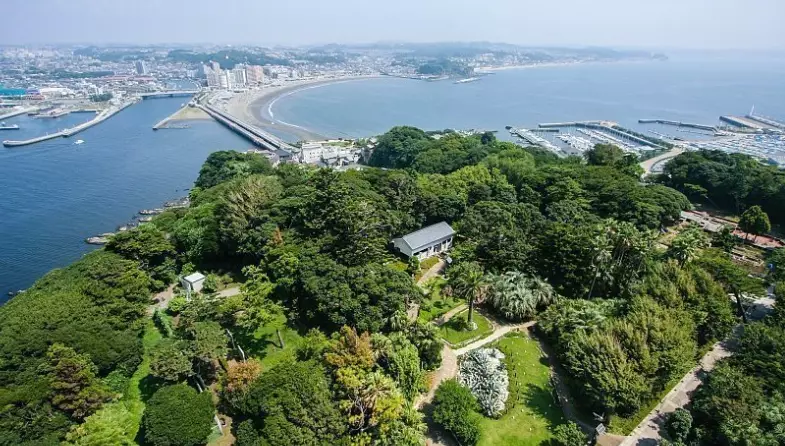
The Kamakura & Enoshima Combo
This is the classic one-day power move. Most people do Kamakura first (Great Buddha, Tsurugaoka Hachimangu Shrine), then take the adorable Enoshima Electric Railway (Enoden) line along the coast to Enoshima. The Enoden itself is an attraction – it's the cute train that runs right along the beach you see in all the anime. It's slow and can get packed, but the views are iconic.
You can also walk or rent a bicycle along the coast from Kamakura to Enoshima if you're feeling energetic. It's a flat, scenic path.
Exploring Enoshima: From the Shore to the Summit
Okay, you've arrived. You cross the Benten Bridge (that long, photogenic bridge) and you're on the island. Now what? The island is shaped like a hill, so exploring is essentially a gentle climb upwards, with plenty of reasons to stop along the way.
Wear comfortable shoes. Seriously.
The main street leading from the bridge is a typical tourist lane – souvenir shops, fish cake stalls, ice cream stands. It's fun for a quick browse. But the real magic starts when you branch off.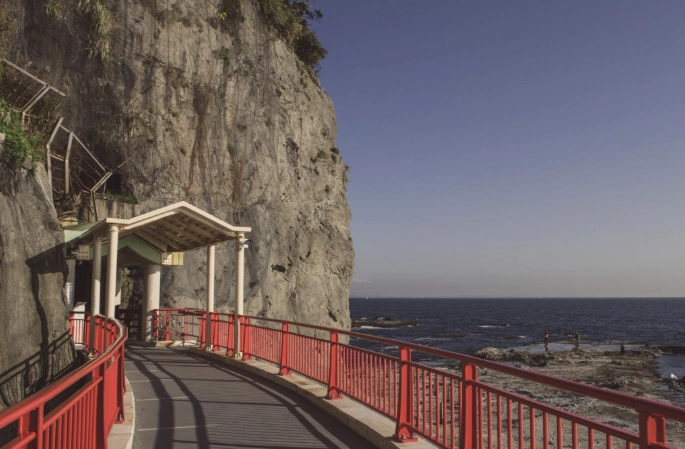
The Three Great Sights of Enoshima (A Must-Do List)
If you're short on time, focus on these three pillars of the Enoshima Japan experience.
- Enoshima Shrine (Enoshima Jinja): This isn't one building; it's a complex of three shrines dedicated to Benzaiten, a goddess of music and wealth, scattered across the island. The path connecting them, lined with stone lanterns and ancient trees, is atmospheric. The main hall, Hetsunomiya, is near the entrance. The climb to the next two (Nakatsunomiya and Okutsunomiya) is part of the pilgrimage feel.
- Samuel Cocking Garden & the Enoshima Sea Candle: This is where you get the payoff. The garden is a pleasant, paid-entry area with tropical plants and flowers. But the star is the Sea Candle, the modern observation tower. An elevator takes you most of the way up, but the final spiral staircase to the open-air top deck is worth every step. On a clear day, the 360-degree view of Sagami Bay, the Miura Peninsula, and if you're incredibly lucky, Mount Fuji, is breathtaking. It's the best vantage point on the entire island.
- The Sea Caves (Iwaya): At the island's western tip, you descend into these natural caves lit by dim, atmospheric lighting. They are associated with the island's founding legend involving a dragon. It's cool (literally), a bit spooky, and feels ancient. You need to pay a small fee and carry a candle (provided) to explore. Not great if you're claustrophobic, but uniquely memorable.
Beyond the Big Three: Finding Your Own Vibe
What I love about Enoshima is that you can find your own corner.
For the Foodie: Forget the generic street. Seek out the smaller stalls frying up fresh shirasu (whitebait) croquettes. Or find a café with a balcony overlooking the water.
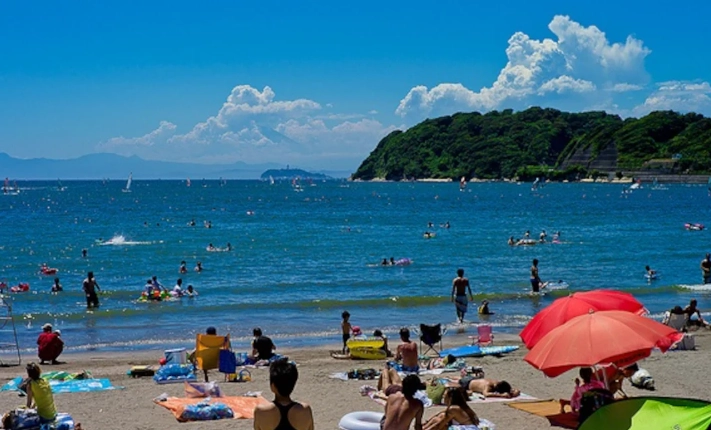
For the Beach Bum: The beaches on the mainland side (Enoshima Beach and Katase Beach) are popular for swimming in summer and surfing in winter. They get crowded on weekends, but the vibe is lively. You can rent gear.
For the Peace Seeker: Wander the back paths away from the main escalator route. It's quieter, more residential, and you might stumble upon a tiny, empty shrine with just the sound of the wind.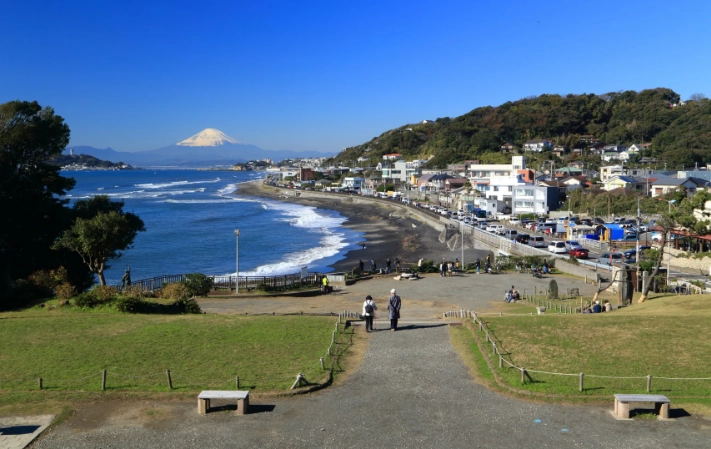
The Food: You Have to Try the Shirasu
You cannot talk about Enoshima Japan without talking about shirasu. These tiny, translucent juvenile fish are a local specialty. They're served fresh (raw), boiled, or dried, on top of rice bowls (shirasu-don).
My first shirasu-don was a revelation. The fresh ones have a delicate, slightly sweet, oceanic flavor. The boiled ones are firmer. Get a mixed bowl to try both. It's simple, clean, and tastes of the sea right next to you.
Where to get it? The restaurants clustered near the bridge are the most famous (and often have lines). Tobiume is an institution. But honestly, I've had great bowls at smaller, less crowded places a little further in. Don't stress too much about picking the "best" one.
Other eats? Grilled squid on a stick, giant fish-shaped cakes (taiyaki) with various fillings, and soft-serve ice cream (matcha, vanilla, or a swirl). For something more substantial, there are restaurants serving classic kaiseki meals with ocean views, but they require reservations and a bigger budget.
Crafting Your Perfect Enoshima Day Trip Itinerary
Here’s the thing – you can rush it in 3 hours, or you can lazily spend a whole day. Here are two sample plans based on what I've done.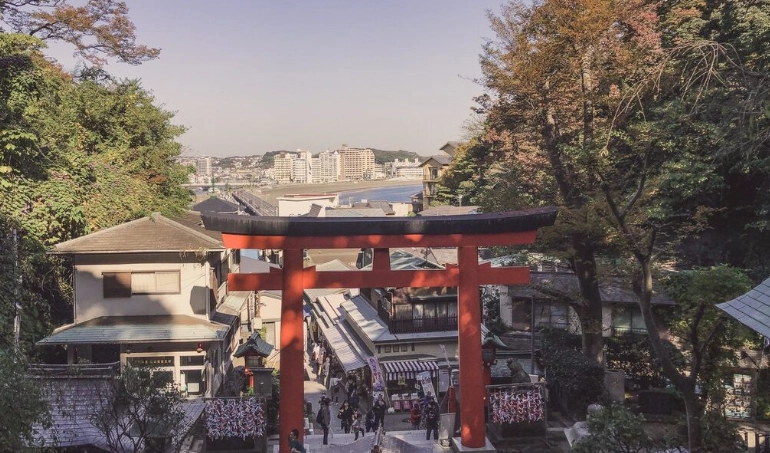
The Classic One-Day Enoshima Blitz (From Tokyo)
- 9:00 AM: Catch the Odakyu Romancecar from Shinjuku.
- 10:15 AM: Arrive at Katase-Enoshima Station. Cross the bridge, soak in the first view.
- 10:30 AM - 1:30 PM: Explore the main street, visit Enoshima Shrine (Hetsunomiya), take the escalators or walk up to Samuel Cocking Garden. Go up the Sea Candle. This is your core sightseeing block.
- 1:30 PM: Late lunch. Find your shirasu-don spot.
- 2:30 PM: Walk to the western side to explore the Iwaya sea caves.
- 4:00 PM: Optional: relax on the beach or browse souvenir shops.
- 5:00 PM: Head back to the station, maybe grab a snack for the ride home.
The Relaxed Enoshima & Seaside Day
- 11:00 AM: Arrive leisurely. Skip the rush.
- 11:30 AM: Early lunch. Beat the crowds.
- 12:30 PM: Meander up to the shrines and garden at your own pace. Sit on benches, enjoy the greenery.
- 3:00 PM: Descend and rent a bicycle or take a stroll along the Enoshima Benten Line coastal path towards the Enoshima Yacht Harbor. It's modern and has a different, sleek vibe.
- Sunset: Position yourself on the west side of the island or on the beach to watch the sun dip into the water. Magical.
- Evening: Have a casual dinner at one of the izakayas near the station before heading back.
See? Different rhythms. The first is checklist tourism. The second is about the feeling of the place. Both are valid ways to experience Enoshima Japan.
Seasonal Secrets & Practical Stuff You Need to Know
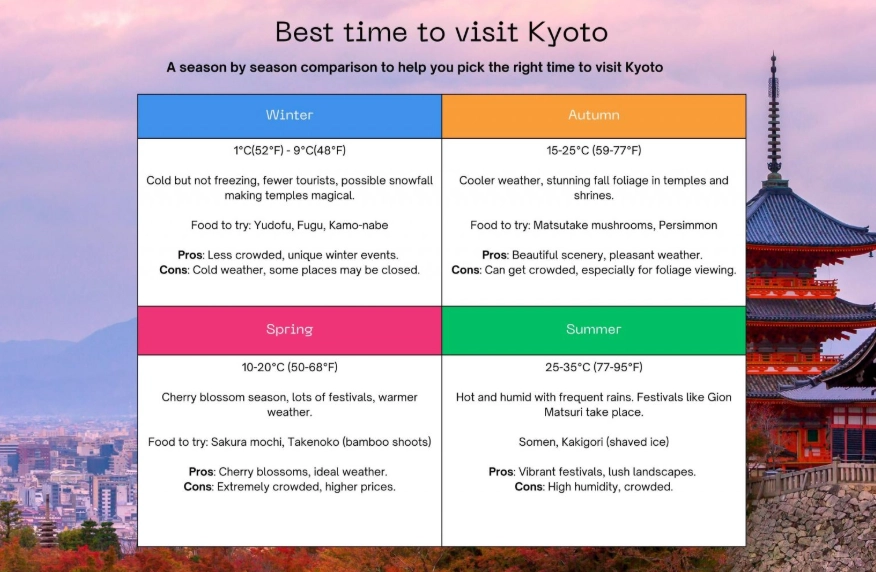
When to Go: Spring (March-May) and Autumn (October-November) are ideal. Pleasant temps, less humidity. Summer (June-Sept) is hot, humid, and crowded, but the beaches are open and festivals happen. Winter is chilly and windy, but clear days offer amazing views of snow-capped Fuji, and the crowds are thin. I went in February once and had the Sea Candle almost to myself, wrapped in a scarf.
Crowds: Weekends and national holidays are packed. Japanese holidays like Golden Week are a special kind of busy. If you can, go on a weekday.
Money: Bring cash. Many smaller stalls, shrine offerings, and the escalator/cave tickets are cash-only.
Bathrooms: Available at the station, near the shrine entrances, and in the Samuel Cocking Garden area. They're generally clean.
For official event info and island updates, the Fujisawa City official website (use translation) and the Japan National Tourism Organization (JNTO) page on Enoshima are reliable resources.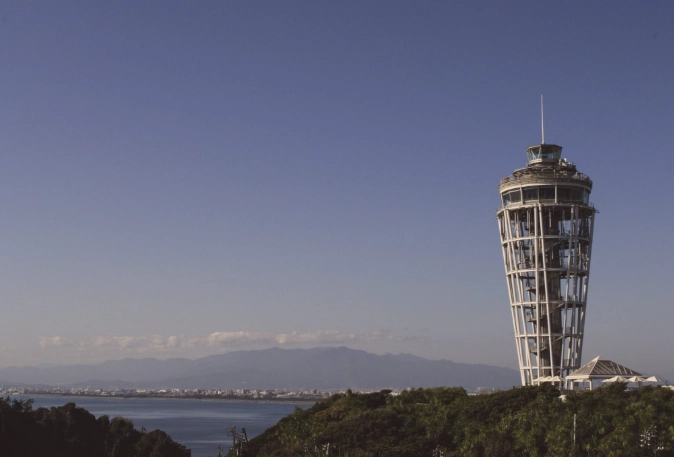
Your Enoshima Japan Questions, Answered
I get asked these a lot. Let's tackle them head-on.
So, there you have it.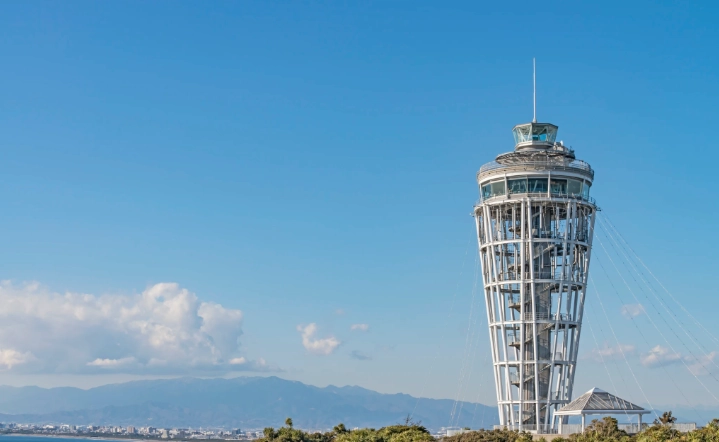
Enoshima Japan isn't just a dot on a map near Tokyo. It's a feeling. It's the crunch of a shirasu croquette, the chill of a sea cave, the burn in your legs from the climb, and the absolute stillness at the top of the Sea Candle as you watch the coastline curve into the distance. It's a place that manages to be both a popular tourist destination and a quiet spiritual retreat, sometimes on the same path.
Go with comfortable shoes, an appetite, and no strict schedule. Let the island reveal itself to you in layers. Skip the stuff that doesn't interest you. Sit on a bench and just watch the boats. That's when you'll understand why this little island has captivated people for centuries.
Your perfect Enoshima day trip is waiting. Just across that bridge.

Comments