I remember my first trip to Nagoya. I booked a hotel because it was cheap and had a high rating on a popular site. Big mistake. It was a 20-minute walk from the nearest subway station, in a quiet office district that turned into a ghost town after 6 PM. Finding dinner was a mission. That experience taught me more about choosing Nagoya accommodation than any generic travel guide ever could. Where you stay fundamentally shapes your trip.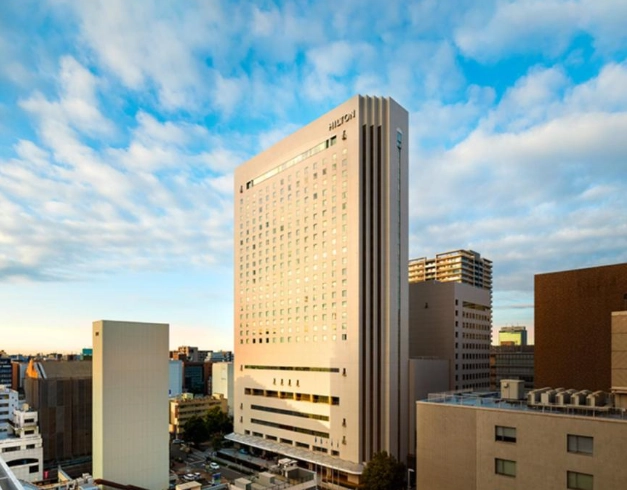
Nagoya isn't just a stopover for the Shinkansen. It's a city of incredible food (miso katsu, anyone?), underrated history, and world-class manufacturing tours. Picking the right base camp is your first step to unlocking it.
Your Quick Navigation
How to Pick Your Perfect Nagoya Neighborhood
Forget just comparing hotel prices. The district you choose dictates your daily rhythm. Here’s the breakdown, stripped of the fluff.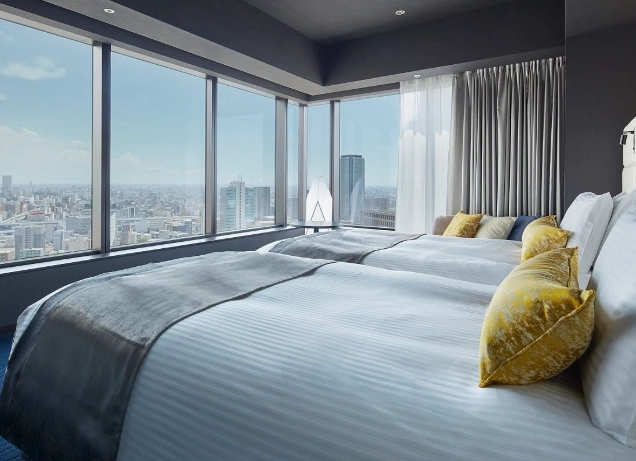
Nagoya Station Area: The Transport King
This is the hub. If your itinerary involves day trips—Ghibli Park in Nagakute, the ceramics of Tokoname, Toyota-related sights—this is your spot. You're connected to everything. The JR Gate Tower Hotel is literally upstairs from the tracks.
The downside? It can feel impersonal, a concrete jungle of salarymen and department stores. Dining is abundant but often inside massive malls like JR Central Towers or Midland Square. It's efficient, not necessarily charming.
Sakae: The Pulse of the City
Sakae is where Nagoya comes to play. This is the downtown core. You've got the TV Tower, Oasis 21 (that spaceship-looking park), and endless streets of izakayas, bars, and boutiques. The energy is different here—more youthful, more vibrant after dark.
Accommodation ranges from business hotels to upscale options like the Hilton Nagoya. You're a short subway ride from Nagoya Station (5 mins on the Higashiyama Line), so you get the best of both worlds: nightlife and convenience. For most leisure travelers, especially first-timers, Sakae is the sweet spot.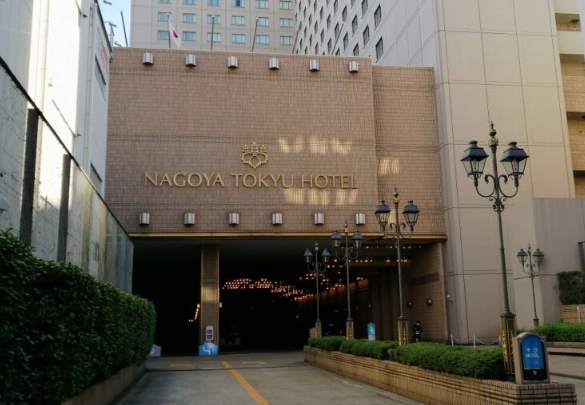
Kanayama & Osu: For the Curious Explorer
Want to feel like you live here? Look at Kanayama. It's a major transit node south of the center (one stop from Nagoya Station), less touristy, packed with local eateries, and generally cheaper. It's a practical, authentic choice.
Osu is for the eclectic soul. This shopping district centered around Osu Kannon Temple is a maze of vintage shops, anime stores, and street food stalls. Staying here means you're in the heart of Nagoya's subculture. Noise and crowds are part of the package, but if you want character, it's overflowing.
A Curated Nagoya Hotel Shortlist for Every Traveler
Based on location, value, and that hard-to-define "good vibe," here are my picks. I'm including rough price brackets (per night, double) as a guide—always check for deals. Prices swing wildly with season and how early you book.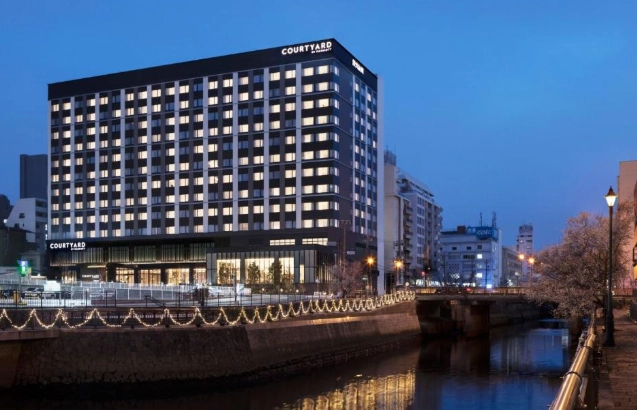
| Hotel | Area | Best For | Key Features & The Vibe | Price Guide |
|---|---|---|---|---|
| The Tower Hotel Nagoya | Nagoya Station | Luxury, Design Lovers | Part of the JR Central Towers. Stunning city views from high floors, direct station access. Feels sleek and international. The breakfast buffet is legendary. You pay for the pinnacle of convenience. | $$$ (High) |
| Hilton Nagoya | Sakae | Families, Business, Comfort | Reliable upscale comfort. Spacious rooms by Japanese standards, great service, connected to the subway. The executive lounge access (if you book it) is worth it for the peace and snacks. Consistently good, never surprising. | $$$ (High) |
| Dormy Inn Premium Nagoya Sakae | Sakae | Foodies, Value-Seekers | A business hotel that punches above its weight. The big draw? A free, high-quality natural onsen (hot spring) bath on the top floor and a legendary free late-night ramen service. The location is perfect for exploring Sakae on foot. | $$ (Mid) |
| Via Inn Nagoya Ekimae | Nagoya Station | Solo Travelers, Budget Business | Clean, modern, and incredibly efficient. A minute's walk from the station's Sakura-dori exit. Rooms are compact (this is Japan) but smartly designed. The included breakfast is simple but good. It's the textbook definition of a great value business hotel. | $ (Budget) |
| Glocal Nagoya Backpackers Hostel | Osu | Solo Travelers, Social Budget Travel | Not just a place to sleep. It's a community hub with a cafe/bar, events, and a super friendly staff who give real local tips. Dorm and private rooms available. You stay here for the experience and the people, not for luxury. | $ (Budget) |
| Nagoya Prince Hotel Sky Tower | Nagoya Station | Views, Modernity | Attached to the station complex but feels more resort-like. Higher floors offer breathtaking panoramas. The Sky Restaurant floor is a treat. It manages to feel a bit more tranquil than other Station area hotels. | $$ (Mid) |
See a pattern? Your choice often boils down to: Maximum Efficiency (Station) vs. Maximum Atmosphere (Sakae/Osu) vs. Maximum Value (Kanayama/Business Hotels).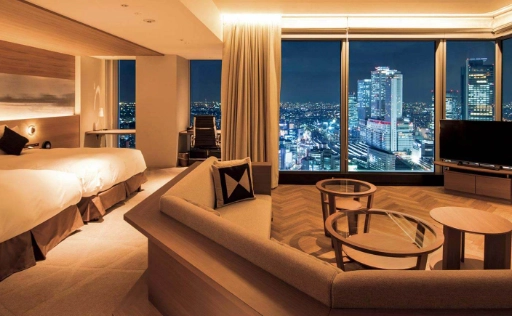
Booking Secrets & Non-Obvious Tips from a Local
Here’s where I share the stuff most blogs don't tell you.
1. The "Direct Booking" Myth (and Truth): Always check the hotel's own website. For larger chains (Hilton, Prince), you might find member rates or packages. For Japanese business hotels (Dormy Inn, Via Inn, APA), you will almost always find a better rate on their Japanese-language site or on Japanese travel portals like Rakuten Travel or Jalan. Use your browser's translate function. The savings can be 15-20%.
2. The Transportation Check is Non-Negotiable: Don't just look at the distance "from Nagoya Station." Open Google Maps. What's the actual walk to the nearest subway station? Is it a covered walkway? Is the hotel near the correct exit? My first hotel mistake happened because I didn't do this. A 15-minute walk with luggage in the rain is no joke.
3. Room Size Realism: Japanese hotel rooms, especially in cities, are small. A "double room" might be 14-18 square meters. If you need space for two large suitcases, look for rooms labeled "Semi-Double" or "Double" that explicitly state a size over 20 sqm. Or, book a twin room with two beds—they're often more spacious.
4. The Early Dinner Conundrum: Many restaurants in business districts close surprisingly early (8-9 PM). If you're a late eater staying near Nagoya Station, your best bets are the restaurants inside the station towers or in Sakae. Factor this into your location choice.
5. Consider a "Ryokan" on the Outskirts: For a totally different, deeply Japanese experience, look at traditional inns (ryokan) in areas like Arimatsu (famous for tie-dye) or near Inuyama. You'll get kaiseki meals, futons, and hot springs. It's a commitment travel-wise but unforgettable. The Japan National Tourism Organization (JNTO) website has great resources on this.
Your Nagoya Stay Questions, Answered
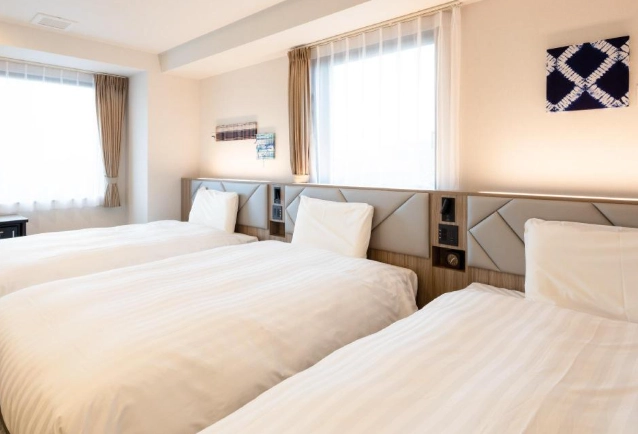
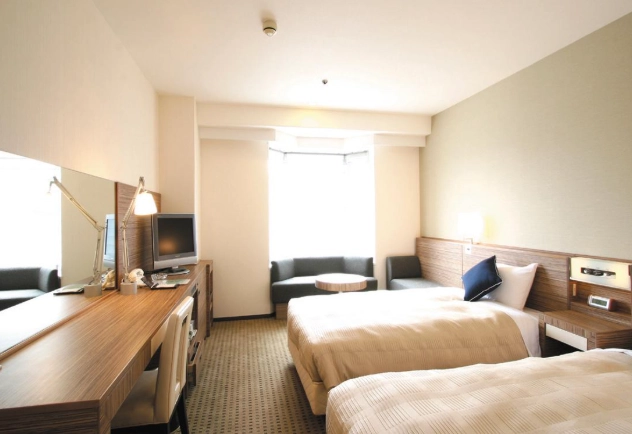
Your Nagoya accommodation isn't just a bed. It's your launchpad. Pick based on how you actually want to spend your days—rushing to trains, wandering backstreets for food, or soaking in a rooftop onsen after a long day of exploration. Get the location right, and the rest of your trip effortlessly falls into place.
Trust me, your future self, hauling a suitcase or searching for a midnight snack, will thank you for spending that extra 30 minutes researching now.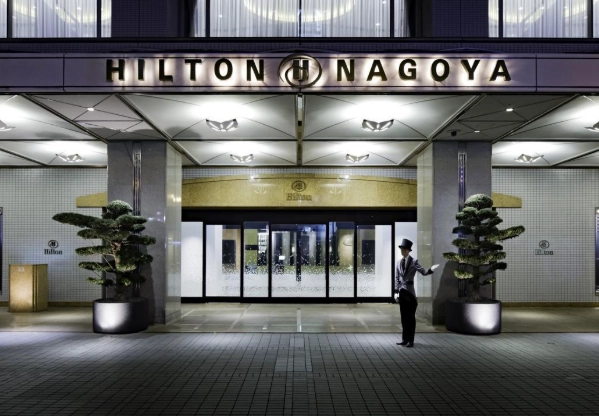

Comments