Let's cut to the chase. You're dreaming of sushi in Tokyo, temples in Kyoto, and maybe a soak in an onsen, but that nagging question is holding you back: how much will a trip to Japan from the USA actually cost me? I've planned this trip for friends, family, and myself multiple times, and the biggest mistake people make is relying on vague, outdated estimates. The cost isn't a single number; it's a puzzle of flights, daily choices, and hidden expenses. This guide won't just throw averages at you. We'll build a budget from the ground up, using real 2024 prices and the strategies I've used to explore Japan without draining my savings.
Your Quick Budget Guide to Japan
- The Big Ticket: Flights from the USA to Japan
- Where to Sleep: Accommodation Costs in Japan
- Fueling Your Adventure: Food & Drink Budget
- Getting Around: Transport Costs in Japan
- Making Memories: Experiences & Activities
- Putting It All Together: Sample Budget Scenarios
- Your Japan Trip Cost Questions Answered
The Big Ticket: Flights from the USA to Japan
This is your largest upfront cost. Forget the "$500 round-trip" myth you might see on social media—those are rare, error-fare unicorns. For most travelers flying from major US hubs, here's the 2024 reality.
From the West Coast (LAX, SFO, SEA), you can find decent deals if you're flexible. I snagged a round-trip ticket from Los Angeles to Tokyo (Haneda) for $850 by booking 4 months out and avoiding peak seasons like Golden Week (late April/early May) and year-end. Expect a typical range of $800 - $1,300.
From the East Coast (JFK, ORD, ATL), prices jump. A realistic budget is $1,100 - $1,700. The trick here is to consider a stopover. A flight with a layover in Seoul or Taipei can often be $200-$300 cheaper than a non-stop, and you can sometimes arrange a free long layover to see another city.
My non-consensus tip: Don't just search for "Tokyo." Check fares into both Narita (NRT) and Haneda (HND). Haneda is closer to central Tokyo and often has cheaper public transport into the city, which can offset a slightly higher airfare. Also, look at flying into Osaka (KIX). Sometimes, a multi-city ticket (into Tokyo, out of Osaka) costs the same as a round-trip and saves you time and money on a backtracking train journey.
Set up price alerts on Google Flights or Skyscanner. Be ready to book when you see a price you're comfortable with—they don't last long.
Where to Sleep: Accommodation Costs in Japan
Japan's lodging is a spectrum of efficiency and experience. Space is at a premium, so don't expect sprawling hotel rooms for cheap. Here’s what your money gets you per night for two people:
| Accommodation Type | Price Range (Per Night) | Best For / Notes |
|---|---|---|
| Capsule Hotel | $25 - $50 | Solo travelers, ultra-budget, short stays. More privacy than hostels. Often segregated by gender. |
| Hostel / Guesthouse | $20 - $40 (dorm) $60 - $100 (private room) |
Budget travelers, social atmosphere. Many have impeccable cleanliness and small private rooms. |
| Business Hotel | $70 - $150 | Efficiency travelers. Compact, clean, reliable. Chains like APA, Dormy Inn, or Toyoko Inn offer great value. |
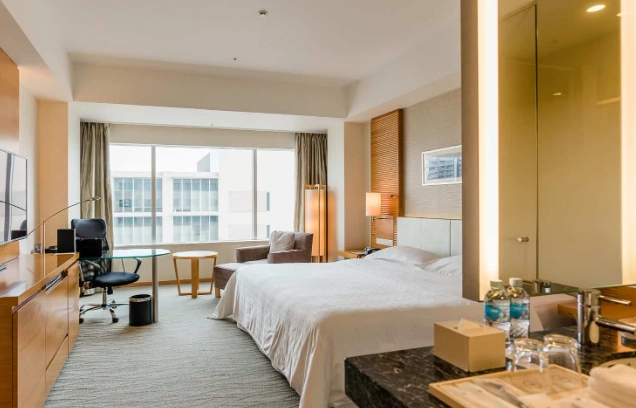
| Mid-Range Hotel | $120 - $250 | More space, better locations (near major stations). International chains or larger Japanese hotels. |
| Ryokan (Traditional Inn) | $200 - $500+ (per person with meals) | The cultural splurge. Includes kaiseki dinner & breakfast, onsen access. Worth it for at least one night. |
A major hidden cost? Location. A hotel in Shinjuku will cost more than one in a quieter suburb, but the time and train fare saved each day can be significant. I once booked a "great deal" hotel in Tokyo that required a 30-minute train ride to the Yamanote Line. The $20 saved per night wasn't worth the extra hour of commuting daily.
Book early, especially for peak seasons. Sites like Booking.com and Agoda are widely used, but also check Japanese sites like Rakuten Travel for ryokan deals.
Fueling Your Adventure: Food & Drink Budget
You can eat like a king on a budget in Japan, or you can spend a fortune. The beauty is the choice.
Budget-Friendly (& Delicious) Options:
- Convenience Store (Konbini) Meals: 7-Eleven, FamilyMart, Lawson. A quality breakfast (onigiri, sandwich, coffee) costs $3-$5. Lunch sets can be $4-$7.
- Ramen / Udon Shops: A hearty bowl costs $7-$12. Order from a vending machine, hand your ticket to the chef—no language barrier.
- Gyudon (Beef Bowl) Chains: Sukiya, Yoshinoya, Matsuya. A filling meal for $4-$8.
- Department Store Basements (Depachika): For lunch, head to a depachika for a stunning array of prepared foods and bento boxes for $8-$15.
Mid-Range to Splurge:
- Izakaya (Japanese Pub): The best experience. Small plates, drinks, lively atmosphere. Plan for $25-$40 per person with a couple of drinks.
- Sushi (Conveyor Belt/Kaiten-zushi): Like Sushiro or Kura Sushi. Fresh, fun, and about $1.50-$5 per plate. A full meal for $15-$25.
- Restaurant Dinner: A nice sit-down meal at a non-touristy local restaurant: $20-$40 per person.
Drinks: Water is free and safe from taps. A coffee from a cafe is $3-$5. Beer at an izakaya is $5-$7. Vending machine drinks are $1-$2.
Getting Around: Transport Costs in Japan
Japan's transport is legendary, efficient, and a notable part of your budget.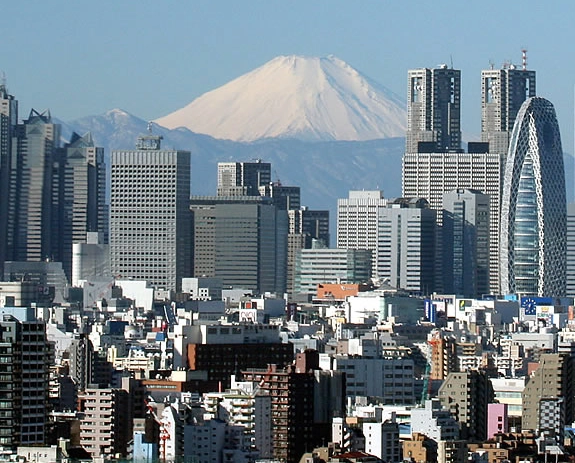
Should You Buy a Japan Rail Pass?
The JR Pass price increased significantly in late 2023. It's no longer an automatic buy. You must do the math. A 7-day Ordinary Pass is now around $335.
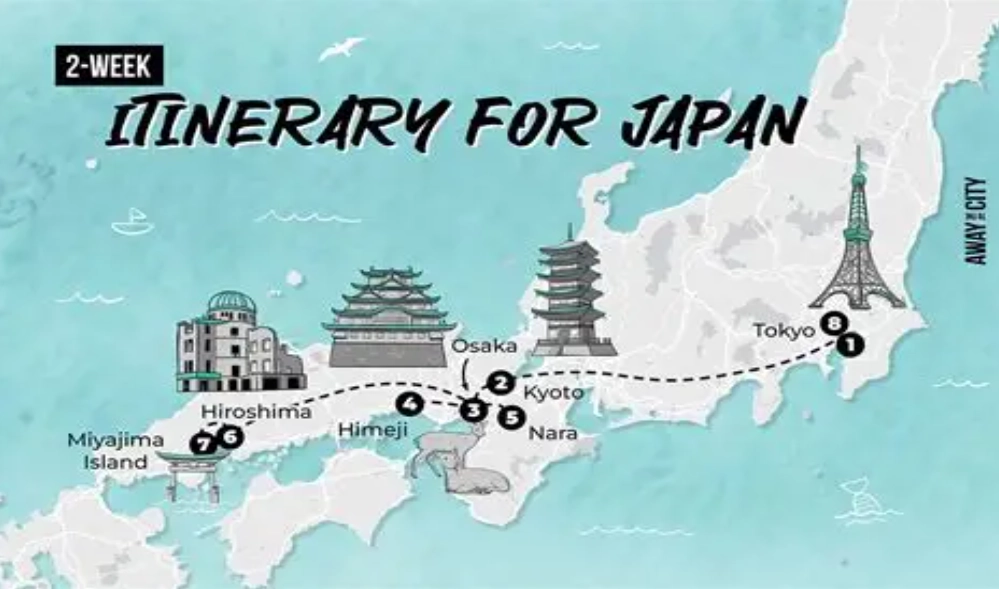
It pays off if: Your itinerary includes a long round-trip between Tokyo and Kyoto/Osaka (a one-way Shinkansen ticket is about $130), plus other trips. A sample cost-effective itinerary: Tokyo → Kyoto → Hiroshima → Osaka → Tokyo.
It does NOT pay off if: You're only doing a one-way trip (Tokyo to Kyoto, then flying out of Osaka), or staying mostly in one city. Use a calculator like the one on Japan-Guide.com.
Local Transport & Alternatives
Within cities, you'll use subways and buses. A single Tokyo subway ride starts at about $1.50 and increases with distance. Daily passes (like the Tokyo Metro 24-hour ticket for $6) can be worth it if you make 3+ trips.
IC Cards (Suica, Pasmo) are essential. Tap to ride trains, buses, buy from vending machines, and at convenience stores. Load it with cash. It doesn't give discounts, but it's incredibly convenient.
Don't underestimate the cost of local travel. A day trip from Kyoto to Nara might cost $25 round-trip. These add up.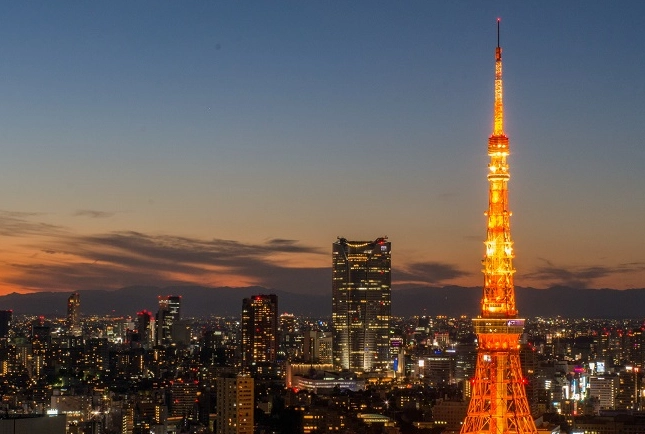
Making Memories: Experiences & Activities
This is the most variable part. Many of Japan's best experiences are low-cost or free.
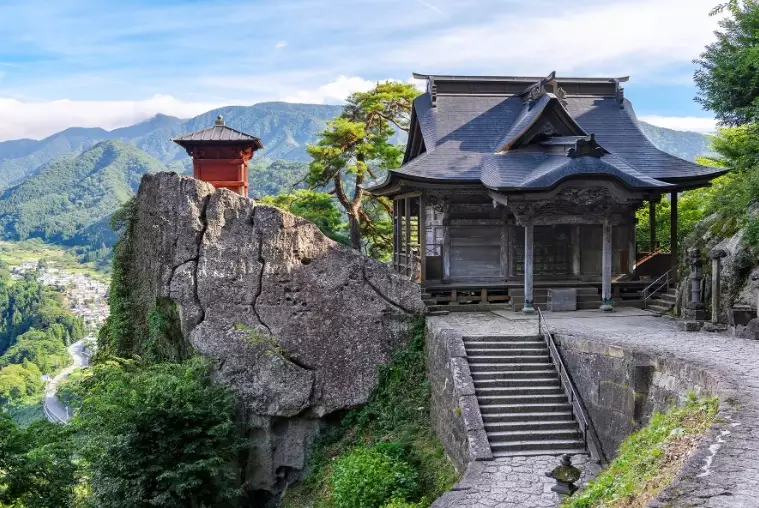
- Temples & Shrines: Often free or a small donation ($3-$6). Kyoto's Kiyomizu-dera: $4.50.
- Museums: Typically $6-$15. The Tokyo National Museum is about $9.
- Gardens & Parks: Beautiful and cheap. Kenrokuen in Kanazawa: $3.50.
- Observation Decks: Tokyo Skytree ($18-$27), Shibuya Sky ($20). Book online in advance.
- Onsen (Hot Spring): A day visit to a public onsen can be as low as $5-$15.
- TeamLab Planets/Borderless: A major splurge at $30-$40.
Budget $15-$40 per day for activities, depending on your interests.
Putting It All Together: Sample Budget Scenarios
Let's build two realistic 10-day/9-night itineraries for one person, excluding flights and souvenirs.
| Expense Category | Budget Traveler | Comfort Traveler |
|---|---|---|
| Accommodation (9 nights) | Hostel privates / Business hotels: $80/night avg Total: $720 |
Mid-range hotels: $160/night avg Total: $1,440 |
| Food & Drink (10 days) | Konbini, ramen, gyudon, occasional izakaya: $40/day Total: $400 |
Mix of casual & nice sit-downs, izakaya: $70/day Total: $700 |
| Transport | 7-day JR Pass ($335) + local IC card: $50 Total: $385 |
7-day JR Pass ($335) + local IC/taxis: $80 Total: $415 |
| Activities & Entry Fees | $20/day Total: $200 |
$35/day Total: $350 |
| Miscellaneous / Daily Needs | $10/day Total: $100 |
$15/day Total: $150 |
| GRAND TOTAL (Land Cost) | $1,805 | $3,055 |
So, for a 10-day trip, a realistic total cost from the USA is:
- Budget: Flight ($1,100) + Land ($1,805) = ~$2,905
- Comfort: Flight ($1,300) + Land ($3,055) = ~$4,355
These are per-person estimates. Traveling as a couple can reduce per-person accommodation costs.
Your Japan Trip Cost Questions Answered
The final number on your Japan trip cost comes down to your choices. You can have a life-changing experience without a luxury budget by embracing konbini meals, efficient business hotels, and the wealth of low-cost cultural sights. Start by locking in your flight, then build your daily budget backwards. Be realistic, build in a 10% buffer for unexpected delights (that perfect souvenir, an extra bowl of ramen), and go. Japan is worth every yen.



Comments