Your Journey Awaits
Let's be honest, asking "what are the best places to visit in Japan?" is like asking what the best flavor of ice cream is. Everyone's got an opinion, and it completely depends on what you're into. Are you a history buff who gets chills walking through ancient temples? A foodie on a mission to find the perfect bowl of ramen? Or maybe you just want to see that iconic red gate in the water and snap a selfie. Been there.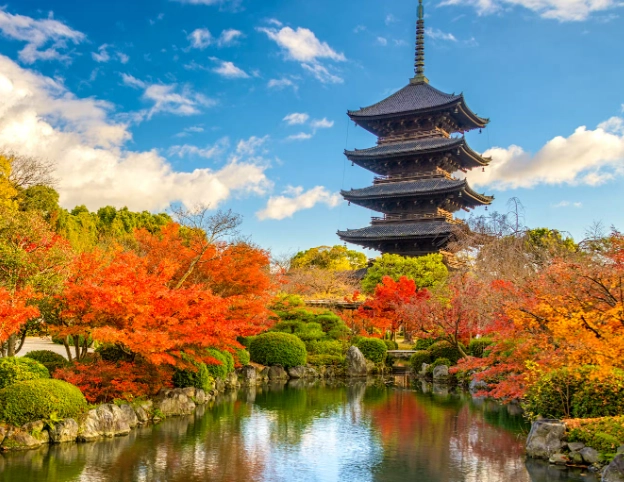
I've lost count of how many times I've been to Japan. Four, maybe five trips? Each one was different. The first time was the classic Tokyo-Kyoto-Osaka sprint, trying to see everything. The last time, I just wandered around lesser-known towns in Kyushu, eating my weight in local specialties. Both were amazing in completely different ways.
So, instead of just giving you a dry list, I'm going to break this down by vibe. What are the best places to visit in Japan for you? We'll cover the must-sees (yes, they're popular for a reason), the spots that fly under the radar, and how to actually put a trip together without losing your mind. I'll also throw in some things I wish I'd known earlier, like how crowded Kyoto can really get, or which tourist traps are actually worth it.
The Unmissable Classics (For Good Reason)
If it's your first rodeo, these places are on every list for a reason. They offer a concentrated dose of what makes Japan, well, Japan. You can't really go wrong.
Kyoto: The Soul of Old Japan
Kyoto is the answer a lot of people have in mind when they wonder what are the best places to visit in Japan. It's the city of a thousand temples (over 1,600, actually), geisha districts, and serene gardens. Walking through the torii gate tunnels at Fushimi Inari is magical, even with the crowds. Kinkaku-ji, the Golden Pavilion, is as stunning in person as it is in photos.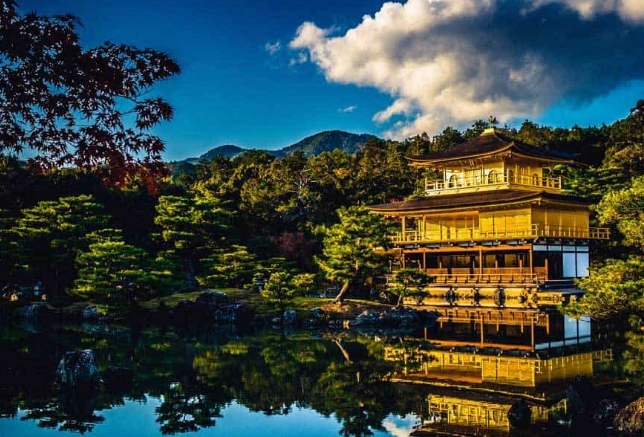
My Take: I love Kyoto, but I have to be honest. The central areas like Gion and around Kiyomizu-dera can feel like a theme park during peak season. My advice? Go to the major sites very early (think 7 AM) or later in the afternoon. Then, spend your midday exploring the quieter backstreets of neighborhoods like Higashiyama. That's where you'll find the real charm.
Don't just temple-hop, though. The Nishiki Market is a food lover's paradise. Try the pickles, the fresh seafood, and the matchi everything. For a unique experience, take a day trip to Arashiyama. The bamboo grove is famous, but the monkey park on the hill offers hilarious views of both monkeys and the city below.
Tokyo: The Neon-Fueled Future
Tokyo isn't just a city; it's a collection of wildly different neighborhoods, each with its own personality. Trying to "do Tokyo" is impossible. You have to pick your battles.
Shibuya is for the scramble crossing, towering screens, and youth culture. Shinjuku has the government buildings, the seedy-but-fascinating Kabukicho area, and incredible rooftop bars. Asakusa lets you see the old side with Senso-ji Temple. For electronics and otaku culture, Akihabara is ground zero. And for upscale shopping and people-watching, Ginza is the spot.
Pro tip: Get a JR Tokyo Wide Pass if you plan to take day trips out to Nikko, Hakone, or the Fuji Five Lakes area. It can save you a ton of money. The official Japan Rail site is the best place to check validity and prices.
My personal favorite area? Daikanyama. It's quieter, filled with boutique shops and cool cafes. It feels like a completely different city from the chaos of Shibuya, which is just a 15-minute walk away.
Osaka: The Kitchen of Japan
People from Tokyo are more reserved. People from Osaka? They're loud, funny, and obsessed with food. The vibe here is immediately more relaxed. Dotonbori at night is an assault on the senses in the best way possible—giant moving crab signs, takoyaki stalls every five feet, and the constant sizzle of okonomiyaki on the grill.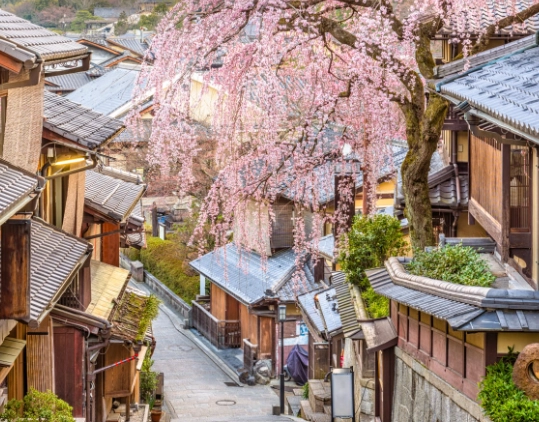
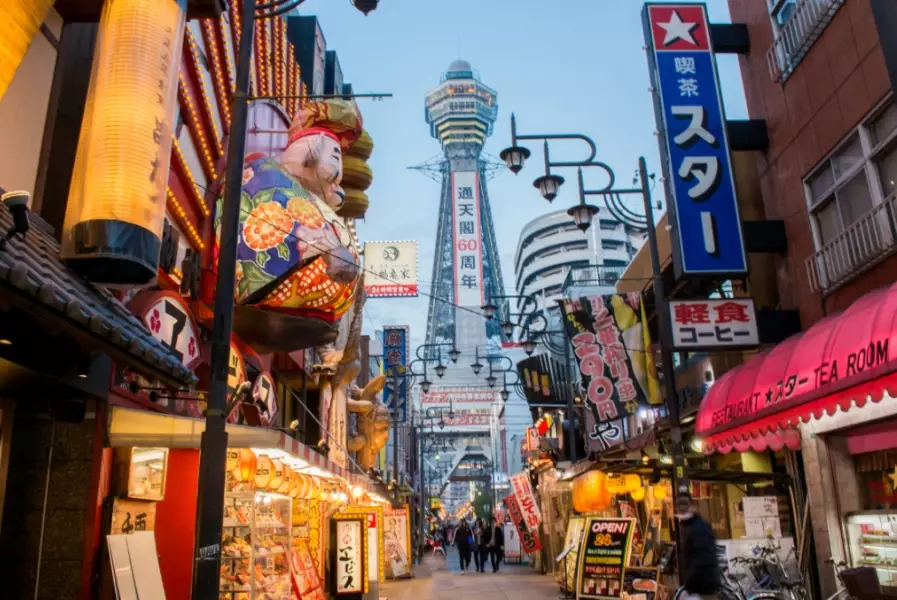
Osaka Castle is a great visit (though the interior is a modern museum). For a truly local experience, head to Shinsekai, a retro-futuristic district with its iconic Tsutenkaku Tower. The street food here, especially kushikatsu (deep-fried skewers), is legendary.
It's also the perfect base for day trips to Nara (to bow to the friendly, sometimes pushy, deer) and Kobe (for the famous beef).
Classic Route Verdict: If you have 10-14 days, the Tokyo-Kyoto-Osaka loop with a side trip to Hiroshima/Miyajima is the gold standard for a reason. It works. It covers a massive amount of cultural and modern ground. But it's also the most traveled path. If you want to get off the beaten track a bit, keep reading.
Beyond the Golden Route: Gems Worth the Journey
Once you've done the classics, or if you're a repeat visitor, Japan's real depth starts to show. These places answer the question "what are the best places to visit in Japan?" for travelers looking for something different.
Hokkaido: Wide-Open Spaces and Powder Snow
Hokkaido feels like a different country. It's vast, with dairy farms, active volcanoes, and some of the best powder snow on the planet. Sapporo is a great city with its beer museum and insane Snow Festival in February. But the magic is outside the city.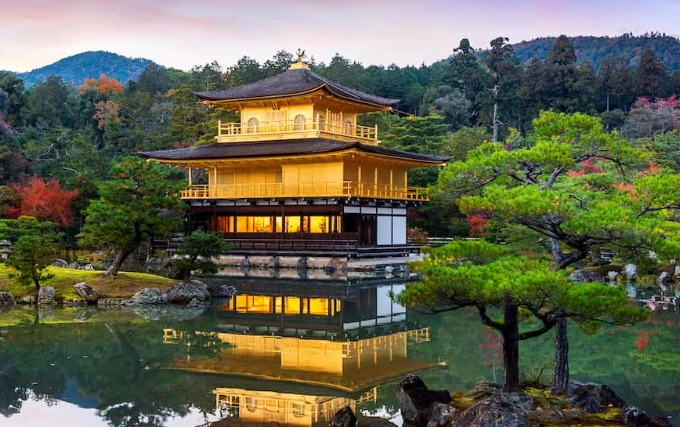
In winter, the ski resorts like Niseko are world-class. In summer, the flower fields of Furano and Biei look like something from a Windows wallpaper. Shiretoko National Park, in the far east, is a UNESCO site where you can see brown bears and drift ice. The seafood here, especially crab and uni (sea urchin), is next-level fresh.
Hiroshima & Miyajima: A Story of Peace and Beauty
This is a profound and beautiful two-for-one. Hiroshima's Peace Memorial Park and Museum is not an easy visit, but it's an essential one. It's a somber, powerful tribute that stays with you. Then, you take a short ferry ride to Miyajima Island.
The iconic Itsukushima Shrine with its "floating" torii gate is breathtaking. Time your visit for high tide for the classic water reflection shot, and low tide to walk right up to the gate. The island is also covered with friendly deer (less aggressive than Nara's!) and has a great hiking trail up Mount Misen for panoramic views.
Kanazawa: Kyoto Without the Crowds
Sometimes called "Little Kyoto," Kanazawa escaped WWII bombing, so its historic districts are beautifully preserved. The Kenrokuen Garden is considered one of Japan's three great gardens, and it's stunning in every season. The Nagamachi samurai district and the Higashi Chaya geisha district let you wander without the shoulder-to-shoulder crowds of Kyoto's similar areas.
Plus, Kanazawa is a gold leaf capital. You can find it on everything from ice cream to souvenirs. It's easily accessible from Tokyo on the Hokuriku Shinkansen.
My Take: I stumbled into Kanazawa on a rainy day and ended up staying three nights. I spent a whole afternoon just in the 21st Century Museum of Contemporary Art. It's that kind of place—easy to enjoy at a slow pace.
Okinawa: Japan's Tropical Paradise
White sand beaches, turquoise water, and a distinct Ryukyu culture that feels far removed from mainland Japan. The food is different (think goya champuru, a bitter melon stir-fry), the architecture is different (Shuri Castle), and the pace is slow. It's perfect for diving, snorkeling, or just collapsing on the beach after a hectic mainland tour. The main island has its attractions, but try to get to the smaller islands like Ishigaki or Miyakojima for even more stunning scenery.
Picking Your Perfect Japan: A Matchmaking Table
This might help. Think about what you really want from your trip, and match it to a region.
| If You're Into... | Then Prioritize These Best Places to Visit in Japan | Why It's a Great Fit | Best Time to Go |
|---|---|---|---|
| History & Traditional Culture | Kyoto, Nara, Kanazawa, Nikko | Maximum density of temples, shrines, gardens, and preserved districts. You can feel the weight of history. | Spring (Apr-May) or Fall (Oct-Nov) for pleasant weather and scenery. |
| Food & Nightlife | Osaka, Tokyo (esp. Shinjuku/Shibuya), Fukuoka | Osaka is Japan's kitchen. Tokyo has unparalleled variety and Michelin stars. Fukuoka is famous for yatai (street food stalls) and tonkotsu ramen. | Anytime! Food is always in season. Summer has great festivals. |
| Nature & Hiking | Japanese Alps (Kamikochi), Hokkaido, Yakushima, Kumano Kodo | Spectacular mountains, ancient forests (Yakushima's cedars are 1000+ years old), and well-maintained hiking trails. The Kumano Kodo pilgrimage routes are a UNESCO World Heritage site. | Late spring to early autumn (May-Oct) for alpine areas. Hokkaido summer is perfect; winter is for skiing. |
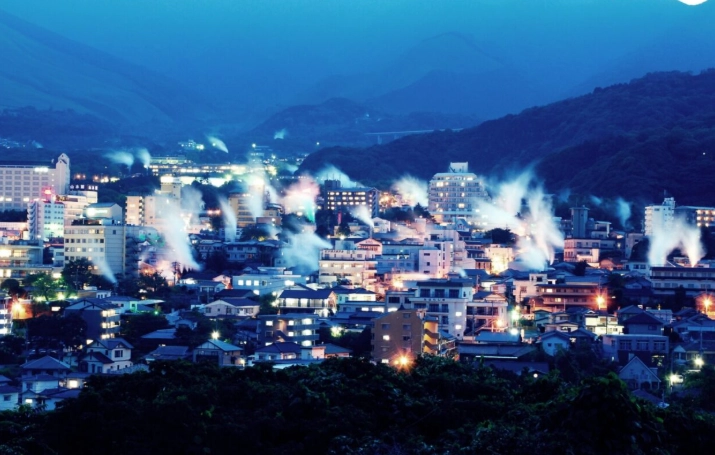
| Onsen (Hot Springs) | Hakone, Beppu, Kinosaki Onsen, Noboribetsu | These towns are built around the onsen experience. Kinosaki is a picture-perfect town where you roam in a yukata from bath to bath. Beppu has the famous "hells" (hot springs for viewing). | Winter is magical for soaking in open-air baths while it snows. Fall is also beautiful. |
| Off-the-Beaten-Path | Shikoku Island, Tohoku Region (North Honshu), Gifu (Shirakawa-go) | Fewer international tourists, authentic rural life, and stunning scenery. Shikoku has its own 88-temple pilgrimage. Tohoku has great festivals and coastlines. | Spring, Summer, or Fall. Some rural areas can be very quiet or have limited transport in winter. |
This is just a starter guide. The beauty of Japan is that even within these categories, you'll find a dozen sub-options.
The Nitty-Gritty: Stuff They Don't Always Tell You
Figuring out what are the best places to visit in Japan is one thing. Actually enjoying them is another. Here's some real-talk advice.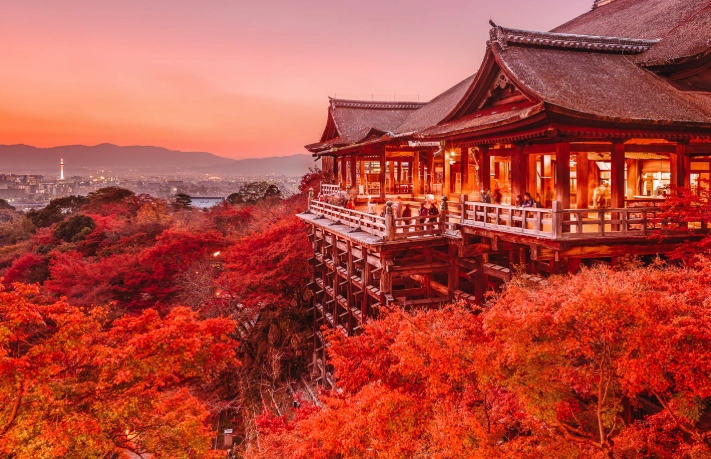
Getting Around: The Rail Pass Dilemma
The Japan Rail (JR) Pass used to be a no-brainer. After a significant price hike in 2023, you need to do the math. If you're doing the classic Tokyo-Kyoto-Hiroshima round-trip on the Shinkansen, it still pays off. If you're staying in one region or moving slowly, it might not. Use a fare calculator online before you buy.
Don't fear local trains and buses, though. They're efficient, and sometimes the slow route shows you more of the country. For regional travel, look into regional passes offered by JR companies (like the JR Kansai Area Pass or JR Hokkaido Pass).
Hyperdia or Japan Travel by Navitime apps are lifesavers for planning train routes, times, and costs. Google Maps works shockingly well for public transport in Japan too.
Seasons Matter. A Lot.
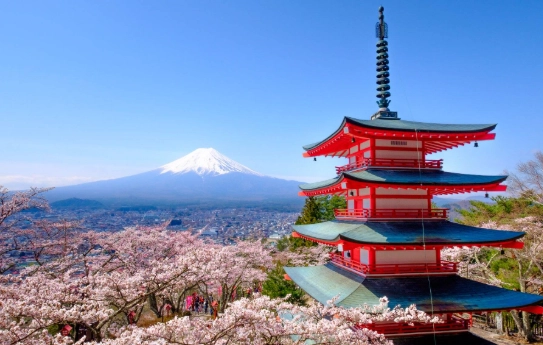
- Cherry Blossom (Sakura) Season (late Mar-early Apr): Magical. Also, the most crowded and expensive time of the year. Book everything a year in advance. Seriously.
- Autumn Foliage (Koyo) Season (late Oct-early Dec): Equally stunning, with brilliant reds and yellows. Still crowded, but slightly less manic than sakura season. The timing moves south to north.
- Summer (Jun-Aug): Hot and humid, except in Hokkaido. But it's festival season! Gion Matsuri in Kyoto, Tenjin Matsuri in Osaka, and countless fireworks festivals.
- Winter (Dec-Feb): Cold and dry on the main island, perfect for onsen and winter illuminations. Hokkaido and the Japan Alps are for skiing. A great value season outside of the New Year holiday.
My favorite? Late May or early November. Good weather, fewer people, lower prices. The sweet spot.
Money, Language, and Etiquette
Cash is still king in many smaller establishments, ryokans, and temples. Always have some yen on you. ATMs at 7-Eleven (Seven Bank) and Japan Post Offices accept foreign cards reliably.
You don't need Japanese, but learning a few phrases (Arigatou gozaimasu - Thank you, Sumimasen - Excuse me) goes a long way. People are incredibly helpful even with a language barrier. Pointing at pictures on menus is a perfectly valid ordering technique.
Etiquette Blunder I Made: I once wore my street shoes a few steps into a traditional ryokan entrance. The look of polite horror on the owner's face! Lesson learned: look for the step up and the slippers waiting. The rules make sense once you get used to them—it's all about keeping clean and dirty spaces separate.
Wrapping It Up: Your Japan, Your Way
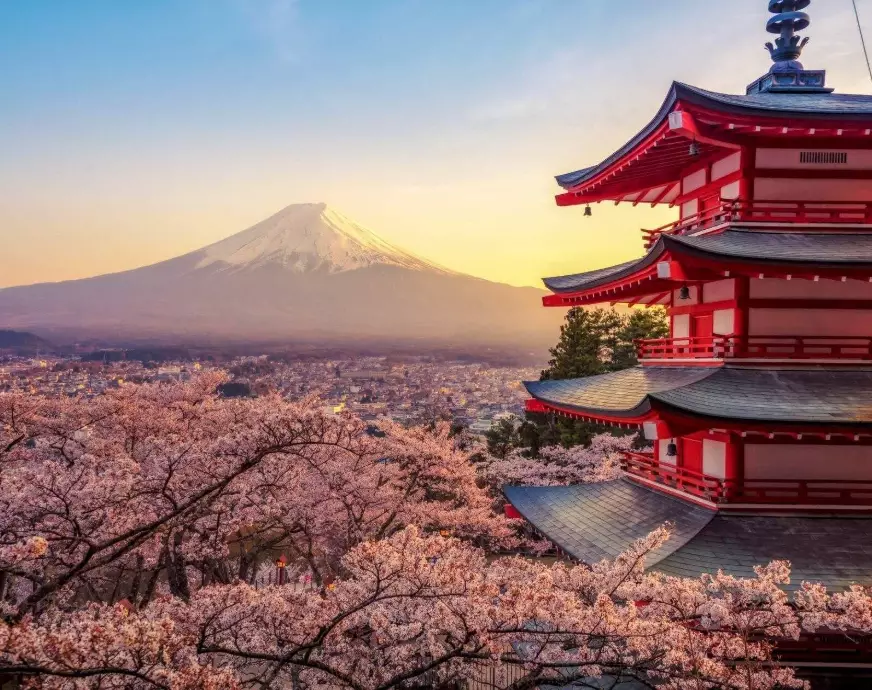
So, what are the best places to visit in Japan? There's no single answer. It's a tapestry of experiences. The frenetic energy of a Tokyo crosswalk. The profound silence of a moss-covered temple garden in Kyoto. The simple joy of a perfect piece of sushi from a tiny counter in Osaka. The awe of seeing Mount Fuji appear from behind the clouds.
Don't try to see it all.
That's the biggest mistake first-timers make. Pick a theme—culture, food, nature, cities—and build your trip around two, maybe three regions. Dive deeper. Spend an extra day in that town you liked. Get lost in a department store food basement (depachika). Sit in a park and just watch people. That's where the best memories are made.
Start with the classics if you must, but leave room for the unexpected. That random izakaya down an alley, the friendly local who points you to their favorite viewpoint, the smell of the forest after rain in Hakone. That's Japan. And honestly, no matter where you choose from this list of the best places to visit in Japan, you're going to have an incredible time. You might even start planning your next trip before the first one ends. I know I did.
Final Thought: Use the official Japan National Tourism Organization (JNTO) website as your starting point. It's a treasure trove of reliable, up-to-date information on destinations, festivals, and travel tips. It's the single best resource out there.
Comments