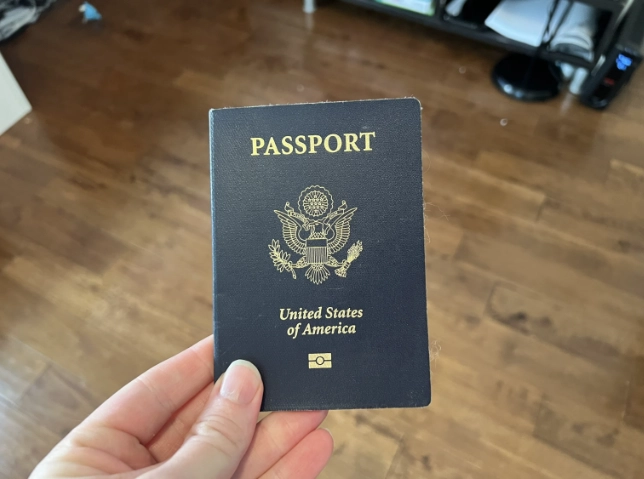
Here's the short answer you came for: Yes, in most cases, you can travel to Japan with just your valid US passport. No visa required for short-term tourism or business. But that "yes" comes with a few critical conditions that trip up more travelers than you'd think. I've seen people get turned away at the gate because they missed one small detail. This isn't just about having a passport; it's about having the right passport, filled out correctly, for the right purpose.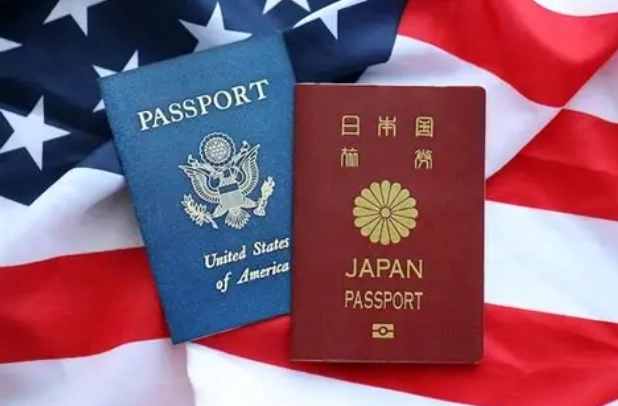
What You'll Find in This Guide
Do US Citizens Need a Visa for Japan?
No, and this is the best part of planning a trip from the US. Japan has a visa exemption agreement with the United States for short stays. You can enter as a tourist or for business meetings for up to 90 days without any prior visa application.
This policy is officially called "Temporary Visitor" status. When you land, the immigration officer will stamp your passport with this status, granting you a stay of up to 90 days. It's straightforward, but the purpose of your visit must genuinely align with tourism or standard business activities (like conferences, meetings, or market research).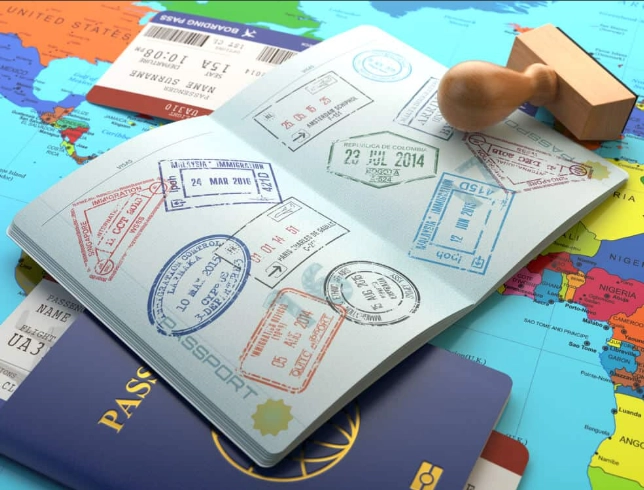
If you plan to stay longer than 90 days, study, work, or join a family member, you must apply for the appropriate visa at a Japanese embassy or consulate in the US before you travel. The "just a passport" rule no longer applies.
What Are the Passport Requirements for Japan?
This is where most mistakes happen. Your passport isn't just a booklet with your photo. For Japan, it needs to meet specific criteria from the moment you land until the moment you leave.
Passport Validity: The "Remaining Validity" Trap
Japan does not have a blanket "six-month validity rule" like some other countries. The official requirement from the Japanese Ministry of Foreign Affairs is that your passport must be valid for the entire duration of your stay.
Sounds simple, right? Here's the catch that airlines enforce, and it's a big one: Many airlines, following IATA guidelines, require at least six months of validity on your passport from the date of entry to board the flight. They do this to avoid being fined and forced to fly you back if you're denied entry for any reason.
Let me give you a real scenario. Your passport expires in four months. You plan a two-week trip to Japan. Technically, Japan's rules say you're fine. But when you try to check in for your flight, the airline agent sees the expiry date and refuses to issue your boarding pass. Your trip ends before it starts.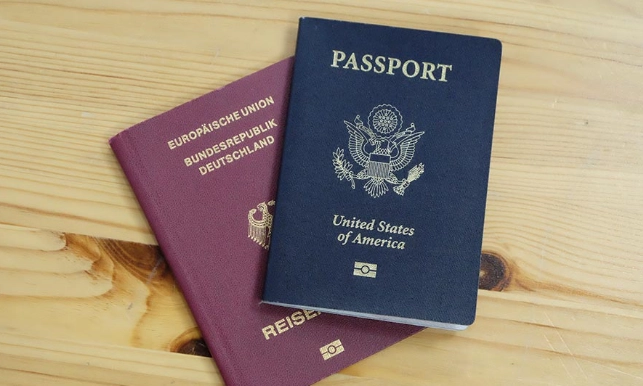
Blank Visa Pages
You need at least one fully blank visa page for the entry stamp. The "amendments" pages at the back don't count. If your passport is crammed with stamps, get a new one before you travel. I once had to help a friend at Narita Airport who was directed to a side desk because his passport had no clean pages—it added an extra 45 minutes of stress to his arrival.
Passport Condition
Severe damage—water damage, torn pages, a detached cover, or peeling laminate over your photo—can lead to refusal. The passport must be machine-readable and in good condition. If it looks like it went through the washing machine, it's time for a renewal.
How to Prepare for Arrival in Japan
You've boarded the plane with your valid passport. The next step happens in the air. Flight attendants will distribute two critical documents: the Disembarkation Card for Foreign Nationals (landing card) and the Customs Declaration Form.
Fill these out on the plane. Use a pen. Here’s how to avoid common hiccups:
- Disembarkation Card: You'll need your address in Japan. Have your first hotel's name and address written down or saved on your phone. The "Purpose of Visit" is almost always "Temporary Visitor." The flight number is the one you're currently on.
- Customs Declaration Form: This is per family/household. Be honest about what you're bringing in. Japan has strict rules on certain medications, cash over 1 million yen, and agricultural products. Declare any prescription drugs. I always check the latest prohibited items list on the Japan Customs website before packing.
Upon landing, follow the signs for "Foreign Passports." You'll present your passport and completed disembarkation card to the immigration officer. They may ask a simple question about your plans or length of stay. Answer clearly. They'll take your photo and fingerprints digitally (this is standard for all foreign visitors), stamp your passport, and return the lower half of the disembarkation card to you.
Do not lose this small stamp-sized card. It's your "landing permission" slip. You must surrender it when you leave Japan. I staple mine directly into my passport to keep it safe.
What You Need Beyond Your Passport
While your passport is the golden ticket for entry, a smooth trip requires a bit more. Immigration officers have the right to ask for supporting documents, though they don't always do so.
Be prepared to show (digitally or physically):
- Proof of Onward Travel: A return flight ticket or a ticket showing you're leaving Japan within 90 days. This is the most likely thing they'll ask for if they ask for anything.
- Proof of Sufficient Funds: Evidence you can support yourself during your stay. This could be recent bank statements, credit cards, or cash. For a typical tourist, having a major credit card and some cash is usually sufficient.
- Accommodation Details: The address of your first night's stay. A hotel confirmation email works perfectly.
Here’s a quick checklist to run through before you head to the airport:
| Item | Requirement / Recommendation | Why It Matters |
|---|---|---|
| US Passport | Valid for entire stay + 6+ months validity recommended, with blank page. | Absolute requirement for entry and boarding. |
| Return/Onward Flight | Confirmed booking leaving Japan within 90 days. | May be requested by immigration to prove temporary stay. |
| Accommodation Info | Address of first hotel/ lodging. | Needed for disembarkation card; may be verified. |
| Financial Means | Credit cards and/or cash (JPY or USD). | To demonstrate you can cover your expenses. |
| Customs Knowledge | Awareness of restricted items (meds, food, cash limits). | Avoids fines and confiscation at customs. |
Your Japan Entry Questions Answered
 I'm traveling with my newborn who has a US passport. Are the rules the same?
 So, can you go to Japan with just your US passport? For that dream vacation or business trip under three months, the answer remains a solid yes. The freedom of visa-free travel is a huge perk. But treat "just your passport" as shorthand for a perfectly valid, undamaged passport with plenty of time left on it, coupled with sensible preparation for your arrival. Double-check that expiry date, fill out your forms on the plane, and have your hotel address ready. Do that, and you'll walk through immigration at Narita, Haneda, or Kansai and start your Japanese adventure without a hitch.






Comments