Guide Highlights
Let's be honest. When you think of Oita, you probably picture steamy onsens in Beppu, monkey parks, or maybe the hells (the hot spring kind, not the biblical ones). The Oita Japan port? It might just be a blip on your radar, that place your ferry arrives at or where you see a cruise ship in the distance. I used to think the same way. It was just a transit point. But after spending more time than I'd like to admit getting lost around its terminals and talking to local dockworkers and travelers, I realized Oita Port is a fascinating hub in its own right. It's the quiet, functional heart that pumps life into the region's tourism and industry, and understanding it can seriously upgrade your trip or business dealings in Kyushu.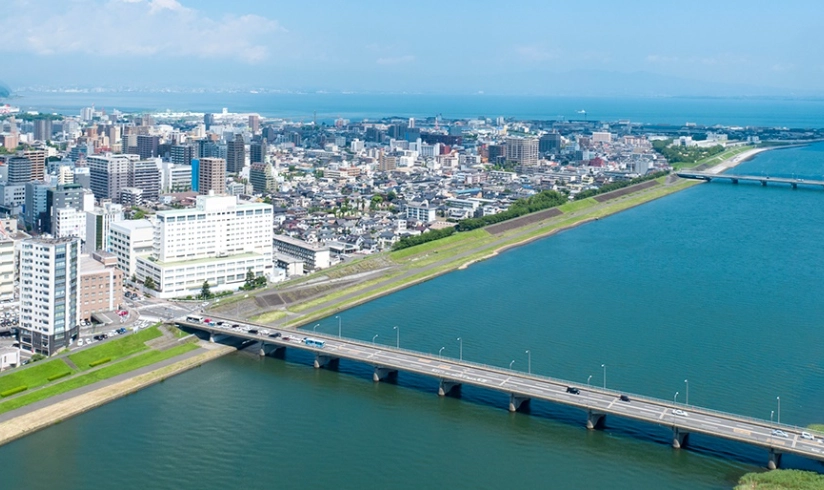
This isn't a dry list of facts. It's the guide I wish I had when I first arrived, confused about which terminal was which, wondering how to get to the city center, and curious about what those giant cranes were for. We'll peel back the layers of this port, from the practical stuff for tourists to the nitty-gritty that logistics managers care about.
First Things First: Untangling the Oita Port Puzzle
Here's the first point of confusion. "Oita Port" isn't one single pier. It's a port complex managed by the Oita Prefectural Government's Port and Airport Department. It stretches along the coast, serving different purposes. Think of it as a neighborhood with different districts.
The main areas you, as a visitor, need to know are clustered in two cities: Oita City and Beppu City. Yes, the port serves both. The administrative heart and many industrial facilities are in Oita City, while several key passenger ferry terminals are in Beppu. This tripped me up at first—I had a ferry ticket to "Oita" but the terminal was in Beppu! Always double-check your terminal location.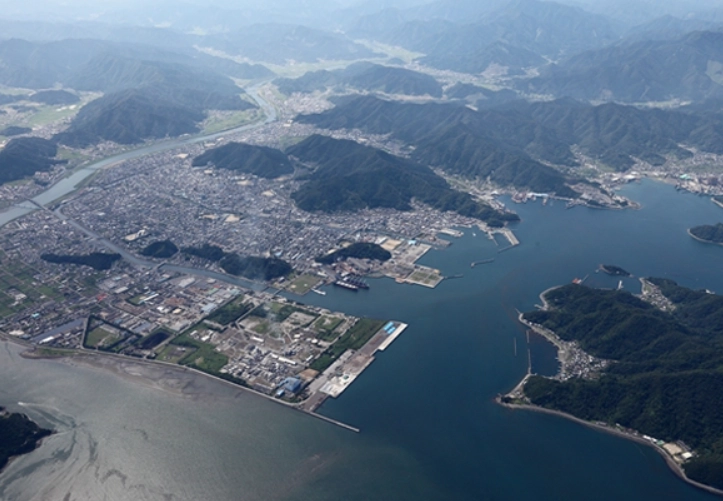
The Passenger's Side: Where You'll Likely Arrive
If you're coming by sea, you'll probably use one of these spots. The vibe here is all about movement, queues, vending machines selling coffee, and the excitement of arriving somewhere new.
- Oita Port International Terminal (Oita City): This is the main cruise terminal. It's modern, clean, and has the basic amenities—tourist info, some shops, space for taxis and tour buses. When a cruise ship is in, it's buzzing. When it's not, it's quiet. From here, you're about a 15-minute drive or a 30-minute bus ride from Oita Station. There's not much immediately around the terminal, so have your next move planned.
- Oita Ferry Terminal / Beppu Port Terminal (Beppu City): This is the workhorse for long-distance ferries. Companies like Oita Kisen operate routes from here to places like Kobe, Osaka, and Tokyo. The terminal is functional. I remember waiting there once—it's not glamorous, but it has seating, restrooms, and ticket counters. It's directly connected to Beppu Station by a short walk, which is incredibly convenient. You step off the ferry, walk five minutes, and you're at a train station ready to explore Beppu's hot springs.
- Beppu International Tourist Port: Don't let the "International" name fool you into thinking it's huge. It's a smaller, charming terminal sometimes used for cruise calls (especially smaller ships) and local pleasure boats. Its location is great, closer to central Beppu attractions than the main international terminal in Oita City.
So, which Oita Japan port terminal should you aim for? If you're on a mega-cruise, it's Oita City. If you're on a highway ferry from Honshu, it's almost certainly Beppu. Double-check that ticket!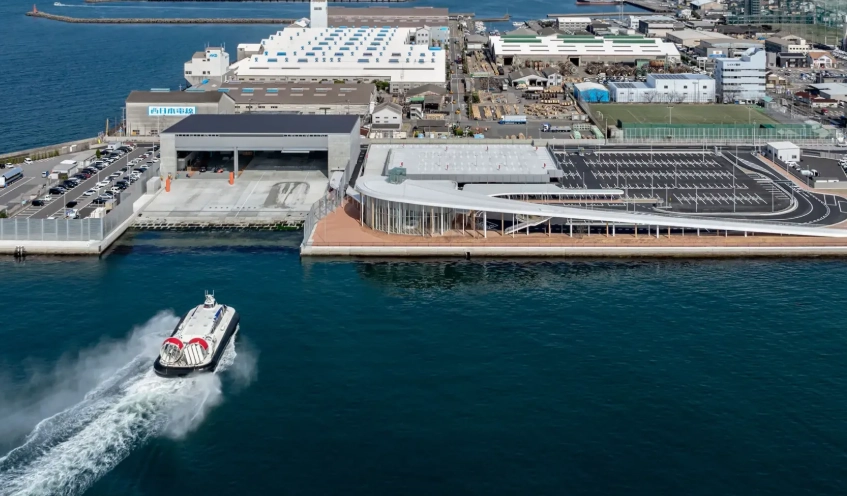
Your Practical Guide to Navigating Oita Port as a Traveler
Okay, you've arrived. Now what? Let's get into the real-world details that make or break an arrival experience.
Getting To and From the Port Terminals
This is the big one. Public transport exists, but it's not always frequent, especially for the cruise terminal.
| From → To | Best Option | Approx. Time & Cost | My Experience & Tips |
|---|---|---|---|
| Oita Int'l Terminal → Oita Station | Port Liner Bus (runs when ships are in), Taxi | Bus: 30 min, ~¥500. Taxi: 15 min, ~¥2,500-3,000. | The bus schedule is tied to ship arrivals. If you miss it or are on a smaller ship, taxis are your friend. There's usually a queue. I found sharing a taxi with other travelers a smart move. |
| Oita Int'l Terminal → Beppu Station | Taxi, Bus + Train combo | Taxi: 40 min, ~¥7,000-9,000. Bus/Train: 60+ min. | A direct taxi is pricey. For budget travelers, take the port bus to Oita Station, then a train to Beppu (about 25 min, ¥840). It's a hassle with luggage, though. |
| Beppu Ferry Terminal → Beppu Station | Walking | 5-7 minutes on foot. Free. | This is the winner for convenience. Exit the terminal, turn left, and you'll see the station. Easy even with rolling suitcases. |
| Beppu Ferry Terminal → Oita Station | Train | 25 minutes, ¥840 on the JR Nippo Line. | Super straightforward. Trains run regularly. You're already at the station! |
What's Around? Making the Most of Your Port Day
You have a few hours in port. What can you actually do? It depends heavily on where you dock.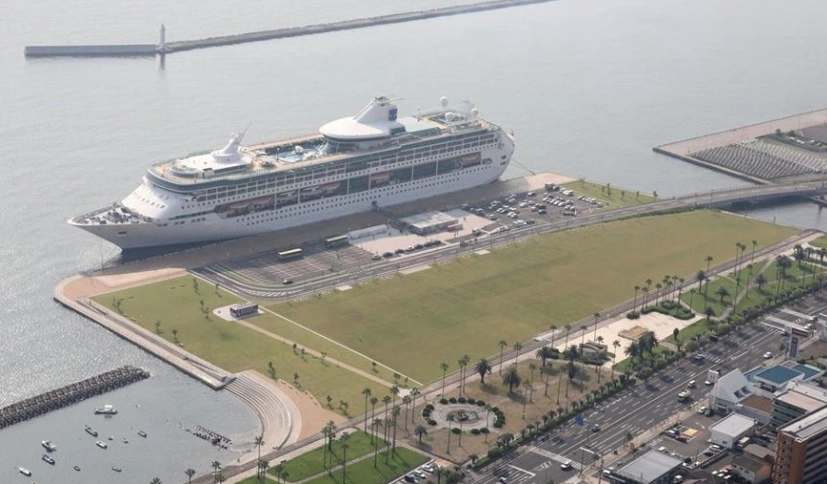
If you're at the Oita International Terminal (Oita City):
Your best bet is to head into Oita City or Beppu. Oita City itself is a pleasant regional capital, not a major tourist magnet, but it has its charms.
- Oita City: Check out the Oita City Art Museum if you like modern art. The Funai Castle ruins in Oita Park offer nice views. Mostly, it's a place to experience everyday Japanese city life, find a great local lunch (try the famous *toriten* chicken tempura), and shop.
- The Direct Route to Beppu: Most cruise passengers beeline for Beppu's hot springs. The "Hells" (Jigoku) tour is the classic. My personal favorite is the Kannawa area for its steamy, traditional atmosphere. You can do a quick foot bath at many places. Sand baths at Takegawara or the newer Beppu Beach Sand Bath are a unique must-try.
If you're at the Beppu Ferry Terminal:
You're already in the heart of the action. Dump your bags at a coin locker in Beppu Station (they have plenty) and explore.
Top picks within 20 minutes of the terminal:
- Beppu's Hells (Jigoku): The Umi Jigoku (Sea Hell) with its milky blue pool is iconic. It's touristy, yes, but cool to see.
- Beppu Ropeway: Take it up Mount Tsurumi for stunning views over Beppu Bay and the entire Oita port area—you can see the industrial side and the passenger terminals from above.
- Wander Kannawa: Just wandering the streets where steam rises from drains is an experience. Pop into a small, local onsen for a bath.
The Other Side of the Coin: Oita Port as an Industrial Powerhouse
Now, let's talk about what most visitors never see but is crucial to the local economy. The Oita Japan port isn't just about tourists. Look east from the passenger terminals, and you'll see a forest of cranes and miles of industrial quays. This is the Oita Port Industrial Complex, one of the largest in western Japan.
What flows through here? Everything. Imported coal and LNG for power plants. Iron ore and coking coal for the giant Nippon Steel mill you can see looming nearby. Exporting finished steel products, automobiles (Toyota has a plant nearby), and chemicals. It's a classic example of a keystone industrial port, supporting heavy industry that defines a region's economic base. The Japanese Ministry of Land, Infrastructure, Transport and Tourism (MLIT) classifies it as a "Major Port" and a "Specified Important Port," highlighting its national strategic role.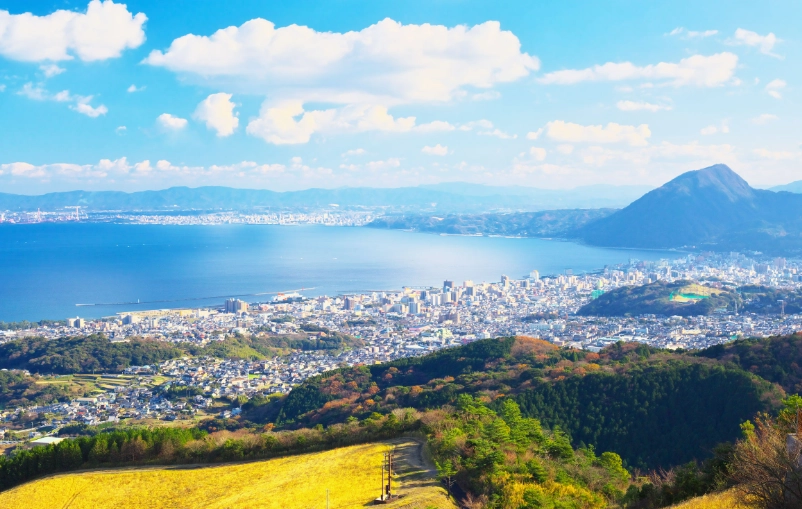
I took a drive along the industrial waterfront once. It's not pretty, but it's impressive in its scale and efficiency. The seamless movement from ship to storage yard to factory is a lesson in logistics. For businesses, this is the relevant Oita port. It offers deep-water berths for large carriers, dedicated terminals for different cargoes, and direct links to land transportation networks.
Key Facilities for Commerce
- Oita Central Wharf: Handles containers, general cargo, and RORO (roll-on/roll-off for cars).
- Multiple Specialized Piers: Dedicated coal piers, LNG terminals, and ore unloading facilities.
- Logistics Parks: Warehousing and distribution centers located just behind the port area, facilitating smooth transfer from ship to truck/train.
Frequently Asked Questions (The Stuff You Actually Search For)
For Travelers:
Q: Is Oita Port and Beppu Port the same thing?
A: This is the #1 confusion. In common travel parlance, often yes. The ferry port is in Beppu City and is frequently called "Beppu Port" or "Oita (Beppu) Port." The cruise port is in Oita City. Administratively, they are both part of the larger Oita Port complex. Always verify the specific terminal name on your ticket or itinerary.
Q: Can I walk from the Oita International Cruise Terminal to anything interesting?
A: Honestly, no. Not really. The immediate vicinity is port industry and offices. There's a small park and a view of the bay, but for sights, food, or shopping, you need transportation. This is the biggest downside of this terminal's location.
Q: Are there luggage storage facilities at the terminals?
A: The Beppu Ferry Terminal has coin lockers. The Oita International Terminal has a left-luggage service, typically operated when ships are in port (often by the tour operators). Your safest bet for the cruise terminal is to either take your luggage on your tour or use the ship's disembarkation luggage service if offered.
For Shippers & Business:
Q: What are the main advantages of using Oita Port for logistics?
A: Its deep-water capability for large bulk carriers, its integrated industrial complex (reducing intermediate transport), and its strategic location in Kyushu serving both local industry and as a gateway to other Asian markets. The support from the Oita Port Authority for new business is also cited as a plus.
Q: How are the port connections to inland and other Japanese regions?
A> Excellent. It's directly connected to the Oita Expressway and the National Route 10. The JR Nippo Main Line runs adjacent for rail freight. For regional distribution, it's very well positioned.
The Final Word: Is Oita Port Right for Your Trip or Business?
For the traveler, the Oita Japan port is a functional and generally efficient gateway. The Beppu ferry connection is wonderfully convenient. The cruise terminal experience is standard—not the most exciting port to wake up to, but it gets you to the region's wonders quickly with a bit of planning. Manage your expectations: this isn't a picturesque Mediterranean port town you wander from. It's a launchpad.
For the business or logistics professional, Oita Port presents a robust, industrial-scale facility with a clear focus on bulk materials and supporting heavy industry. Its efficiency and integration are its selling points. It's a specialist, not a generalist.
My own view? The port perfectly mirrors Oita Prefecture itself—practical, hard-working, underpinning the more glamorous tourist attractions with solid infrastructure. Understanding how it works, from the frantic taxi queue at the cruise terminal to the slow dance of the bulk unloaders, gives you a much fuller picture of this corner of Japan. It's more than just a dot on a map; it's the reason a lot of this place exists and thrives.
So next time you book that ferry or see Oita on a cruise itinerary, you'll know exactly what you're getting into. And maybe you'll even appreciate the view of those giant cranes as much as the hot spring steam.

Comments