You step off the train at Kamakura Station, and it hits you immediately. The frantic pace of Tokyo melts away, replaced by a slower, greener rhythm. Ancient cedar trees line the paths leading to centuries-old temples, the salty breeze from Sagami Bay carries the sound of temple bells, and the scent of roasting sweet potatoes mixes with incense. This isn't just a day trip from Tokyo; it's a journey back to the Japan of shoguns and samurai. I've been coming here for over a decade, and I still find new corners to explore. Let's get you beyond the postcard photo of the Great Buddha and into the real Kamakura.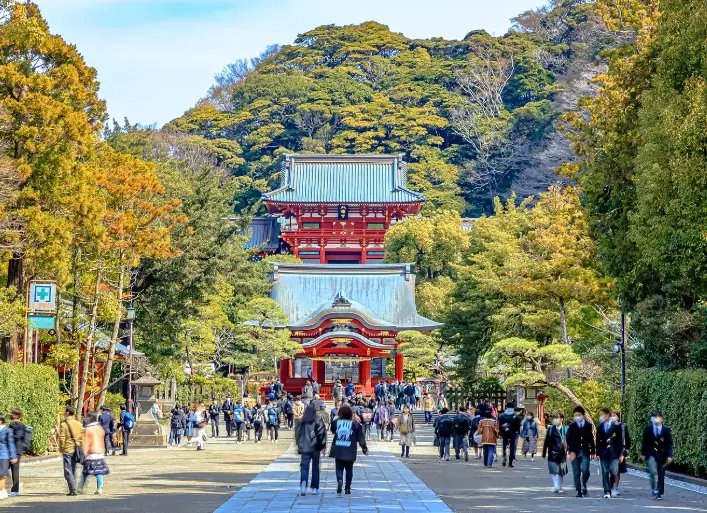
Your Kamakura Journey at a Glance
- Why Kamakura Should Be on Your Japan Itinerary
- Top 5 Must-Visit Kamakura Attractions
- Kamakura's Food Scene: Beyond the Tourist Traps
- Where to Stay in Kamakura: A Curated List
- How to Plan Your Perfect Kamakura Day Trip from Tokyo
- Kamakura Travel Tips from a Local Insider
- Frequently Asked Questions (FAQ)
Why Kamakura Should Be on Your Japan Itinerary
Kamakura was the political capital of Japan from 1185 to 1333. That history is etched into the landscape. You're not just visiting temples; you're walking through the seat of the first shogunate. What makes it special today is the blend. You can be contemplating a serene Zen garden at Kencho-ji in the morning and eating a modern, Instagram-worthy *shirasu* (whitebait) donburi for lunch by the beach in Enoshima an hour later. It's deeply historical yet effortlessly livable. For first-timers to Japan, it offers a digestible, concentrated dose of traditional culture without the overwhelming scale of Kyoto.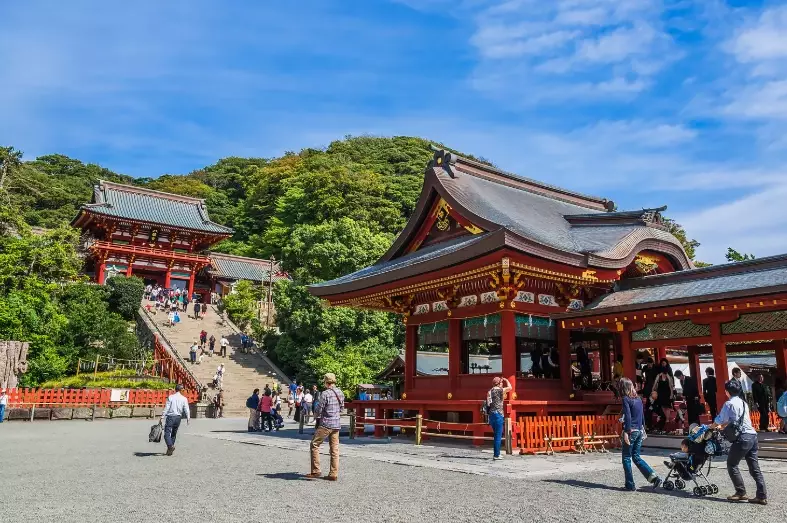
Top 5 Must-Visit Kamakura Attractions
Everyone knows the Great Buddha. It's magnificent. But if you only see that, you're missing the soul of the place. Here’s a mix of the iconic and the underrated.
The Great Buddha of Kamakura (Kotoku-in)
Address: 4 Chome-2-28 Hase, Kamakura, Kanagawa 248-0016
Hours: 8:00 AM - 5:30 PM (Apr-Sep), 8:00 AM - 5:00 PM (Oct-Mar)
Admission: 300 yen for adults to enter the grounds. An extra 20 yen lets you go inside the statue (worth it for the engineering glimpse).
Getting There: A 7-minute walk from Hase Station on the Enoden Line.
The sheer presence of this 13.35-meter bronze statue is humbling. Most people rush here first thing in the morning. That's exactly when the tour buses arrive. My advice? Visit late afternoon. The light is softer, the crowds have thinned, and you can actually sit and absorb the scene.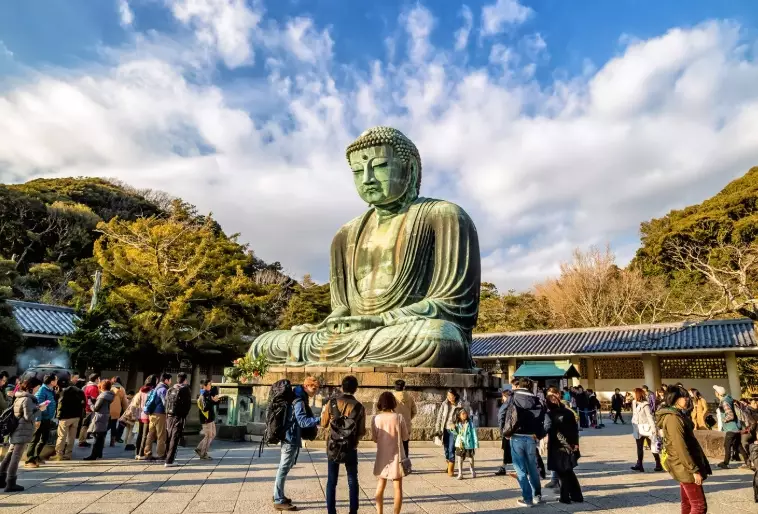
Hase-dera Temple (Hase Kannon)
Just a 5-minute walk from the Great Buddha, this temple is often treated as an afterthought. Big mistake. The main hall houses a stunning eleven-headed Kannon statue. But the real magic is in the gardens and the view.
Address: 3 Chome-11-2 Hase, Kamakura, Kanagawa 248-0016
Hours: 8:00 AM - 5:30 PM (Mar-Sep), 8:00 AM - 5:00 PM (Oct-Feb)
Admission: 400 yen
Walk up to the observation deck. You'll get a panoramic view of Kamakura city and the coastline that will make you forget the climb. The hydrangea garden in June is a local secret that rivals the more famous ones.
Tsuruoka Hachimangu Shrine
This is the spiritual heart of Kamakura. Founded by Minamoto no Yoritomo, the first shogun, it's grand and spacious. The approach is along a wide, tree-lined path called Dankazura. Come here to see how a major Shinto shrine functions—you might catch a traditional wedding or a purification ceremony.
Address: 2 Chome-1-31 Yukinoshita, Kamakura, Kanagawa 248-0005
Hours: Gates open from sunrise to sunset. Main buildings approx. 8:30 AM - 4:30 PM.
Admission: Free to enter the grounds. Treasure Hall has a separate fee (200 yen).
Getting There: A 10-minute walk from Kamakura Station (East Exit).
The Zen Temples of Kencho-ji and Engaku-ji
If you want Zen meditation, head to Kencho-ji, the oldest Zen training monastery in Japan. The Sanmon gate and the main hall are imposing. Engaku-ji, a short walk away, feels more intimate and is home to a famous relic, a tooth of the Buddha. The grounds are a masterclass in landscape design. Visiting both gives you a full picture of Kamakura's Zen heritage. Admission is 500 yen for Kencho-ji, 300 yen for Engaku-ji.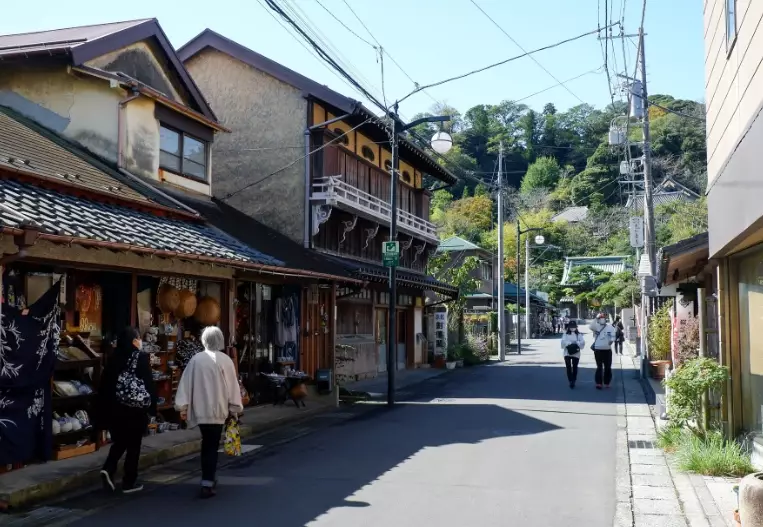
A Walk on Yuigahama Beach & the Enoden Line
This isn't a temple, but it's essential. The Enoden train line is a character itself—a tiny train that trundles between Kamakura and Fujisawa, skirting the coastline. Get off at any station between Kamakura and Enoshima for beach access. Yuigahama Beach is where locals surf and families picnic. In summer, it's lively with beach shacks. In winter, it's starkly beautiful. Riding the Enoden, especially the section between Inamuragasaki and Kamakurakoko-mae, feels like you're in a Studio Ghibli film.
Kamakura's Food Scene: Beyond the Tourist Traps
The area around Komachi-dori, the main shopping street from Kamakura Station, is packed with food stalls and restaurants. It's fun, but it's also where you'll find the most generic and overpriced snacks. Venture a block or two away.
For Local Flavor: Look for shops selling shirasu (tiny white fish). The classic is shirasu-don (bowl of rice topped with fresh or boiled shirasu). A reliable, no-frills spot is Matsubara-an near Hase Station. A bowl costs around 1,200 yen. For a more modern take, Pacific in Yuigahama does a great shirasu pizza.
Sweet Treats: Kamakura is famous for hato sabure (dove-shaped butter cookies). The original shop, Toshimaya, has been selling them since 1934. They make a perfect souvenir. For a sit-down dessert, find a matcha (green tea) parlor. The bitterness of high-quality matcha paired with a sweet wagashi (Japanese confectionery) is an experience.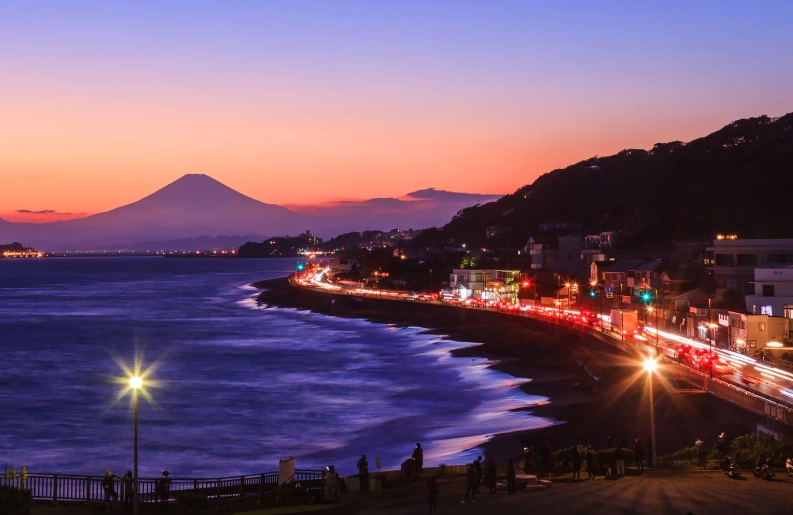
My Personal Favorite Lunch Spot: Bills in Shichirigahama. Yes, it's an Australian chain. Hear me out. It has, without exaggeration, one of the best ocean views from any restaurant in the Kanto region. Their ricotta hotcakes are legendary, but their savory lunch menu is excellent too. It's not cheap (a main dish is 1,800-2,500 yen), but you're paying for that view. Reserve a window seat online.
Where to Stay in Kamakura: A Curated List
Most people visit Kamakura on a day trip, but staying overnight transforms the experience. After the last train leaves, the town becomes quiet and magical. Here are options for different styles and budgets.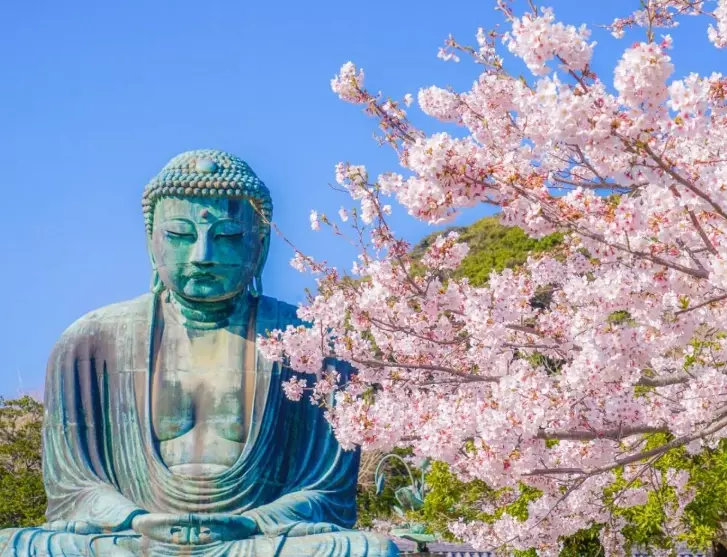
| Property | Location & Address | What's Special | Price Range (per night) |
|---|---|---|---|
| Kamakura Park Hotel | Near the beach. 33-6 Sakanoshita, Kamakura. | Western-style luxury with stunning ocean views and multiple on-site restaurants. Feels like a resort. | $$$ (30,000 - 50,000 yen) |
| Guesthouse IROHA | Residential area, 5-min walk from Kita-Kamakura Station. | A beautiful, traditional Japanese house converted into a guesthouse. Tatami rooms, shared kitchen. Authentic and social. | $ (4,000 - 7,000 yen) |
| Hotel Metropolitan Kamakura | Directly connected to Kamakura Station (West Exit). | The ultimate in convenience. Modern business hotel comforts. Perfect if you're using Kamakura as a base for multiple day trips. | $$ (12,000 - 20,000 yen) |
| Kamejikan | In the heart of town. 2-14-7 Komachi, Kamakura. | A charming, small ryokan (Japanese inn) with a lovely garden and in-room meals available. Personal service. | $$$ (25,000 - 40,000 yen with meals) |
How to Plan Your Perfect Kamakura Day Trip from Tokyo
This is the classic, efficient one-day itinerary I recommend to friends. It balances history, culture, food, and that iconic coastal vibe.
Morning (9:00 AM - 12:30 PM): Take the JR Yokosuka Line from Tokyo Station or Shinagawa Station directly to Kita-Kamakura Station (about 60 minutes). Start your day at the serene Engaku-ji temple. Walk the 10 minutes to Kencho-ji. Explore its grounds thoroughly. Then, walk 15 minutes downhill to Tsuruoka Hachimangu Shrine.
Lunch (12:30 PM - 2:00 PM): Head to Komachi-dori or a side street for lunch. Grab a quick shirasu-don or find a soba noodle shop.
Afternoon (2:00 PM - 5:00 PM): From Kamakura Station, take the Enoden Line to Hase Station (about 5 minutes). Visit Hase-dera Temple first for the view. Then, walk to the Great Buddha. Afterward, if you have energy, hop back on the Enoden for one stop to Gokurakuji Station and walk to the quiet Zeniarai Benten shrine, where you can wash your money for good luck.
Late Afternoon/Evening (5:00 PM onwards): Take the Enoden to Enoshima (the end of the line). Walk across the bridge to the island, explore the caves and shrines, and watch the sunset from the Sea Candle observation tower. Have dinner at one of the many seafood restaurants before taking the Odakyu Enoshima Line back to Shinjuku or the JR train back to Tokyo.
Kamakura Travel Tips from a Local Insider
- The Crowd Hack: Reverse the standard route. Most day-trippers go from Kamakura Station to Hase. Start at Kita-Kamakura in the morning when it's quiet, and work your way south. You'll be against the flow.
- Transport Passes: The Enoshima-Kamakura Free Pass from Odakyu Railways (starting from Shinjuku) is fantastic value if your plan involves a lot of Enoden riding and Enoshima. If you're coming on the JR line from Tokyo, just use your IC card (Suica/Pasmo). It's simpler.
- Footwear is Everything: You will walk on uneven stone paths, gravel, and slopes. Wear your most comfortable walking shoes. Sandals or fashion sneakers will ruin your day.
- Cash is King (Mostly): While major stations and some restaurants take cards, many small temples, food stalls, and family shops are cash-only. Always have at least 5,000 yen in cash on you.
- Check the Calendar: Avoid national holidays and weekends if you can. The difference in crowd levels is staggering. If you must go on a weekend, the early morning strategy is your only friend.




Comments