Your Quick Guide Map
- Before You Book Anything: The Foundational Stuff
- Crafting Your Perfect Japan Itinerary: From 7 Days to 3 Weeks
- Navigating Japan: Trains, Planes, and... Really Good Shoes
- Where to Stay: From Pods to Palaces
- Eating & Drinking: A Culinary Deep Dive
- Culture & Etiquette: Don't Be *That* Tourist
- Your Japan Travel FAQ (Stuff You Actually Google)
- Packing Smart: What You Actually Need
- Final Thoughts: Embracing the Journey
Let's be honest. Planning a trip to Japan can feel overwhelming. You've got the iconic images in your head – neon-lit Tokyo streets, serene Kyoto temples, steaming bowls of ramen – but then you start digging and get hit with a wall of information. When's the best time to go? How much will it really cost? What's the deal with the JR Pass now? I remember my first time planning a trip to Japan. I spent weeks jumping between a dozen different blogs and forums, feeling more confused by the minute.
Well, I've been back several times since, made all the classic mistakes (who knew you couldn just walk into an onsen with tattoos?), and figured out a thing or two. This guide is the one I wish I'd had. We're going to cut through the noise and get into the practical, usable stuff that actually helps you plan an amazing adventure. Whether it's your first time or you're a returning visitor looking to dig deeper, this is your roadmap.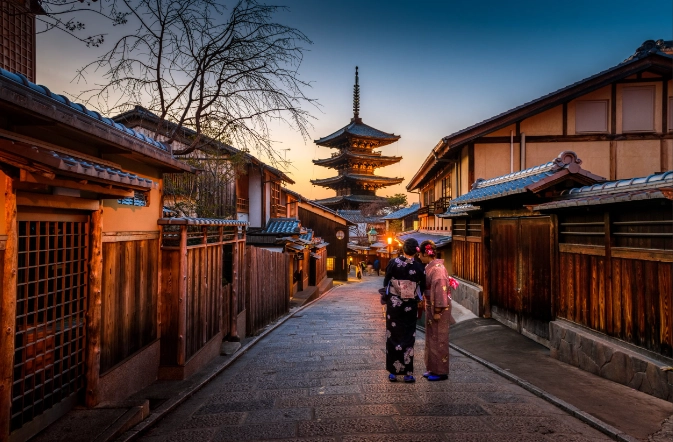
Before You Book Anything: The Foundational Stuff
Jumping straight to booking flights and hotels is tempting, but hold on. Get these big decisions right, and your entire trip to Japan becomes smoother.
When to Go? Spoiler: There's No "Perfect" Time
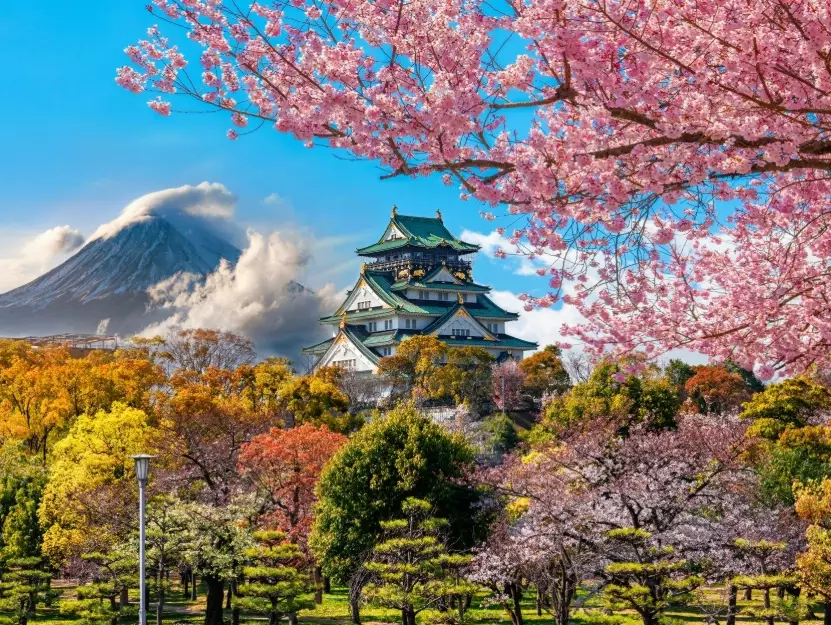
Every season in Japan has its fierce advocates and detractors. Cherry blossom season (late March to early April) is magical but also packed and expensive. The summer (June-August) is brutally hot and humid, but full of incredible festivals (matsuri). Autumn (October-November) has stunning foliage and pleasant weather – it's my personal favorite. Winter (December-February) means fantastic skiing in Hokkaido and fewer crowds in cities, but some rural areas can be very quiet.
Here’s a quick seasonal breakdown to help you decide based on your priorities:
| Season | Months | Highlights | Downsides | Best For... |
|---|---|---|---|---|
| Spring | Mar - May | Cherry blossoms, mild weather, Golden Week (late Apr/early May) | Peak crowds, highest prices, unpredictable "cherry blossom front" timing | Photographers, first-timers wanting the classic view |
| Summer | Jun - Aug | Vibrant festivals (Gion Matsuri, Tenjin), hiking, beaches | Intense heat & humidity, rainy season (June-July), typhoon risk | Festival lovers, mountain explorers |
| Autumn | Sep - Nov | Stunning fall colors, comfortable temps, great food | Can be busy for foliage (Nov), weather starts to cool | Hikers, foodies, photographers (again) |
| Winter | Dec - Feb | Snow festivals, skiing, onsens, low crowds in cities, illuminations | Cold, some attractions have shorter hours, rural transport can be limited | Skiers, budget travelers, onsen enthusiasts |
The Budget Question: Can You Travel to Japan on a Budget?
Yes, absolutely. The myth of Japan being prohibitively expensive needs to die. It's a country of extremes – you can spend $500 on a single sushi meal or have an incredible bowl of ramen for $8. Your biggest costs will be flights, accommodation, and long-distance transport. Food and daily activities can be very reasonable if you know where to look.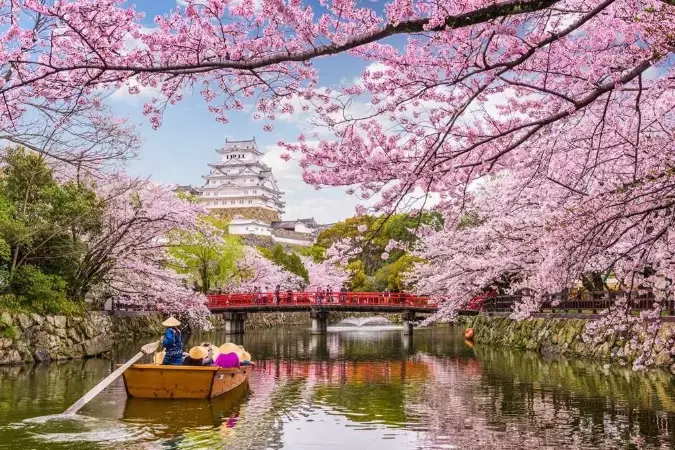
Let's talk about the JR Pass, because the 2023 price hike changed the game. It used to be a no-brainer for almost any multi-city trip. Now, you really need to do the math. Use the official Japan Rail Pass calculator or a tool like Japan Guide's fare calculator. For a classic Tokyo-Kyoto-Hiroshima-Tokyo loop, it still usually works out. But for a simpler Tokyo-Kyoto-Osaka trip, you might break even or even lose money. Regional passes (like the JR Kansai Area Pass or JR Hokkaido Pass) are now often the smarter choice.
Crafting Your Perfect Japan Itinerary: From 7 Days to 3 Weeks
This is where the fun begins. The biggest mistake is trying to see too much. Japan's cities are dense and tiring to navigate, and train travel, while efficient, eats up more time than you think. My rule of thumb? Give major cities at least 3 full days, and add a travel day between them.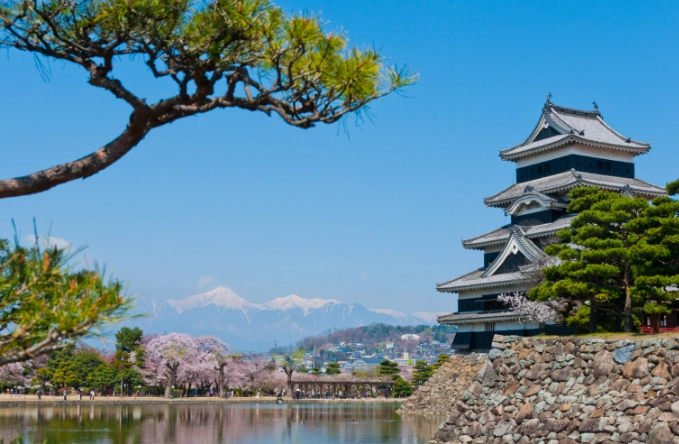
The Classic First-Timer Route (10-14 Days)
This is the golden route for a reason. It hits the iconic contrasts of Japan.
- Tokyo (4-5 days): Don't just stay in Shinjuku/Shibuya. Spend a day in Asakusa and Ueno for old Tokyo vibes, another in Akihabara and Ginza for modern extremes. A day trip to Kamakura or Nikko is highly recommended.
- Travel to Kyoto (Travel Day): Take the Shinkansen. It's an experience in itself. Drop your bags at your hotel and just explore the neighborhood that evening.
- Kyoto (3-4 days): Temples are amazing, but temple fatigue is real. Space them out. Mix in Fushimi Inari (go early!), Arashiyama Bamboo Grove (go very early!), and Gion with experiences like a tea ceremony or a cooking class. Use buses and bikes – the subway is limited here.
- Osaka (2-3 days): Often treated as a day trip from Kyoto, but it deserves a stay. It's Japan's kitchen! Dotonbori at night is pure energy. Use it as a base for Nara (deer park, Todai-ji Temple) and Hiroshima/Miyajima if you have extra time.
If You Have More Time: Going Deeper
Once you've done the classics, these additions are incredible.
- Hiroshima & Miyajima: A profoundly moving and beautiful addition. Miyajima's "floating" torii gate is a must-see. This is a 2-3 day side trip from Osaka/Kyoto.
- Japanese Alps (Takayama, Kanazawa, Shirakawa-go): For traditional towns, stunning mountain scenery, and preserved thatched-roof villages. Perfect between Tokyo and Kyoto on a longer trip.
- Hokkaido: A world apart. Vast wilderness, incredible seafood, and world-class skiing in winter. Requires significant time (a week+) due to its size.
- Okinawa: For a tropical, beachy vibe with a unique Ryukyu culture. Great for a relaxing end to a trip.
Navigating Japan: Trains, Planes, and... Really Good Shoes
The logistics are what scare people. They shouldn't. Japan's system is designed for efficiency, even if it looks complex at first.
The Train System Demystified
You have Shinkansen (bullet trains) for long distances, limited express trains for regional travel, local trains, and then a web of subways and private lines in cities. Google Maps is your absolute best friend here. It will tell you platform numbers, departure times, and even which car to board for the smootest exit at your destination.
Staying Connected: WiFi vs. SIM vs. Pocket WiFi
You need data. Full stop. For navigation and translations.
- Pocket WiFi: Rented at the airport, good for groups sharing one device. You have to carry and charge it.
- Travel SIM Card: My preferred choice. Buy at the airport (softbank/docomo shops) or order online for pickup. Pop it in your phone, and you're done. Ubigi and Sakura Mobile are great options for eSIMs if your phone supports it – you can set it up before you even land.
- Free Public WiFi: Exists in many convenience stores (7-Eleven, FamilyMart) and stations, but it's often slow and requires registration. Don't rely on it.
Where to Stay: From Pods to Palaces
Accommodation is a huge part of the experience. Don't just default to international hotel chains.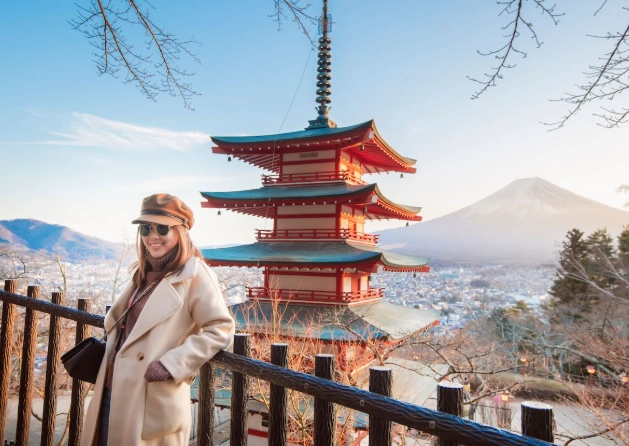
Business Hotels (Toyoko Inn, APA, Dormy Inn): The workhorses. Small, clean, efficient rooms, often with free breakfast and late-night ramen. Fantastic value and locations. The bathrooms are usually prefab plastic units, but they're spotless.
Ryokans: The quintessential Japanese experience. You sleep on a futon on tatami mats, wear a yukata, and enjoy multi-course kaiseki meals. They range from affordable family-run places to astronomical luxury ones. At least one night in a ryokan, preferably with an onsen, is a must. Hakone, Kusatsu, and Kinosaki are famous onsen towns built for this.
Capsule Hotels: An experience in minimalist living. More spacious than you think, and surprisingly quiet. Great for solo travelers on a budget or for a single night if you miss your last train (a common occurrence!). Many are men-only, but women-only and mixed ones exist – check carefully.
Hostels & Guesthouses: The social and budget option. Japan has some of the cleanest, most well-designed hostels in the world. Great for meeting other travelers.
Eating & Drinking: A Culinary Deep Dive
Food might be the best reason to travel to Japan. But it's not just about high-end sushi.
How to Eat Well (Without Breaking the Bank)
- Lunch is King: Many high-end restaurants offer spectacularly priced set lunches (teishoku) that are a fraction of the dinner price. This is your hack for trying fancy places.
- Convenience Stores (Konbini) are Lifesavers: 7-Eleven, FamilyMart, Lawson. Their prepared food is fresh, delicious, and cheap. Onigiri (rice balls), sandwiches, salads, hot snacks. Perfect for breakfast, a quick lunch, or a late-night snack. The egg salad sandwich is a cult classic for a reason.
- Department Store Basements (Depachika): Food halls in the basement of stores like Isetan or Takashimaya. It's a paradise of takeaway gourmet food, perfect for assembling a picnic or a feast in your hotel room.
- Ramen & Gyudon Chains: Ichiran, Ippudo, Yoshinoya, Sukiya. Quick, cheap, delicious, and often involve fun vending machine ordering.
Navigating Restaurants: The Unwritten Rules
You'll rarely get a bad meal, but knowing the etiquette helps.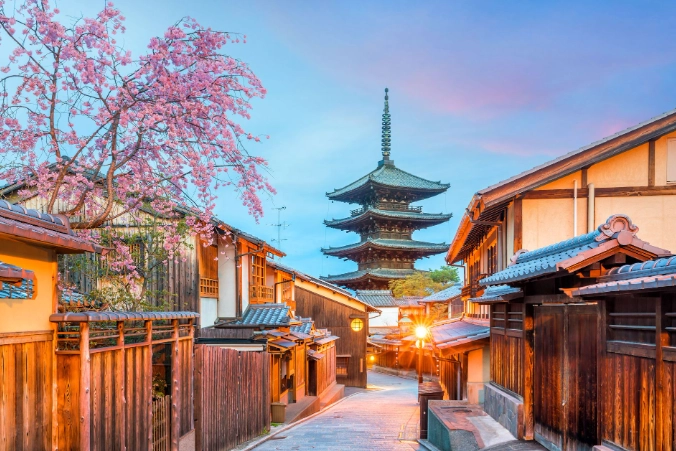
- Greeting: Say "Irasshaimase!" when you enter. It's a welcome.
- Ordering: No shouting for the waiter. Catch their eye with a slight nod or say "Sumimasen" (excuse me) politely.
- Drinks: It's polite to pour drinks for others, not yourself. Let someone refill your glass, then reciprocate.
- Slurping: For noodles (ramen, soba, udon), slurping is encouraged! It cools the noodles and enhances the flavor. Really.
- Paying: Rarely do you pay at the table. Take the bill to the register near the exit. Cash is still king in many small places, though credit cards are widely accepted in cities.
- Tipping: Do not tip. It can be considered rude. Excellent service is the standard and is not monetarily rewarded.
Culture & Etiquette: Don't Be *That* Tourist
Japanese people are incredibly forgiving of tourists, but making an effort goes a long way. It's about respect.
- Onsens & Sento (Public Baths): The rules are strict but simple. Wash thoroughly at the shower station before you get in the bath. No soap, no towels in the water. Tie long hair up. Tattoos can be a problem—many places ban them. Look for "tattoo-friendly" onsens or cover small ones with waterproof patches. The official Japan National Tourism Organization guide to onsens is an excellent resource.
- Money & Gifting: Money should be passed and received with both hands. When buying gifts (omiyage), it's the thought that counts. Beautifully packaged local sweets from your hometown or a famous store are perfect.
- On Trains & Buses: Silence your phone. No calls. Speak quietly. Priority seats are for elderly, pregnant, and disabled people—avoid them if you can. On crowded trains, take off your backpack and hold it by your feet.
- Trash: Public trash cans are surprisingly rare. Carry a small bag for your trash and dispose of it at your hotel or a convenience store. Recycling is taken seriously.
Your Japan Travel FAQ (Stuff You Actually Google)
Let's tackle those random, nagging questions.
Packing Smart: What You Actually Need
Overpacking is the enemy. You'll be hauling your bag on and off trains, up and down subway stairs.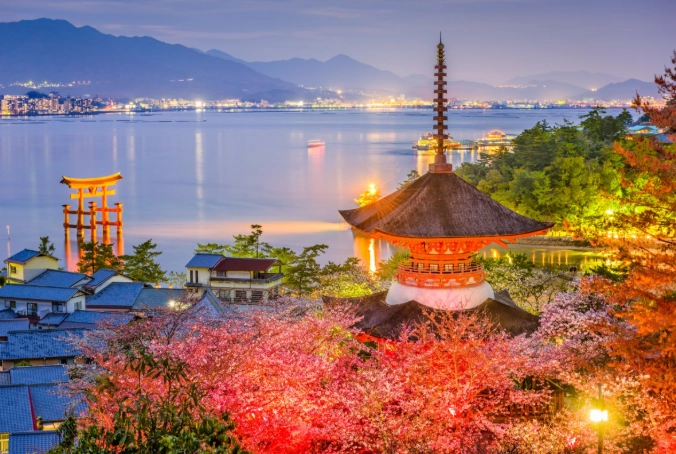
- Comfortable, slip-on shoes: You'll be taking them off constantly at temples, ryokans, and some restaurants.
- A small coin purse: You will accumulate hundreds of 1, 5, 10, 50, 100, and 500 yen coins. They are useful for vending machines, lockers, and buses.
- Handkerchief or small towel: Many public restrooms don't have paper towels or dryers.
- Portable power bank: You'll be using your phone for maps and photos all day.
- Deodorant from home: Japanese deodorant is often less strong, and the summer humidity is no joke.
- Medicine you rely on: With clear labeling. Some common Western medicines are restricted or unavailable.
Leave room in your suitcase. You will buy stuff—great snacks, unique souvenirs, maybe some clothes.
Final Thoughts: Embracing the Journey
Planning a trip to Japan is part of the fun. But remember, the best moments often aren't on the itinerary. It's the random conversation with a shopkeeper who offers you a sample of a local sweet. It's getting lost down a tiny side street in Kyoto and finding a perfect, empty temple garden. It's the sheer relief and bliss of sinking into a steaming onsen after a long day of walking.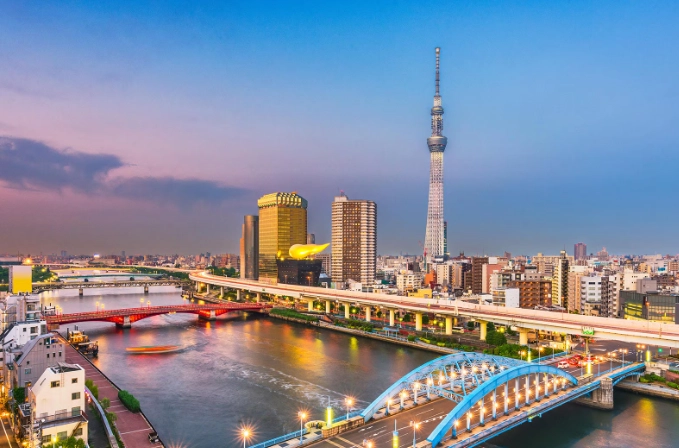
Japan is a place that rewards curiosity and patience. The systems work. The people are kind. The food is unbelievable. Do your homework with this guide, but then allow yourself to be surprised. Your trip to Japan will stay with you long after you've returned home. It's that kind of place.
Now, stop reading and start booking. Your adventure awaits.
Comments