Kyoto is overwhelming. With over 1600 temples, countless shrines, and historic districts sprawling across hills and rivers, first-time visitors often make a critical mistake: they try to see everything. After a decade of guiding friends and living part-time in the city, I've learned that a great Kyoto trip isn't about quantity; it's about strategic selection. Forget the endless lists. Here are the 10 non-negotiable places that deliver the quintessential Kyoto experience—the serene, the iconic, the profound—along with the nitty-gritty details you need to plan effectively.
Your Kyoto Sightseeing Roadmap
- 1. Kinkaku-ji (The Golden Pavilion)
- 2. Fushimi Inari Taisha
- 3. Kiyomizu-dera
- 4. Arashiyama Bamboo Grove & Tenryu-ji
- 5. Gion & Higashiyama Historic Districts
- 6. Nijo Castle
- 7. The Philosopher's Path
- 8. Sanjusangendo Hall
- 9. Nishiki Market
- 10. Byodo-in Temple (Day Trip to Uji)
- Kyoto Trip Planning: Your FAQs Answered
1. Kinkaku-ji (The Golden Pavilion)
Let's get the postcard icon out of the way first. Yes, it's crowded. Yes, the path is one-way and you can't enter the building. But standing before that gold-leaf-coated pavilion reflecting perfectly in the mirror pond is a moment that defines Kyoto. It's smaller than you imagine, but the visual impact is immense. The secret? Go on a weekday, right when it opens at 9:00 AM, or about 90 minutes before closing. The light is softer, and the crowds are thinner.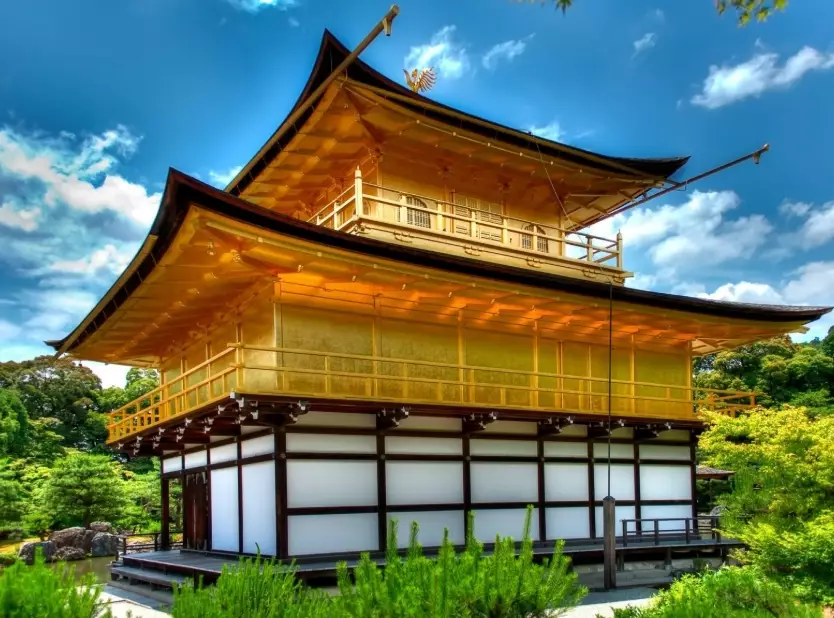
Most people snap their photo and leave. Take an extra five minutes to walk through the serene Sekka-tei tea house in the rear gardens. It offers a completely different, quiet perspective.
2. Fushimi Inari Taisha
This is the shrine with thousands of vermilion torii gates winding up a forested mountain. The initial crowded path behind the main hall is what everyone sees on Instagram. The common error is turning back after the first dense section. The real magic starts after the Yotsutsuji intersection, about halfway up. The crowds vanish, the gates become more sporadic, and you'll find quiet sub-shrines and viewing platforms over Kyoto.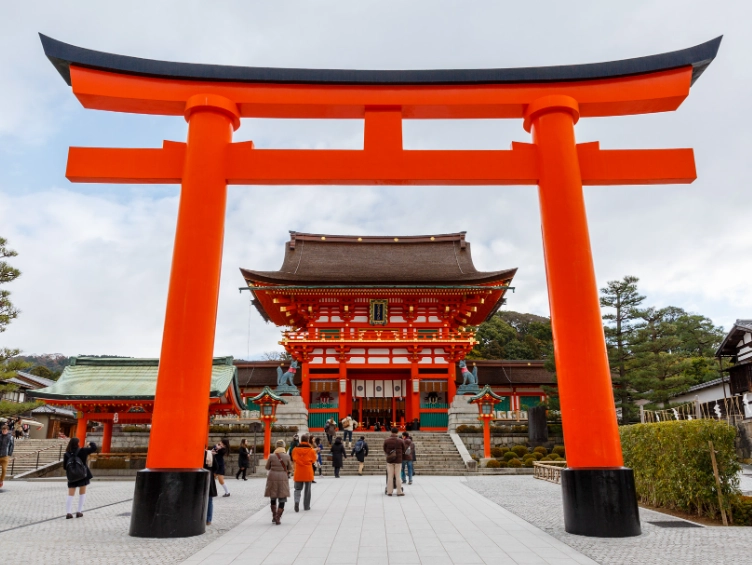
Wear good shoes. The full hike takes 2-3 hours round trip. You don't need to do it all, but going beyond the first crowded stretch is non-negotiable for the authentic experience.
3. Kiyomizu-dera
Perched on wooden stilts overlooking the city, Kiyomizu-dera offers the best panoramic view of Kyoto. The main hall's veranda is iconic. The temple complex is vast, with several sub-temples and the famous Otowa Waterfall, where visitors drink from three streams for health, longevity, or success. A tip: the entrance fee recently increased to 400 yen, and the main hall is under long-term renovation (until 2024/2025) and covered by a large facade. The view is still spectacular, and the scaffolding is impressively designed to look like a traditional structure.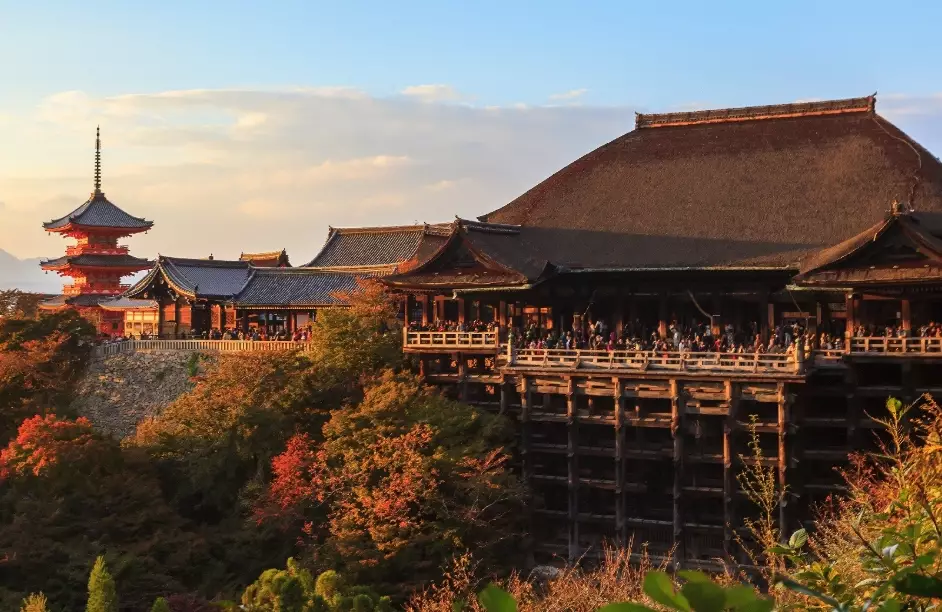
Combine this with a walk through Ninenzaka and Sannenzaka streets below—they are part of the experience.
4. Arashiyama Bamboo Grove & Tenryu-ji
The Arashiyama Bamboo Grove path is another victim of its own beauty. It's a 10-minute walk that gets packed by 9 AM. To enjoy it, you have two options: be there by 7:30 AM, or focus on the surrounding area, which is far more rewarding. Tenryu-ji Temple, a UNESCO site right next to the grove, has one of Kyoto's finest landscape gardens, designed around a central pond with borrowed scenery from the Arashiyama mountains.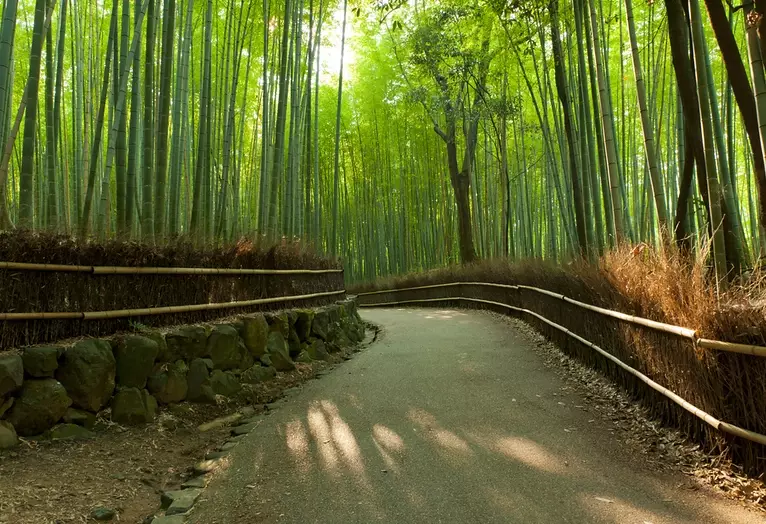
Don't just do the bamboo and leave. Cross the Togetsukyo Bridge, explore the riverside, and consider the Iwatayama Monkey Park for a city view from above.
5. Gion & Higashiyama Historic Districts
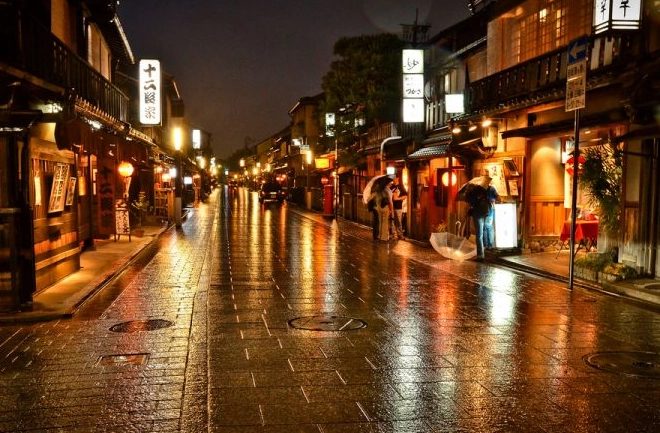
This isn't a single ticketable attraction; it's the heart of old Kyoto. Gion (the famed geisha district) and the preserved streets of Higashiyama (like Sannenzaka) are where you feel the history. Wooden machiya houses, traditional shops, and lantern-lit alleys. The mistake is expecting to see geiko (Kyoto geisha) easily. They are working artists, not tourist displays. You might spot one scurrying to an appointment around dusk on Hanamikoji Street, but be respectful—no blocking their path or aggressive photography.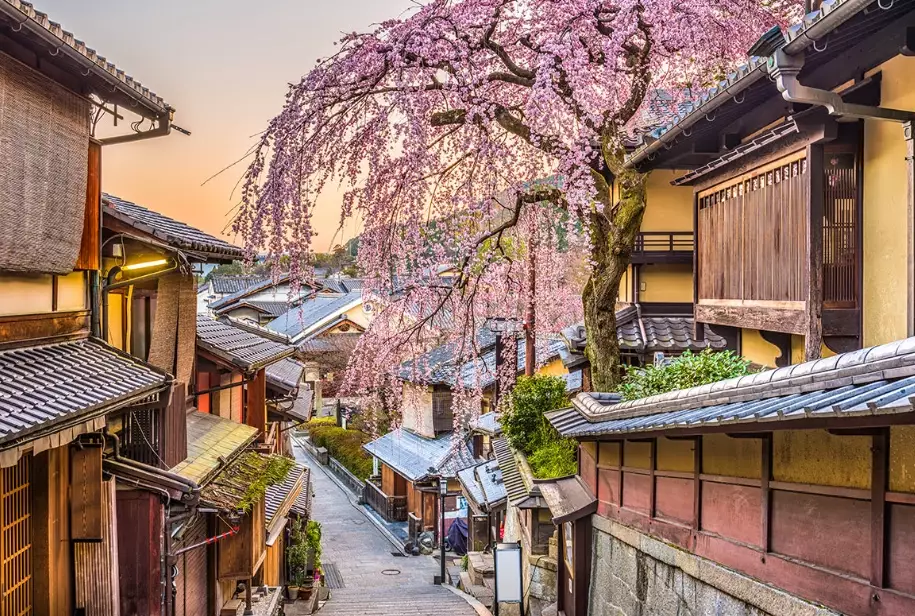
6. Nijo Castle
For a change from temples, Nijo Castle offers political history. Built by Tokugawa Ieyasu in 1603, it's a symbol of shogun power. The main attraction is the Ninomaru Palace, with its “nightingale floors” that chirp when walked on—a built-in security system against intruders. The gardens are classic Japanese landscape design. It's centrally located and rarely as crowded as the major temples.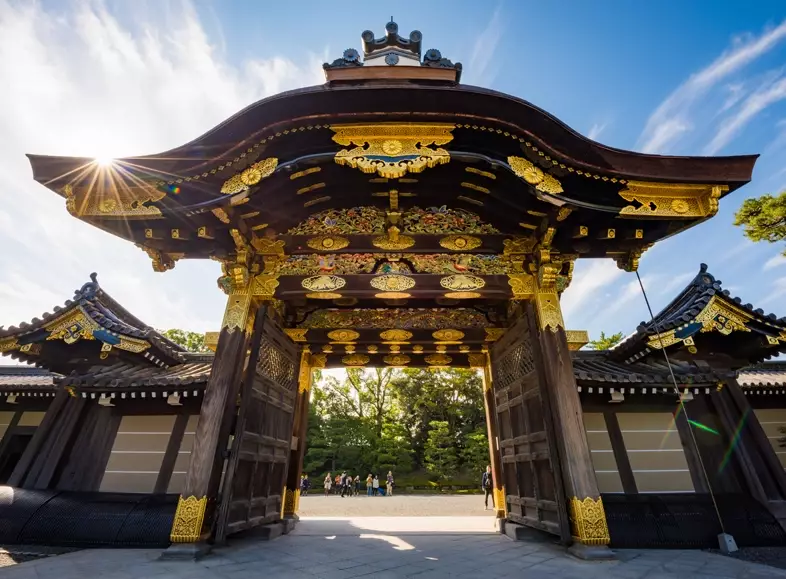
7. The Philosopher's Path
This two-kilometer stone path along a canal is lined with hundreds of cherry trees. In peak bloom (early April), it's sublime. Outside of spring, it's a wonderfully peaceful walk connecting several significant temples, like Honen-in and Ginkaku-ji (the Silver Pavilion). Most people rush to Ginkaku-ji. Instead, start at the southern end near Nanzen-ji, walk north, and pop into the smaller, often-free temples along the way. They are gems without the crowds.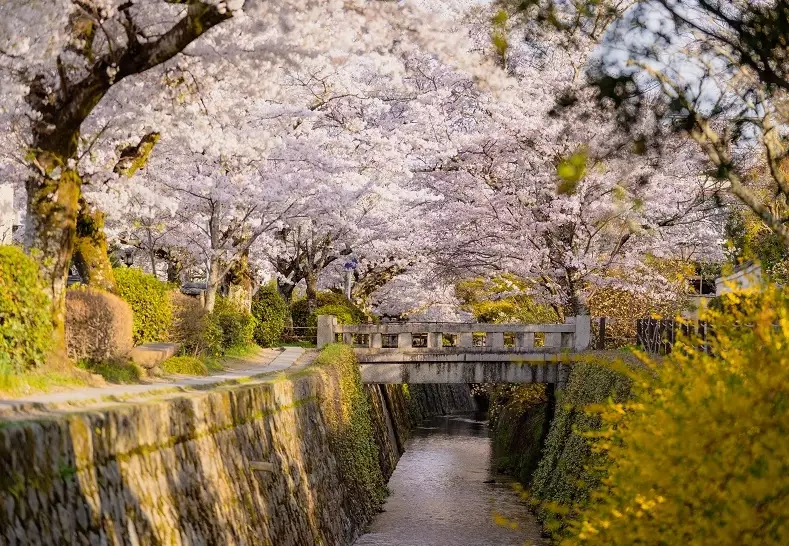
8. Sanjusangendo Hall
This temple is an underrated showstopper. Inside the 120-meter-long wooden hall sit 1001 life-sized, gold-leafed statues of Kannon, the goddess of mercy. Flanked by 28 guardian deities, the sheer scale and artistry are breathtaking. It's dark, quiet, and photography is forbidden inside, which forces a truly contemplative experience. It's near Kyoto Station, making it a perfect first or last stop.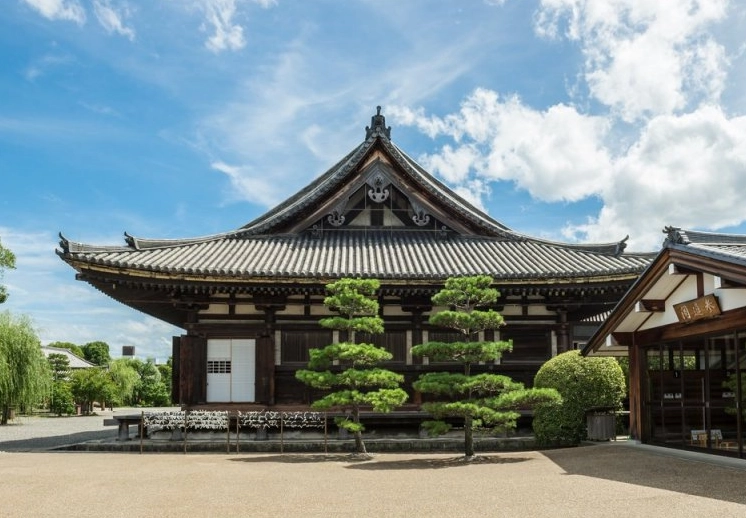
9. Nishiki Market
Known as “Kyoto's Kitchen,” this narrow, covered market street spans five blocks. It's not just for tourists; locals shop here for high-quality ingredients. You'll find everything from pickles and fresh tofu to grilled seafood skewers and Japanese sweets. Come hungry for lunch. Try a piece of tamagoyaki (sweet omelet), a scallop grilled with butter, or some mochi. Go early to avoid the worst of the midday squeeze.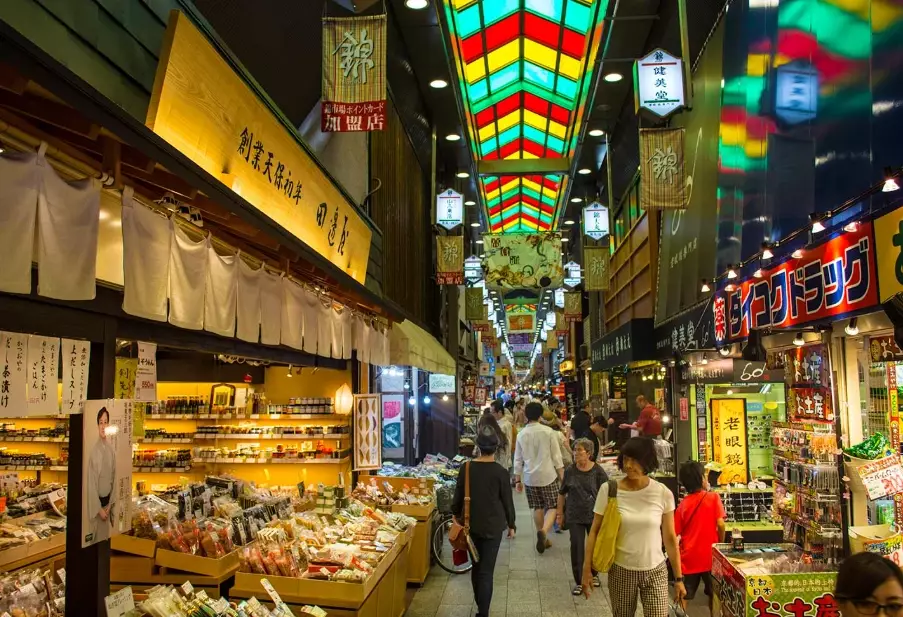
10. Byodo-in Temple (Day Trip to Uji)
Venture 30 minutes south to the city of Uji, famous for green tea and this stunning temple. The Phoenix Hall, featured on the 10-yen coin, appears to float on a pond. It's a masterpiece of Heian-period architecture. Uji itself is a pleasant break from Kyoto's intensity. Visit a tea house, stroll along the Uji River, and try matcha everything. It makes for a perfect half-day excursion.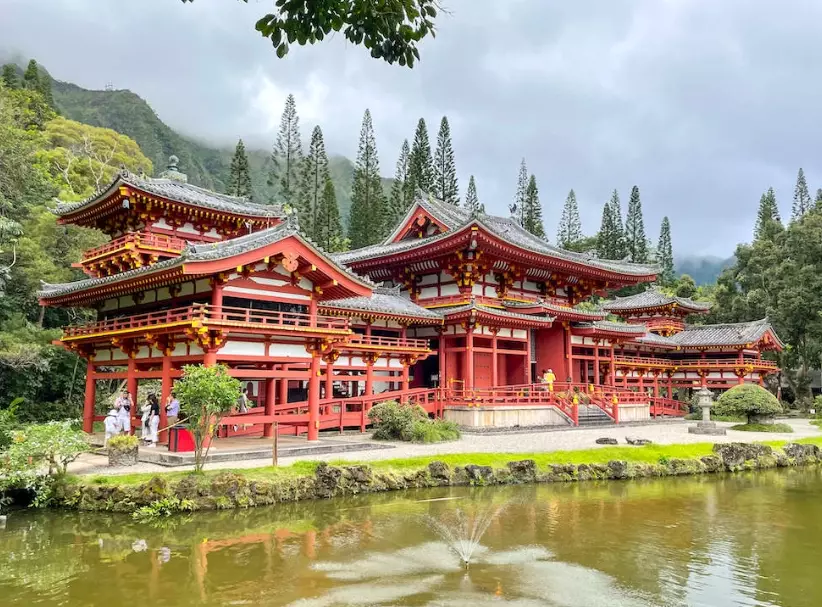
Kyoto Trip Planning: Your FAQs Answered
Kyoto's beauty is layered and profound. This list prioritizes diversity—the golden icon, the mountain hike, the historic walk, the quiet contemplation, the market energy. Use it as a framework, not a rigid checklist. Move slowly, start early, and leave time to get lost in the spaces between these famous names. That's where you'll often find your own personal Kyoto.

Comments