Your Shikoku Journey at a Glance
Everyone talks about Tokyo, Kyoto, and Osaka. But if you want to see a Japan that feels untouched, where ancient pilgrim trails wind through misty mountains and locals greet you with genuine curiosity, you go to Shikoku. It’s Japan’s fourth-largest island, often skipped by first-timers, and that’s exactly its charm. This isn't a guide that just lists temples. It’s the guide I wish I had before my first confusing, wonderful trip there—a mix of practical logistics, food you can’t miss, and a few mistakes you should avoid.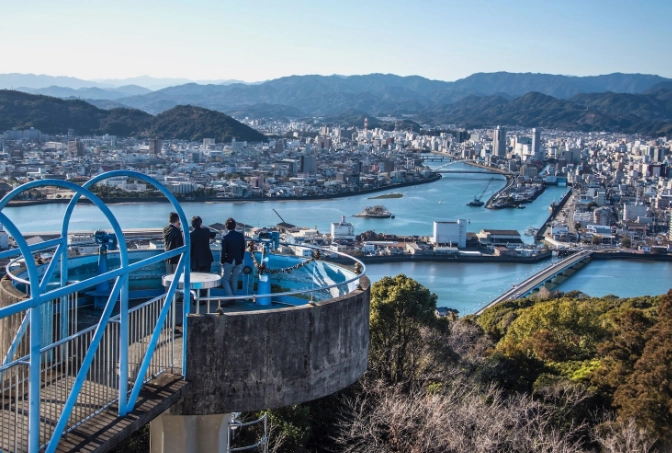
Why Visit Shikoku? The Undiscovered Japan
Shikoku is split into four prefectures, each with a distinct personality. Tokushima is wild and known for its insane Awa Odori dance festival. Kochi is rugged, with fantastic seafood and a castle that feels real, not restored. Ehime, on the west coast, is famous for citrus fruits and Dogo Onsen, one of Japan's oldest bathhouses. Kagawa, the northern gateway, is the udon noodle kingdom.
The famous 88 Temple Pilgrimage (Shikoku Henro) loops around the island. You don't need to be a pilgrim to feel its spiritual vibe. Just seeing the white-closed walkers (henro) with their conical hats is a unique sight. But beyond the temples, you get dramatic gorges like the Iya Valley, pristine coastlines, and a pace of life that’s noticeably slower.
Your Shikoku Itinerary: 5-7 Days of Adventure
Here’s a realistic loop itinerary starting from Takamatsu, the most common entry point. This assumes you have a Japan Rail Pass or a Shikoku Rail Pass.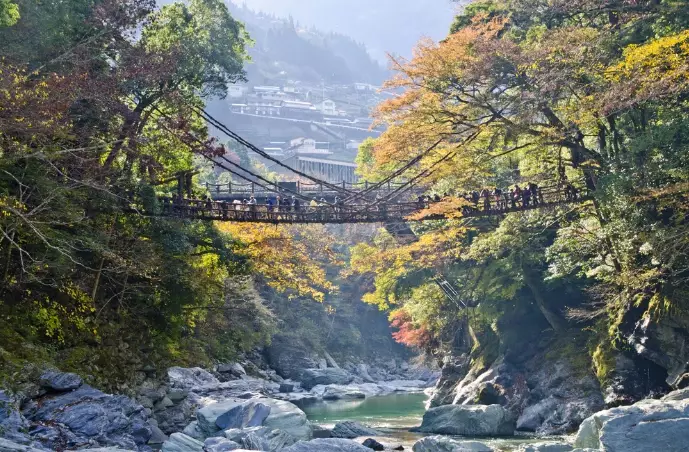
Days 1-2: Takamatsu & Ritsurin Garden (Kagawa)
Start in Takamatsu. Head straight to Ritsurin Garden (¥410, 7:00-17:00, extended hours seasonally). This isn't just a garden; it's a 17th-century masterpiece. Most people walk the south side and leave. The pro move? Pay an extra ¥620 for the guided boat tour through the ponds. The gardener-paddlers share stories you’d never get otherwise.
Afterwards, bike to the port area for lunch. Forget fancy spots—hit a back-alley udon-ya like Tenkaippin (near Takamatsu Chikko Station). It’s standing-room only, the noodles are chewy perfection, and a bowl of kake udon is about ¥350. For dinner, explore the yokocho (alleyways) around Marugamemachi Arcade.
Day 3: Journey to the Iya Valley (Tokushima)
Take the train from Takamatsu to Awa-Ikeda (about 1.5 hours), then switch to a bus into the Iya Valley. This is remote Japan. The bus schedules are infrequent—check times in advance on the Japan Guide website or at the station.
Your goals here: the Kazurabashi (Vine Bridge) (¥550, 8:00-17:00). It’s wobbly, a bit terrifying, and totally worth it. The secret view is from the path on the far side, looking back. Also, visit the Ochiai Village, a thatched-roof hamlet clinging to a mountainside. Stay overnight in a minshuku (family-run guesthouse) here. The sound of the river at night is unforgettable.
Day 4: Kochi City & Castle
Travel from Iya Valley to Kochi City (this is a long leg, 3+ hours by train/bus combo). Kochi feels refreshingly unpretentious. Kochi Castle (¥420, 9:00-17:00) is one of only 12 original castles left in Japan. The wooden interior, steep stairs, and view from the top feel authentic.
Hit the Hirome Market for dinner. It’s a bustling food hall. Must-try: Katsuo no Tataki (seared bonito). Grab a plate, find a spot at a communal table with a local beer. The atmosphere is electric.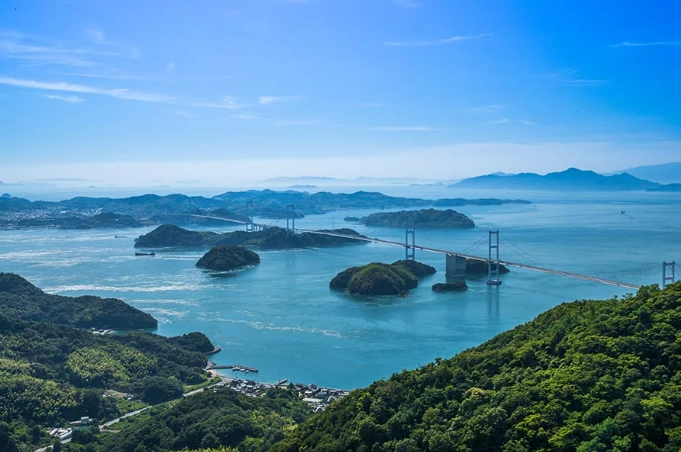
Day 5-6: Matsuyama & Dogo Onsen (Ehime)
Take the limited express train from Kochi to Matsuyama (about 2.5 hours). Matsuyama is Shikoku’s largest city. Matsuyama Castle (¥510, 9:00-17:00) sits on a hill. You can walk up or take a chairlift (¥510 round trip). The castle grounds are spacious and perfect for a stroll.
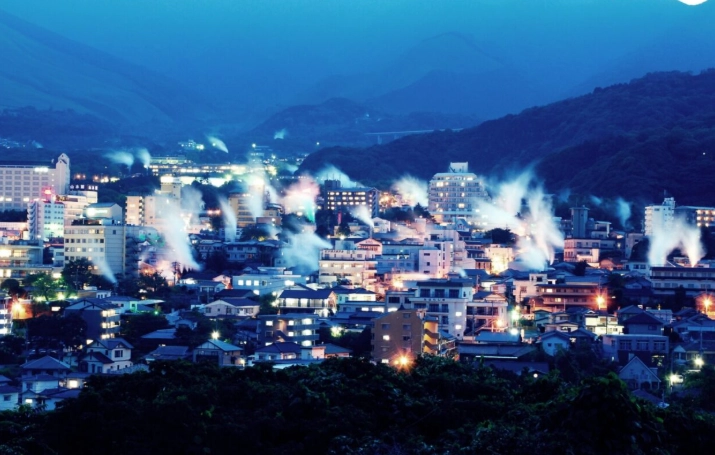
The crown jewel is Dogo Onsen Honkan (¥420 for public bath, 6:00-23:00, entry until 22:00). This is the bathhouse that inspired the film Spirited Away. It’s historic, beautiful, and can get crowded. My tip? Go after 8 PM. The tour buses have left, and you can soak in relative peace. For a more luxurious experience, book a stay at the adjacent Dogo Onsen Hotel, where you get private access to a reserved bath.
Day 7: Return to Takamatsu or Depart from Matsuyama
Loop back to Takamatsu by train (2.5 hours) for your departure, or fly out directly from Matsuyama (MYJ) airport.
Getting Around Shikoku: Trains, Buses & Rental Cars
This is the biggest planning hurdle. The rail network connects major cities well, but to reach valleys, capes, and remote temples, you need buses or a car.
| Transport Mode | Best For | Cost & Pass | Biggest Drawback |
|---|---|---|---|
| JR Trains | City-to-city travel (Takamatsu, Kochi, Matsuyama). | All Shikoku Rail Pass (3 days ¥10,000, 4 days ¥12,000). Covers JR trains and some buses. | Doesn't reach many key tourist spots like Iya Valley or Cape Ashizuri. |
| Rental Car | Freedom, exploring Iya Valley, remote coastlines, and pilgrimage temples at your own pace. | ~¥7,000 - ¥10,000 per day + tolls & gas. International Driving Permit required. | Mountain roads are narrow and winding. Driving can be stressful for some. |
| Local Buses | Reaching specific attractions from train hubs (e.g., buses from Awa-Ikeda to Iya Valley). | Pay per ride or day passes. Kochi's "My Yu" bus pass is ¥1,000/day. | Infrequent schedules. Missing a bus can mean a 2-hour wait. Timetables are often only in Japanese. |
| Bicycle | Exploring individual cities like Takamatsu or the Shimanami Kaido (to Honshu). | Rental ~¥1,000-¥2,000/day. The Shimanami Kaido is a world-class cycling route. | Only feasible for specific, flat areas. Not for crossing the island's mountainous interior. |
My verdict after multiple trips? If you're comfortable driving, rent a car for 2-3 days to cover the Iya Valley and Kochi's southern capes. Use the train pass for the city-to-city legs. If you can't drive, plan your bus times meticulously and be prepared for slower travel.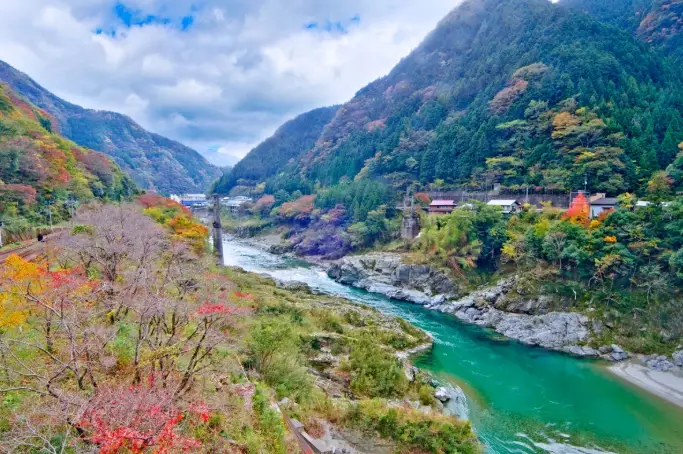
Shikoku Food Guide: What & Where to Eat
Each prefecture has a signature dish. Don't leave without trying these.
Sanuki Udon (Kagawa)
This is Japan's udon capital. The noodles are thick, chewy, and served in a simple broth. Nakano Udon School in Takamatsu lets you make your own (¥1,500, reservations needed). For a quick, authentic bite, look for places with a self-service counter where you pick your tempura toppings.
Katsuo no Tataki (Kochi)
Bonito fish, quickly seared over straw until the outside is crispy and the inside is rare, then sliced and served with garlic, ginger, and ponzu. It's smoky and sublime. Hirome Market has multiple stalls serving it. Pair it with a glass of local Tosa sake.
Jakoten (Ehime)
A fish cake made from mashed white fish, deep-fried. It sounds simple, but it's incredibly flavorful and a common side dish or bar snack. You'll find it in markets and even as a topping on okonomiyaki in Matsuyama.
Sōmen Nagashi (Various)
In summer, some restaurants serve flowing noodles (sōmen nagashi) where you pluck noodles from a bamboo water channel as they float by. It's fun, delicious, and cooling. Iya no Kazurabashi Rest House near the vine bridge offers this seasonally.
Where to Stay: Accommodation Picks
Forget big international chains. Shikoku is about unique stays.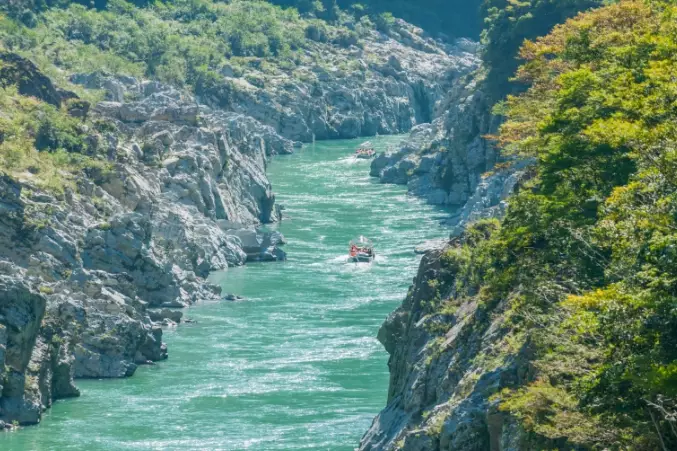
- Takamatsu: Dormy Inn Takamatsu. Modern business hotel with a fantastic rooftop onsen (public bath) and free late-night ramen. From ¥9,000/night. Great location near the station.
- Iya Valley: Iya Onsen. A remote ryokan accessible by cable car over the valley. Stunning views and open-air baths perched above the river. Half-board from ¥25,000/person. Book months ahead.
- Kochi: Tosa no Ie. A friendly guesthouse run by a local couple. They offer homemade breakfasts and great local advice. From ¥6,500/night for a private room.
- Matsuyama: Dogo Onsen Hotel. The historic annex to the main bathhouse. Staying here grants you access to a reserved, private bath. A splurge, but a timeless experience. From ¥30,000/night with meals.
Insider Tips & Common Mistakes to Avoid
Here’s the stuff that rarely makes it into generic guides.
Pilgrimage Etiquette (If You Encounter Henro)
You might see pilgrims walking the 88-temple route. It's a serious spiritual undertaking. Don't interrupt them for a photo. If you want to help, the traditional act is osettai—offering a small gift like fruit, snacks, or a drink. They may politely refuse, but the gesture is appreciated.
The Bus Schedule Trap
The biggest logistical mistake is not checking the return bus time when you arrive at a remote spot. At places like the Iya Valley vine bridge, the return bus might be 2-3 hours later. Always take a photo of the schedule board when you get off, or ask the driver. Being stranded is a real possibility.
Cash is Still King
In cities, credit cards are okay at hotels and bigger restaurants. In rural areas, family-run inns (minshuku), small temples, and local buses often accept cash only. Always carry more yen than you think you'll need.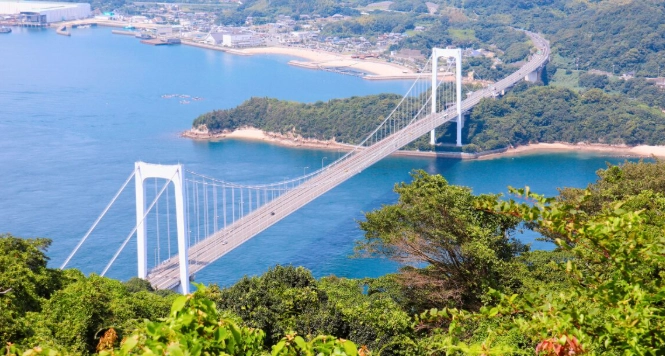
Don't Try to Do It All
Shikoku is bigger than it looks on a map. Trying to hit all four prefectures in 4 days means you'll spend most of your time on trains. Pick two or three areas and explore them deeply. I'd choose Kagawa (for udon & gardens) and Ehime (for the onsen & castle) for a first, shorter trip. Save the wilds of Kochi and Tokushima for a second, more adventurous visit.
Shikoku rewards the curious traveler. It asks for a bit more planning and flexibility, but it gives back a sense of discovery that's hard to find elsewhere in Japan. You won't just see Japan; you'll feel it.

Comments