Let's be honest. When most people plan a trip to Japan's Kansai region, Kyoto and Osaka grab all the attention. Nara? It's often penciled in as a day trip. That's the first mistake many travelers make. Spending a night or two in Nara isn't just about convenience; it's about experiencing the soul of the city after the tour buses leave. The deer retreat, the temples fall silent, and you get to wander ancient streets that feel entirely yours. Finding the right Nara accommodation is the key to unlocking that magic.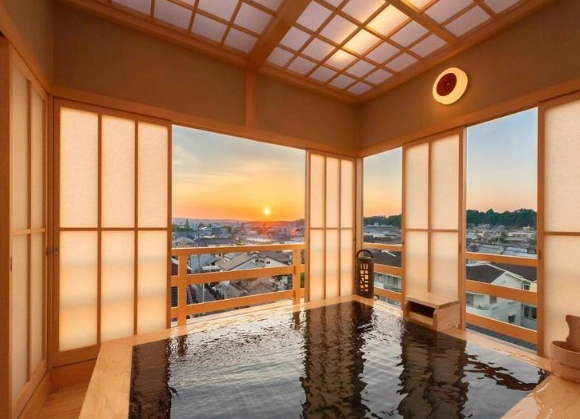
But where do you start? The options range from centuries-old ryokans where you sleep on tatami to modern business hotels steps from the station. The choice can feel overwhelming. I've spent over a decade traveling in Japan, and I've made my share of booking blunders in Nara – from picking a place that was a noisy, charmless box to discovering a family-run inn that became the highlight of my trip.
This guide cuts through the noise. We'll break down the best areas to stay, compare specific hotels and ryokans with real details, and give you the insider tips you won't find on generic booking sites. My goal is to help you find a place that doesn't just give you a bed, but enhances your entire visit to Japan's first permanent capital.
Your Nara Stay Navigation
How to Choose the Right Area to Stay in Nara
Nara isn't a huge city, but where you base yourself drastically changes your experience. Forget just looking at the star rating on a booking site. Think about your priorities.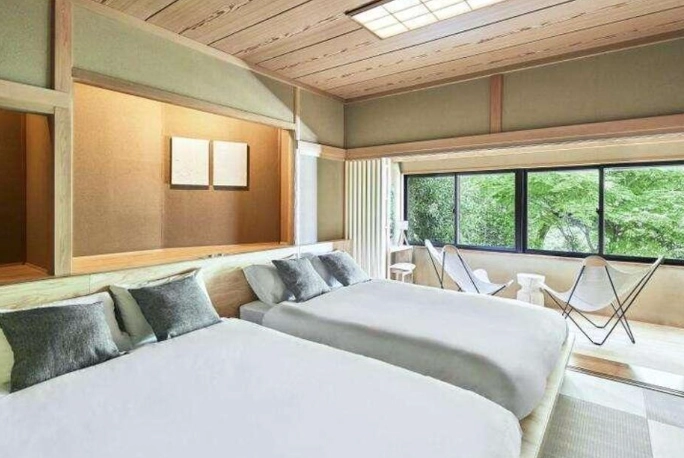
Nara Park / Todai-ji Area: For the Full Immersion
This is the heart of historic Nara. Staying here means you're a short walk from Todai-ji Temple, Kasuga Taisha, and hundreds of deer. The big win? You can visit these sites early in the morning or late in the afternoon, completely avoiding the day-trip crowds. The trade-off is that you're a 15-20 minute walk or a short bus ride from Nara Station and the main shopping/dining streets. Accommodation here is dominated by traditional ryokans and a few higher-end hotels. It's quieter at night, with an almost palpable historical atmosphere.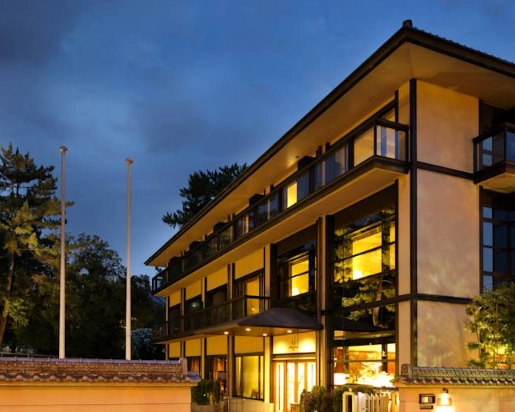
Choose this area if: Your top priority is proximity to the major sights and you want a traditional, quiet experience. It's perfect for photographers and history buffs.
Nara Station Area: For Convenience and Value
Nara Station is the main transport hub. Staying here puts you right next to the Kintetsu and JR lines, making arrivals, departures, and day trips to Kyoto or Osaka incredibly easy. You'll also find a concentration of restaurants, convenience stores (like the excellent Nara City information center is nearby), and shops. The accommodation is more modern – think business hotels and standard western-style rooms. It's practical, efficient, and often more budget-friendly.
A common mistake is booking the cheapest hotel right opposite the station exit. The area can be surprisingly busy and noisy with early morning commuter traffic. Look for places a block or two away; the peace is worth the extra 2-minute walk.
Choose this area if: Convenience is king, you have an early train to catch, or you're on a tighter budget. Great for first-time visitors and those using Nara as a base for wider Kansai exploration.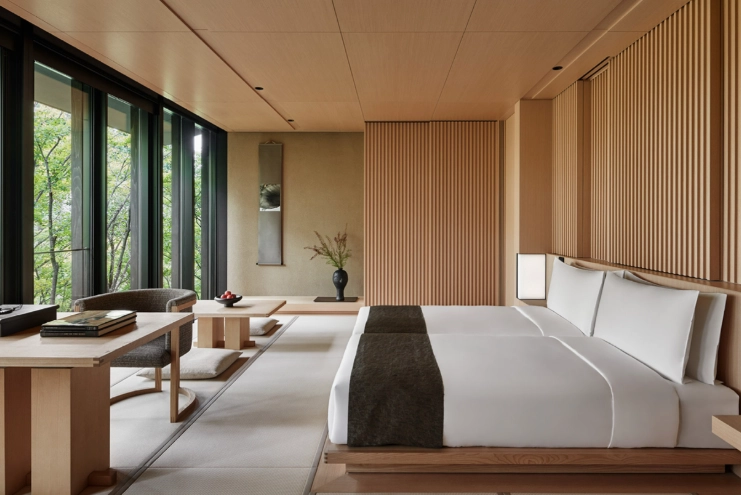
Naramachi (Old Town): For Character and Local Flavor
South of Nara Park lies Naramachi, the preserved merchant district with narrow lanes and traditional machiya (townhouses). Staying here feels like stepping back in time. You'll find small boutique inns, guesthouses, and converted machiya offering unique lodging. The area is packed with charming cafes, small galleries, and craft shops. It's less about monumental temples and more about everyday history and atmosphere. You'll need to walk or take a local bus to get to the station or Nara Park (about 10-15 minutes).
Choose this area if: You want a stay full of character, enjoy wandering atmospheric backstreets, and prefer boutique-style accommodation over large hotels.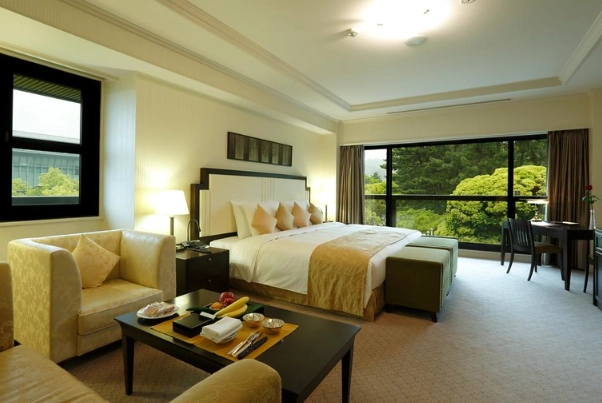
My Take: For a first visit, I almost always recommend the Nara Park area for at least one night. Waking up and having the park to yourself is an experience that defines a trip. Pair it with a night near the station for logistical ease. Don't try to see Nara in a rushed day trip from Kyoto; you miss its best part – the serene evenings.
Top Picks: The Best Places to Stay in Nara (2024 Edition)
Here’s a breakdown of specific accommodations across different styles and budgets. I’ve included real details—location quirks, what the breakfast is actually like, and who it’s really best for. Prices are approximate per night for two people and fluctuate seasonally.
| Name & Type | Location & Address | Key Features & Vibe | Approx. Price Range | Best For |
|---|---|---|---|---|
| Nara Hotel (Hotel) | Nara Park Area. 1096 Takabatake-cho. | Historic, grand hotel from 1909. Stunning views of the park, classic Western/Japanese fusion architecture. Feels like a museum. Service is impeccable. The old wing has more character; the new wing is more modern. | ¥40,000 - ¥70,000+ | Splurging on a historic, luxurious experience. Special occasions. |
| Noborioji Hotel Nara (Hotel) | Nara Park Area. 40-1 Noborioji-cho. | Modern luxury with minimalist Japanese design. Every room has a park view. Fantastic on-site restaurant. It feels serene and secluded, though it's just a minute's walk from the park entrance. | ¥35,000 - ¥60,000 | Design-conscious travelers who want modern comfort with a prime park location. |
| Edosan (Ryokan) | Nara Park Area. 1167 Takabatake-cho. | A family-run ryokan with incredible warmth. The building is over 150 years old. The kaiseki dinner, often featuring local vegetables and river fish, is a highlight. The baths are small but authentic. This is the "real" ryokan experience. | ¥25,000 - ¥40,000 (with meals) | Travelers seeking an authentic, personal, and traditional ryokan stay. Foodies. |
| Hotel Nikko Nara (Hotel) | Nara Station Area. 8-1 Sanjo-honmachi. | Directly connected to JR Nara Station. The ultimate in convenience. Rooms are standard Japanese business hotel style—compact but very clean and functional. Great for early departures. The higher floors have nice views. | ¥12,000 - ¥20,000 | Travelers prioritizing train convenience above all else. Short stays. |
| Super Hotel Lohas JR Nara (Hotel) | Nara Station Area. 1-2-5 Sanjo-honmachi. | Excellent mid-range option a 5-min walk from the station. Known for its natural hot spring bath on the top floor—a huge perk after a day of walking. Includes a simple breakfast. Rooms are no-frills but good value. | ¥9,000 - ¥16,000 | Value-seekers who want onsen access without ryokan prices. |
| Nara Visitor Center & Inn (Guesthouse) | Naramachi. 3 Ikeno-cho. | Not just a place to sleep. It's a cultural center with a cafe and event space. Offers both private Japanese-style rooms and dormitory beds. The staff are incredibly knowledgeable and can help plan your visit. The location in Naramachi is perfect for exploration. | ¥5,000 - ¥12,000 (private room) | Solo travelers, budget travelers, and those wanting a social, culturally engaged stay. |
| Nara Backpackers (Guesthouse) | Between Station & Park. 31 Yurugi-cho. | A friendly, no-pretense backpackers in a converted old house. Offers dorms and a couple of private rooms. The common area is great for meeting people. It's about a 10-12 minute walk to either the station or the park, a nice middle ground. | ¥3,500 - ¥9,000 (private room) | Backpackers and budget travelers looking for a friendly, central, and affordable base. |
One more tip: If you're considering a ryokan, always check if the price includes dinner and breakfast (known as "kaiseki" or "with two meals"). It's usually the best value and a core part of the experience. Booking just the room often leaves you scrambling for dinner in an area that gets quiet early.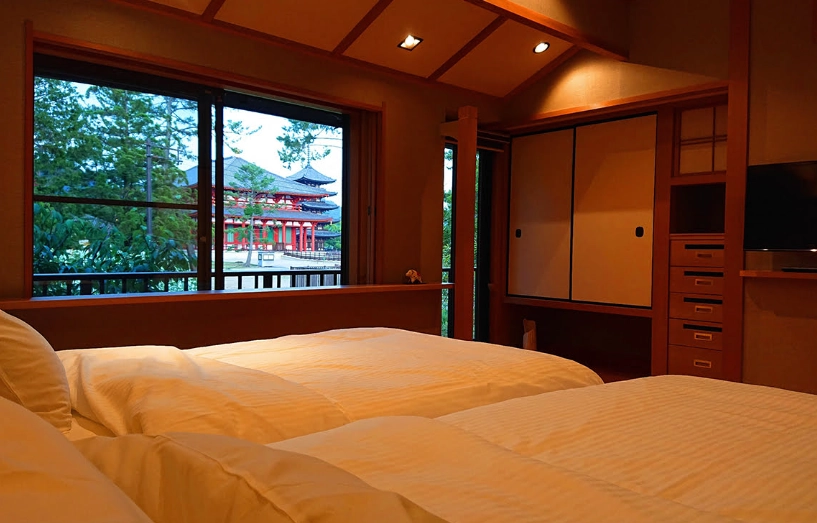
How to Book Your Nara Accommodation and Save Money
Finding the perfect Nara accommodation is one thing; booking it smartly is another.
Book Early, Especially for Ryokans: The best ryokans, particularly small family-run ones like Edosan, have very few rooms. They can sell out months in advance for peak seasons (cherry blossom in late March/April, autumn foliage in November). For hotels, 2-3 months out is usually safe.
Use Japanese Booking Sites (If You Can): While Booking.com and Agoda are fine, sites like Rakuten Travel or Jalan are the giants in Japan. They sometimes have exclusive plans, better rates, or packages that include special local gifts or tickets. The interfaces are often in Japanese, but browser translation tools work reasonably well.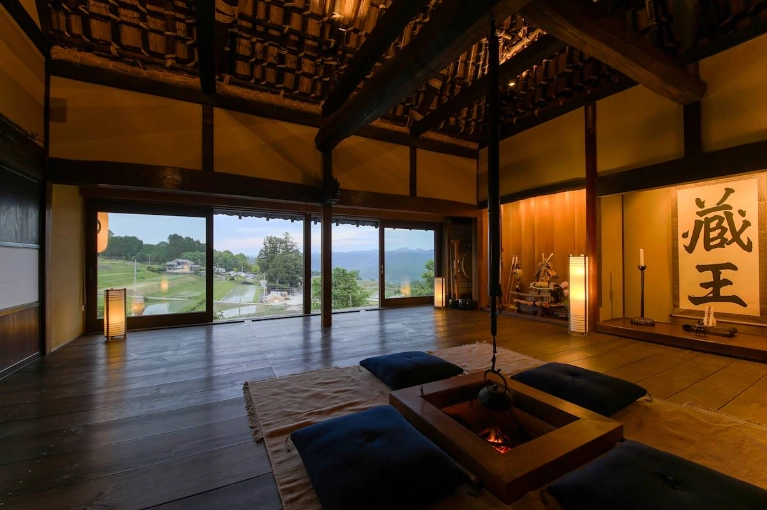
Consider Direct Booking: For high-end hotels and ryokans, check their official website. They may offer a "direct booking discount" or a special package not available on third-party sites. It also makes communication easier if you have special requests (dietary restrictions for ryokan meals, etc.).
The Shoulder Season Sweet Spot: Late autumn (early December, after the leaves fall) and late winter/early spring (February to early March, before the cherry blossoms) offer milder weather, fewer crowds, and significantly lower prices for Nara accommodation. The experience is often more relaxed and authentic.
Be Wary of the "Business Hotel Breakfast": Many mid-range hotels near the station offer a breakfast buffet. They're fine—usually a mix of Western and Japanese items. But if you have the time, skip it one morning and grab a coffee and pastry from a local cafe in Naramachi. You'll get a better feel for the city.
Nara Accommodation Questions Answered
Choosing your Nara accommodation is more than just picking a bed. It's choosing the lens through which you'll experience this ancient capital. Whether it's the timeless ritual of a ryokan, the efficient comfort of a station hotel, or the quirky charm of a Naramachi guesthouse, the right place will anchor your trip and create memories that last long after you've said goodbye to the deer.
Take your time, consider what you really want from your visit, and book something that excites you. Nara is worth the extra thought.


Comments