In This Guide
- Decoding the Numbers: How Small is Small?
- Why Tokyo Apartments Are Built This Way
- The Good, The Bad, and The Cramped
- Mastering the Tokyo Size Lifestyle: Practical Tips
- Is a Tokyo Size Apartment Right For You?
- Common Questions About Tokyo Size Living (FAQs)
- Final Thoughts: More Than Just Measurements
So you've heard the term "Tokyo size" thrown around. Maybe you're planning a move, or you're just fascinated by how millions live in one of the world's most crowded cities. I was too. When I first landed a job in Shinjuku, I had visions of a spacious Western-style apartment. The reality was a 20-square-meter box that made me rethink everything I knew about personal space. That's the true essence of Tokyo size – it's not just a measurement, it's a whole lifestyle adjustment.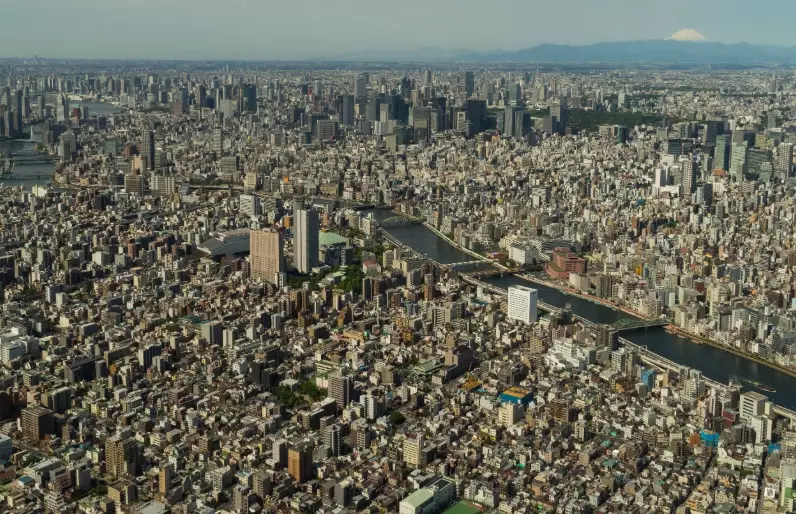
Let's get one thing straight. Tokyo size isn't about being cheap or settling for less. It's a direct response to insane land prices, a massive population, and a cultural history that values efficiency and minimalism. You're not just renting an apartment; you're learning to live smarter. This guide is everything I wish I'd known before signing that first lease. We'll dig into the numbers, the logic behind the layouts, and the real pros and cons that property listings never mention.
What "Tokyo Size" Actually Means
In plain English, "Tokyo size" refers to the characteristically small floor area of residential apartments and rooms within Japan's capital, especially in its 23 special wards. It's a shorthand for the spatial constraints that define urban living here. While there's no official standard, the term evokes images of apartments under 30 square meters (about 323 square feet), often with combined living-sleeping areas, compact unit baths, and ingenious storage solutions. It's the antithesis of the sprawling suburban home.
Why does this happen? Look at a map. Tokyo is crammed into a limited plain, with mountains on one side and the ocean on the other. The demand is off the charts. According to data from the Statistics Bureau of Japan, the average floor area of a dwelling in Tokyo Metropolis is significantly smaller than the national average. The Ministry of Land, Infrastructure, Transport and Tourism (MLIT) also publishes detailed surveys on housing conditions that highlight these spatial trends. It's simple economics and geography.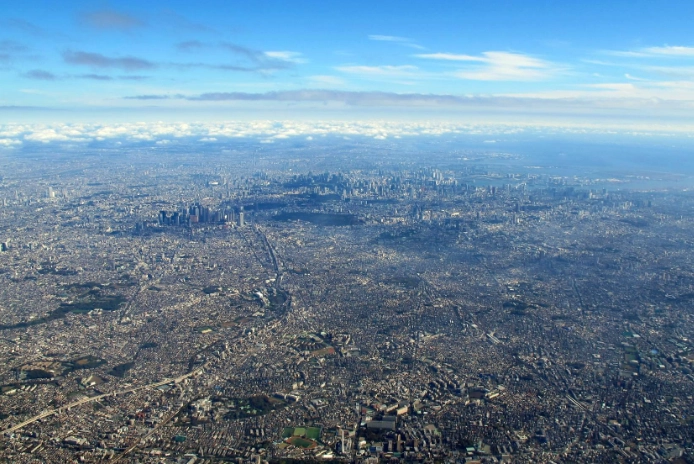
Decoding the Numbers: How Small is Small?
Talking square meters doesn't always paint the right picture. Let me put it this way. A typical Tokyo size studio for a single person, often called a "1R" or "1K", can be as small as 15 sqm (161 sq ft). That's roughly the size of a standard parking space in the US. A 1LDK (one living-dining-kitchen apartment) suitable for a couple might stretch to 30-40 sqm (323-430 sq ft). When you see these numbers on a real estate listing, you need to mentally subtract the space taken up by walls, fixtures, and that inevitable pillar in an awkward spot.
Here’s a breakdown of common Tokyo apartment sizes and what you can realistically expect from them. This table is based on my own experience browsing hundreds of listings and talking to countless real estate agents.
| Apartment Type (Japanese Code) | Typical Tokyo Size Range (sqm) | Typical Tokyo Size Range (sq ft) | Who It's For & Realistic Layout |
|---|---|---|---|
| 1R (One Room) | 15 - 20 sqm | 161 - 215 sq ft | Single person. One all-purpose room containing everything. Bathroom is a tiny unit bath. A small kitchen counter is along one wall. You'll likely sleep on a fold-out futon. |
| 1K (One Room + Kitchen) | 18 - 25 sqm | 194 - 269 sq ft | Single person or very cozy couple. The kitchen is separated by a wall or bar, which helps with cooking smells. The main room feels slightly more dedicated to living/sleeping. |
| 1DK (One Dining-Kitchen) | 25 - 30 sqm | 269 - 323 sq ft | A couple. You get a separate kitchen-dining space big enough for a small table. The main room is for sleeping/lounging. This is a major upgrade in perceived space. |
| 1LDK (One Living-Dining-Kitchen) | 30 - 45 sqm | 323 - 484 sq ft | A couple or small family with one child. A distinct living room area. This often feels "spacious" by Tokyo standards. You might even fit a small sofa and a proper bed. |
| 2LDK | 45 - 60 sqm | 484 - 646 sq ft | Small family or roommates. Two separate bedrooms plus a living-dining-kitchen area. This is considered quite comfortable and commands a significant price jump. |
See that jump from 1LDK to 2LDK? That's where rents take a steep climb. Getting that extra private room is a huge financial milestone for many in the city.
Why Tokyo Apartments Are Built This Way
It's easy to just blame high prices, but the reasons are more layered. First, the land. It's astronomically expensive. Developers maximize rentable floor area on tiny plots, leading to slender buildings and small units. Second, the demographic. Many residents are singles, young couples, or elderly individuals who don't need or want large homes. The market caters to this.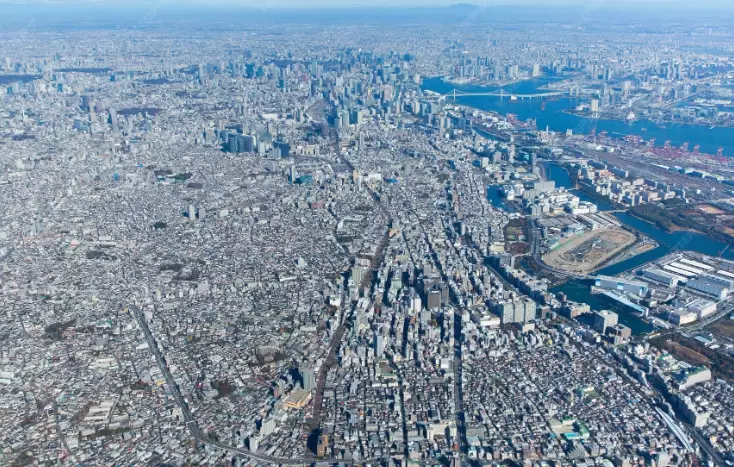
Third, and this is crucial, a different cultural mindset. The concept of "home" often extends beyond the apartment's walls. The city itself—the cafes, parks, sento (public baths), and izakayas—acts as an extension of your living room. Your apartment is for sleeping, relaxing privately, and storing your stuff. Socializing and living happen outside. This philosophy is baked into the design of a Tokyo size apartment.
There's also a historical precedent. Traditional Japanese rooms were multi-functional (a living room by day, a bedroom by night) and space was used with precision. The modern Tokyo apartment size is a direct descendant of that efficiency.
I remember my Japanese friend laughing when I complained about my tiny apartment. "Why do you need a big living room?" he asked. "Go to a coffee shop if you want to sit somewhere. Your home is for you alone." It was a lightbulb moment. I started spending less time cooped up inside and more time exploring, which is what living in Tokyo is all about.
The Good, The Bad, and The Cramped
Living in a Tokyo sized space isn't all bad. Far from it. But you have to go in with clear eyes.
The Upsides
Lower Cost: This is the big one. Rent, utilities, and even furniture costs are lower. You can afford to live in a more central, convenient location on a reasonable budget.
Easy to Clean: You can deep clean the entire place in 30 minutes. No arguments about who cleans what room—there's only one room!
Forces Minimalism: You simply cannot be a hoarder. You buy only what you need and love. It's incredibly freeing to not be burdened by piles of stuff. Every item must earn its keep.
Cozy and Efficient: When designed well, these spaces feel incredibly efficient and cozy, not just small. Everything has a place.
Pro Tip: The feeling of space is more important than the actual square footage. High ceilings, large windows, and a simple layout can make a 20sqm apartment feel far larger than a cluttered 25sqm one.
The Downsides (Let's Be Honest)
Storage Wars: Where do you put your suitcase? Your winter coats? Your collection of anything? Built-in storage is often clever but limited. You'll become a master of off-season storage, often using rental locker services.
No Room for Entertaining: Having more than one guest over is a logistical puzzle. Forget dinner parties. Socializing at home is mostly one-on-one.
Noise and Lack of Privacy: In older wooden buildings, you'll hear your neighbors. In small spaces with partners, finding a moment of true solitude can be hard.
The "One-In, One-Out" Rule: Buying a new book or kitchen gadget means getting rid of an old one. There's no room for impulse purchases that just sit around.
Watch Out: The biggest mental challenge isn't the size itself, but the constant tidying. If you leave a couple of items out of place, the whole apartment looks messy instantly. It requires daily discipline.
I won't sugarcoat it. The first few months in my first Tokyo size apartment were tough. I felt claustrophobic. I missed spreading out. But then I adapted. I got creative.
Mastering the Tokyo Size Lifestyle: Practical Tips
This is where we move from theory to practice. How do you actually live well in a compact space?
Furniture & Layout is Everything
Forget large, standalone furniture. Think multi-functional, lightweight, and scaled-down.
- Low-Profile Furniture: Japanese-style low tables and floor seating (zabuton cushions) create a sense of openness. A Western-style sofa and high bed can make the ceiling feel low.
- Fold-Away & Transformable Items: A fold-down desk, a dining table that mounts on the wall, a bed frame with massive drawers underneath. My favorite purchase was a kotatsu (heated table) in winter—it's a dining table, desk, and heater in one.
- Vertical Space is King: Shelving units that go all the way to the ceiling, wall-mounted racks, hooks on the back of doors. Use every inch of that vertical real estate.
- Visual Flow: Avoid blocking the natural path from the door to the window. Use furniture to define areas without building solid walls. A bookshelf can act as a room divider.
The Art of Japanese Storage
This is a national sport. The goal is to store a maximum amount of stuff while maintaining a serene, empty-looking space.
- Everything Has a Home: No "junk drawers." Assign a specific box, shelf, or hook for every single item you own.
- Utilize Hidden Spaces: Under the bed (with storage boxes), above the wardrobe, the space between the top of a cabinet and the ceiling.
- Decant and Downsize: Transfer pantry items into uniform, space-efficient containers. Ditch bulky packaging immediately.
- Seasonal Rotation: Heavy winter clothes and blankets get vacuum-sealed and stored in the top of the closet during summer, and vice-versa.
Mindset Shifts for Small Space Living
This might be the most important part. You have to change how you think about your home.
Your Home is a Base Camp, Not a Castle. Don't expect to do everything there. Work in a cafe. Exercise in a park. Read in a library. Soak in a sento. This instantly relieves the pressure on your apartment to be all things.
Embrace "Owari" (The End). When you're done with an activity, put everything related to it away completely. Finished cooking? All dishes washed, counter wiped, appliances stored. This keeps the small space functional.
Quality Over Quantity. You can only fit one of everything: one great chef's knife, one perfect mug, one amazing blanket. Choose the best you can afford. You'll appreciate it more.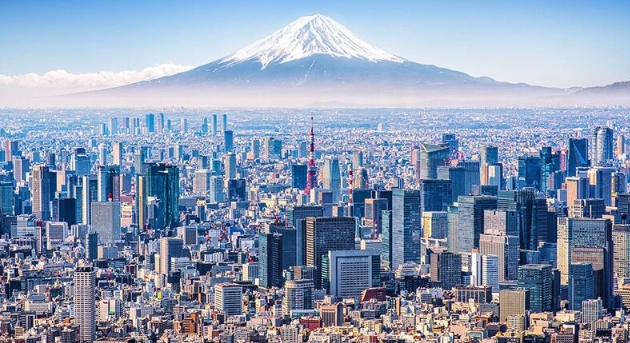
Is a Tokyo Size Apartment Right For You?
It's not for everyone, and that's okay. Let's break it down by lifestyle.
Perfect For: Singles and young couples new to the city who are out and about most of the time. Digital nomads who value location. Minimalists by nature. Anyone who sees their home primarily as a private sanctuary for sleep and relaxation.
Might Be a Struggle For: Families with more than one young child. People who work entirely from home and need a dedicated office. Serious hobbyists with large equipment (musicians, painters, fitness enthusiasts). Anyone who loves to host large gatherings or needs a lot of personal alone space within the home.
The Tokyo apartment size dilemma often comes down to a trade-off: space versus location. You can get a much larger place for the same price if you move 40-60 minutes outside central Tokyo (in Saitama, Chiba, or Kanagawa). For many, the convenience of a short commute and being in the heart of the action is worth the squeeze.
Common Questions About Tokyo Size Living (FAQs)
Final Thoughts: More Than Just Measurements
At the end of the day, Tokyo size is a concept you live, not just a number on a floor plan. It teaches you what you truly need versus what you simply want. It forces creativity, discipline, and a different relationship with your belongings and your city.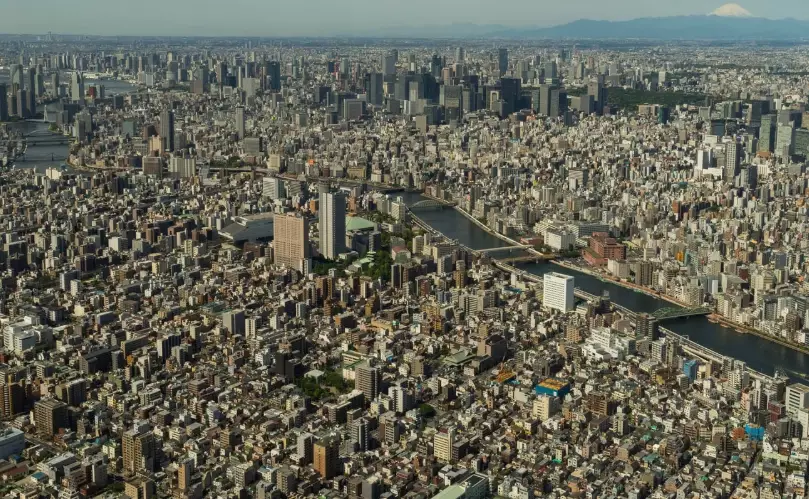
Is it always easy? No. There are days you'll bang your knee on the table for the tenth time and dream of a walk-in closet. But there's also a unique satisfaction in crafting a perfectly efficient, cozy home that meets all your needs without an inch of waste. It's a lesson in intentional living that stays with you long after you move away.
My advice? If you're considering it, give it an honest try. Start with a short-term lease if you can. Approach it as an adventure in design and lifestyle, not a compromise. You might just discover that a well-organized Tokyo size space feels more like home than a larger, emptier one ever could.
And remember, in Tokyo, the best part of your home is right outside your front door.


Comments