Quick Guide to Fukuoka's Beauty
Let's be honest. When you think of Japan, your mind probably jumps to Tokyo's neon buzz or Kyoto's ancient temples. Fukuoka? It often flies under the radar. But after living here for a couple of years, I can tell you that's a massive mistake. This city has a beauty that's less shouty, more soulful. It's in the way the morning sun hits the castle ruins, the deep green of its hidden island forests, and the vast, quiet expanse of its seaside shrines.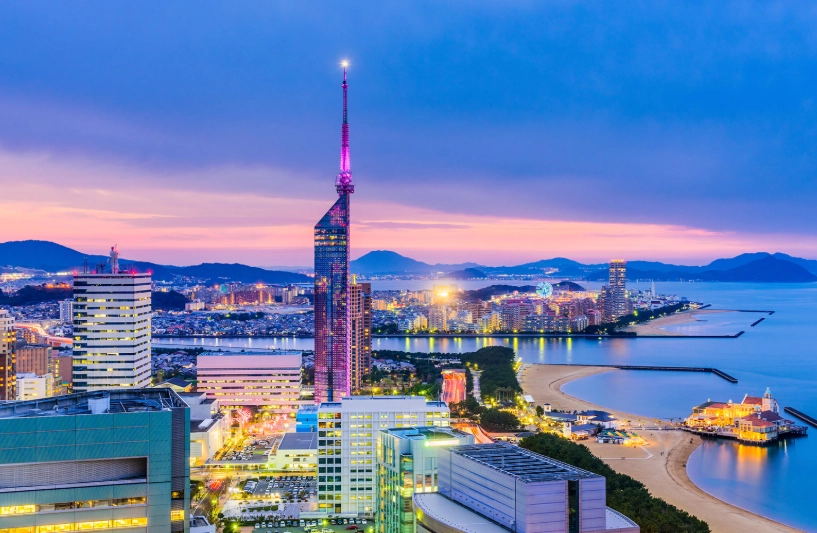
Putting together a list of the top 10 most beautiful places in Fukuoka wasn't easy. Beauty is subjective, right? My idea of beauty leans towards places that make you stop and just *feel* something. It's not just about a pretty photo (though you'll get plenty). It's about the atmosphere, the history under your feet, and those unexpected moments of peace in a surprisingly lively city.
So, whether you're planning a trip or just dreaming of one, here’s my personal, deeply-researched rundown. We'll go beyond the standard guidebook entries. I'll tell you the best time to visit to avoid the crowds (a crucial tip for Ohori Park!), what's honestly overrated, and those little details that make each spot special.
What Makes a Place "Beautiful" in Fukuoka?
Before we dive into the list, it helps to know what you're looking at. Fukuoka's beauty isn't just one thing. You've got the serene, classical Japanese beauty of perfectly raked gardens and historic shrines. Then there's the dramatic, natural beauty of coastal cliffs and isolated islands. And don't forget the modern, urban beauty of a city that knows how to light up a riverfront or build a stunning tower. The top 10 most beautiful places in Fukuoka list tries to capture a bit of all that.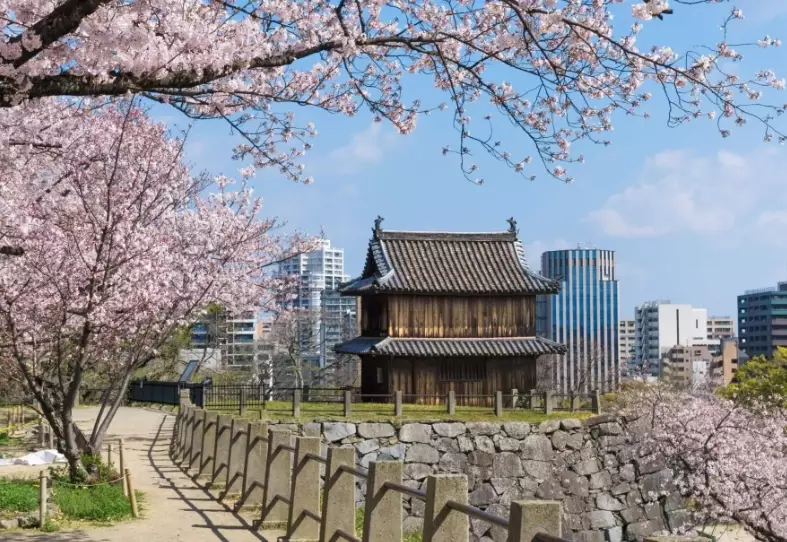
I also considered practical beauty. Is it a nightmare to get to? Is it swamped with tourists to the point you can't enjoy it? A truly beautiful experience should be accessible, at least some of the time. With that in mind, let's get started.
The Definitive List: Top 10 Most Beautiful Places in Fukuoka
Here they are, ranked not just by my eyes, but by a mix of scenic impact, cultural significance, and that elusive "wow" factor. I've included a handy table later to compare key details at a glance.
1. Ohori Park & Fukuoka Castle Ruins
This is my top pick for a reason. Ohori Park is the city's green lung, centered on a large, serene pond that was once part of the castle's moat system. Walking the path around the water, with the city skyline peeking through the trees, is incredibly peaceful. But the real magic happens when you connect it to the adjacent Fukuoka Castle (Maizuru Castle) ruins on the hill. Climbing up, you're walking among massive stone walls and the foundations of gates and towers. It feels ancient and powerful.
The view from the top, especially from the reconstructed turrets, is arguably the best in Fukuoka. You see the park's pond laid out like a mirror, the modern buildings of Tenjin, and on a clear day, the sea. It's a beautiful layering of history and the present. Go early in the morning to have the stone walls almost to yourself – it's a completely different experience from the midday buzz.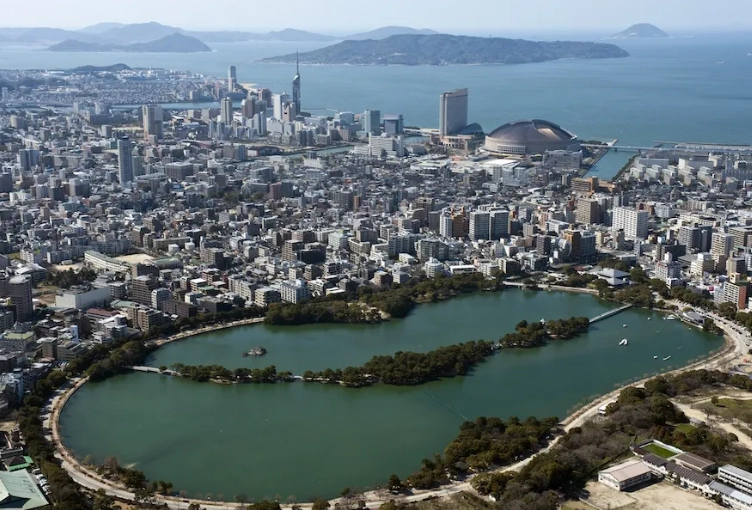
2. Dazaifu Tenmangu Shrine
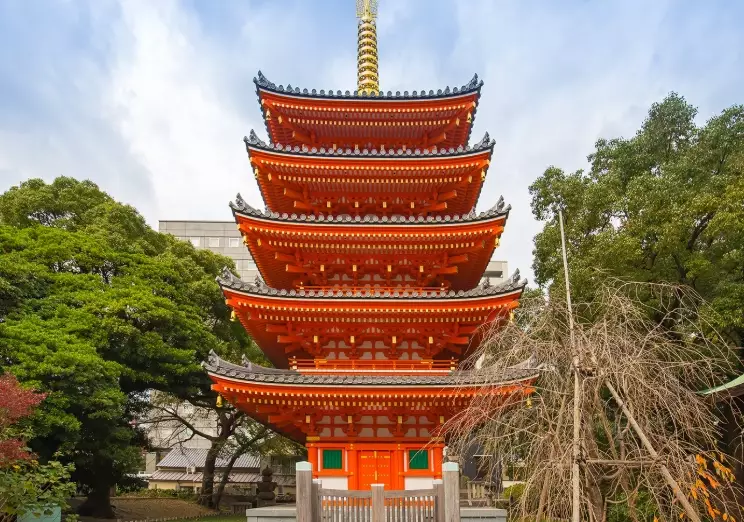
Yes, it's popular. Yes, it can get crowded with students praying for exam success (it's dedicated to the god of learning, Sugawara no Michizane). But look past the crowds for a second. The approach is stunning—a long path lined with dozens of mind-bendingly expensive omiyage shops and cafes, leading under a series of dramatic torii gates. The main shrine buildings themselves are a gorgeous, vibrant vermilion, a classic example of grand shrine architecture.
The real beauty, for me, is in the expansive grounds. Wander away from the main hall. Find the pond with its iconic red arched bridge. Visit in early February when the 6,000 plum trees (ume) burst into pink and white blossom—it's unforgettable. The Kyushu National Museum, with its sleek, modern architecture, is just next door, offering another kind of beauty. For official visitor information and historical context, the Dazaifu Tenmangu official website is an excellent resource.
3. Nokonoshima Island
This is Fukuoka's secret garden, just a 10-minute ferry ride from Meinohama port. The island is basically one giant, beautifully maintained flower park (Nokonoshima Island Park) with hiking trails along the coast. The beauty here is seasonal and spectacular. Vast fields of cosmos flowers in autumn, bright yellow rapeseed in spring, sunflowers in summer. You get breathtaking views back towards the Fukuoka skyline across the water.
It's a working island too, so there's a rustic, laid-back charm between the flower fields. You can easily spend half a day hiking, picnicking, and just soaking in the views. It's the perfect antidote to city energy. Pack a lunch, wear good shoes, and check the ferry schedule in advance so you don't get stranded (the last ferry back isn't *that* late).
4. Nanzoin Temple & The Reclining Buddha
This one is about scale and serenity. Nanzoin Temple, in neighboring Sasaguri, is home to one of the largest bronze statues in the world: a 41-meter long, 11-meter high reclining Buddha (Nehanzo). The statue represents Buddha entering Nirvana. It's colossal, peaceful, and set in a lush, forested valley. The walk from the train station to the temple is part of the famous Sasaguri pilgrimage route, so you'll see hundreds of small stone statues along the path.
The beauty is in the juxtaposition. You're in a quiet mountain town, walking through a tunnel of green, and then this golden, serene giant appears. It's not just a photo op; it's a genuinely calming place. The temple complex is huge, with other halls and a cave you can walk through. It feels miles away from the city, though it's only about a 30-minute train ride from Hakata.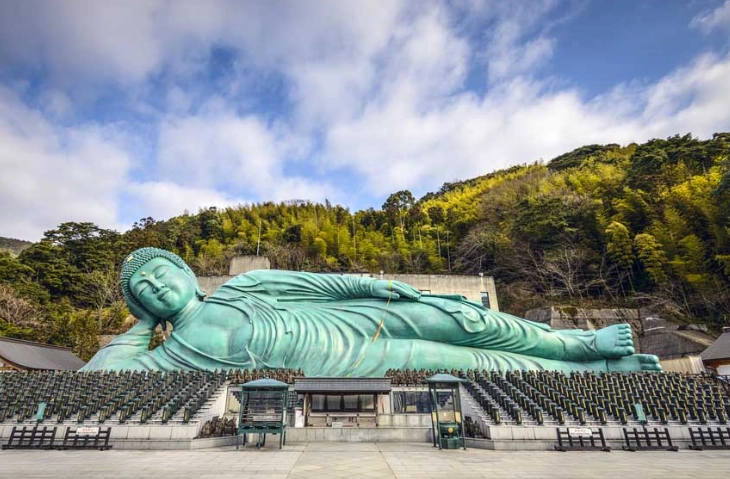
5. Uminonakamichi Seaside Park
Imagine a massive, 300-hectare park on a narrow spit of land with the sea on both sides. That's Uminonakamichi. This place is a festival of color and space. It's famous for its seasonal flower gardens—the tulip fields in spring are a rainbow carpet, and the nemophila (baby blue eyes) hill in spring is like something from a dream. But there's more: fountains, cycling paths, a children's zoo, and beaches where you can swim in summer.
The beauty is in its variety and openness. You can rent a bicycle and cruise with ocean breezes on both sides. The views across Hakata Bay are fantastic. It's a full-day, active kind of beautiful. It can feel a bit sprawling and manicured, not a wild natural beauty, but for families or anyone who wants to combine flowers, sea, and cycling, it's top-tier. Check the official Uminonakamichi Seaside Park website for the seasonal flower schedule before you go.
6. Shikanoshima Island
If Nokonoshima is the flower island, Shikanoshima is the beach and seafood island. It's connected to the mainland by a long causeway (you can drive or take a bus). The beauty here is coastal and relaxed. The western side has a nice sandy beach (Shikanoshima Beach) with a view of the towering, modern structures of Fukuoka's city across the water—a great sunset spot.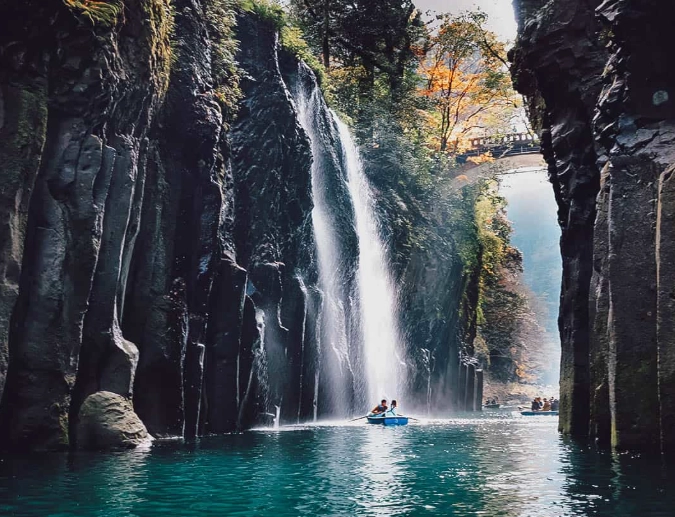
The eastern side is more rugged, with a lighthouse and walking trails. The island is also historically significant as the place where the Gold Seal (a national treasure) was discovered, proving ancient ties between Japan and China. I find the vibe here more "local" than Nokonoshima. It's where Fukuoka residents go for a quick beach day or a seafood lunch at one of the ports. The beauty is less curated and more about salt air, fishing boats, and wide horizons.
7. Kushida Shrine & the Hakata Gion Yamakasa District
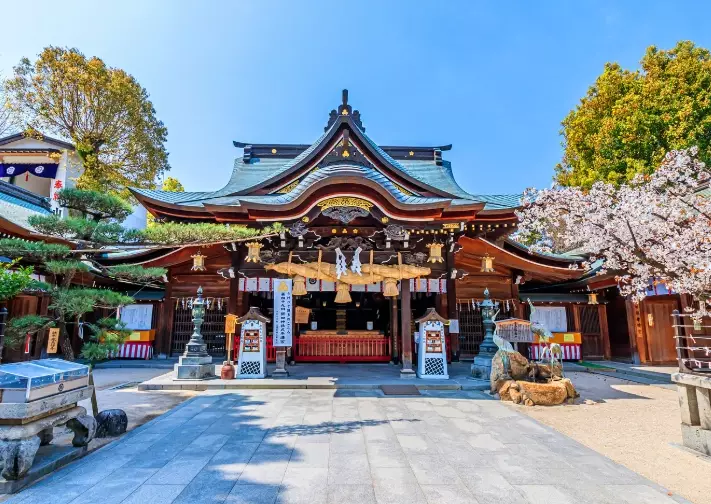
This is the heart of old Hakata. Kushida Shrine isn't the biggest or most ornate shrine, but its beauty lies in its deep history and vibrant cultural role. It's the headquarters of the famous Hakata Gion Yamakasa festival, held every July. Even outside the festival, you can see the magnificent, towering kazariyamakasa (decorative floats) displayed near the shrine—incredible works of folk art depicting historical and mythical scenes.
The shrine itself is intimate and shaded by a giant 1,000-year-old ginkgo tree. The surrounding streets, like the traditional Hakata Machiya Folk Museum area, retain an old-world charm with latticed wooden houses. The beauty here is cultural and energetic. You feel the pulse of Hakata's merchant history and its fierce community pride. It's a must-see to understand the city's soul.
8. Atago Shrine & the View from Atago Hill
For a panoramic, postcard-perfect view of the entire city and harbor, this is your spot. Atago Shrine sits atop a small, steep hill in the city center. The climb up the stone steps is a bit of a workout, but it takes less than 10 minutes. The reward is a 360-degree view that takes in everything: Fukuoka Tower, the Yahoo Dome, the skyscrapers of Tenjin and Hakata, the port, and the distant mountains.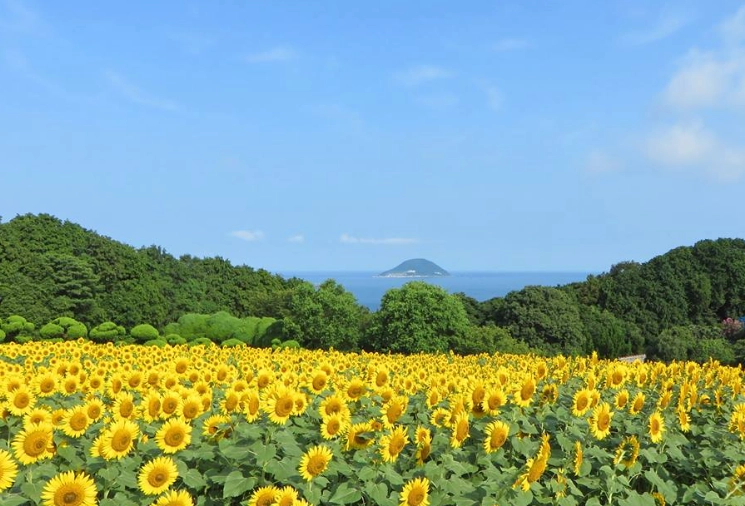
It's especially stunning at night when the city lights up. The shrine itself is small and charming, dedicated to the god of fire and safety for sailors. I love coming here just before sunset, watching the city transition from day to night. It's a simple, free, and utterly beautiful experience that often gets overlooked in favor of the paid Fukuoka Tower observation deck.
9. Fukuoka Tower & Momochi Seaside Park
Speaking of the tower, the whole Momochi Seaside Park area represents Fukuoka's modern, planned beauty. This reclaimed land area is home to the 234-meter tall Fukuoka Tower, Japan's tallest seaside tower. Its mirrored, triangular design is striking, especially when it reflects the sunset. The area is all wide, clean boulevards, modern art sculptures, the futuristic Fukuoka PayPay Dome, and a man-made beach.
The beauty here is sleek, urban, and photogenic. It's a great place for a long, unobstructed stroll by the sea. While the tower's observation deck offers great views (particularly the "Lover's Sanctuary" floor with its heart-shaped locks), the area itself is just pleasant to be in. It feels spacious and optimistic. It might lack the historical gravitas of other spots, but for a vision of a modern, livable coastal city, it's beautiful in its own way.
10. The Yanagawa River Delta
Okay, this one is a slight cheat—it's technically just outside Fukuoka in Yanagawa City, but it's such a unique and classic Japanese beauty that it deserves an honorary spot. Yanagawa is a historic castle town crisscrossed by a network of narrow canals. The main activity is a peaceful, punting boat ride (donkobune) along these willow-lined waterways.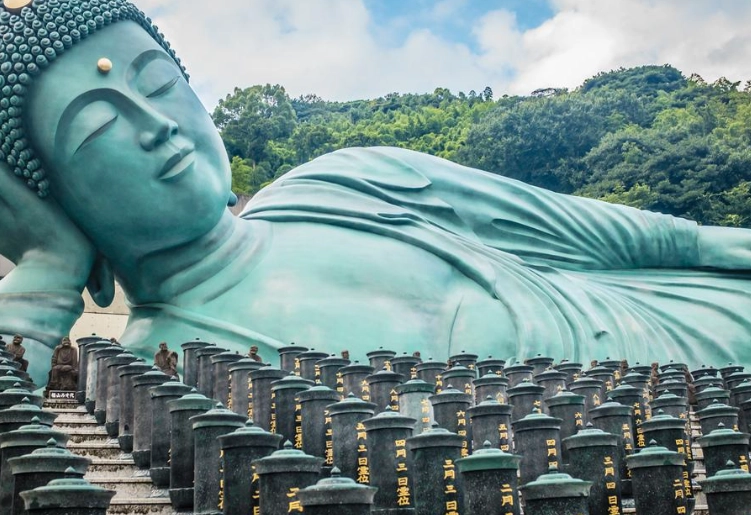
Gliding silently under low bridges, past old samurai residences and gardens, feels like stepping back in time. It's often called the "Venice of Japan," but that sells its quiet, rustic charm short. Visit in early April when the cherry blossoms canopy over the canals, or in late November for autumn colors. It's a different, slower, more poetic side of Kyushu's beauty, easily done as a half-day trip from Fukuoka. The Japan National Tourism Organization has a good overview of Yanagawa on their official site.
So there you have it. From ancient ruins to flower islands, from bustling festival shrines to silent reclining Buddhas. That's my take on the top 10 most beautiful places in Fukuoka.
Planning Your Visit: A Practical Comparison
Alright, lists are nice, but how do you actually plan your time? Here’s a breakdown to help you decide which of these beautiful spots fit your trip. This table cuts through the fluff.
| Place | Best For | Best Time to Visit | Access (from Tenjin)** | Time Needed | Cost (Approx.) |
|---|---|---|---|---|---|
| Ohori Park & Castle | History, City Views, Morning Walks | Sunrise, Weekday Mornings, Autumn | 10-min subway + walk | 2-3 hours | Free (Castle museum small fee) |
| Dazaifu Tenmangu | Culture, Architecture, Spring Blossoms | Weekday Opening, Feb (Plum), Nov | 30-min train + walk | 2-3 hours | Free (Grounds) |
| Nokonoshima Island | Nature, Hiking, Seasonal Flowers | Spring (Rapeseed), Autumn (Cosmos) | 30-min train + 10-min ferry | Half Day | Ferry + Park Entry Fee |
| Nanzoin (Reclining Buddha) | Tranquility, Scale, Photography | Any sunny day, Morning | 30-min train + walk | 1.5-2 hours | Free |
| Uminonakamichi Park | Families, Cycling, Flower Fields | April-May (Flowers), Sunny Weekdays | 45-min train + walk/bus | Full Day | Park Entry + Bike Rental |
| Shikanoshima Island | Beaches, Seafood, Sunsets | Summer (for swimming), Sunset | 40-min bus | Half Day | Bus Fare, Food |
| Kushida Shrine | Local Culture, Festival History | Morning, Anytime (central) | 10-min walk from Nakasukawabata | 1 hour | Free |
| Atago Shrine (View) | Panoramic City Views, Sunset/Night | Just before sunset, Clear days | 15-min walk from Gion Stn | 30-45 mins | Free |
| Fukuoka Tower Area | Modern Architecture, Night Views | Late afternoon into evening | 20-min subway + walk | 1-2 hours (more for beach) | Free (area), Tower fee |
| Yanagawa River Cruise | Romantic/Peaceful Boat Ride, History | Early April (Cherry), Autumn, Weekdays | 1-hour train to Yanagawa | Half Day (from Fukuoka) | Train + Boat Cruise fee |
** Pro-tip: Get a Fukuoka Tourist City Pass (subway/bus) or a JR Kyushu Pass if you're exploring wider afield. It'll save you a ton on transport between these top 10 most beautiful places in Fukuoka and beyond.
Answering Your Questions (The Stuff You Actually Search For)
Wrapping It Up: Finding Your Own Fukuoka Beauty
Look, this list of the top 10 most beautiful places in Fukuoka is a starting point. The real beauty of this city often lies in the in-between moments. It's in the smell of tonkotsu ramen wafting from a yatai stall on a cool evening. It's in the discovery of a tiny, unnamed shrine tucked between apartment buildings. It's in the friendliness of the locals who will point you in the right direction with a smile.
Use this guide to hit the highlights, but leave some time to wander. Get lost in the backstreets of Hakata or along the quieter paths of Ohori Park. The beauty of Fukuoka isn't just in its designated scenic spots; it's in the overall feeling of a city that's vibrant, livable, and deeply connected to its history and the sea. That, more than any single view, is what keeps me coming back.
Hope this helps you plan an amazing trip. Feel free to reach out if you have more questions—though I'm not a tour company, just someone who really likes this corner of Japan.

Comments