Quick Guide
- Where Exactly Can You Swim? The Designated Beaches of Enoshima
- The Golden Rule: Swimming Season, Flags, and Lifeguards
- The Unspoken Rules: Beach Etiquette and Regulations
- What If You Can't Swim? (Or the Flags Are Red)
- Frequently Asked Questions (The Stuff You're Actually Searching For)
- Final Verdict: Should You Plan to Swim in Enoshima?
So, you're planning a trip to the iconic Enoshima, that beautiful little island connected by a bridge to the Shonan coast, and the big question pops into your head: can you swim in Enoshima? You've seen the pictures of gorgeous sunsets, the famous Enoshima Sea Candle, and maybe even images of people on the sand. But when it comes to actually taking a dip in the water, things aren't always as clear as the ocean looks on a good day.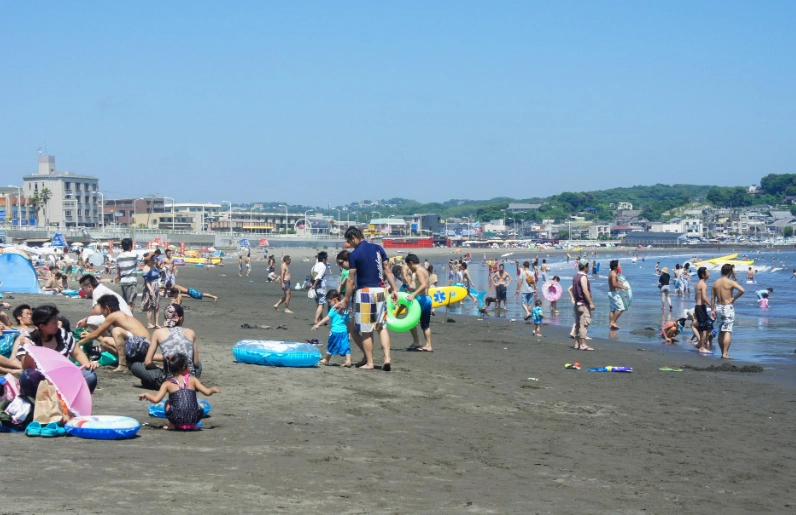
Let's cut to the chase. The direct answer is yes, you can swim in Enoshima, but with a massive, non-negotiable asterisk. You can't just jump into the water anywhere around the island. Swimming is strictly confined to designated swimming beaches during the official summer swimming season, and even then, it's governed by a set of rules and highly dependent on the day's conditions. The more complete answer, which is what we're diving into here, involves understanding where exactly you can swim, when it's allowed, what the safety rules are, and what your fantastic alternatives are if swimming isn't on the cards that day.
I've been there on days when the water is inviting and calm, and on days when the red flags are up and the waves look like they mean business. The difference is huge. This guide isn't just a yes or no; it's the full picture to help you plan, stay safe, and have an amazing time whether you end up swimming or not.
Where Exactly Can You Swim? The Designated Beaches of Enoshima
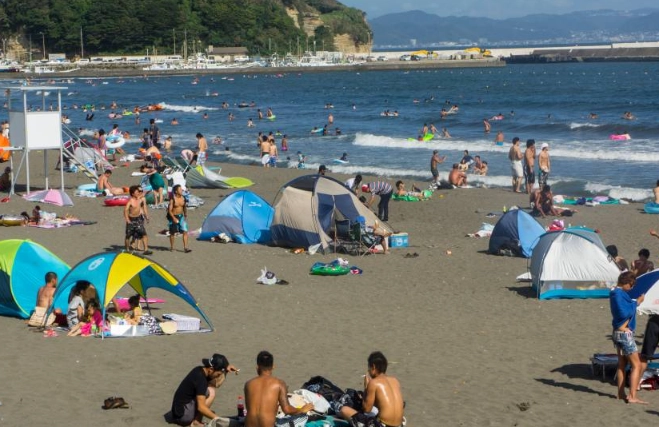
First things first, geography. Enoshima is an island. The immediate shoreline around much of the island itself is rocky, with breakwaters, and not suitable for swimming. The swimming happens on the magnificent stretches of sandy beach on the mainland, right before you cross the bridge to the island. These beaches are famously part of the Shonan coast and are what give the area its vibrant, summery vibe.
The two main beaches where the question "can you swim in Enoshima" becomes a reality are:
Both are stunning. But which one is for you? Here’s a quick breakdown.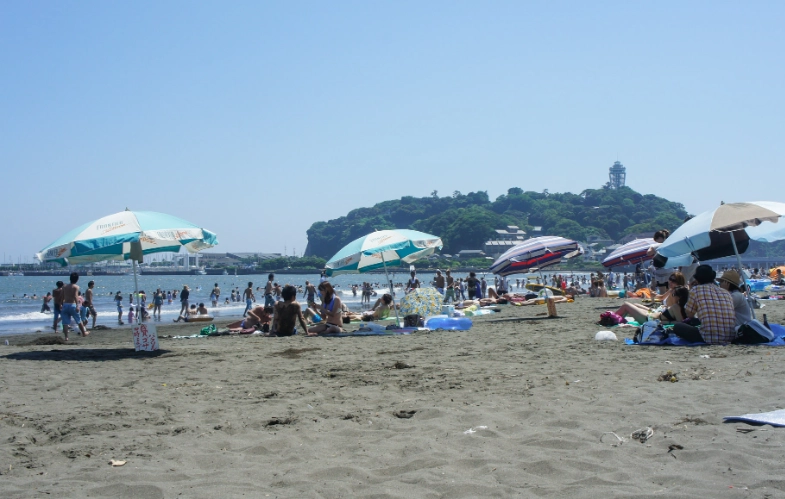
| Beach | Best For | Atmosphere | Key Note |
|---|---|---|---|
| Katase Higashihama | Families, first-time visitors, iconic photo ops (Mt. Fuji), easy access to Enoshima Island amenities. | Lively, bustling, full of beachgoers, lots of nearby shops and restaurants. | The most direct answer to "can you swim at Enoshima?" It's the main swimming beach. |
| Shichirigahama | Surfers, long walks, a slightly less crowded experience, sunset viewing. | More spread out, sporty, trendy cafes along the coast road. | Swimming is allowed, but always pay extra attention to surfers and flags. |
My personal take? For the classic Enoshima experience with everything at your fingertips, Katase Higashihama is it. But if crowds grate on you, the walk to Shichirigahama is worth it. Just remember, these are the only official swimming areas. Don't try your luck off the rocks on the island itself.
The Golden Rule: Swimming Season, Flags, and Lifeguards
This is the most critical part. Japan is meticulous about beach safety, and Enoshima is no exception. You cannot swim in Enoshima outside of the official season. No arguments. The season is short and sweet, typically running from mid-July to the end of August. Sometimes it might extend a few days into early September if the weather holds, but never count on it. Outside these dates, there are no lifeguards, and swimming is prohibited.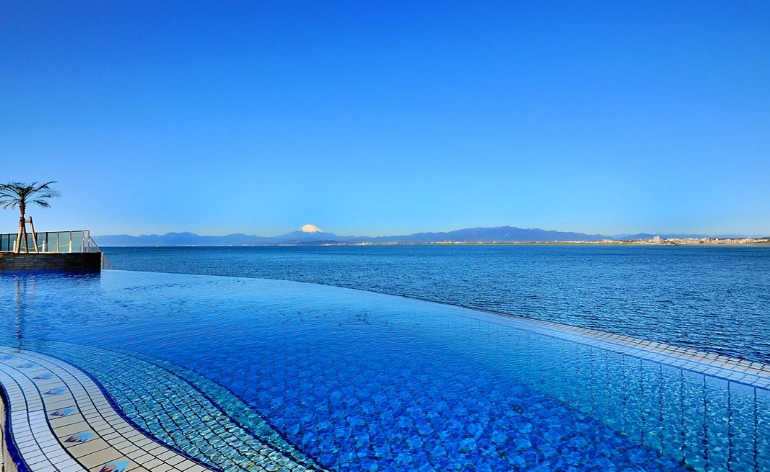
During the season, your bible is the flag system. Lifeguards are on duty and will raise flags indicating the conditions.
- Red Flag: Swimming is strictly prohibited. The sea is too dangerous. This could be due to high waves, strong currents, or poor water quality after a storm.
- Yellow Flag: Caution. Swimming is allowed but be careful. Conditions are not ideal—perhaps moderate waves or currents. Children and weak swimmers should stay shallow.
- White/Green Flag (or Blue in some systems): Safe for swimming. Conditions are good.
Ignore the red flag at your own extreme peril. The currents here can be no joke.
I once saw a red flag day where tourists were still wading in knee-deep water, thinking it was fine. The lifeguards were whistling constantly. It's not worth the risk. The Sagami Bay might look calm, but it can change. Always, always look for the flag station first thing when you arrive at the beach.
Water Quality: Is It Clean to Swim in Enoshima?
A very fair question. The water quality on the Shonan coast is generally good, especially during the stable summer weather. However, like any urban coastal area, it can be affected by rainfall. Heavy rain can cause runoff, which temporarily affects water quality.
The Japanese Ministry of the Environment monitors bathing water quality nationwide. Local authorities in Fujisawa City (which governs Enoshima) will temporarily restrict swimming if water quality tests fall below standard, often after a typhoon or heavy rain. This is another reason for the flag system. If you're particularly concerned, visiting a few days after heavy rain is wiser than going the day after.
The Unspoken Rules: Beach Etiquette and Regulations
Knowing you can swim in Enoshima is one thing. Knowing *how* to swim there respectfully and safely is another. Japanese beaches have a culture of consideration and order.
- No Alcohol Ban: This is a big one. Consuming alcohol on the beach is strictly prohibited. You might see people discreetly having a beer, but officially it's banned, and you can be fined. It's a major safety policy.
- No Smoking on the Sand: Smoking is usually confined to specific, designated smoking areas, not on the beach itself. Cigarette butts in the sand are a serious nuisance.
- Take Your Trash: There are often limited bins that overflow quickly. The expectation is that you take your rubbish home with you. Be prepared with a bag.
- No Tents or Large Structures: Small parasols and pop-up shade tents are usually okay, but setting up large enclosures that block the view for others is frowned upon.
- Glass is a No-Go: Never bring glass bottles or containers onto the beach. Broken glass in the sand is a nightmare.
- Respect the Swimmers' Lanes: At Katase Higashihama, they often set up designated swimming areas with ropes. Stay within them. This keeps swimmers safe from surfboards and other craft.
It sounds like a lot, but it's what keeps the beaches nice for everyone. The vibe is fun but orderly.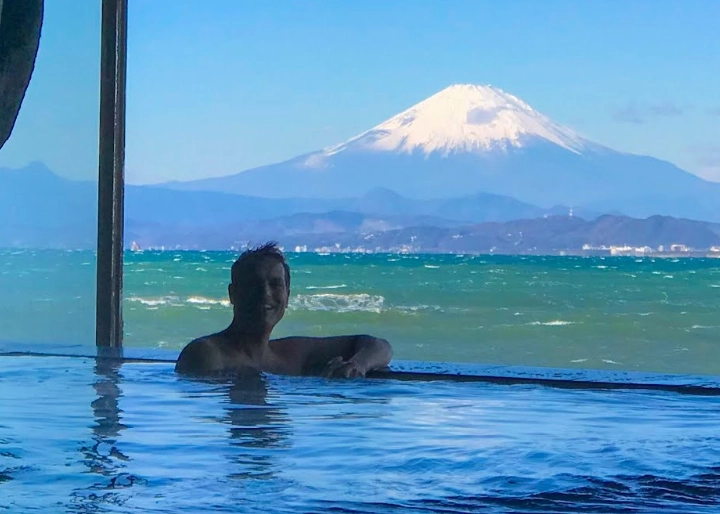
What If You Can't Swim? (Or the Flags Are Red)
Let's be real. The answer to "can you swim in Enoshima" might be "not today." Or maybe you're not a swimmer. The fantastic news is that Enoshima and the surrounding Shonan area are about so much more than just swimming. Honestly, some of my best days there involved no swimming at all.
Here’s your plan B, C, and D, ranked by how much fun I think they are.
Top Alternative Water & Coastal Activities
Stand-Up Paddleboarding (SUP): This has exploded in popularity. Several rental shops along the coast offer SUP boards. It's a phenomenal way to enjoy the water without full-on swimming, and you get a unique perspective of the island and coast. Much easier than it looks!
Becombing and Coastal Walks: The stretch from Katase to Shichirigahama is perfect for a long, leisurely walk. The sea breeze, the sound of the waves, the view of Enoshima and maybe Fuji—it's pure therapy. Collect seashells, watch the surfers, and just soak it in.
Enoshima Sea Candle (Observation Tower) & Samuel Cocking Garden: Go up! The view from the top of the Sea Candle is breathtaking, giving you a panoramic view of the entire bay, the beaches, and the distant mountains. The gardens on the way up are lovely too.
Enoshima Iwaya Caves: Explore the ancient caves on the far side of the island. They're lit up and tell the island's mythological history. It's cool (literally) and atmospheric.
Enoshima Aquarium (Enosui): A classic. If you want to see marine life without getting wet, this is the place. Their jellyfish exhibits are particularly mesmerizing. It's a bit dated in parts, but kids love it, and it's a solid rainy-day option.
Frequently Asked Questions (The Stuff You're Actually Searching For)
Mornings are generally calmer, less crowded, and the water is often clearer. Afternoons can get very crowded, especially on weekends in peak season. The sun is also strongest from late morning to mid-afternoon, so extra sunscreen is a must. Late afternoon swims can be beautiful as the heat wanes.
Yes, but they are pay-to-use. Near Katase Higashihama Beach, there are public shower houses (有料シャワー). Expect to pay a few hundred yen for a shower. There are also free foot-washing taps around the beach entrances to get sand off your feet. Changing is often done in your towel or in makeshift beach tents, as dedicated free changing rooms are limited.
Yes, but it's expensive and fills up incredibly fast on summer weekends. There are several paid parking lots near the beach and the Enoshima bridge. Public transport (Enoden Line or Shonan Monorail) is highly, highly recommended. The Enoden station drops you right at the beach.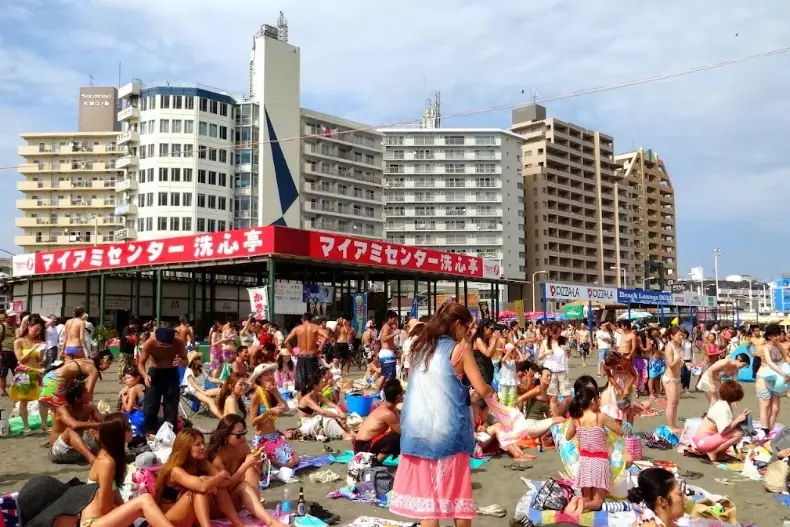
Small inflatables for kids are generally tolerated within the designated swimming area. However, large inflatable boats or anything that could easily be swept away by a current are a bad idea and likely to attract lifeguard attention. Keep it simple.
If you're planning a large group outing or any kind of event on the beach, you almost certainly need to apply for a permit from the Fujisawa City Office. Don't just show up with 50 people and a sound system.
Absolutely not. Swimming is only permitted during official lifeguard hours in the daytime. Once the lifeguards go off duty, the beach is closed for swimming. Night swimming is extremely dangerous and illegal.
During the swimming season (July-August), dogs are typically prohibited from the main swimming beach areas to maintain hygiene and safety. In the off-season, rules are more relaxed, but you should always check local signage and keep your dog on a leash.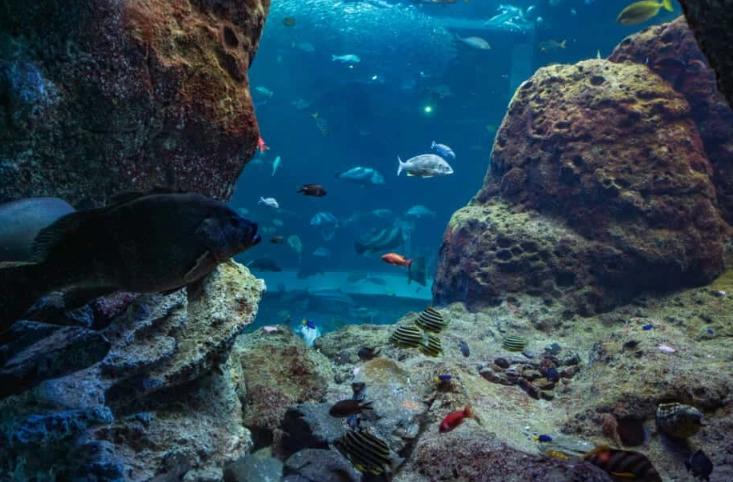
Jellyfish can occasionally be present. If you see them, it's best to get out of the water. Lifeguards will also post warnings. The usual advice applies: don't touch unfamiliar marine creatures. The beaches are sandy, so sea urchins on the swimming areas are rare, but watch your step on rocky areas.
Final Verdict: Should You Plan to Swim in Enoshima?
So, after all this, what's the bottom line? Can you swim in Enoshima?
You can, and it can be a fantastic part of a classic Japanese summer experience. But you must plan it as a conditional activity. Your primary plan should be to enjoy the Shonan coast and Enoshima Island. Swimming is a wonderful bonus if the stars align: if you visit during the short summer season, if the flags are green or yellow, and if the weather plays ball.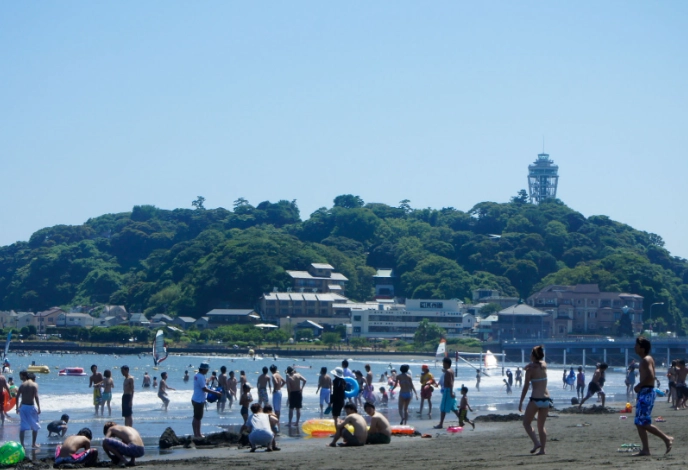
Don't make it the sole purpose of your trip. The beauty of Enoshima is its combination of natural coastal scenery, island exploration, great food (try the shirasu-don!), and that laid-back Shonan atmosphere. Pack your swimsuit with hope, but also pack your walking shoes and a sense of adventure.
Check the Fujisawa City official website for beach information (use browser translation) before you go for the most current status on swimming season dates and any advisories. That's your most reliable source.
Go, have an amazing time, and respect the ocean. That's how you truly enjoy whether or not you can swim in Enoshima on that particular day.


Comments