Let's be honest. You've probably seen a million pictures of the famous red gates at Fushimi Inari or the golden pavilion, Kinkaku-ji. They look amazing, sure. But actually planning a Kyoto travel adventure? That's where things get messy. How many days do you really need? Which temples are worth the hype (and the crowds)? And where do you even find good food that's not just a tourist trap?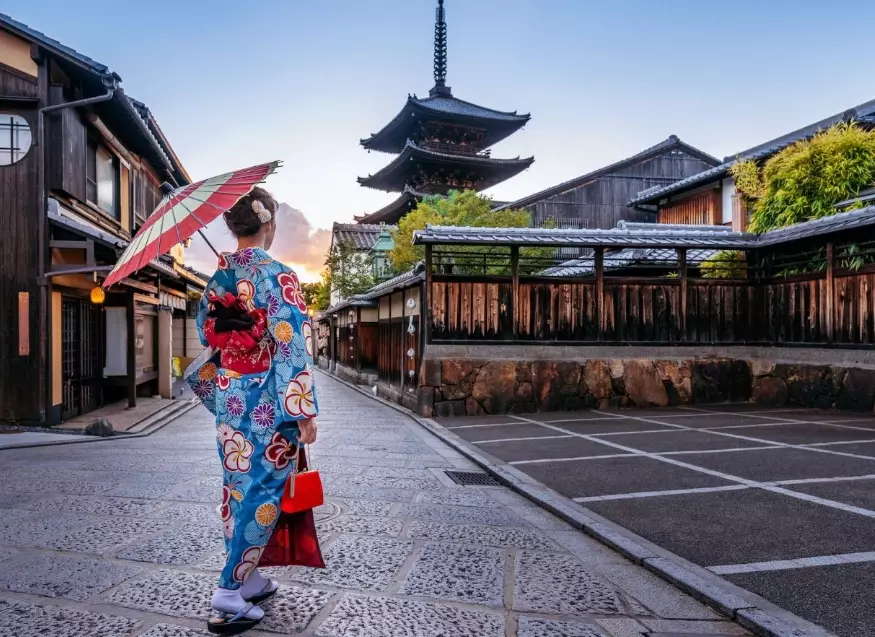
I've been there. My first trip to Kyoto was a blur of getting lost on buses, overpaying for mediocre lunches near major sights, and feeling like I was just ticking boxes. It was fine, but it wasn't great. It took a few more visits, some local tips, and plenty of mistakes to figure it out. So this guide? It's the one I wish I had. We're skipping the fluff and getting straight to what you need to know to have an amazing time, whether it's your first visit or your fifth.
Kyoto isn't just a list of sites. It's a feeling. The smell of incense in a quiet temple garden, the taste of freshly made matcha, the sound of geta (wooden sandals) on a stone lane in Gion. A proper Kyoto travel plan lets you experience that, not just photograph it.
In This Guide
- Why Kyoto? More Than Just Postcard Views
- When to Go: Timing Your Kyoto Travel Perfectly
- Crafting Your Kyoto Itinerary: A Realistic Breakdown
- The Temple Lowdown: Which Ones Deserve Your Time?
- Getting Around Kyoto: Buses, Trains, and Your Own Two Feet
- Eating in Kyoto: Beyond the Tourist Menus
- Where to Stay: Picking Your Kyoto Travel Base
- Budgeting for Your Kyoto Travel
- Kyoto Travel FAQs: Answering Your Real Questions
- Final Thoughts: Making It Your Own
Why Kyoto? More Than Just Postcard Views
Everyone says Kyoto is the cultural heart of Japan, and for once, everyone is right. It was the imperial capital for over a thousand years, which means history isn't just in museums here—it's in the streets, the architecture, the very air. But here's the thing a lot of guides miss: Kyoto is also a living, breathing modern city. You'll find sleek cafes in century-old machiya townhouses, and artisans who've been practicing the same craft for generations right next to trendy boutiques.
The magic of Kyoto travel is in the contrast. One minute you're in the serene, almost overwhelming green of the Arashiyama bamboo grove, and the next you're navigating the covered shopping arcades of Teramachi, looking for the perfect souvenir.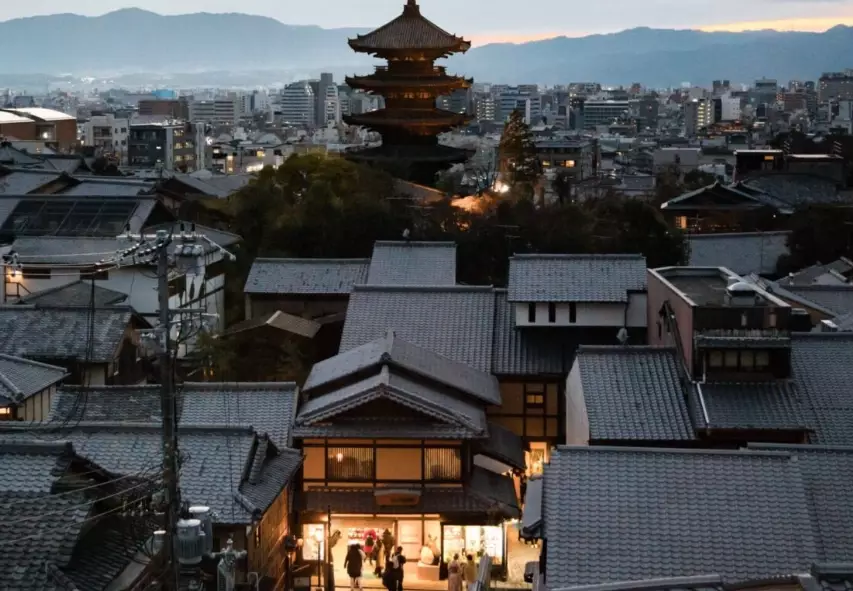
When to Go: Timing Your Kyoto Travel Perfectly
This is probably the most important decision you'll make. Get it wrong, and you'll be sharing every view with ten thousand other people. Get it right, and you might just have a temple garden almost to yourself.
Cherry Blossom Season (late March - early April): Look, it's as stunning as the photos. But it's also a logistical nightmare. Hotels triple in price, you need reservations for *everything* (even some temples now require timed tickets), and the main spots are shoulder-to-shoulder. It's magical, but it's not relaxed. Is it worth it? For the experience, maybe once. For a peaceful Kyoto travel experience, probably not.
Autumn (late October - late November): The koyo (autumn leaves) season is Kyoto's other superstar. The colors are insane—fiery reds, brilliant oranges, deep yellows. The crowds are almost as heavy as spring, but the weather is cooler and more comfortable. A good compromise is aiming for the very beginning or end of the season.
My personal favorite? Late November to early December. Most of the autumn crowd has left, the winter illuminations are starting (where temples and gardens are lit up at night—absolutely breathtaking), and you can feel the city breathe again. The weather is crisp, perfect for walking.
Shoulder Seasons (May-June, September-early October): This is the sweet spot for many. The weather is generally good, crowds are manageable, and prices are normal. June is the rainy season, but it's not constant downpours—more like frequent, passing showers that make the moss gardens at places like Saiho-ji (the Moss Temple) look incredibly lush and vibrant.
Winter (January-February): Don't overlook this! It can be cold, sure, but it's the quietest time of year. Seeing Kinkaku-ji dusted with snow is a rare and special sight. Plus, you can actually enjoy the famous sites without the queues.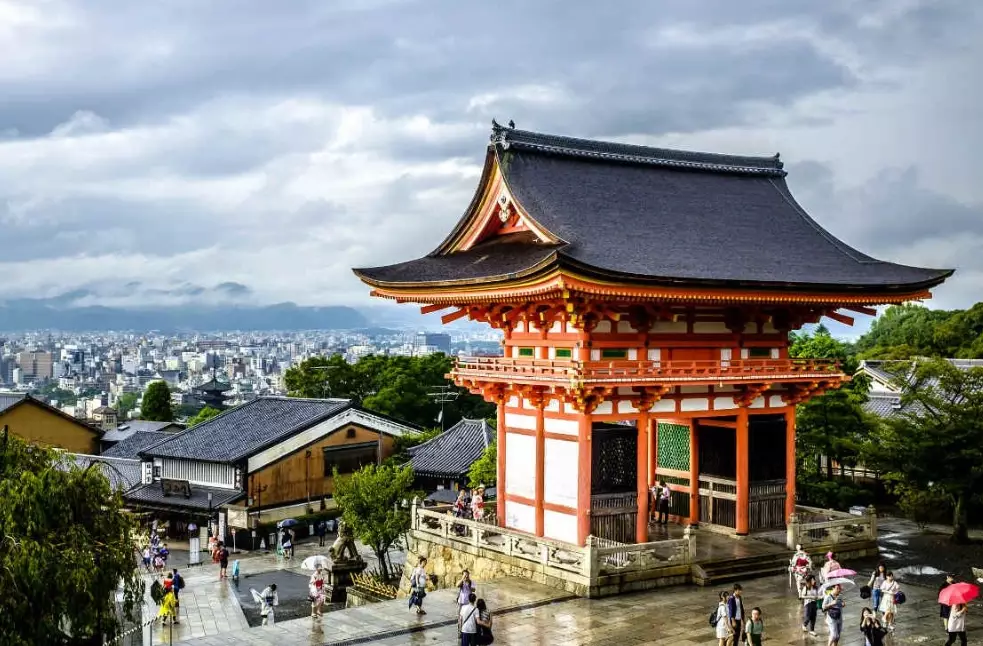
Crafting Your Kyoto Itinerary: A Realistic Breakdown
You can't see it all. Don't try. The biggest mistake is cramming in 15 temples in three days. You'll get "temple fatigue" and stop appreciating the beauty. It's better to see a few places deeply than to rush past a dozen.
If You Have 3 Days
Focus on one area per day to minimize travel time.
- Day 1 - Southeast Kyoto: Fushimi Inari Taisha (go EARLY, like 7 am, to beat the crowds on the path), then Tofuku-ji for its epic autumn colors or serene garden. Spend the afternoon in the Gion district, maybe catching a glimpse of a maiko (apprentice geisha) in the evening.
- Day 2 - Arashiyama: The bamboo grove (again, early is key), Tenryu-ji temple and its garden, then a stroll along the Katsura River. I'd skip the overcrowded monkey park unless you're really into monkeys.
- Day 3 - Northwest Kyoto: Kinkaku-ji (the Golden Pavilion), then Ryoan-ji for its famous Zen rock garden. Finish at the less-visited but lovely Ninna-ji temple.
If You Have 5 Days or More
Now you can breathe. Add these to your Kyoto travel plan: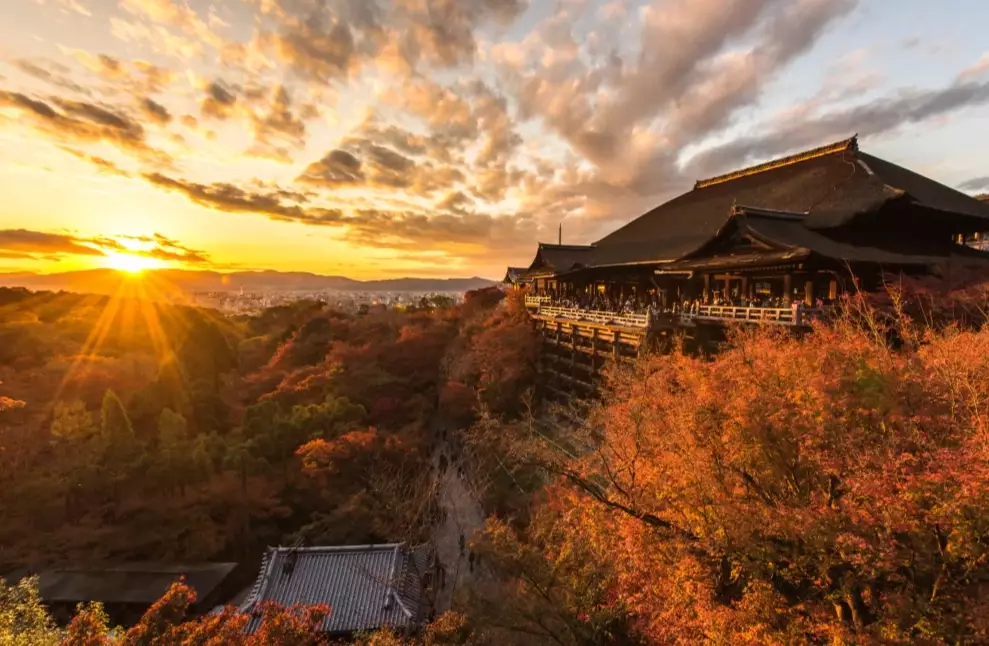
- The Philosopher's Path: A beautiful stone path along a canal, best in cherry blossom or autumn season. It connects two significant temples: Ginkaku-ji (the Silver Pavilion, which isn't actually silver but has a sublime dry sand garden) and Nanzen-ji (massive gate and interesting aqueduct).
- Nijo Castle: Not a temple, but the shogun's palace. The "nightingale floors" that squeak to warn of intruders are super cool. The gardens are vast and perfect for a stroll.
- Day Trip to Nara: It's only about 45 minutes by train. The Todai-ji temple with its giant Buddha and the friendly, bowing deer in Nara Park make for a fantastic and different day out. The Japan National Tourism Organization site has good info on accessing Nara.
Seriously, build in downtime. Get lost in a neighborhood like Pontocho Alley at dusk. Sit in a cafe. Rushing is the enemy of good Kyoto travel.
The Temple Lowdown: Which Ones Deserve Your Time?
There are over 1,600 temples in Kyoto. You need a filter. Here's my brutally honest take on the big names, plus some quieter alternatives.
| Temple Name | The Vibe | Crowd Factor | |
|---|---|---|---|
| Kinkaku-ji (Golden Pavilion) | Iconic, stunning, photogenic. A gold-leaf-covered pavilion over a pond. | Very High. The path is one-way and often packed. | It's a must-see, but you're basically on a conveyor belt. Go right at opening (9 am) or just before closing. The view is worth it, but the experience is short. |
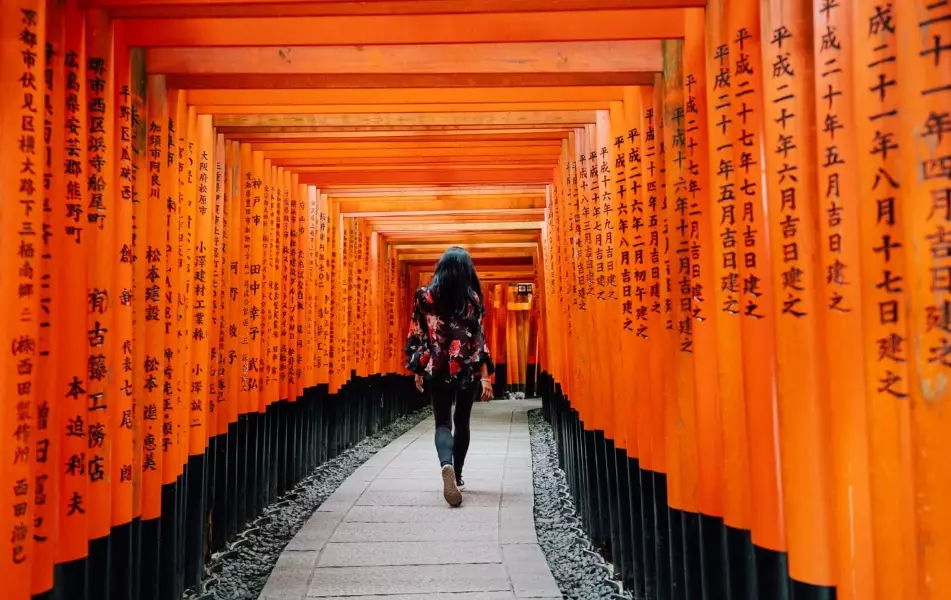
| Fushimi Inari Taisha | Thousands of vibrant red torii gates winding up a mountain. | Extremely High at the base. | DO NOT just stop at the first crowded section. Hike up for at least 30 minutes. The crowds thin out dramatically, and you'll find quieter, equally beautiful paths. Go at sunrise or after 5 pm for a more atmospheric experience. |
| Kiyomizu-dera | The grand wooden stage with panoramic city views. | Very High. The approach street is a tourist gauntlet. | The view is incredible, especially during cherry blossoms or autumn. The surrounding Higashiyama district is lovely to explore. Visit on a weekday if possible. |
| Ryoan-ji | The ultimate Zen experience. Famous karesansui (dry landscape) rock garden. | Medium-High. | Sit and contemplate. It's a thinking person's temple. The abstraction of 15 rocks (you can only ever see 14 from any angle) is meditative. I love it, but some find it underwhelming. |
| Ginkaku-ji (Silver Pavilion) | Elegant, understated, with beautiful moss and sand gardens. | Medium-High. | I prefer this to Kinkaku-ji. It's more subtle and peaceful. The meticulously raked sand cone (called the "Moon Viewing Platform") is fascinating. A great start/end point for the Philosopher's Path. |
| Ninna-ji | Former imperial villa, sprawling grounds, beautiful five-story pagoda. | Low-Medium. | A hidden gem near Ryoan-ji. Feels more spacious and less rushed. The late-blooming cherry trees in their garden are a secret delight in mid-April. |
Getting Around Kyoto: Buses, Trains, and Your Own Two Feet
Kyoto's subway system is limited (just two main lines). The bus network is extensive but can be confusing and gets stuck in traffic, especially during peak hours. Here’s the real deal.
The Kyoto City Bus & Subway Pass: For most tourists, this is a no-brainer. A one-day pass costs 1100 yen (as of my last check) and gives you unlimited rides on most city buses and the subway. If you're planning to visit more than two far-flung spots in a day, it pays for itself. You can buy it at subway station windows or from bus drivers. But here's a pro-tip: if you're just hopping between places in the downtown area (Gion, Kawaramachi, around Kyoto Station), you might not need it—just walk or pay the 230 yen single bus fare.
Trains: Use the JR lines (if you have a Japan Rail Pass) for trips to Arashiyama (Saga-Arashiyama Station), Fushimi Inari (Inari Station), and of course, to get to Kyoto from Osaka or Tokyo. The private Keihan and Hankyu lines are great for accessing the eastern side (Gion-shijo Station) and for trips to Osaka.
Walking & Biking: Kyoto is a fantastic city to walk in, especially the flat districts like Gion and along the Kamo River. Renting a bicycle is one of the best ways to explore at your own pace. Many guesthouses and rental shops offer them for around 1000 yen/day. Just be mindful of traffic and where you park—look for designated bicycle parking areas to avoid getting your bike towed.
Eating in Kyoto: Beyond the Tourist Menus
Kyoto cuisine (Kyo-ryori) is refined, seasonal, and often vegetable-heavy due to its historical ties to Buddhist temple cuisine (shojin ryori). But you don't need to spend a fortune on a multi-course kaiseki meal to eat well (though that's a wonderful splurge!).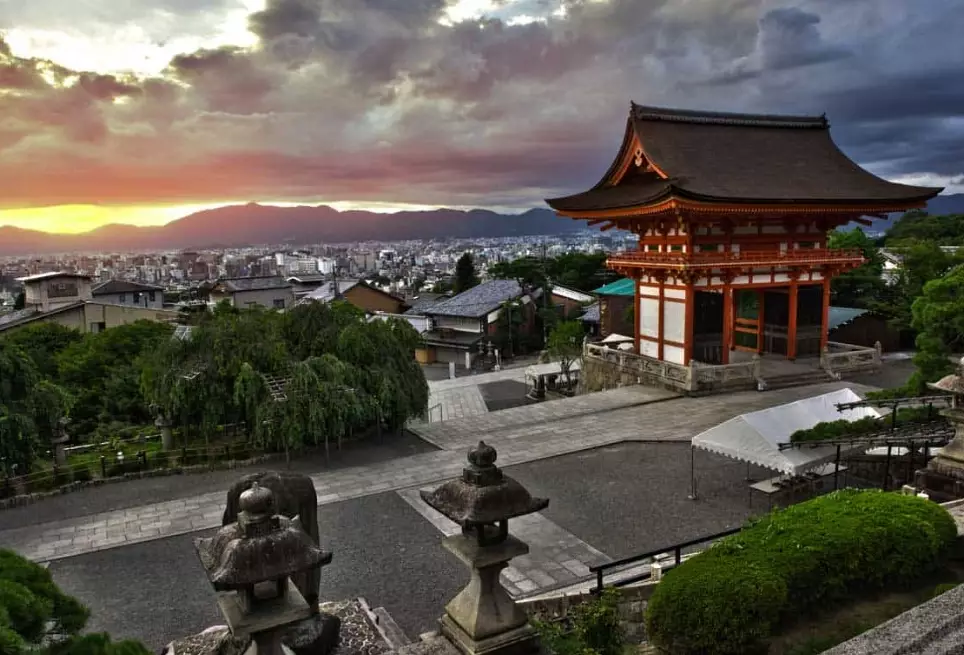
Must-Try Foods
- Yudofu: Simmered tofu. Sounds simple, but in Kyoto it's an art form. The tofu is silky, served in a delicate broth. Try it at a restaurant in Nanzen-ji temple area.
- Matcha Everything: This is the home of Japanese green tea. Have matcha ice cream, matcha lattes, matcha sweets. The matcha parfaits at places in Uji (a short train ride away) are legendary.
- Kyoto-style Sushi (Sabazushi): Pressed sushi, often with mackerel (saba). It's a local specialty, different from the nigiri you might be used to.
- Yatsuhashi: The classic souvenir. It's a cinnamon-flavored rice flour treat, often filled with sweet red bean paste. The baked version is crispy; the raw version (nama yatsuhashi) is soft and mochi-like.
Where to find the good stuff?
Avoid the restaurants with plastic food displays and English-only menus right outside major temples. Walk 5-10 minutes away. The Nishiki Market is a fun experience—a narrow, covered street food market—but it's very touristy now. Go early. For a more local vibe, explore the smaller streets around Demachiyanagi Station or the neighborhoods south of Gojo Street.
Where to Stay: Picking Your Kyoto Travel Base
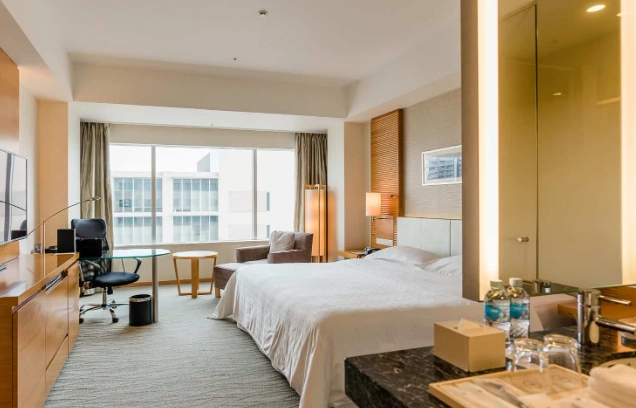
Location is everything. Kyoto Station area is super convenient for train arrivals/departures and has lots of hotel options, but it feels a bit generic and corporate.
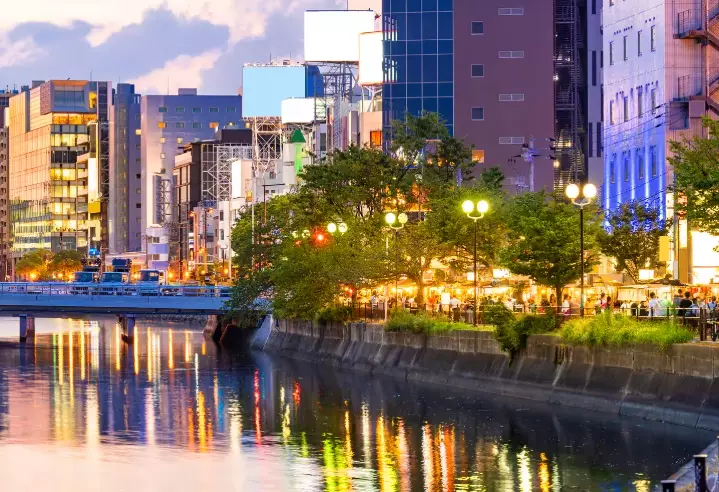
Downtown (Kawaramachi/Gion-Shijo): This is my top recommendation for first-timers. You're in the heart of the action—close to shopping, dining, Pontocho Alley, and the Kamo River. It's easy to get back to your hotel midday for a break. You can find everything from business hotels to luxury ryokan here.
Higashiyama (Eastern Kyoto): If you want to be surrounded by traditional atmosphere, this is it. You'll be close to Kiyomizu-dera, the Philosopher's Path, and Gion. The downside is that it can be quieter at night, and you'll rely more on buses to get to other parts of the city.
Arashiyama: Staying here gives you early morning access to the bamboo forest and temples before the day-trippers arrive. The evenings are peaceful and beautiful. However, it's far from the city center, so you'll be taking trains or buses for most other sightseeing.
Consider a ryokan (traditional inn) for at least one night. It's a unique experience—sleeping on a futon on tatami mats, wearing a yukata (cotton robe), and often enjoying a kaiseki dinner and breakfast. It's not cheap, but it's a core part of Japanese hospitality. Book these well in advance.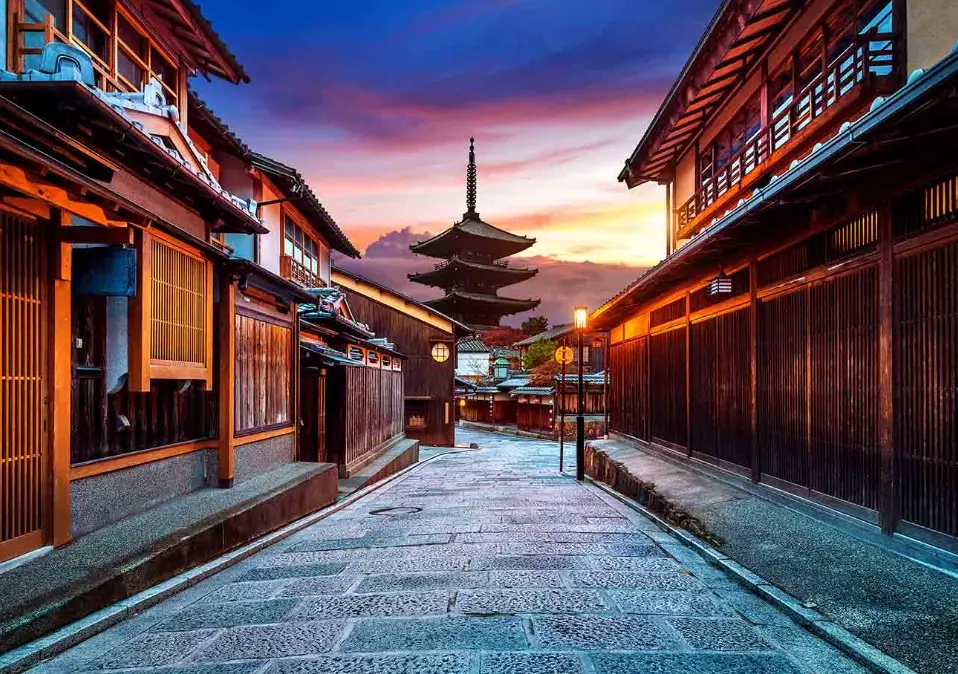
Budgeting for Your Kyoto Travel
Kyoto can be expensive, but it doesn't have to break the bank.
- Budget Accommodation: Capsule hotels, business hotels, or guesthouses: 3,000 - 8,000 yen per person per night.
- Mid-Range Hotels: Standard Western-style hotels or modest ryokan: 10,000 - 25,000 yen per room per night.
- Food: You can eat very well on a budget. Breakfast from a convenience store (7-Eleven, FamilyMart) is surprisingly good and cheap (500 yen). Lunch sets (teishoku) at local restaurants are often 800-1,500 yen for a full meal. Dinner can range from 1,500 yen for ramen/udon to 10,000+ yen for kaiseki.
- Attractions: Temple entrance fees add up! They're usually between 400-800 yen each. Budget for 2-3 per day.
- Transport: The daily bus/subway pass (1100 yen) is a good baseline if you're moving around a lot.
A realistic mid-range daily budget, excluding flights, is about 10,000-15,000 yen per person. You can go lower by eating more convenience store meals and staying in dorms, or much higher with luxury hotels and fine dining.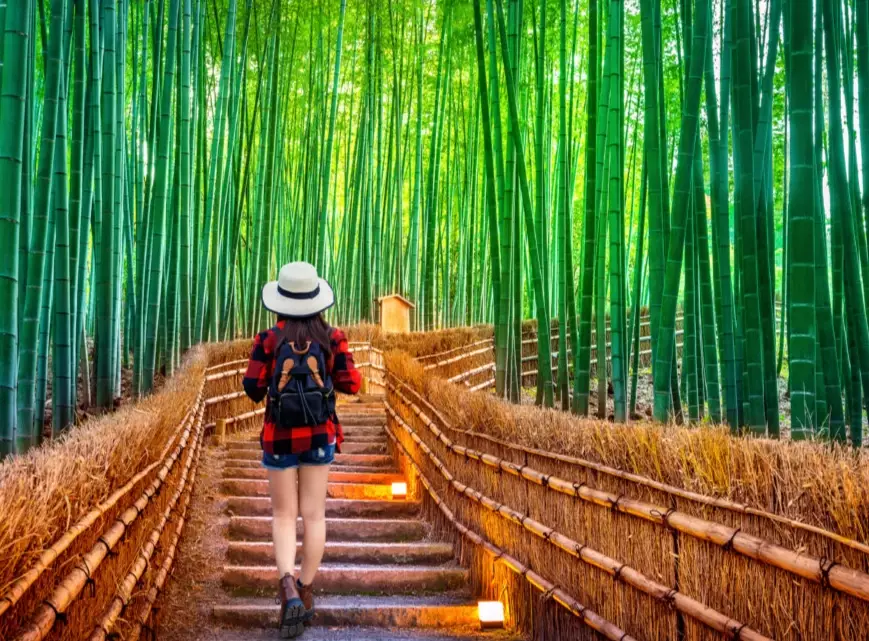
Kyoto Travel FAQs: Answering Your Real Questions
Final Thoughts: Making It Your Own
The best Kyoto travel advice I can give is this: have a plan, but be ready to abandon it. That quiet lane you wandered down might lead to a perfect little shrine. The unassuming restaurant with the handwritten menu might serve the best meal of your trip. Use this guide as a starting point, not a strict script.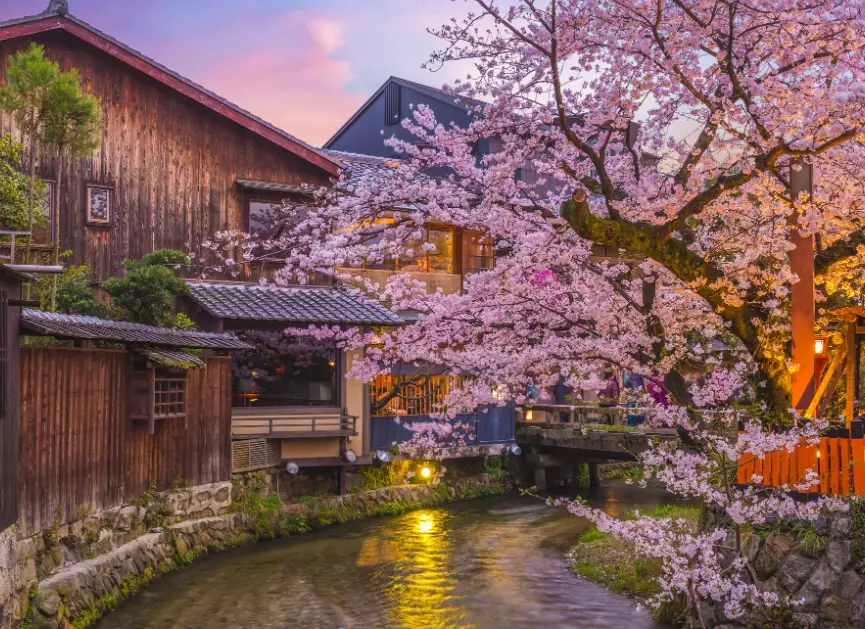
Kyoto rewards the curious and the patient. It's a city that reveals its secrets slowly. Don't just chase the icons. Sit by the river with a drink from a combini. Watch the light change on a moss garden. Listen to the monks chant.
That's the real magic. And it's waiting for you.
Got more questions? Drop a comment below (if this were a real blog, of course!). I'm always happy to chat more about one of my favorite places on earth.

Comments