In This Guide
- Getting Your Bearings: Before You Go
- Where to Stay in Kanazawa: Finding Your Base
- The Heart of Kanazawa Travel: The Must-Sees & Must-Dos
- Eating Your Way Through Kanazawa: A Food Lover's Guide
- Beyond the City Center: Worthwhile Day Trips
- Craft & Culture: Bringing a Piece Home
- Putting It All Together: Sample Kanazawa Itineraries
- Navigating the City: Getting Around Made Simple
- Budgeting for Your Kanazawa Travel
- Common Kanazawa Travel Questions Answered
- Final Thoughts: Embracing the Pace
Let's talk about Kanazawa. You've probably seen pictures of Kenrokuen, that stunning garden that looks almost too perfect to be real. But here's the thing – if you think Kanazawa travel is just about that one garden, you're missing about 90% of what makes this place special. I made that mistake on my first trip. I rushed in, saw the garden, and left feeling like I'd checked a box. It wasn't until I went back and actually spent time wandering without much of a plan that I fell for the city.
The rhythm here is different. It's not the frantic energy of Tokyo or the tourist crowds of Kyoto. Kanazawa has this quiet confidence. It knows it's beautiful and historically significant – this was the seat of the powerful Maeda clan during the Edo period, after all – but it doesn't feel the need to shout about it. Your Kanazawa travel experience will be filled with moments of discovery in quiet alleys, conversations with artisans who have been practicing their craft for generations, and meals that are simple yet unforgettable.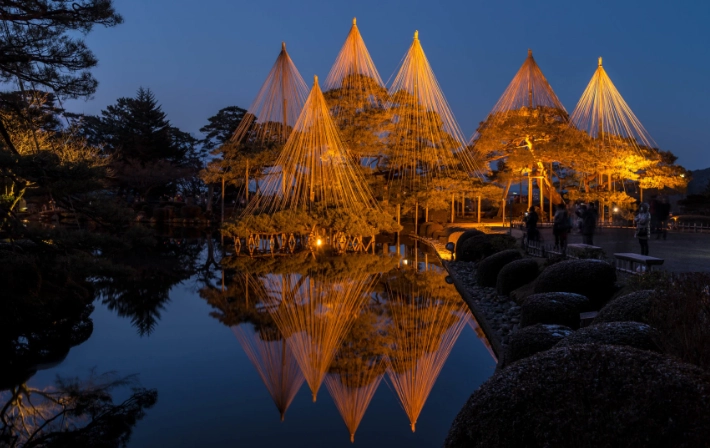
Why Kanazawa? Honestly, it's for travelers who are a bit tired of the well-trodden path. It's for people who want to see traditional Japan that feels lived-in, not just preserved for show. The geisha districts here, like Higashi Chaya, are active. You might hear the faint sound of a shamisen from behind a latticed window. The samurai houses in Nagamachi aren't just museums; you can feel the history in the narrow, winding lanes designed to confuse attackers. This is a city that rewards the curious.
Getting Your Bearings: Before You Go
Planning is key for a smooth Kanazawa travel adventure, but don't over-plan. Leave room to get lost.
Best Time to Visit: This is the eternal question, right? Spring (late March to April) is gorgeous for the cherry blossoms in Kenrokuen, but it's also the busiest. Autumn (October to November) is my personal favorite. The gardens are on fire with red and gold maple leaves, and the air is crisp. Summer can be hot and humid, and winter brings snow – which makes the garden look like a fairy tale, but you'll need to bundle up. Shoulder seasons (late May-June, September) often have decent weather and fewer people.
How to Get There: Kanazawa is surprisingly well-connected now thanks to the Hokuriku Shinkansen line. From Tokyo, it's a comfortable 2.5-hour bullet train ride. You can check schedules and book tickets on the official JR East website. From Osaka or Kyoto, the Thunderbird limited express train takes about 2 to 2.5 hours. There's also Komatsu Airport (KMQ) about a 40-minute bus ride away, with some international flights from parts of Asia.
Money-Saving Tip: If you're doing extensive travel in Japan, a Japan Rail Pass might pay off, especially for that Tokyo-Kanazawa shinkansen trip. Do the math based on your full itinerary. For just a Kanazawa trip from Tokyo, sometimes a discounted advance Shinkansen ticket (called "Kodama" or advance purchase "Hayatoku" fares) can be cheaper than activating the full pass.
Where to Stay in Kanazawa: Finding Your Base
Location matters. Kanazawa isn't huge, but where you stay sets the tone.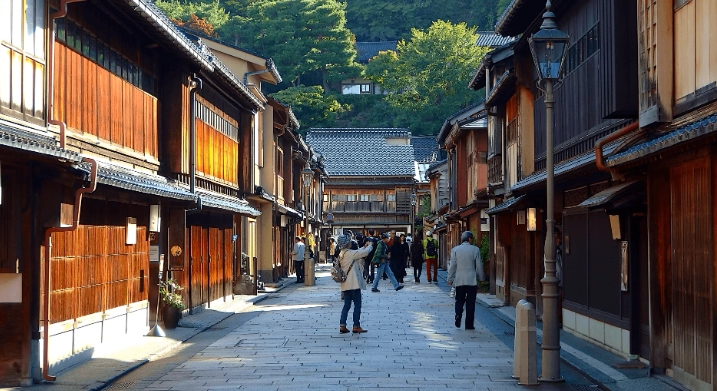
- Near Kanazawa Station: Super convenient, especially if you have heavy luggage or are taking day trips. The area has modern hotels (like the Hotel Nikko or the Mitsui Garden). The downside? It feels a bit generic and you'll need to take a bus or taxi to the main historical districts.
- Katamachi/Korinbo Area: This is the downtown, commercial heart. Great for food, shopping, and nightlife. It's a good, central base with a mix of business hotels and more upscale options. You can walk to the castle park and garden from here in about 20-25 minutes.
- Higashi Chaya or Nagamachi Areas: Want to wake up in the history? A few lovely ryokans (traditional inns) and boutique hotels are nestled here. It's atmospheric and peaceful at night after the day-trippers leave. The trade-off is that you might be farther from the station and some restaurants close early.
I stayed in Katamachi once and loved the ability to just stumble out at 8 PM and find a dozen amazing izakayas. On another trip, I splurged on a ryokan near Higashi Chaya. Waking up to the silent, misty streets before anyone else was there was pure magic. Worth every yen.
The Heart of Kanazawa Travel: The Must-Sees & Must-Dos
Okay, let's get into the meat of it. What should you actually do with your time? Think of it in clusters.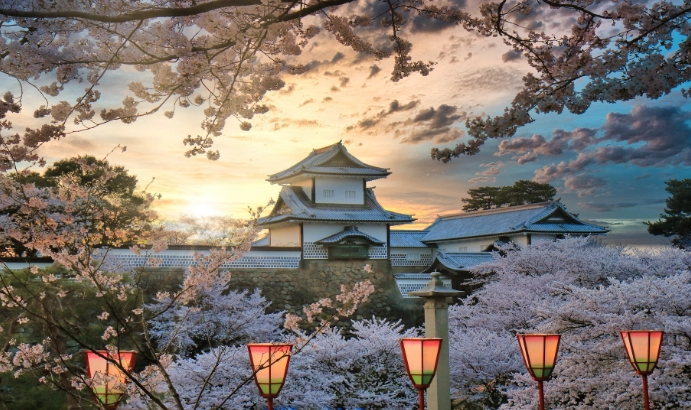
The Kenrokuen & Castle Park Cluster
You can't talk about Kanazawa travel without starting here. Kenrokuen Garden is legitimately one of Japan's top three gardens. The name means "Garden of the Six Sublimities" – spaciousness, seclusion, artifice, antiquity, water, and views. It's a landscape garden meant to be walked through and enjoyed from different angles. Don't just rush to the famous Kotojitoro Lantern (the two-legged one by the water), snap a pic, and leave. Find a bench. Watch the way the light filters through the ancient pines. The garden changes with the seasons, and the official Ishikawa Prefecture site for Kenrokuen has great info on seasonal highlights.
Right next door is Kanazawa Castle Park. The castle itself is a careful reconstruction (the original burned down a few times, as wooden castles do), but the scale is impressive. The Hishi Yagura turret, Gojikken Nagaya warehouse, and Hashizume-mon Tsuzuki Yagura are beautifully restored using traditional wooden joinery techniques. The vast lawn in front is perfect for a picnic if the weather's nice.
The Higashi Chaya District
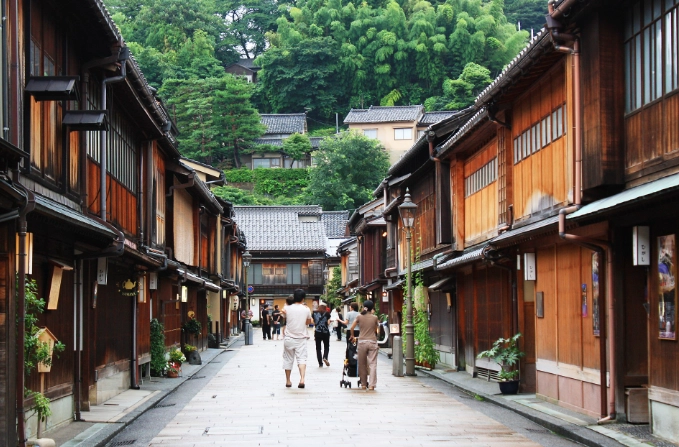
This is the famous geisha district. The main street can get crowded, but the charm is in the side alleys. The wooden-latticed buildings (called *chaya*) are where geiko (the local term for geisha) and maiko entertained. Some are still active teahouses, requiring an introduction. Others are open to the public as cafes, shops, or museums.
Must-visit here: The Shima Teahouse, a designated cultural property you can enter to see the intimate performance rooms. Also, Kaikaro Teahouse is partly open as a gallery/cafe – check out the incredible *Noh* stage on the top floor. For gold leaf everything (a Kanazawa specialty), Hakuichi is the place. Yes, you can get soft serve ice cream covered in edible gold leaf. It's as extra as it sounds, and honestly, kind of fun to try once.
The Nagamachi Samurai District
A short walk from the castle, this area feels completely different. The samurai weren't allowed to flaunt wealth, so the exteriors of their homes were simple earthen walls. But inside, some were quite refined. The Nomura-ke Samurai House is the star here. You pay a small fee to enter and see the beautiful interior with a stunning small garden and samurai artifacts. Walking the narrow, cobbled lanes with the high walls on either side is an experience in itself. You half expect a samurai to round the corner.
The 21st Century Museum of Contemporary Art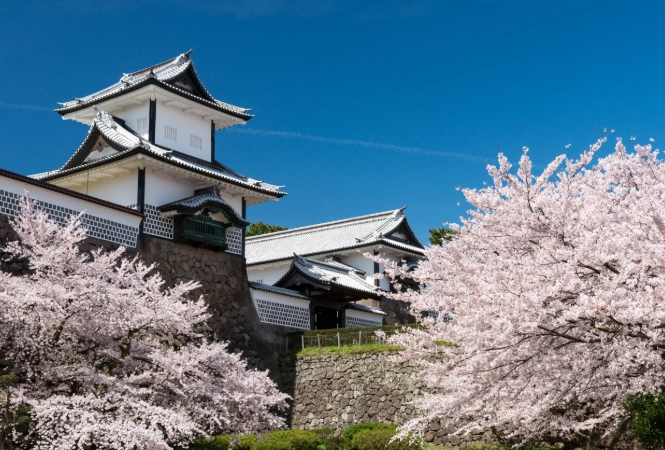
This might seem like an odd addition to a historical city guide. Trust me. This circular, glass-walled museum is a masterpiece of modern architecture and a fantastic counterpoint to all the history. Even if you don't go inside (the exhibitions are great, though), the grounds are free to explore. The most famous piece is Leandro Erlich's "Swimming Pool" – it looks like a deep pool, but you can walk underneath it and look up at people seeming to stand on the water's surface. It's a brilliant illusion and always a hit. It perfectly symbolizes how Kanazawa blends the old and the new seamlessly.
Eating Your Way Through Kanazawa: A Food Lover's Guide
Food is a huge part of the Kanazawa travel experience. The Sea of Japan provides incredible seafood, and the region is famous for its high-quality produce, sake, and, of course, gold leaf.
Seafood is King: The Ōmi-cho Market is your temple. It's smaller and less chaotic than Tokyo's Tsukiji, but the quality is just as high. Go hungry for breakfast or lunch. Don't just look – eat. Sushi stalls serve incredibly fresh *nodoguro* (blackthroat seaperch), *kani* (crab, especially in winter), and sweet shrimp. A *kaisen-don* (seafood rice bowl) here is a rite of passage.
Local Specialties You Have to Try:
- Jibuni: A hearty duck or chicken stew with wheat gluten and vegetables, simmered in a soy-based broth. Winter comfort food at its best.
- Kabura-zushi: A type of pressed sushi where yellowtail is sandwiched between turnip slices and fermented. The taste is unique – slightly sour and savory. An acquired taste for some, but a true local dish.
- Kaga Vegetables: The region's heirloom veggies, like *Kaga renkon* (lotus root with a distinctive pattern) and *Kaga hijiki* (a type of seaweed). You'll find them in tempura or as side dishes.
- Gold Leaf… on Anything: Beyond the ice cream, you can find gold leaf on coffee, in sweets, even on sushi. It's tasteless but adds a celebratory flair.
A Word on Sake: Ishikawa Prefecture is a sake powerhouse. Breweries like Kikuhime, Kubota (actually Asahi Shuzo's brand), and Fukui produce award-winning brews. The water from the Hakusan mountains is perfect for sake making. Visit a sake brewery like Fukumitsuya (they have a shop in Higashi Chaya) for a tasting. Or, just order a local sake with your dinner. You won't be disappointed.
Beyond the City Center: Worthwhile Day Trips
Got an extra day? Your Kanazawa travel plans can easily expand outward.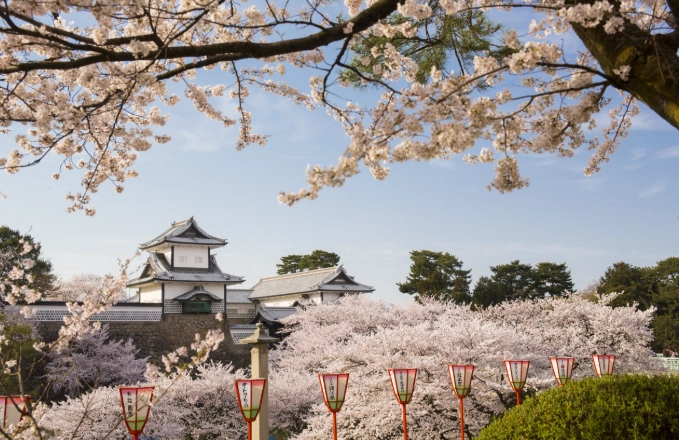
- Shirakawa-go & Gokayama: The famous thatched-roof *gassho-zukuri* villages are a UNESCO World Heritage site. They're about 1 to 1.5 hours away by bus. Incredibly picturesque, especially under snow. Book bus tickets in advance during peak seasons – they sell out. You can find booking info via the Japan Guide page on access, which is a reliable resource.
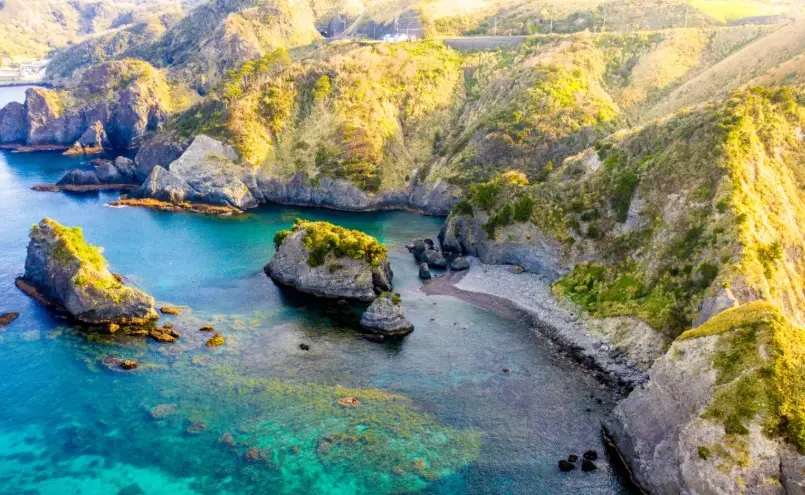
- Noto Peninsula: For a rugged, coastal experience. Dramatic sea cliffs, quiet fishing villages, and the famous Senmaida ("Thousand Rice Fields") terraces in Shiroyone. This is a slower, more remote side of Ishikawa. Rent a car for this one if you can.
- Fukui Prefecture (Eiheiji Temple & Dinosaur Museum): A short train ride south. Eiheiji is one of Soto Zen Buddhism's two head temples – a serene, powerful complex where monks train. In stark contrast, Fukui's Dinosaur Museum is world-class, with incredible fossils found in the region. A weirdly perfect combo.
Craft & Culture: Bringing a Piece Home
Kanazawa is a city of artisans. The Kaga Yuzen silk dyeing, Kutani porcelain, gold leaf craft, and lacquerware are all famous. Instead of buying mass-produced souvenirs, look for smaller workshops or galleries.
The Ishikawa Prefectural Museum of Traditional Products and Crafts is a great starting point to see everything in one place and understand the techniques. Then, hit specific areas:
- For Kutani porcelain: Shops in the Katamachi area or the Kutani Kosen Kiln where you can try painting your own.
- For Gold Leaf: The Gold Leaf Sakuda shop in Higashi Chaya, or visit the Gold Leaf Museum to see stunning artifacts.
- For Kaga Yuzen: The Kaga Yuzen Kimono Center where you can see demonstrations and even try a simple dyeing experience.
Buying a small, handcrafted item – a sake cup, a lacquered chopstick rest, a piece of gold leaf paper – feels more meaningful than a keychain.
Putting It All Together: Sample Kanazawa Itineraries
How you structure your Kanazawa travel days depends entirely on how much time you have. Here's a breakdown.
| Time | Itinerary Focus | Key Activities |
|---|---|---|
| 1 Day (The Blitz) | The Absolute Essentials | Morning at Kenrokuen & Kanazawa Castle. Lunch at Ōmi-cho Market. Afternoon in Higashi Chaya District. Quick visit to Nagamachi or the 21st Century Museum if time permits. It's rushed, but doable. |
| 2 Days (The Sweet Spot) | Deep Dive into Culture | Day 1: Kenrokuen, Castle, Ōmi-cho lunch, Nagamachi District. Day 2: Higashi Chaya District in the morning (visit Shima Teahouse), 21st Century Museum, afternoon free for crafts/shopping or a relaxing stroll along the Asano River. Much more relaxed. |
| 3+ Days (The Immersion) | Experience & Excursion | Days 1 & 2: As above, at a leisurely pace. Add a sake tasting, a craft workshop (like gold leaf application), and more time exploring side streets. Day 3: Dedicated day trip to Shirakawa-go (highly recommended) or the Noto Peninsula. |
My advice? If you can possibly swing it, give yourself at least two full days in Kanazawa itself. One day feels like you're just sampling the appetizer. Two lets you breathe it in.
Navigating the City: Getting Around Made Simple
Kanazawa is very walkable in its central clusters, but the clusters are a bit spread out. Here's your transport cheat sheet:
- Kanazawa Loop Bus & Kenrokuen Shuttle: This is your best friend. The two loop bus lines (Right Loop and Left Loop) cover all major tourist sites from the station. The flat fare per ride is reasonable, but the One-Day Pass is a no-brainer if you plan to use the bus more than twice. You can buy it at the station. The Kenrokuen Shuttle is a smaller bus that goes between the station and the garden/castle area.
- Walking: The distance from the station to Kenrokuen is about a 30-40 minute walk. Doable if you like walking, but you'll be doing a lot of walking at the sites themselves, so the bus can save your feet.
- Taxi: Not overly expensive for short hops between districts, especially if you're in a group of 3-4. Useful at night or if you're tired.
- Bicycle: A fantastic way to see the city! Rental shops are near the station. Kanazawa is mostly flat, and there are good cycling paths along the rivers. This is a highly underrated option for good weather days.
Budgeting for Your Kanazawa Travel
Let's be real. Japan isn't the cheapest destination, but Kanazawa can be enjoyed on different budgets.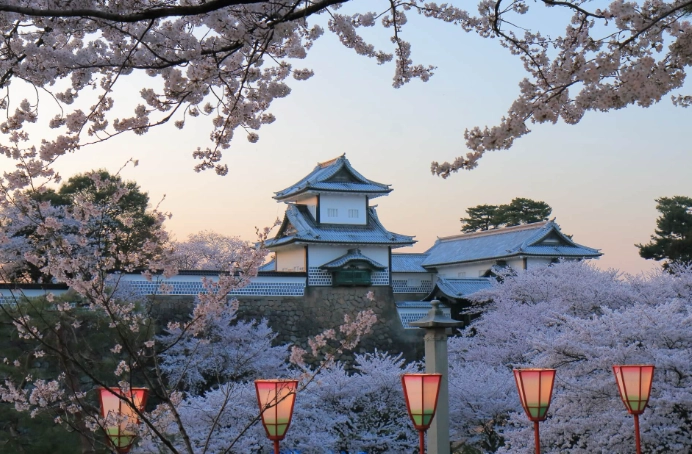
Budget Traveler (per day): Stay in a capsule hotel or budget business hotel (~¥5,000-7,000). Eat one meal at Ōmi-cho Market (¥1,500-2,000), convenience store breakfast, and a cheap ramen or curry for dinner (¥800-1,000). Use the one-day bus pass (¥600). Entrance fees to major sites add up to about ¥2,000. Total: ~¥10,000-12,000 per day.
Comfort Traveler (per day): Stay in a mid-range business hotel or nice guesthouse (~¥8,000-12,000). Enjoy proper restaurant meals – a good sushi lunch (¥3,000), a nice dinner at an izakaya with local sake (¥4,000-5,000). Take taxis occasionally. Do a craft workshop (¥2,000-3,000). Total: ~¥18,000-25,000+ per day.
Splurge Traveler: A night in a beautiful ryokan with kaiseki dinner and breakfast (¥30,000-50,000+ per person). Fine dining experiences. Private taxi tours. The sky's the limit.
Common Kanazawa Travel Questions Answered
I get asked these all the time by friends planning their trips.
Final Thoughts: Embracing the Pace
The biggest mistake you can make in your Kanazawa travel planning is to schedule every minute. This city has a rhythm that encourages slowness. Get lost in the backstreets of a chaya district after the tour buses leave. Sit by the stream in Kenrokuen for twenty minutes just watching the koi. Strike up a conversation with a shopkeeper (even with gestures). Have a second cup of coffee in a quiet cafe.
Kanazawa reveals itself in those quiet, unplanned moments. It's a city that preserves the arts, the crafts, the food culture, and the architecture of old Japan not as a museum piece, but as a living, breathing part of its identity. That's the magic. That's what keeps me, and so many others, coming back.
So plan your must-sees, but leave the gaps. Your most lasting memory of Kanazawa might just happen in one of them.

Comments