Winter transforms Japan into a different world. The crowds thin out, the air gets crisp, and the landscape dresses in white. A 14-day Japan winter itinerary lets you experience the magical contrast of serene snowscapes, steaming hot springs (onsen), vibrant city lights, and some of the world's best powder snow. Forget the crowded cherry blossom season; winter is for those who want culture, comfort, and adventure wrapped into one trip. I've done this loop multiple times, and each visit reveals new hidden corners and confirms old favorites.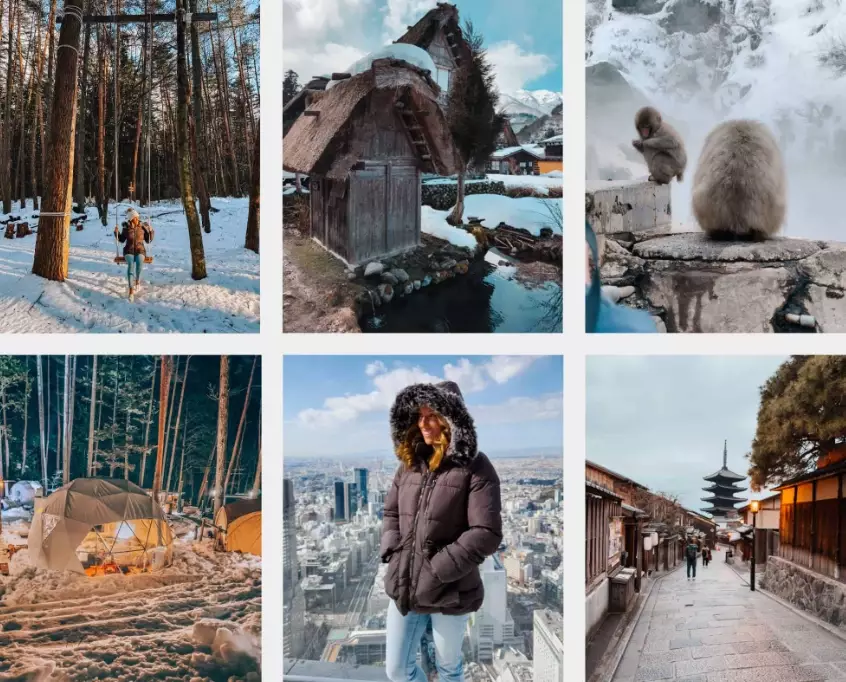
Your Winter Journey at a Glance
The 14-Day Route: A Quick Overview
This itinerary is a loop designed for efficiency and variety, using Japan's superb rail network. We start in Tokyo, head to the iconic Mount Fuji area, fly north to Hokkaido for deep snow, then return to the Kansai region for history and food before departing.
Core Route: Tokyo (4 nights) → Hakone (2 nights) → Sapporo, Hokkaido (3 nights) → Kyoto (3 nights) → Osaka (1 night for departure).
You'll need a 14-day Japan Rail Pass for the Tokyo-Hakone-Kyoto-Osaka legs. The flight to Hokkaido is separate (book in advance for good deals). Internal flights in Japan are efficient and often affordable.
Days 1-4: Tokyo's Urban Winter Pulse
Tokyo in winter is all about indoor coziness and stunning outdoor illuminations. The cold makes steaming ramen and warm sake even more rewarding.
Where to Stay in Tokyo (Winter Edition)
Stay near a major train station. Trust me, dragging luggage through less-connected neighborhoods in the cold is no fun.
- Shinjuku: The ultimate transport hub. The Hotel Gracery Shinjuku (1-19-1 Kabukicho, Shinjuku) is right in the action. Rooms are compact but well-designed. Expect around ¥15,000-20,000/night.
- Ginza/Shibuya: For more upscale shopping and dining. Mitsui Garden Hotel Ginza Premier (8-13-1 Ginza, Chuo) has great views. Slightly pricier at ¥20,000+/night.
Must-Do Winter Activities in Tokyo
Illuminations: The Roppongi Hills and Caretta Shiodome displays are iconic. Free to view, usually from late November to February.
TeamLab Planets TOKYO Toyosu: (6-1-16 Toyosu, Koto-ku). An immersive digital art museum where you walk through water. A surreal experience any time, but a wonderful escape from the cold. Book tickets online (around ¥3,800). Open 9:00-22:00.
Tsukiji Outer Market: Go early for the freshest seafood breakfast. Warm up with a bowl of rich kaisen-don (seafood rice bowl). Many stalls open from 5:00 AM.
Winter Food Hunt: Seek out nabe (hot pot) restaurants. Nabezo (multiple locations) is a reliable all-you-can-eat chain. For ramen, Ichiran is a classic, but the tiny Ramen Nagi in Shinjuku's Golden Gai has a rich, unique king crab broth perfect for winter.
Days 5-7: Hakone & Mount Fuji Views
Take the Odakyu Romancecar from Shinjuku to Hakone-Yumoto (covered by the Hakone Free Pass, which you should buy). This is your classic onsen and Fuji-view territory.
Your Hakone Ryokan Experience
Stay in a ryokan (traditional inn) with a private outdoor bath. This is the heart of a Japan winter trip.
- Gora Kadan: (1300 Gora, Hakone). Luxury defined. Multi-course kaiseki dinner served in-room, stunning gardens. From ¥80,000 per person with meals.
- A more budget-friendly gem: Yama no Chaya (96 Motohakone, Hakone). Rustic charm, riverside location, excellent food. Around ¥30,000 per person with meals.
Winter tip: Clear, cold days after snowfall offer the highest chance of seeing Mount Fuji in all its glory from Lake Ashi or the Hakone Ropeway.
Days 8-10: Hokkaido's Snow Paradise
Fly from Tokyo's Haneda (HND) to New Chitose Airport (CTS) near Sapporo. This is where the real winter wonderland begins.
Sapporo Base & Day Trips
Stay in Sapporo for access to food and day trips. The JR Tower Hotel Nikko Sapporo (directly above Sapporo Station) is ultra-convenient, especially with ski gear.
Sapporo Snow Festival (Early to Mid-February): If your dates align, this is a must-see. Massive ice sculptures, food stalls, and a festive atmosphere. Book accommodation at least 6 months in advance.
Day Trip to Otaru: A 30-minute train ride. The canal area looks like a snow globe. Don't miss the music box museum and fresh sushi at Sushi Zen (3-2 Minatomachi, Otaru).
Skiing or Snow Viewing
You have two choices here, and I recommend picking one based on your interest.
| Option | Destination | What to Expect | Logistics |
|---|---|---|---|
| Skiing/Snowboarding | Niseko or Rusutsu | World-famous powder snow (Japow), international vibe, plenty of English-speaking instructors. | Bus from Sapporo (2-2.5 hrs). Consider staying a night at the resort if you're serious. |
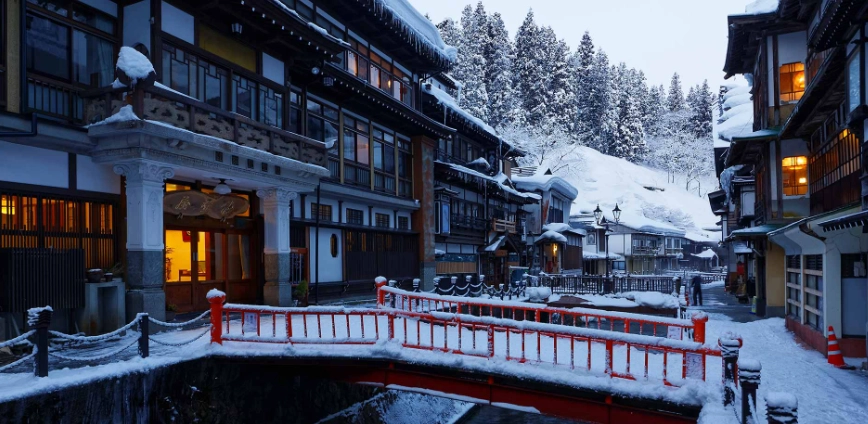
| Scenic Snowscapes | Shirakawa-go (via Toyama) | The famous thatched-roof villages under meters of snow. A photographer's dream. Less about sports, more about culture and scenery. | This is a longer detour. You'd fly from Sapporo to Toyama, then take a bus. It adds travel time but is unforgettable. |
Days 11-14: Kyoto, Osaka & Departure
Fly from Sapporo to Osaka's Itami (ITM) or Kansai (KIX) airport. Use your active JR Pass to take the Haruka Express train to Kyoto.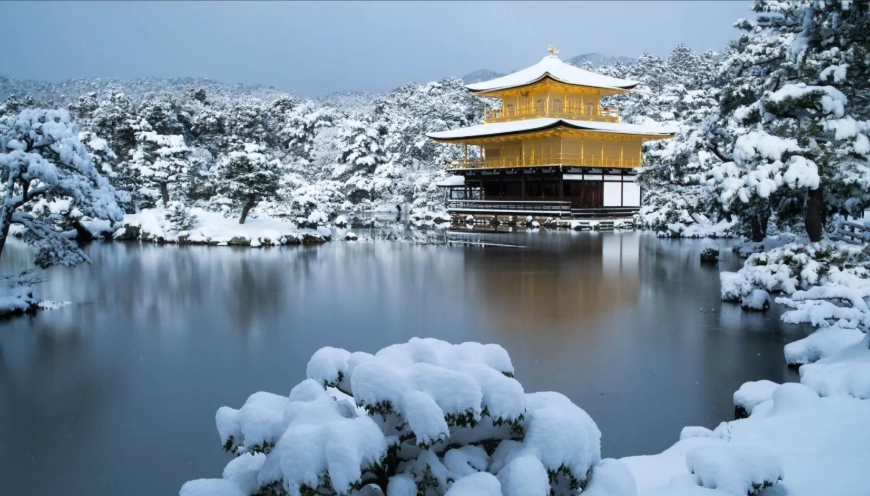
Kyoto's Serene Winter
Winter is one of the best times to see Kyoto's temples. The gardens are dusted with snow, and the crowds are manageable.
Kinkaku-ji (The Golden Pavilion): (1 Kinkakujicho, Kita). Covered in gold leaf, against a backdrop of snow and a grey sky – the contrast is stunning. Admission: ¥400. Open 9:00-17:00.
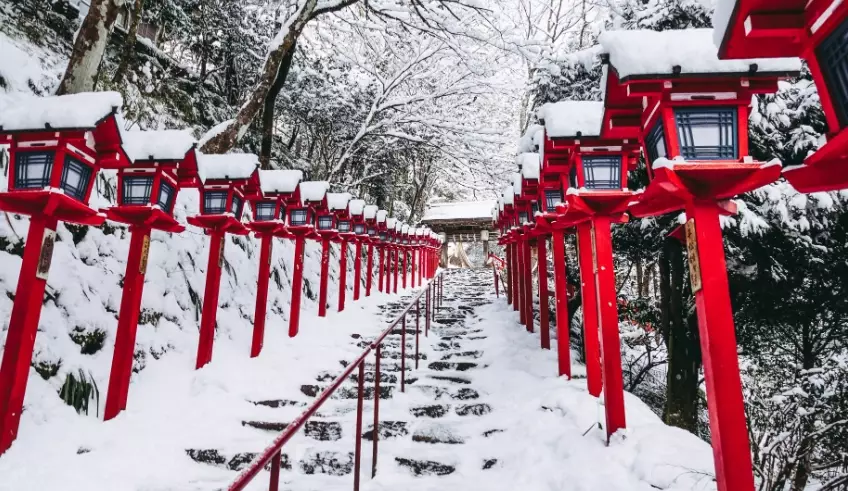
Fushimi Inari Taisha: Go early in the morning. The thousands of red torii gates are even more atmospheric in the quiet, cold air before the tour buses arrive. No closing time, always open.
Stay in Gion or near Kyoto Station: For traditional atmosphere, a ryokan in Gion like Gion Hatanaka is special. For convenience, the Hotel Granvia Kyoto inside the station is unbeatable.
Final Night in Osaka
Spend your last night in Osaka, near Kansai Airport. Dotonbori for a final feast of takoyaki and okonomiyaki is a fitting end. The Hotel Nikko Osaka in Shinsaibashi puts you right in the heart of it.
Winter Travel Expert Tips
Packing is everything. You need layers: thermal base, fleece mid-layer, and a waterproof/windproof outer shell. Good waterproof boots with grip are non-negotiable – black ice is common.
Many people overlook foot warmth. Bring heat packs for your shoes. You can buy them everywhere in Japan (kairo), but having a supply ready is smart.
Onsen etiquette: Wash thoroughly at the shower stations *before* entering the communal bath. No swimsuits. Tattoos can be an issue at large public onsens; look for "tattoo-friendly" places or stick with your ryokan's private bath.
A mistake I see? Trying to do too much in one day. Winter daylight is shorter, and moving between warm indoor spaces takes time. Plan one major outdoor activity per day, with indoor alternatives nearby.
Your Winter Japan Questions Answered
 I'm not a skier. Is Hokkaido still worth visiting on a winter itinerary?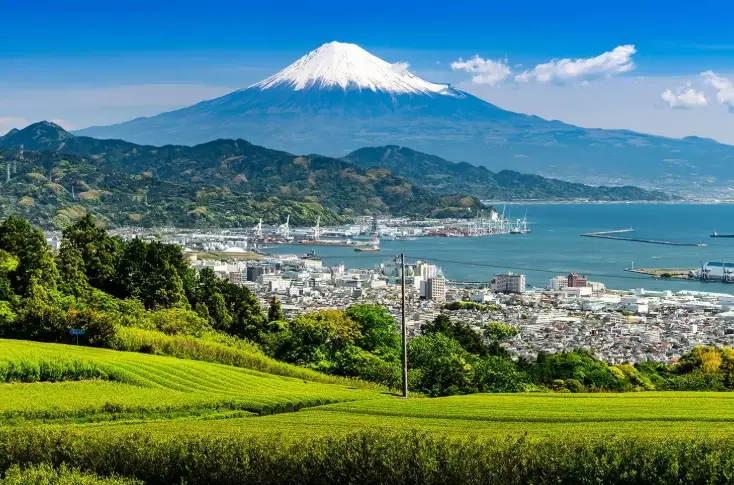

Comments