Quick Navigation
So, you're wondering what is considered the most beautiful city in Japan? Yeah, that's a tough one. It's like asking someone to pick their favorite star in the sky. Everyone who's been will have a different answer, and honestly, they're probably all right in some way. The thing about Japan is, its beauty isn't just one thing. It's not just about postcard-perfect temples or spotlessly clean streets (though it has plenty of those). It's a feeling. It's the quiet peace of a moss garden, the shock of neon in a rainy alley, the crunch of gravel underfoot at a shrine, and the taste of something delicious you can't even name from a street stall.
I've spent a good chunk of time traveling around the country, from the northern tip of Hokkaido down to the subtropical islands of Okinawa. I've been dazzled, I've been bored, and I've been moved to silence. So, let's ditch the generic travel brochure talk. I'm not here to give you one definitive answer, but to walk you through the top contenders and help you figure out which city's beauty speaks to you. Because that's what really matters, right?
The Usual Suspects (And Why They're Famous)
When people ask what is considered the most beautiful city in Japan, a few names always pop up first. They're famous for a reason, but let's look beyond the Instagram hashtags.
Kyoto: The Classic Answer
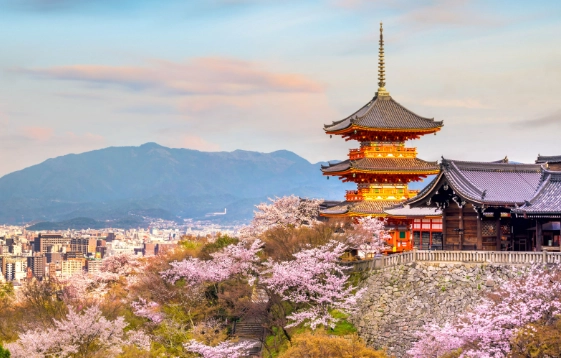
Okay, let's start with the elephant in the room. Kyoto is the answer you'll get from probably 70% of people. And look, it's stunning. It's the heart of traditional Japan. We're talking over a thousand temples, like the golden Kinkaku-ji (Golden Pavilion) shimmering over its pond, or the seemingly endless gates of Fushimi Inari that wind up the mountain. In spring, the Philosopher's Path is a tunnel of pink cherry blossoms. In autumn, places like Tofuku-ji temple are set on fire with red maple leaves.
But here's my honest take. Kyoto's beauty can feel a bit... curated. A bit like a museum. It's incredibly preserved (miraculously, it was spared major bombing in WWII), which is amazing, but it also means you're sharing those narrow streets of Gion with about ten thousand other tourists trying to spot a geisha. The beauty is undeniable, but it often comes with a crowd and a sense of performance. For the deep, quiet, spiritual beauty, you need to go really early, or wander into the lesser-known subtemples tucked behind the main ones.
Kanazawa: The Kyoto of the Sea of Japan
If you love the idea of Kyoto but hate the crowds, Kanazawa is your spot. This city on the west coast is a hidden gem that's getting less hidden by the day, but it's still manageable. It was a major feudal city that also escaped wartime destruction, so it's packed with history. The crown jewel is Kenrokuen Garden, one of Japan's Three Great Gardens. It's designed for strolling and for appreciating beauty in every season—yukitsuri (rope pyramids) protect the pine trees from snow in winter, which is a sight in itself.
Then you have the Nagamachi Samurai District, with its earthen walls and quiet canals, and the Higashi Chaya District, a geisha area with beautiful wooden lattice-fronted teahouses. What I love about Kanazawa is the mix. You have this deep tradition right next to the ultra-modern, sleek 21st Century Museum of Contemporary Art. The beauty here feels lived-in, not just preserved for show. And the seafood from the nearby Sea of Japan is insane.
The Dark Horse Contenders
But limiting ourselves to just the big historical names is a mistake. Beauty in Japan comes in many, many forms.
Matsumoto: Nestled in the Japanese Alps, this city's beauty is defined by its backdrop. The black-and-white Matsumoto Castle (a national treasure) looks like it's straight out of a samurai film, especially with the snow-capped mountains behind it. The vibe here is rugged and authentic.
Hiroshima: This might seem like a strange choice, but hear me out. Hiroshima's beauty is one of profound peace and resilience. The serene, skeletal A-Bomb Dome set against the modern, vibrant city is a powerful, moving contrast. The beauty isn't in ornate decoration, but in the message of hope and the incredibly friendly, welcoming spirit of its people. The nearby island of Miyajima, with its iconic "floating" torii gate, is also technically part of Hiroshima and is one of the most scenic spots in all of Japan.
Kamakura: So close to Tokyo, yet a world apart. This seaside town was Japan's political capital centuries ago and is dotted with dozens of temples and shrines. The giant bronze Buddha (Daibutsu) sitting serenely in the open air is breathtaking. You can combine temple-hopping with a walk on the beach—a combo you won't find in Kyoto.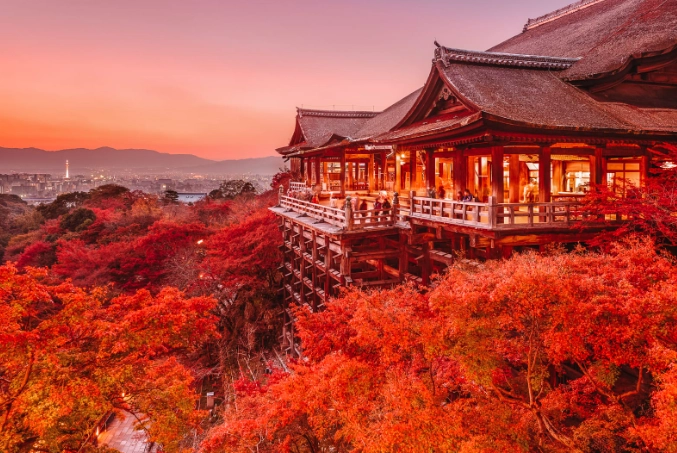
Breaking Down "Beauty" – What Are You Really Looking For?
To really answer what is considered the most beautiful city in Japan, we need to define our terms. Here's a quick breakdown of what "beautiful" can mean in this context.
| Type of Beauty | What It Looks Like | Best City Examples | Best Time to Experience It |
|---|---|---|---|
| Traditional & Historic | Ancient temples, wooden machiya houses, Zen gardens, geisha districts. | Kyoto, Kanazawa, Nara | Spring (cherry blossoms) & Autumn (foliage). Early mornings year-round. |
| Natural & Scenic | Dramatic coastlines, mountain vistas, pristine forests, iconic views. | Hakone (Mt. Fuji views), Matsumoto, Miyajima Island | Depends on the scene. Clear winter days for Mt. Fuji, spring for greenery. |
| Modern & Urban | Futuristic architecture, dazzling neon lights, cutting-edge design, efficient cityscapes. | Tokyo (districts like Shinjuku, Odaiba), Osaka (at night) | Nighttime. Rainy nights make the neon reflections even more stunning. |
| Atmospheric & Lived-in | Quiet neighborhoods, nostalgic shopping streets (shotengai), local festivals, everyday life. | Yanaka in Tokyo, Kurashiki's canal area, most smaller regional cities | Any time. Weekday afternoons are great for soaking in local rhythm. |
See? You could make a case for Tokyo's insane, pulsating energy as a form of brutalist beauty. Or for the sleepy, canal-laced town of Kurashiki. It all depends on your personal lens.
Practical Stuff: Making Your Decision and Planning Your Trip
Alright, enough philosophy. Let's get practical. How do you decide where to go, and how do you make sure you actually experience that beauty?
Choosing Your City: A Few Guiding Questions
Ask yourself these questions before you book anything:
1. What's your tolerance for crowds? If it's low, Kyoto in peak season might be your nightmare. Consider Kanazawa, Kamakura on a weekday, or Matsumoto instead.
2. Are you a history buff, a nature lover, or a foodie? Kyoto and Nara are history heaven. Hakone and the Japanese Alps are for nature. Osaka and Fukuoka? You go for the food, and the vibrant street-level beauty that comes with it.
3. What's your travel style? Fast-paced city hopping? Or slow, deep immersion in one place? A city like Kyoto or Tokyo can offer both, but you need to plan accordingly.
How to *Actually* Experience the Beauty (Pro Tips)
Anyone can see a temple. To really feel it, you need a different approach.
Rule #1: Get Up Early. I cannot stress this enough. Be at that famous spot at sunrise, or at least right when it opens. Having Fushimi Inari or the bamboo grove in Arashiyama almost to yourself is a completely different experience than fighting the midday crowds. It's the difference between a spiritual moment and a theme park queue.
Rule #2: Wander Without a Map (Sometimes). Get deliberately lost in the backstreets. The main tourist path in any city is just the surface. The real character—the tiny shrines, the independent coffee shops, the local markets—is in the spaces between the highlights.
Rule #3: Engage with the Seasons. Japan's beauty is seasonal. Don't just fight for a spot under a cherry tree. Appreciate the hydrangeas (ajisai) in June's rainy season. Seek out the fiery autumn leaves (koyo). Embrace the stark, quiet beauty of a temple garden under a blanket of snow (yuki). Each season paints the cities in a completely different palette. The official Japan National Tourism Organization (JNTO) website has fantastic seasonal guides to help you plan.
Rule #4: Look Up, Look Down, Look Close. Notice the intricate roof tiles (kawara) on an old house. Admire the careful arrangement of stones in a dry garden (karesansui). Watch how the light filters through paper lanterns (chochin) at dusk. The macro-beauty is obvious; the micro-beauty is where you find magic.
Frequently Asked Questions (The Stuff You're Actually Searching For)
My Personal Take (Because You Asked)
After all this, people still want an answer. So, if you put a gun to my head and asked me, "What is considered the most beautiful city in Japan?" based on my own gut feeling and experiences...
My personal favorite? It might surprise you.
For a single city that combines accessible traditional beauty, fantastic food, manageable size, stunning seasonal changes, and a location that lets you easily pop into both the mountains and the sea on a day trip... I keep going back to Kanazawa. It feels like a complete package. Kyoto is the masterpiece in a museum, but Kanazawa feels like a masterpiece you can live in for a bit.
But let's be real. The true answer is that you can't go wrong. Whether it's the timeless lanes of Kyoto, the stoic castle of Matsumoto against the Alps, the peaceful message of Hiroshima, or the electrifying pulse of Tokyo at night, Japan has a way of presenting beauty that feels both meticulously crafted and effortlessly natural.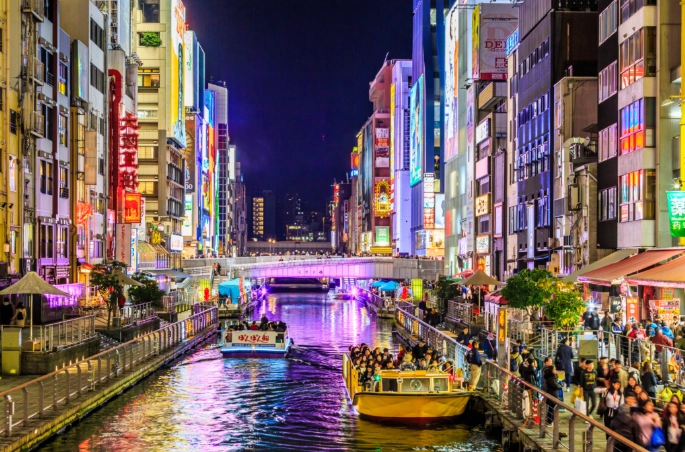
The most beautiful city in Japan is ultimately the one that resonates with you. Do your research, think about what "beauty" means on your trip, and then go find it. It's waiting for you.
And when you get back, you'll have your own answer to the question. That's the best part.



Comments