Jump Straight to What Matters
Let's cut to the chase. Aichi Prefecture, home to Nagoya, is often skipped by tourists rushing between Tokyo and Kyoto. That's a mistake. I've spent years exploring Japan, and Aichi has a gritty, industrial charm mixed with deep history and killer food that most guidebooks gloss over. This isn't just about Nagoya Castle—though it's great—it's about understanding a place that feels real, not staged for visitors. If you want an authentic slice of Japan without the overwhelming crowds, start here.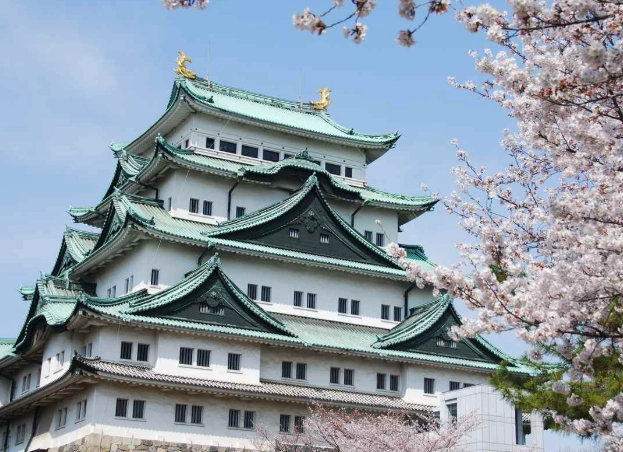
How to Get to Aichi Painlessly
Most people fly into Chubu Centrair International Airport (NGO). It's well-connected from Asia and domestic flights. From Tokyo, the Shinkansen (bullet train) is your best bet—takes about 1.5 to 2 hours to Nagoya Station. A one-way ticket costs around 11,000 yen (about $100). If you're on a budget, overnight buses from Tokyo can be as low as 4,000 yen, but they take 6-8 hours. I once took a late bus and saved money, but honestly, the train is worth the splurge for the comfort and time saved.
Once in Aichi, the local train and subway network is efficient. Get a one-day pass for the Nagoya subway (around 850 yen) if you're planning multiple stops. Taxis are expensive; avoid them unless you're in a group. For attractions outside Nagoya, like Inuyama Castle, regional trains work fine—just check schedules on the Japan Transit Planner app.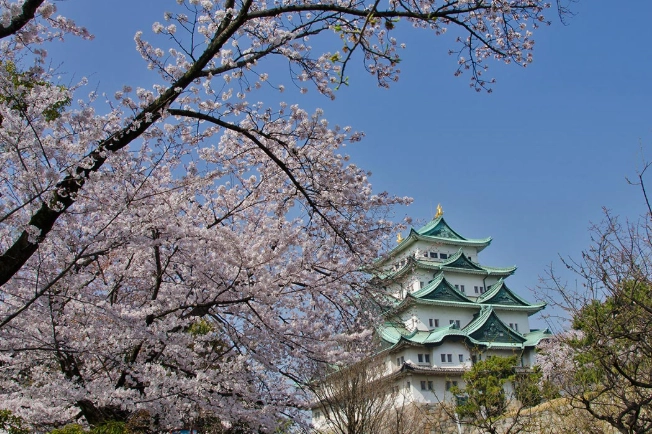
Top 5 Can't-Miss Attractions in Aichi
Forget the generic lists. These are the spots that deliver value, based on my multiple visits and talking to locals.
1. Nagoya Castle
Yes, it's famous, but here's the twist: the main keep is under reconstruction until 2028 (as of my last visit), so you can't go inside. But the grounds are still stunning, and the Hommaru Palace—fully restored—is a masterpiece of Edo-period architecture. Admission is 500 yen. Open 9 AM to 4:30 PM. Address: 1-1 Honmaru, Naka Ward, Nagoya. Take the subway to Shiyakusho Station. Go early to avoid school groups.
2. Toyota Commemorative Museum of Industry and Technology
Even if you don't care about cars, this place is fascinating. It shows Toyota's evolution from textiles to automobiles. Interactive exhibits make it engaging. Admission is 500 yen. Open 9:30 AM to 5 PM, closed Mondays. Address: 4-1-35 Noritake Shinmachi, Nishi Ward, Nagoya. A 10-minute walk from Nagoya Station. I spent three hours here and didn't get bored.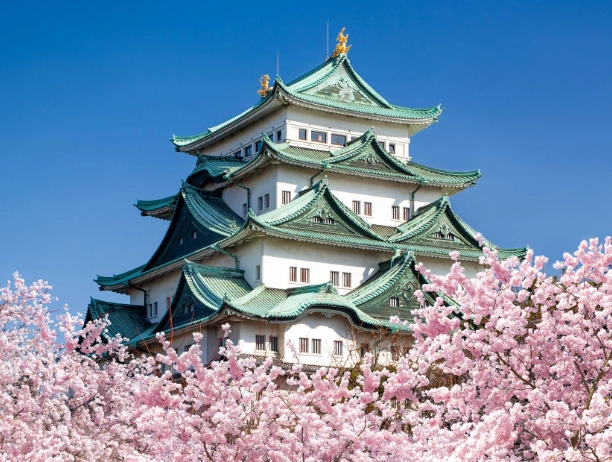
3. Inuyama Castle
One of Japan's oldest original castles, not a reconstruction. The climb up is steep, but the view of the Kiso River is worth it. Combined ticket with the nearby Urakuen Garden costs 1,450 yen. Open 9 AM to 5 PM. Address: Inuyama, Aichi. Take the Meitetsu Line from Nagoya to Inuyama Station (about 30 minutes). It feels less touristy than Nagoya Castle.
4. Atsuta Jingu Shrine
A major Shinto shrine with a serene atmosphere. It's free to enter. Open 24 hours, but the treasure hall (300 yen) has hours from 9 AM to 4:30 PM. Address: 1-1-1 Jingu, Atsuta Ward, Nagoya. Subway to Jingu Nishi Station. Perfect for a quiet morning stroll. I saw locals praying here—it's not just for show.
5. Legoland Japan
If you're with kids, this is a must. But even adults might enjoy the creativity. Tickets start at 5,300 yen if booked online. Open 10 AM to 5 PM, hours vary by season. Address: 2-2-1 Kinjo Pier, Minato Ward, Nagoya. Accessible via the Aonami Line from Nagoya Station. It can get crowded, so buy tickets in advance.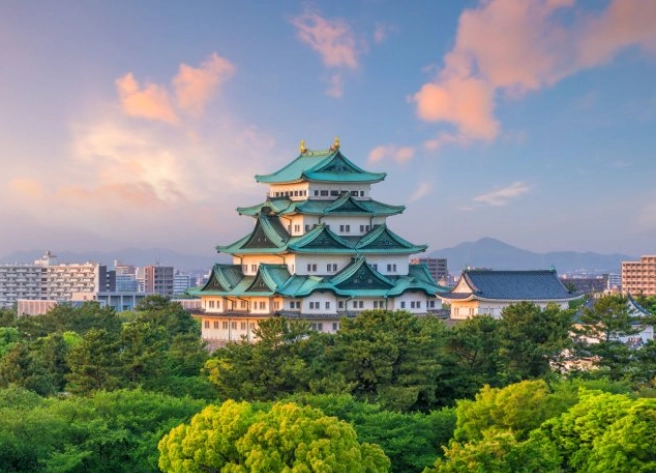
Here's a quick comparison to help you plan:
| Attraction | Admission Fee (approx.) | Best Time to Visit | Time Needed |
|---|---|---|---|
| Nagoya Castle | 500 yen | Weekday morning | 2-3 hours |
| Toyota Museum | 500 yen | Afternoon | 2-4 hours |
| Inuyama Castle | 1,450 yen (combo) | Early morning | Half day |
| Atsuta Jingu | Free | Anytime | 1-2 hours |
| Legoland | 5,300 yen | Off-peak season | Full day |
Where and What to Eat in Aichi
Aichi's food scene is underrated. The local specialty is miso-based dishes, and trust me, it's a game-changer.
Miso Katsu: Fried pork cutlet with a rich, savory miso sauce. The best place I've tried is Yabaton Honten (main store). Address: 3-6-18 Osu, Naka Ward, Nagoya. A set meal costs around 1,500 yen. Open 11 AM to 9 PM. It's always busy, but the wait is worth it. Don't be fooled by imitations—this is the real deal.
Kishimen: Flat udon noodles in a light broth. Try at Miya Kishimen near Atsuta Jingu. Address: 1-1-1 Jingu, Atsuta Ward, Nagoya. Bowls start at 600 yen. Open 10 AM to 6 PM. Perfect after visiting the shrine.
Tebasaki: Nagoya-style fried chicken wings. Sekai no Yamachan is a chain, but it's consistently good. Multiple locations; the one near Nagoya Station is at 1-2-1 Meieki. All-you-can-eat option for about 2,000 yen. Open 5 PM to midnight. They're spicy and addictive—order a beer to go with them.
For a unique experience, hit the Nagoya Morning Markets at local temples like Osu Kannon. Street food like taiyaki (fish-shaped cakes) costs 200-300 yen. Go around 8 AM on weekends.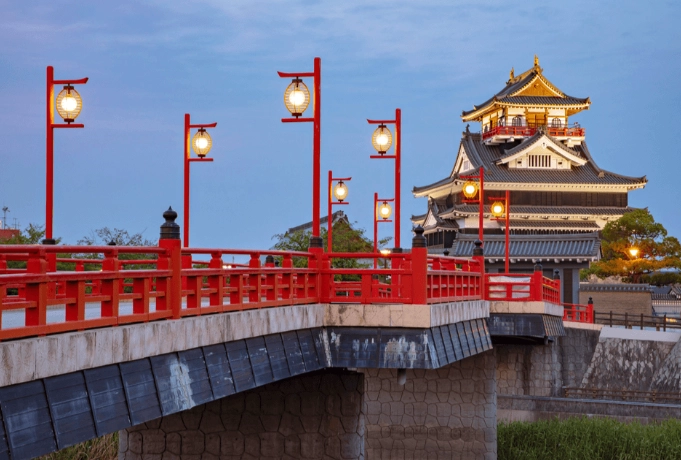
Local tip: Many restaurants close early, around 8 or 9 PM. Plan dinners accordingly. I learned this the hard way when I wandered around hungry at 9:30 PM.
Best Areas to Stay in Aichi
Where you stay depends on your style. Nagoya is the hub, but other towns offer charm.
Nagoya Station Area: Best for convenience. Hotels like the Nagoya Marriott Associa (around 25,000 yen per night) are connected to the station. Budget options include Dormy Inn Nagoya (around 10,000 yen). Everything is walkable or a short subway ride away.
Sakae District: The downtown heart with shopping and nightlife. Hilton Nagoya (around 20,000 yen) is luxurious. For mid-range, try the Mitsui Garden Hotel Nagoya Premier (around 15,000 yen). It's livelier but can be noisy.
Inuyama: For a quieter, traditional feel. Hotels like Meitetsu Inuyama Hotel (around 12,000 yen) offer river views. It's away from the hustle, but you'll need to train back to Nagoya for other attractions.
I stayed near Nagoya Station last time and appreciated the ease, but Sakae has more character. If you're on a tight budget, hostels like Nagoya Grampus Backpackers (around 3,000 yen per night) are clean and social.
Aichi in 3 Days: A Realistic Itinerary
This plan balances sights and relaxation, based on my own trips.
Day 1: Nagoya Core Morning: Nagoya Castle (arrive at 9 AM). Spend a couple hours exploring the grounds and Hommaru Palace. Lunch: Miso katsu at Yabaton Honten in Osu. Afternoon: Osu Shopping Street for souvenirs and temples. Evening: Dinner at a tebasaki place like Sekai no Yamachan in Sakae. Walk around the neon lights.
Day 2: History and Industry Morning: Toyota Museum (opens at 9:30 AM). Allow 3 hours. Lunch: Kishimen near Atsuta Jingu. Afternoon: Atsuta Jingu Shrine for a peaceful walk. Evening: Head to Nagoya Port area for Legoland or just the waterfront views. Dinner at a local izakaya in Kanayama district.
Day 3: Day Trip to Inuyama Morning: Take the train to Inuyama (30 minutes). Visit Inuyama Castle and Urakuen Garden. Lunch: Try local river fish dishes at a restaurant near the castle. Afternoon: Explore the old town streets. Return to Nagoya by late afternoon. Evening: Last-minute shopping at Nagoya Station or relax at your hotel.
This itinerary avoids rushing. You could add a side trip to the ceramics town of Seto if you have an extra day, but three days gives you a solid taste.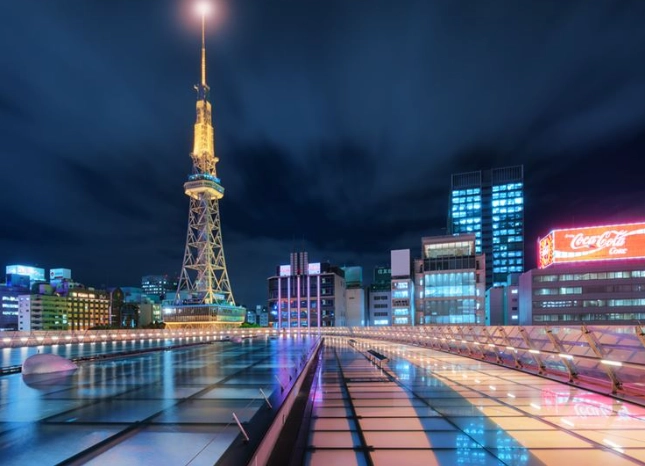
Your Burning Aichi Questions Answered
Wrapping up, Aichi isn't just a stopover; it's a destination with depth. From the industrial buzz of Toyota to the quiet shrines and food that punches above its weight, this prefecture rewards those who dig a little deeper. Use this guide as a starting point, but don't be afraid to wander off—that's where the best memories are made. Safe travels!

Comments