Your Onsen Journey Map
- The Big Three: Yamagata's Onsen Powerhouses
- Beyond the Big Names: Other Yamagata Onsen Worth Your Time
- How to Actually Choose Your Yamagata Onsen Experience
- The Nuts and Bolts: Getting There, Staying, and Not Messing Up
- What Else is There to Do? (Because You Can't Bathe 24/7)
- Answers to Questions You're Probably Googling (FAQ)
- Final Thoughts Before You Book
Look, if you're searching for "Yamagata Japan onsen," you've already got the right idea. You're past the bright lights of Tokyo and the temples of Kyoto. You're looking for something deeper, quieter, and honestly, a bit more real. You want to sink into steaming, mineral-rich water surrounded by mountains, maybe with snow drifting down. You want the soul of Japan, not just the postcard.
Well, you've come to the right place. Yamagata Prefecture, that rugged, beautiful chunk of northern Honshu, is onsen heaven. It's not as hyped as Hakone or as remote as Hokkaido, and that's its secret weapon. The quality here is off the charts, and the vibe is genuinely local. I've spent a fair bit of time hopping between these baths, from the famous photo spots to the tiny family-run places nobody talks about online. I've had blissful moments and a few... learning experiences. Let me save you the trouble and give you the real rundown.
The Big Three: Yamagata's Onsen Powerhouses
Most people, when they dream of a Yamagata Japan onsen, are picturing one of three places. Each has a completely different personality. Picking the wrong one for your trip mood is the biggest mistake you can make.
Ginzan Onsen: The Fairytale
You've seen the pictures. A narrow gorge, a quiet river, and three- or four-story wooden inns lining the banks, each with little wooden bridges. At night, gas lamps flicker on, and the whole scene looks like it's from a Studio Ghibli film (and rumor has it, it was an inspiration). Let's be real: Ginzan is stunning. It's also tiny, popular, and can feel a bit like an open-air museum.
The catch? Almost all the baths are inside the ryokans (traditional inns), reserved for guests. Day-tripper options are extremely limited. To truly experience Ginzan, you need to stay overnight. And book months ahead. Is it worth it? For one magical night, absolutely. The sound of the river from your room, a multi-course kaiseki dinner, and a late-night soak when the day-trippers have left is pure magic. But don't expect a bustling town with lots of activities. The activity is the atmosphere.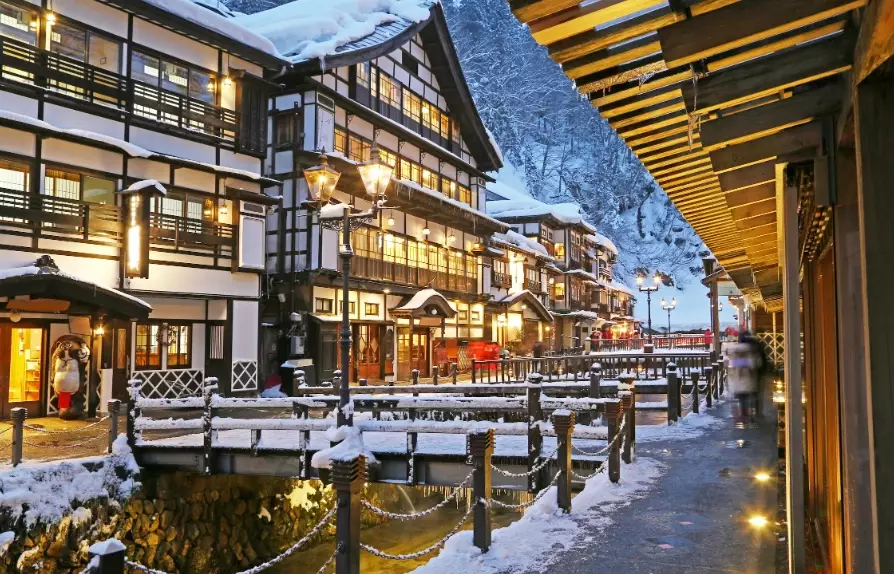
Zao Onsen: The Mountain Giant
This is the polar opposite of Ginzan. Zao is a sprawling, lively resort town clinging to the slopes of Mount Zao. It's been a hot spring destination for over 1,900 years, which is just mind-boggling. The water here is strongly acidic, sulfurous, and milky-white. They call it "kogan-yu" (beauty water) for its supposed skin benefits.
Zao is for people who want to do things. Ski or hike in the world-famous "Zao Snow Monsters" (ice-covered trees) in winter, hike gorgeous trails in summer, and then soak your muscles in a dozen different public baths. The town has a great mix of big hotels and small pensions, and plenty of public bathhouses where you can pay a few hundred yen for a soak. The vibe is energetic, social, and deeply connected to the mountain.
A word on the sulfur smell.
It's strong. Like, "did something die in the vents?" strong when you first arrive. You get used to it after a few hours, and it becomes part of the charm. But pack clothes you don't mind smelling a bit funky. Your skin, however, will feel amazing afterward.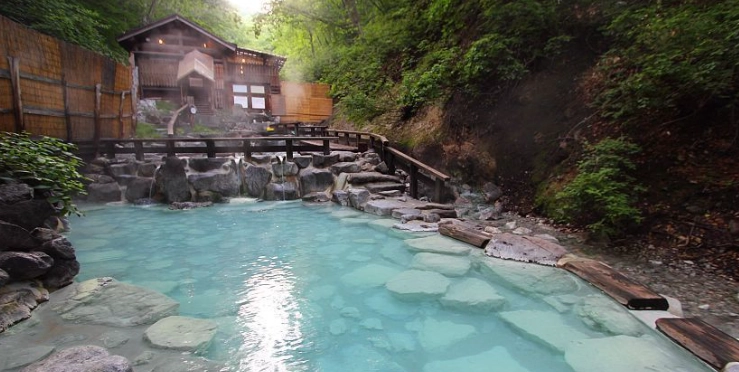
Hijiori Onsen: The Hidden Gem
Less famous internationally but hugely beloved by Japanese onsen aficionados, Hijiori is where you go to disappear. It's a small, circular village built around a central crater, with over 100 spring sources. The water is a gentle, low-pH simple thermal spring, clear and colorless, perfect for long soaks. It's known as a "hot spring for convalescence" because it's so mild.
The atmosphere is quiet, slow, and profoundly relaxing. There are several fantastic public bathhouses, including the wonderful "Soto-yu" complex, which has multiple indoor and outdoor baths. The ryokans here are often family-run for generations, with incredible hospitality. If your goal is to read a book, take three baths a day, eat delicious local food, and not see another foreign tourist, Hijiori is your spot.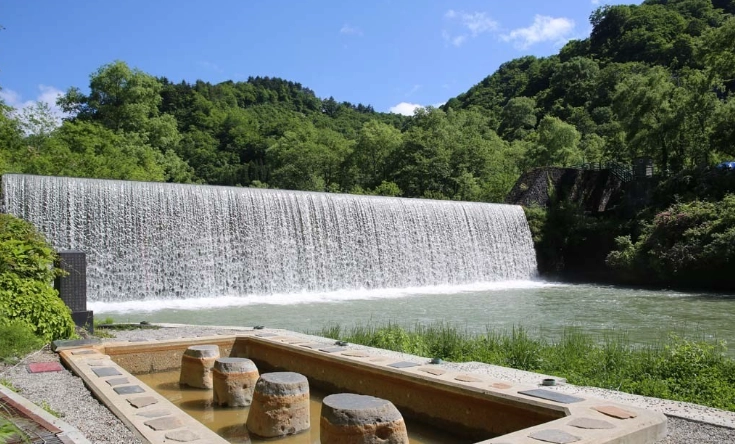
Beyond the Big Names: Other Yamagata Onsen Worth Your Time
Sticking only to the top three means missing out. Yamagata is littered with incredible smaller onsens.
Tendo Onsen: Closer to Yamagata City, this is a convenient base. The water is a unique sodium sulfate spring, clear and slick. It's a more urban onsen town, less about nature and more about easy access and good food (Tendo is famous for its beef!). Great if you're short on time or using public transport.
Atsumi Onsen: Overlooking the Sea of Japan. Imagine soaking in an outdoor rotenburo while watching the sunset over the ocean. The water is a simple chloride spring, very warming. The seafood here, especially in winter, is spectacular. A completely different coastal vibe.
Akakura Onsen: A quieter, more traditional neighbor to Zao. Shares the same great water but with fewer crowds and a more rustic feel. Some wonderful old wooden bathhouses here that feel frozen in time.
See what I mean? The variety is insane. Choosing just depends on what you're after.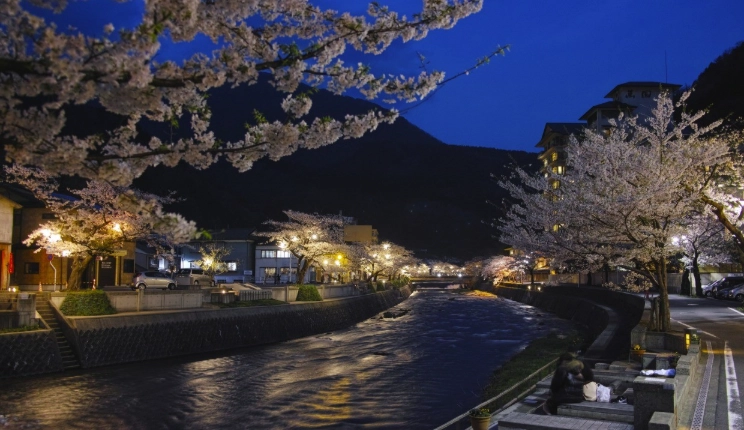
How to Actually Choose Your Yamagata Onsen Experience
This is where most guides just list places and leave you hanging. Let's get practical. Ask yourself these questions:
- What's your travel style? Luxury ryokan with kaiseki? A simple pension where you can meet other travelers? A day trip from a city hotel?
- What do you want to do besides bathe? Hike? Ski? Eat at local restaurants? Literally just relax?
- Who are you with? Some ryokans are very formal and quiet (not great for young kids). Some towns have more activities for families.
- How do you feel about sulfur? If the smell bothers you, avoid the strong sulfuric springs of Zao and head for Hijiori or Tendo.
- What's your budget? A night at a top Ginzan ryokan can be $500+ per person with meals. A pension in Zao might be $80. Public bath entry is often under $10.
To make it even clearer, here's a breakdown. This table saved me a ton of confusion on my first trip.
| Onsen Town | Best For | Water Type & Vibe | Accessibility | My Personal Vibe Check |
|---|---|---|---|---|
| Ginzan Onsen | Photography, romance, a one-night magical escape, total immersion in tradition. | Mostly chloride/sulfate. Quiet, serene, almost unreal. | Tricky. Bus from Oishida Station. Staying overnight is key. | Instagram dream. Less of a "living town," more of an experience. Book early or be disappointed. |
| Zao Onsen | Active travelers (skiers/hikers), social atmosphere, variety of baths (public & private), mountain scenery. | Strong sulfuric (acidic), milky-white. Energetic, rustic, lively. | Good. Direct bus from Yamagata Station or Shinkansen to Yamagata then bus. | The workhorse. Reliable, fun, with something for everyone. The sulfur smell is real. |
| Hijiori Onsen | Deep relaxation, authenticity, avoiding crowds, long soaks, cycling between baths. | Simple thermal (alkaline), clear. Peaceful, local, restorative. | Moderate. Train to Furukuchi Station, then a short taxi/bus. | The hidden treasure. My personal favorite for a true reset. Feels like a secret. |
| Tendo Onsen | Convenience, combining onsen with city sightseeing, foodies (Yonezawa beef!). | Sodium sulfate, clear. Urban, convenient, laid-back. | Excellent. On the JR Ou Main Line, very close to Yamagata City. | The easy option. Perfect if you're short on time or using a rail pass. Great food scene. |
The Nuts and Bolts: Getting There, Staying, and Not Messing Up
Alright, you've picked a place. Now, how do you make it happen?
Getting to Yamagata
The gateway is usually Yamagata City. You can take the Yamagata Shinkansen (bullet train) from Tokyo Station, which takes about 2.5 to 3 hours. It's covered by the Japan Rail Pass, which is a huge plus. From Yamagata Station, you'll typically take a local train or a bus to your specific onsen town. The Japan National Tourism Organization (JNTO) website has excellent, up-to-date transport planning tools.
For Zao, there are direct highway buses from Tokyo's Ikebukuro Station—a longer ride (about 5-6 hours) but sometimes cheaper and drops you right in the town.
Staying at a Ryokan: The Full Experience
To get the most out of a Yamagata Japan onsen, you should stay at least one night in a traditional ryokan. Here's what that actually entails:
- Check-in is early, often 3 PM. You'll be shown to your room, which usually has tatami mats and futons laid out later.
- Meals are typically included (breakfast and dinner). Dinner is a multi-course kaiseki feast featuring local, seasonal ingredients from Yamagata—think mountain vegetables, river fish, and incredible beef. It's a highlight.
- You wear a yukata (cotton robe) provided by the ryokan. Everyone wanders around in them. It's the uniform.
- Onsen etiquette is key: Wash thoroughly at the shower stations before entering the bath. No soap in the bath. Tie up long hair. No towels in the water (you can put it on your head). Be quiet and respectful. And yes, it's almost always nude and gender-segregated.
I remember my first time at a ryokan in Hijiori. I was so nervous about the etiquette I almost didn't go to the bath. Don't be like me. Everyone is focused on their own relaxation. Just follow the basic rules, and you'll be fine.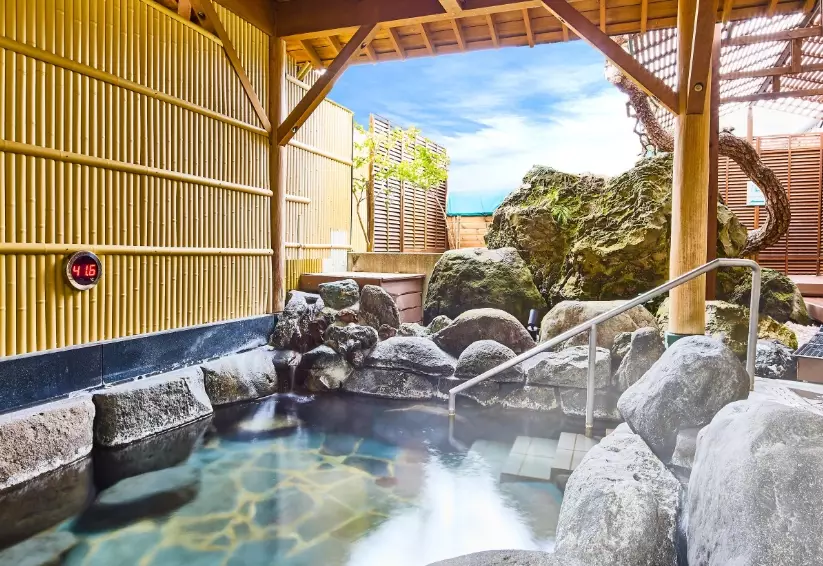
What Else is There to Do? (Because You Can't Bathe 24/7)
Yamagata isn't just hot water. Pair your onsen trip with these incredible local experiences.
Eat Everything. Yamagata is a food powerhouse. Yonezawa beef is one of Japan's top three wagyu brands—juicier and richer than Kobe, in my opinion. Cherries in summer are legendary. Imoni (a hearty taro and meat stew) is the soul food of autumn. Drink local sake; the prefecture is one of Japan's top producers. The Yamagata Tourism Organization's site has fantastic food trails and brewery maps.
Visit Yamadera. This temple, literally "mountain temple," involves climbing 1,000+ stone steps through a breathtaking cedar forest to reach ancient halls clinging to cliffs. The view from the top is worth every step. It's a powerful, spiritual place and a great day trip from Tendo or Yamagata City.
See the Dewa Sanzan. For the truly adventurous, these three sacred mountains are the heart of Shugendo, a unique blend of mountain worship. The hike up Mount Haguro, with its thatched-roof gate and ancient stone steps, is accessible and unforgettable.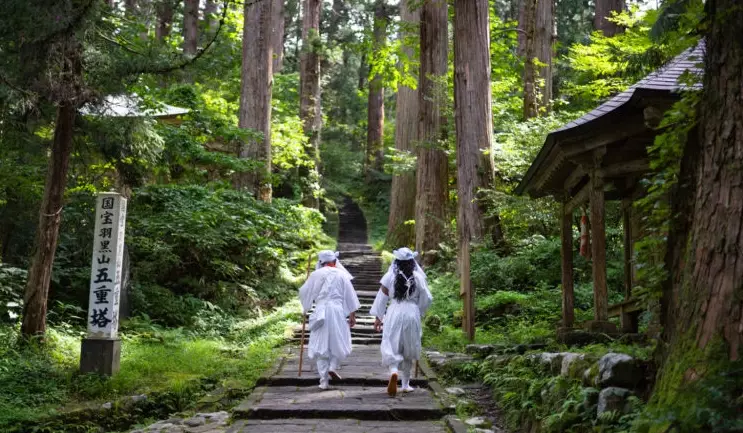
Answers to Questions You're Probably Googling (FAQ)
Final Thoughts Before You Book
Searching for the perfect Yamagata Japan onsen is the start of a great adventure. This isn't a checklist destination; it's a feeling. It's the ache in your muscles from hiking Zao melting away in a sulfur bath. It's the silence of a Ginzan night after the last bus leaves. It's the kindness of a ryokan owner in Hijiori who doesn't speak a word of English but makes sure you have extra helpings of local stew.
My biggest piece of advice? Don't try to cram in too many towns. Pick one or two that match your vibe, and really settle in. The magic of a Yamagata onsen reveals itself in the slow moments—the second soak after dinner, the early morning bath when the mist is still on the mountains.
Do your research, book early (especially for popular spots), pack light (you'll live in that yukata), and leave your hurry at home. The waters of Yamagata have been waiting for you for centuries. They're not going anywhere. Take your time.


Comments