Let's be honest. When most people plan a trip to Japan, their minds jump straight to Tokyo's neon buzz, Kyoto's ancient temples, or Osaka's foodie paradise. Kumamoto? It often gets a footnote, if that. I was guilty of the same thing. My first few trips to Japan completely bypassed the island of Kyushu. Big mistake.
Quick Guide to Kumamoto
- Getting Your Bearings: What Exactly Is Kumamoto?
- The Non-Negotiables: Top Things to Do in Kumamoto
- Kumamoto on a Plate: The Food You Have to Try
- Getting Around: Transportation Made Simple
- Beyond the Basics: Hidden Gems & Deeper Dives
- Your Kumamoto Questions, Answered
- Final Thoughts From Someone Who's Been There
Getting Your Bearings: What Exactly Is Kumamoto?
First, geography. Kumamoto is a prefecture on the island of Kyushu, Japan's southwestern main island. The capital city is also called Kumamoto. It's a region of dramatic contrasts. You have one of the world's largest calderas, Mount Aso, puffing away in the east, and the serene Amakusa islands, made up of over 100 islets, off the west coast in the Yatsushiro Sea. In between, you find lush farmland, hot spring towns, and the vibrant, rebuilt city center.
The character of Kumamoto is deeply tied to two things: Kumamoto Castle and Mount Aso. The castle symbolizes the region's samurai history and resilience (more on its incredible rebuilding story later). The volcano represents the raw, untamed natural power that defines the landscape. This duality—refined culture and primal nature—is the key to understanding the place.
It's not a huge megalopolis.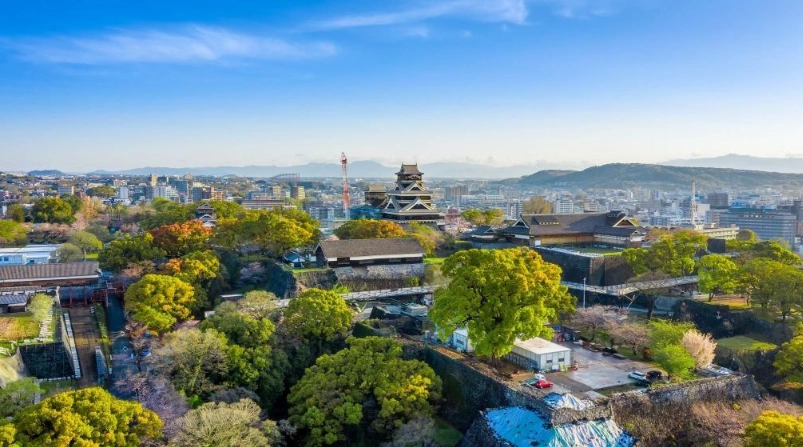
Compared to Tokyo or Osaka, Kumamoto City feels manageable, almost relaxed. But don't mistake that for boring. There's a density of history, food, and culture here that can easily fill a week.
The Non-Negotiables: Top Things to Do in Kumamoto
You can't see everything. If you're short on time, here’s where your focus should be. I’ve ranked these based on a mix of iconic status and my personal enjoyment factor.
The Crown Jewel: Kumamoto Castle (Kumamoto-jo)
Let's address the elephant in the room right away. Yes, the main keep of Kumamoto Castle was severely damaged in the 2016 earthquakes. For years, it was shrouded in scaffolding. Seeing photos from that time was heartbreaking.
But here's the inspiring part. The restoration is a national project of passion. Visiting now is not about seeing a perfect, ancient relic. It's about witnessing a living, breathing restoration project on a monumental scale. The castle grounds are largely open, and you can see the meticulous work up close. The smaller keeps, turrets, and the immense stone walls—some of the finest in Japan—are fully accessible and utterly impressive.
The reconstruction is using traditional methods where possible. The official Kumamoto City Tourism Website has detailed updates on progress and access. The current goal is to reopen the main keep completely by the late 2020s. My take? Seeing it in this phase of rebirth was more meaningful than seeing a static, untouched castle might have been. It's a testament to the city's spirit.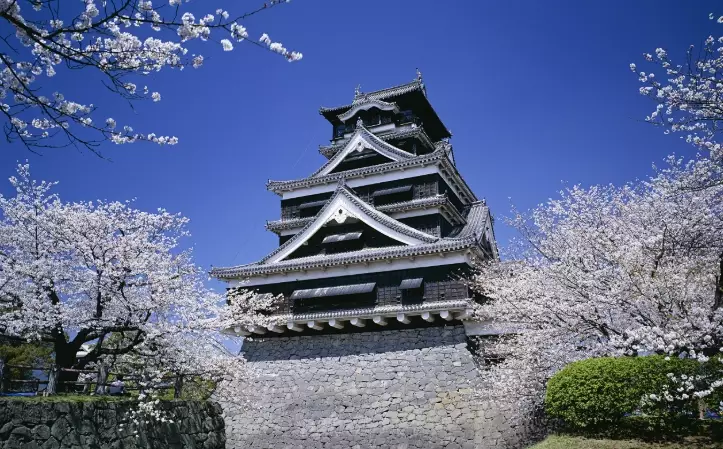
The Raw Power: Mount Aso
This is the other half of Kumamoto's soul. Mount Aso is one of the most active volcanoes in the world, and its caldera is one of the largest. Driving into the caldera itself is an experience—you're entering a massive grassy plain surrounded by a ring of peaks, with the active Nakadake crater at the center.
Now, a reality check. Volcanic activity means access to the crater rim is frequently restricted. Don't get your heart set on peering into the bubbling, steaming crater. Check the live Japan National Tourism Organization (JNTO) page for Aso or the local Aso Geopark site for the latest access status before you make the trip up.
I made the trip up on a day when the crater was closed due to high gas emissions. Was I disappointed? For a minute. Then I hiked around Kusasenri, felt the sheer scale of the landscape, and completely forgot about it.
The City's Green Heart: Suizenji Jojuen Garden
After the castle's grandeur and Aso's wildness, Suizenji Garden offers pure, refined tranquility. Built in the 17th century as a tea retreat, it's a "stroll garden" designed to represent the 53 post stations of the old Tokaido road (the route between Tokyo and Kyoto), all in miniature. The iconic miniature Mount Fuji hill is its centerpiece.
It's small, perfectly formed, and a masterclass in Japanese landscape design. Go with a slow pace. Sit by the pond. Watch the koi. It's a mental reset button.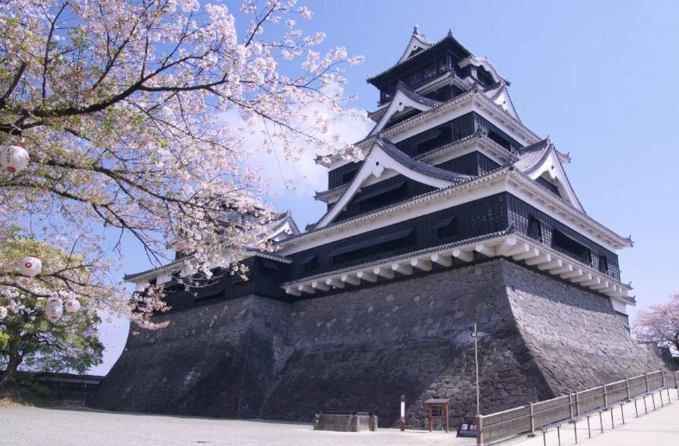
Kumamoto on a Plate: The Food You Have to Try
Okay, this is where I get excited. Kyushu is a food heaven, and Kumamoto holds its own with unique specialties.
Basashi: The Famous (or Infamous) Delicacy
Yes, it's horse meat sashimi. I know. The idea gave me pause too. Kumamoto is famous for it. It's typically served thinly sliced, often with grated ginger, minced garlic, and a sweet soy-based sauce. The taste? Lean, slightly sweet, and incredibly tender if it's good quality. The texture is like a very fine beef carpaccio. I tried it at a reputable specialist shop in Kumamoto City. The mental hurdle was bigger than the actual experience. It was… delicious. I wouldn't eat it every day, but as a cultural and culinary experience, it's a must-try. If you're a food adventurer, this is your moment.
Ramen, But Make It Garlic
While nearby Fukuoka claims the tonkotsu (pork bone broth) crown, Kumamoto puts its own spin on it. Kumamoto ramen is a tonkotsu base but is characterized by the addition of fragrant fried garlic chips (ma-yu) and garlic oil. It's richer, deeper, and packs a savory, aromatic punch. The noodles are usually straight and thin. A local chain called Kumamoto Ramen Komurasaki is a great, accessible place to start. Slurp away.
The Humble Champion: Taipien
This one surprised me. Taipien is a thick, hearty noodle soup of Chinese origin that has become a Kumamoto comfort food staple. The broth is a rich chicken and vegetable stock, filled with thick noodles, vegetables, and often pork or seafood. It's not fancy, but on a cool day, it's the most satisfying bowl of warmth imaginable. You'll find it in simple lunch spots all over.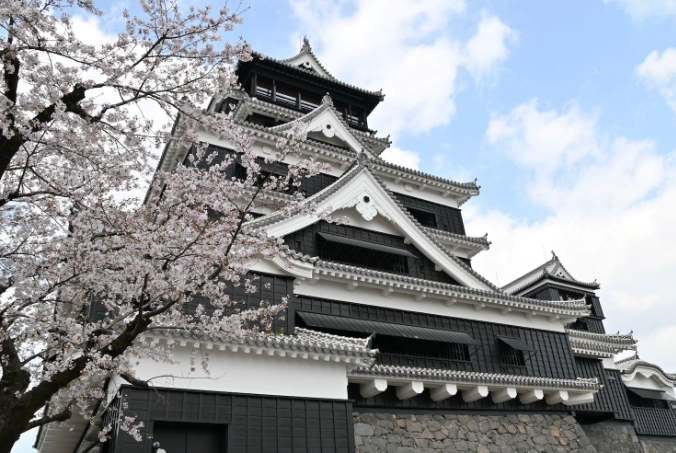
Getting Around: Transportation Made Simple
This is a common pain point for visitors to regions outside Tokyo. Here’s the breakdown.
Timetables can be infrequent, especially in rural areas. Check schedules carefully.
| Mode of Transport | Best For | Pros | Cons & Tips |
|---|---|---|---|
| Rental Car | Exploring Aso, Amakusa, or the countryside. | Maximum freedom, access to remote onsens and viewpoints. | Requires an International Driving Permit. Mountain roads near Aso can be winding. Parking in central Kumamoto City can be pricey. |
| Shinkansen (Bullet Train) | Arriving from Fukuoka (Hakata), Osaka, or Hiroshima. | Extremely fast, comfortable, reliable. Kumamoto Station is a major hub. | Expensive. Use a Japan Rail Pass if your itinerary is nationwide. |
| Tram System (City Tram) | Getting around Kumamoto City center. | Cheap, nostalgic, covers most city sights (Castle, Suizenji). | Can be slow during peak hours. Get a day pass for unlimited rides. |
| Buses | Day trips to Aso (from Kumamoto Station) or local routes. | Goes where trains don't. The Aso line is scenic. | |
| Taxi / Ride-hail | Short trips, late nights, or with heavy luggage. | Door-to-door convenience. | The most expensive option. Not all drivers speak English. |
My strong recommendation? For a first visit focusing on the city, castle, and a day trip to Aso, use the trams and buses. If you have more than 3 days and want to explore deeply, rent a car for part of your trip. The freedom to stop at a random roadside onsen or a small-town market is priceless.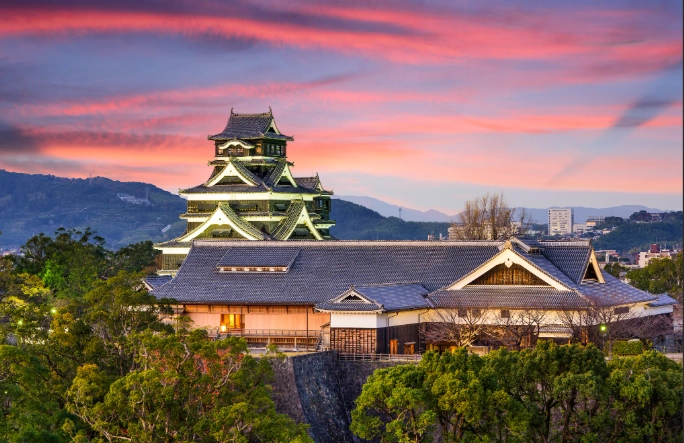
Beyond the Basics: Hidden Gems & Deeper Dives
Once you've done the big three, consider these.
- Shimotori & Kamitori Arcades: The covered shopping arcades in the city center. Less touristy than similar spots in big cities, full of local shops, casual eateries, and everyday life.
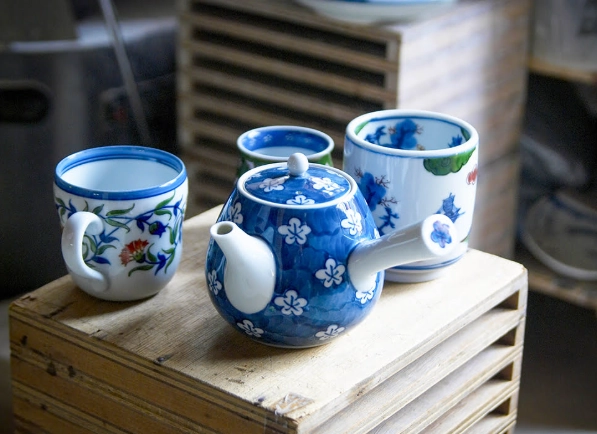
- Higo Zutsumi Craftsmanship: Look for products made with traditional Kumamoto bamboo weaving or lacquerware. Beautiful, functional souvenirs.
- Amakusa Islands: A world apart. Known for Christian historical sites (a UNESCO World Heritage component), dolphin watching, and laid-back island vibes. Requires a car or a dedicated bus tour.
- Hitoyoshi Onsen Town: A historic hot spring town along the Kuma River, about 1.5 hours south of the city. Feels like stepping back in time.
Your Kumamoto Questions, Answered
Here are the things I wondered about, and what other travelers commonly ask.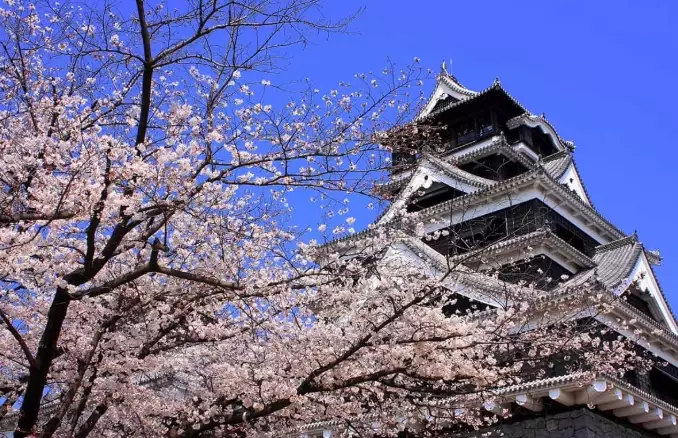
Is Kumamoto safe to visit after the earthquakes?
This is the biggest concern. The 2016 earthquakes were devastating, and recovery is ongoing in some areas. However, the major tourist infrastructure—hotels, stations, main roads, and the vast majority of attractions—are fully operational and safe. The restoration sites, like the castle, have strict safety protocols. The region is seismically active, as is much of Japan. It's always wise to be aware of basic earthquake safety, which your hotel will explain. The people of Kumamoto are resilient and welcoming to visitors who support their recovery.
How many days do I need in Kumamoto?
This depends entirely on your travel style.
- The Taste (1-2 days): City only. See the castle grounds, Suizenji Garden, eat ramen and basashi. Perfect as a stop on a Kyushu rail tour.
- The Immersion (3-4 days): City + a full day trip to Mount Aso. This is the sweet spot for a first visit.
- The Deep Dive (5+ days): City, Aso, plus a night in an Aso onsen town, and a trip to Amakusa or Hitoyoshi. For landscape lovers and slow travelers.
What's the best time of year to visit Kumamoto?
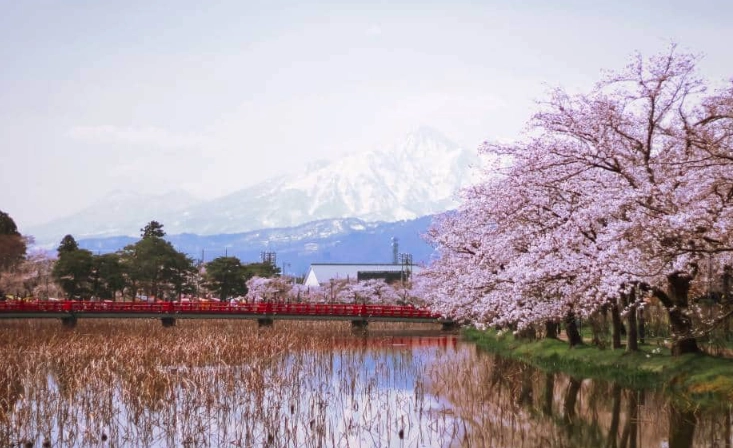
Spring (March-May) and Autumn (October-November) are ideal. Mild temperatures, comfortable for walking. Spring brings cherry blossoms around the castle (a stunning sight). Autumn offers clear skies and fiery fall colors, especially around Aso. Summer (June-August) is hot, humid, and rainy during the June-July tsuyu (rainy season). Winter can be chilly, especially in the Aso highlands, where you might see snow. Aso's high altitude means it's cooler than the city year-round.
Is Kumamoto budget-friendly?
Compared to Tokyo or Kyoto, yes, generally. Mid-range hotel prices are lower. Local eateries and ramen shops offer incredible value. The main expenses will be transportation if you move around a lot (rental car, Shinkansen) and any high-end dining. You can have a fantastic, rich experience here without blowing your budget.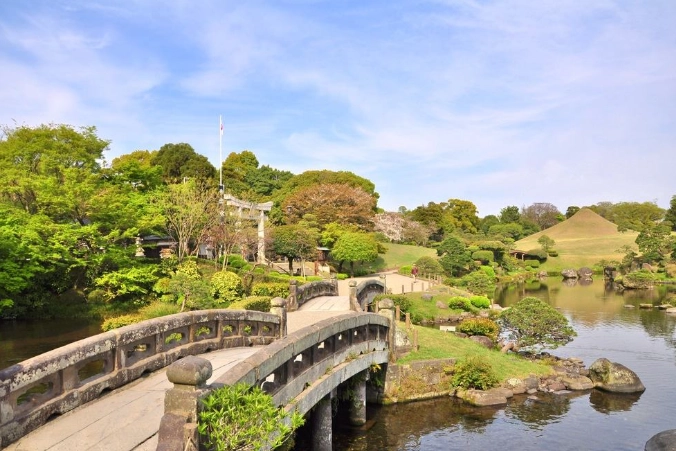
Final Thoughts From Someone Who's Been There
Kumamoto challenged my expectations of what a Japanese destination should be. It's not about ticking off a thousand shrines or fighting crowds at a crossing. It's about feeling the weight of history in castle stones, smelling the sulfur on the volcanic wind, and sharing a smile with a shopkeeper when you successfully order a dish you can't pronounce.
It feels real.
It's a place that has faced adversity and is proudly, determinedly rebuilding itself. As a visitor, you're not just a spectator to that; you're a participant in its next chapter. Whether you come for the legendary castle, the awe-inspiring volcano, or a plate of that garlicky ramen, Kumamoto will leave a mark on you. It's not the Japan you see in every brochure, and that's exactly why you should go.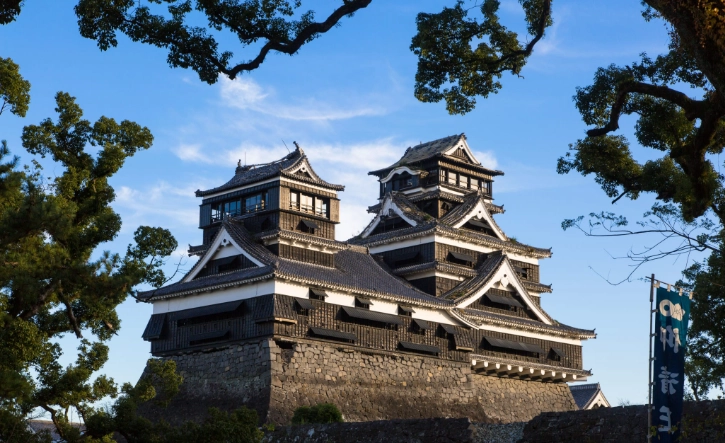
Check the latest on castle access, pack good walking shoes, and bring an appetite. You're in for a treat.
Comments