Your Winter Journey Map
Let's be honest, when you think of a winter trip to Japan, Kanazawa probably isn't the first place that pops into your head. Most folks rush to Hokkaido for the powder or to the big cities. But that's exactly why a Kanazawa winter is such a hidden gem. You get all the culture, the food, the beauty, but with about half the crowds and a completely different, almost serene, atmosphere. The city slows down, the gardens transform, and the seafood is at its absolute peak. I went last February on a bit of a whim, skeptical about the cold, and came away convinced it's the best time to visit.
It's not all perfect, of course. It is cold. The Sea of Japan side gets real winter, not the mild kind. And some smaller shops might have shorter hours. But if you pack right and plan with the season in mind, the trade-off is so worth it. This guide isn't just a list of places; it's everything I wish I'd known before my trip, from how to layer your clothes to where to find that perfect, steaming bowl of noodles after a walk in the snow.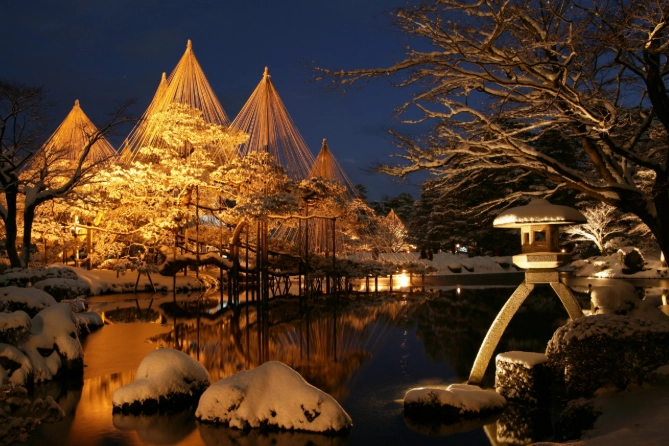
Why Winter? The Quick Pitch
Fewer tourists, stunning winter scenery (think snow-laden pine trees and lantern-lit gardens), the best seasonal seafood of the year, and unique festivals you can't see any other time. If you dislike queues and love atmosphere, you're looking at the right season.
The Heart of a Kanazawa Winter: Weather & What to Wear
You can't talk about a trip without addressing the elephant in the room: the temperature. Kanazawa gets significant snowfall, often more than nearby Kyoto or Tokyo. The air is damp and chilly, usually hovering between 0°C and 5°C (32°F to 41°F) during the day, dipping below freezing at night. January and February are the coldest months.
But here's the thing—it's manageable. It's not the dry, biting cold of some places. It's a wet cold that seeps in if you're not prepared. The key is layers. Forget a single thick coat.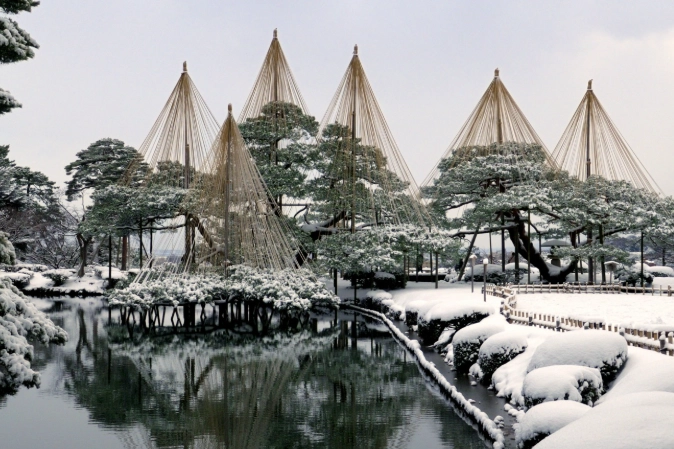
Here’s a non-negotiable packing list for surviving and enjoying the Kanazawa winter climate:
- Base Layer: Merino wool or good thermal underwear. Cotton gets wet and stays wet.
- Mid Layer: A fleece or a down vest. Something insulating but not bulky.
- Outer Layer: A waterproof and windproof jacket with a hood. A long coat is even better to keep your legs covered.
- Bottom Half: Thermal leggings/long johns. Water-resistant trousers if you have them.
- Footwear: This is critical. Waterproof boots with good grip. The streets can be slick with packed snow or slush. I saw too many people in sneakers having a miserable, slippery time.
- Extras: Warm hat, gloves (touchscreen compatible is a nice luxury), scarf, and thick socks. Hand warmers ("kairo" in Japanese) are sold everywhere and are little lifesavers.
Top Things to Do in Kanazawa During Winter
This is where the magic happens. The city's famous sights take on a whole new personality. Forget the crowded paths of spring; you'll often have views almost to yourself.
Kenrokuen Garden Under Snow
Kenrokuen is stunning year-round, but in winter, it's ethereal. The famous "snow guards" (yukitsuri)—cones of rope tied to the trees to protect their branches from heavy snow—are up from November through March. They look like giant, elegant teepees and are a defining image of a Kanazawa winter. The garden covered in a fresh blanket of snow is quiet, pristine, and incredibly photogenic. The pond reflects the grey winter sky, and the teahouses look even more inviting.
Check the official Kenrokuen Garden website for winter opening hours, as they can change due to weather. Go early in the morning after a snowfall for the most untouched views.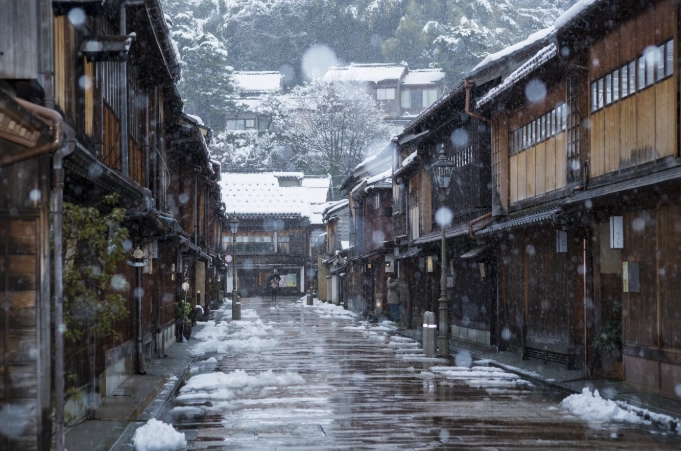
The Kanazawa Castle Park Winter Illumination
This was the highlight of my trip. For a limited period in February (dates change yearly, so check the Kanazawa Tourist Board website), the castle park and Kenrokuen are lit up with thousands of lanterns and lights. They illuminate the snow guards, light pathways through the snow, and create a fairy-tale atmosphere. It's not a loud festival; it's a peaceful, walking illumination. You buy a ticket that grants access to both illuminated areas. Dress extra warm, as you'll be walking outside at night.
Higashi Chaya District Without the Crowds
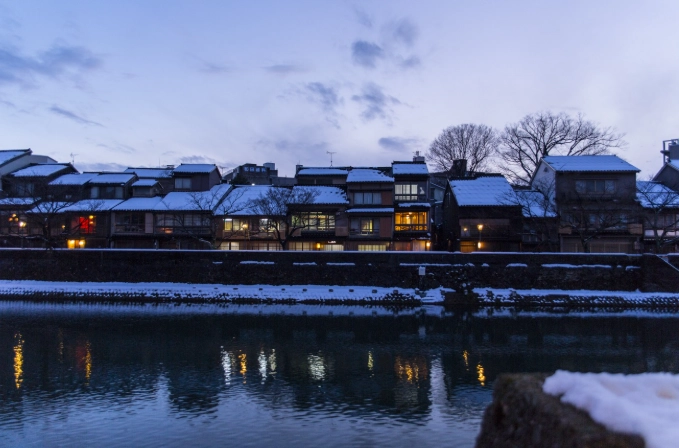
The historic geisha districts are charming but can feel overrun during peak season. In winter, you get to see them properly. The black wooden lattices dusted with snow, the quiet streets, the steam rising from a teahouse chimney—it's atmospheric in a way summer can't match. Some shops selling gold leaf products and sweets are open, and you can duck in to warm up. It's the perfect time for photos without having to wait for tourists to clear out of your shot.
Warm Up in Museums & Galleries
Kanazawa is a city of crafts, and winter is the ideal time to dive into its indoor cultural side. The 21st Century Museum of Contemporary Art is a fantastic, spacious museum with intriguing installations. The D.T. Suzuki Museum, dedicated to the Zen philosopher, is a masterpiece of quiet, contemplative architecture—especially poignant in the stillness of winter. The Ishikawa Prefectural Museum of Traditional Products and Crafts lets you see (and sometimes try) Kaga yuzen dyeing, gold leaf application, and more. These places are warm, fascinating, and a perfect plan for a particularly cold or snowy afternoon.
Nomura Samurai House & Nagamachi District
The snow-lined walls and waterways of the old samurai district, Nagamachi, are strikingly beautiful. Visiting the Nomura Samurai House allows you to see a beautifully preserved residence and its small, exquisite garden. In winter, the garden's evergreen plants stand out against the snow, and the inside of the house, with its tatami mats and alcoves, feels like a cozy refuge from the cold outside. You appreciate the craftsmanship and the way these houses were designed for all seasons.
The Ultimate Kanazawa Winter Food Guide
If you're a foodie, you've hit the jackpot. Winter is the peak season for seafood on the Sea of Japan coast. The menus change, and hearty, warming dishes take center stage.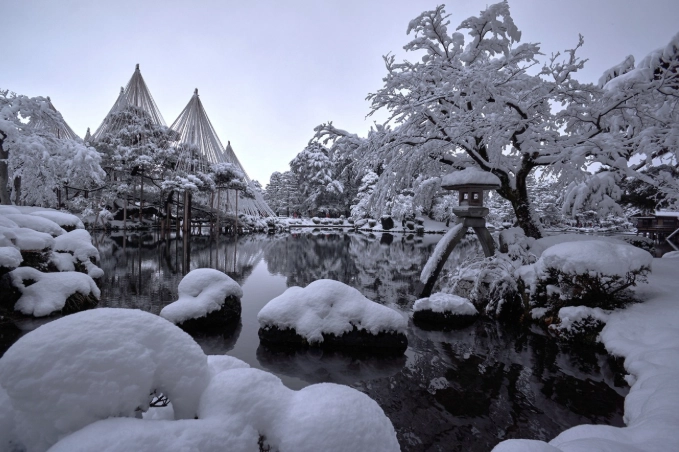
Don't Miss These Winter Specialties
- Kani (Snow Crab): The king of winter seafood. From late November, you'll see it everywhere—steamed, in hot pots, as sashimi. It's sweet, delicate, and expensive but worth a splurge. The Japan National Tourism Organization has great info on seasonal foods.
- Hot Pot (Nabe): The ultimate communal winter meal. In Kanazawa, try "Ishiri Nabe," a rich hot pot made with a fermented squid sauce, or "Kani Nabe" (crab hot pot).
- Oden: A simmered dish with various ingredients like daikon, eggs, and fish cakes in a light broth. Found in convenience stores (surprisingly good) and specialty restaurants. Perfect for a quick, warm snack.
- Stewed Dishes: Look for "nikomi" or "fukumeishi" on menus—dishes where fish or meat is slowly stewed until tender. Warming and full of flavor.
- Warabi Mochi: Not just a summer treat! Many sweet shops serve it year-round, and the chewy, jelly-like texture with kinako (roasted soybean flour) is delightful.
Where to eat? Omicho Market is the obvious answer. It's bustling, covered, and full of stalls selling the day's catch and small restaurants ("kaitenzushi" conveyor belt sushi spots are great here). But also venture into the streets around the market or ask your accommodation for a local izakaya (pub) recommendation. Some of my best meals were in tiny, 8-seat places I'd never have found online.
| Dish | Description | Best Place to Try |
|---|---|---|
| Steamed Snow Crab (Kani) | Whole crab, simply steamed to highlight its sweet, succulent meat. Eaten with vinegar dipping sauce. | Specialty crab restaurants or high-end stalls in Omicho Market. |
| Kaisen Don (Seafood Bowl) | A bowl of rice topped with an assortment of incredibly fresh winter sashimi like crab, shrimp, scallop, and sea urchin. | Sushi restaurants around Omicho Market. |
| Ishiri Nabe | A unique Kanazawa hot pot with a deep, umami-rich broth made from fermented squid guts (sounds odd, tastes amazing). | Traditional restaurants in the Higashi Chaya area. |
| Kabura-zushi | A local preserved dish of yellowtail sandwiched between salted turnip and fermented with rice koji. A tangy, acquired taste. | Sold in delicatessens or as a side dish in traditional restaurants. |
Getting Around & Practical Winter Tips
Kanazawa is very walkable, but in winter, you'll want to use the bus network more. The city has an efficient loop bus (the "Kanazawa Loop Bus" and the "Kenrokuen Shuttle") that hits all the major tourist spots. Get a one-day pass; it's economical and saves you waiting in the cold.
Winter Travel Reality Check
Snow can sometimes cause delays to local trains or buses, though major shinkansen (bullet train) lines are rarely affected. Allow a little extra time for travel. Sidewalks can be icy, so walk carefully. Many museums and attractions have heated floors or areas near entrances to melt snow off your boots—use them!
Accommodation is often cheaper in winter outside of the New Year period. Ryokans (traditional inns) are a fantastic experience in winter—soaking in a hot onsen bath after a day in the cold is pure bliss. Many have in-room heating and cozy yukata robes.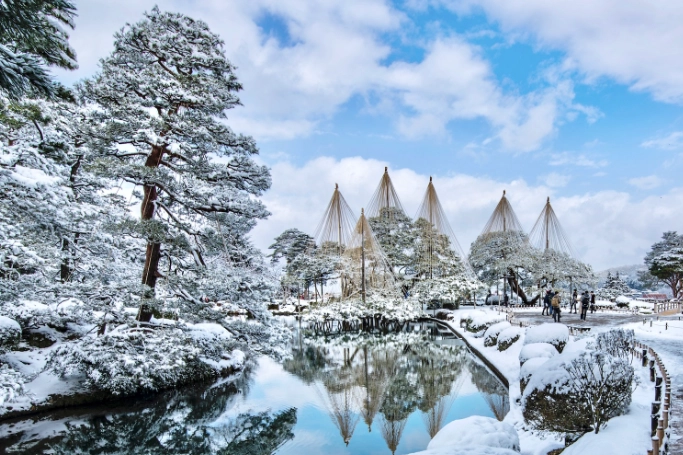
Sample 3-Day Kanazawa Winter Itinerary
Here's a realistic plan that balances sightseeing with staying warm, based on what I did and what I'd tweak.
Day 1: Historic Heart & Evening Lights
- Morning: Start at Kenrokuen Garden. Enjoy the morning light on the snow and see the yukitsuri. Walk over to Kanazawa Castle Park.
- Afternoon: Head to the Nagamachi Samurai District. Visit the Nomura Samurai House. The snow here makes for great photos.
- Evening: If it's on, experience the Kanazawa winter illuminations at Kenrokuen and the Castle Park. If not, have a warm crab hot pot dinner near Omicho Market.
Day 2: Crafts, Culture & Chaya Districts
- Morning: Visit the 21st Century Museum of Contemporary Art or the D.T. Suzuki Museum (choose based on your interest).
- Afternoon: Explore the Higashi Chaya District. Pop into a gold leaf workshop (you can even eat gold leaf ice cream!).
- Evening: Find a cozy izakaya in the Katamachi area for dinner and drinks.
Day 3: Market Feast & Local Discoveries
- Morning: Dive into Omicho Market. Wander the stalls, have a fresh seafood breakfast or early lunch (kaisen don).
- Afternoon: Visit the Ishikawa Prefectural Museum for Crafts. Or, take a short bus ride to the Myoryuji Temple (the "Ninja Temple," requires reservation).
- Evening: Last-minute souvenir shopping (try Hakuichi for gold leaf products) and a final warming bowl of ramen.
Final Thoughts: Embracing the Quiet Season
A winter trip to Kanazawa requires a slight mindset shift. It's not about ticking off a list at a breakneck pace. It's about savoring. Savoring a long, multi-course meal in a warm restaurant. Savoring the crunch of snow under your boots in an empty garden. Savoring the warmth of a cup of amazake (sweet sake) from a street vendor. The city reveals a quieter, more reflective side.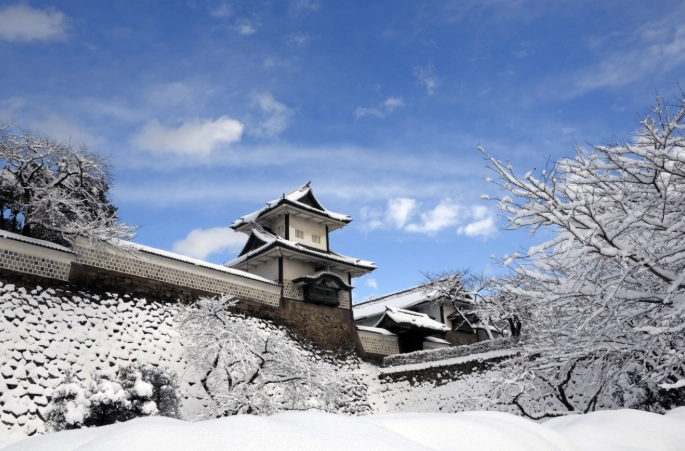
You might have to duck into a cafe to warm your hands more often. You might skip that one extra temple because your feet are cold. And that's okay. The pace forces you to engage more deeply with the places you do visit. You notice the details—the way the light hits the snow on a roof, the sound of a temple bell in the crisp air.
So pack those layers, charge your camera, and get ready to experience one of Japan's most beautiful cities in its most serene and stunning season. Just remember the waterproof boots.

Comments