Explore This Guide
Let's cut to the chase. You google "What is the #1 tourist attraction in Japan?" and you get a million answers, right? Tokyo Disneyland, the Fushimi Inari Shrine in Kyoto, maybe even the scramble crossing in Shibuya. The data, however, tells a different, quieter story. If we're talking about a single, iconic, must-see site that defines the country's image worldwide and draws visitors from every corner of the globe purely for itself, there's really only one contender. It's not a man-made park or a bustling district. It's a mountain.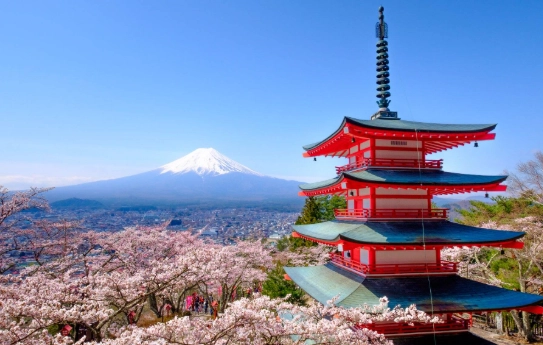
Mount Fuji. Fuji-san. That's the answer. It's the undisputed, soul-of-the-nation, picture-on-every-postcard #1 tourist attraction in Japan. Don't just take my word for it. Look at any international travel survey, check the imagery used to promote Japan globally, or simply ask anyone to close their eyes and think of Japan. Chances are, that perfect conical silhouette pops up. But calling it just a "tourist attraction" feels almost disrespectful. It's a pilgrimage site, a cultural deity, a UNESCO World Heritage site, and a brutal climbing challenge all rolled into one breathtaking view.
Why Mount Fuji Earns the Top Spot (It's Not Just Pretty)
Anyone can list a mountain's height. But understanding why Fuji is the number one tourist attraction in Japan requires digging into the cultural bedrock. It's the combination of factors that seals its top ranking.
The Cultural and Spiritual Heartbeat
For over a thousand years, Fuji hasn't just been scenery; it's been a sacred being. In the Shinto tradition, it's worshipped as a goddess, Konohanasakuya-hime. For Buddhists, it was a path to ascetic training. This spiritual weight is tangible. You feel it at the Fujiyoshida Sengen Shrine at its base, where prayers for safety from eruptions have been offered for centuries. Modern artists like Hokusai cemented its image in the global consciousness with his "Thirty-six Views of Mount Fuji." It's in the company names, the product logos, the art. It's woven into the national identity in a way no theme park ever could be.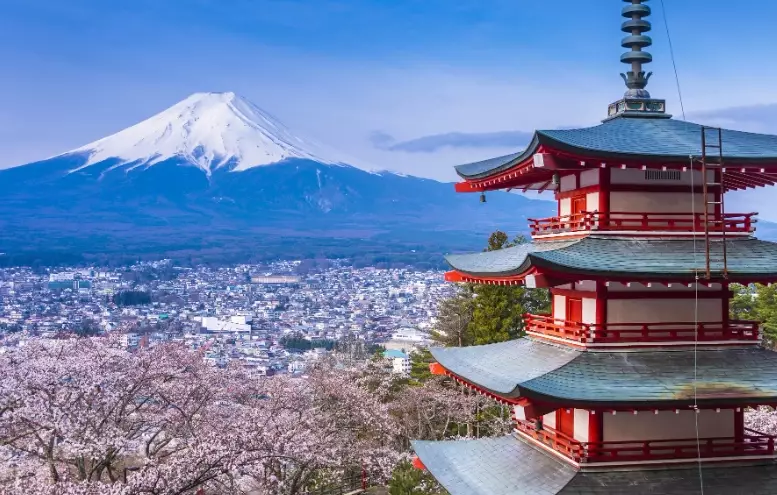
I remember my first time at Lake Kawaguchiko. I'd seen a hundred pictures, but standing there, watching the first pink light of dawn hit its snow-capped peak, reflected perfectly in the still water... it was silent. No one around me spoke. We were all just sharing that moment. That's the power it has. It commands reverence, not just excitement.
The Raw Numbers and Geographic Pull
Let's talk data, because sentiment needs backup. While precise "attraction-only" numbers are tricky (do you count everyone in Tokyo who *might* see it?), the metrics around Fuji are staggering. The official climbing season sees over 200,000 people attempt the summit each year. The Japan National Tourism Organization (JNTO) consistently features it as the premier iconic destination. The Five Lakes region (Fujigoko) and Hakone, the two primary viewing areas, are among the most visited resort areas in the country specifically because of their Fuji views. Compare that to a theme park which has a fixed capacity and a specific audience. Fuji's "audience" is everyone: hikers, photographers, couples, families, spiritual seekers, and day-trippers from Tokyo.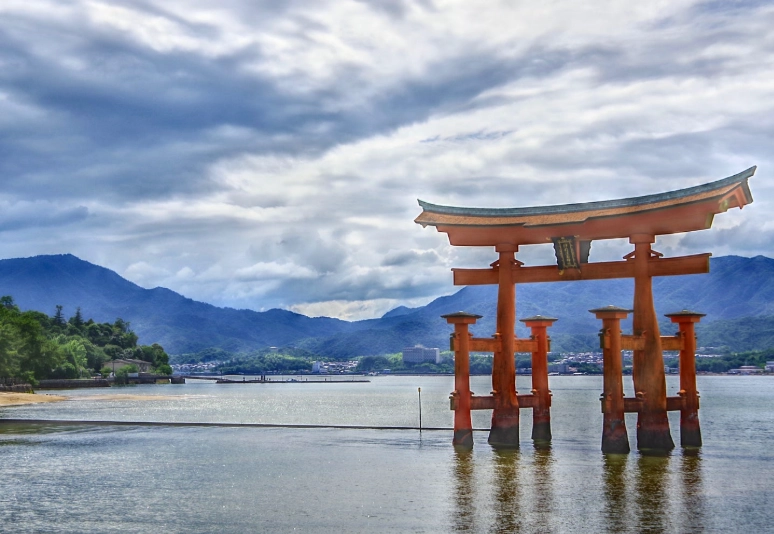
The Accessibility vs. Elusiveness Paradox
This is a key point. You can see Fuji from a Shinkansen (bullet train) window on a clear day between Tokyo and Osaka. You can do a day trip from central Tokyo. That accessibility is huge. But—and this is a big but—getting that perfect, clear, postcard view is never guaranteed. The mountain creates its own weather. This elusiveness fuels the obsession. It turns sightseeing into a treasure hunt. People check the Japan Meteorological Agency's live mountain weather cams religiously. They plan trips around the high-visibility seasons (winter and early spring often offer the clearest views). This ongoing chase is a massive part of its enduring appeal as the top attraction.
How to Actually Experience the #1 Attraction (Your Options)
Okay, so you're convinced. Mount Fuji is the #1 tourist attraction in Japan you need to experience. But how? You're not just ticking a box. You're planning an encounter. Here’s your strategic breakdown.
Option 1: The Classic View (The Photographer's Dream)
This is for most people. You want that iconic shot. The two main front-line regions are:
- The Fuji Five Lakes (Fujigoko) - North Side: Lakes Kawaguchiko and Yamanakako are the stars. Kawaguchiko has the classic Chureito Pagoda view (a 400-step climb, be warned!). The lakes offer reflection shots, cruise boats, and museums like the Fuji Visitor Centre. Best for first-timers who want infrastructure and variety.
- Hakone - East/South Side: Famous for the "Fuji from Lake Ashi with torii gate" view from Moto-Hakone. You can combine it with onsens, the Open-Air Museum, and the Hakone ropeway. Offers a more resort-style, relaxed vibe.
My personal take? Kawaguchiko feels more "dedicated" to Fuji viewing. Hakone is a fantastic destination that *includes* a chance to see Fuji. If Fuji is your sole goal, head to the lakes.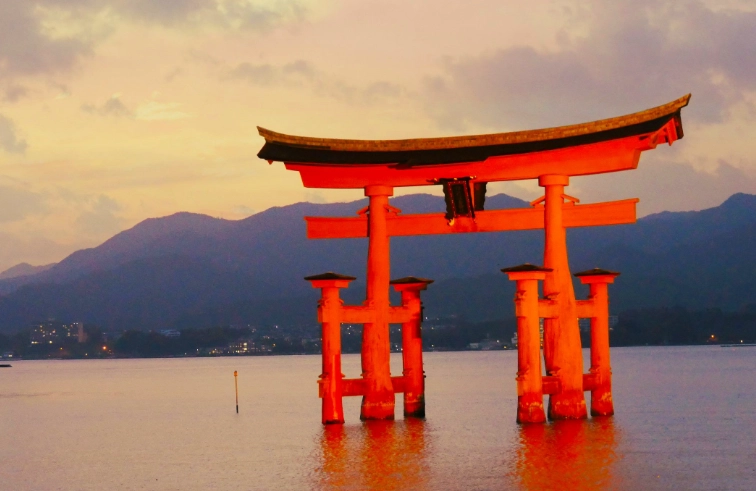
Option 2: The Summit Challenge (The Climber's Pilgrimage)
Climbing Fuji is a cultural rite of passage. The official season is shockingly short: early July to early September. Outside this window, it's extremely dangerous—snow, ice, closed stations, no rescue. Don't be that tourist.
There are four main trails: Yoshida (most popular, easiest access), Subashiri, Gotemba, and Fujinomiya (shortest but steepest). Most people do a 1-night climb, starting in the afternoon, hiking to a mountain hut, sleeping (or trying to), then summiting for dawn.
| Trail | Starting Point | Ascent Time | Key Feature | Best For... |
|---|---|---|---|---|
| Yoshida Trail | Fujiyoshida 5th Station | 5-7 hours | Most mountain huts, sunrise view from east side. | First-time climbers, those wanting most support. |
| Fujinomiya Trail | Fujinomiya 5th Station | 4-5 hours | Shortest route, steepest sections. | Fitter climbers short on time. |
| Subashiri Trail | Subashiri 5th Station | 5-7 hours | Forest path at start, merges with Yoshida near top. | Those wanting a quieter start. |
| Gotemba Trail | Gotemba 5th Station | 7-8 hours | Longest, least crowded, vast volcanic landscape. | Experienced hikers seeking solitude. |
Option 3: The Deep Dive (The Cultural Explorer)
Move beyond the snapshots. Visit the Fujisan World Heritage Centre in Fujiyoshida to understand its spiritual and artistic significance. Hike the lesser-trekked trails in the Aokigahara "Sea of Trees" forest at its base. Visit the historic Oshino Hakkai springs, eight pristine ponds fed by Fuji's melted snow. This approach answers the deeper question behind "What is the #1 tourist attraction in Japan?"—it's about understanding why it's number one.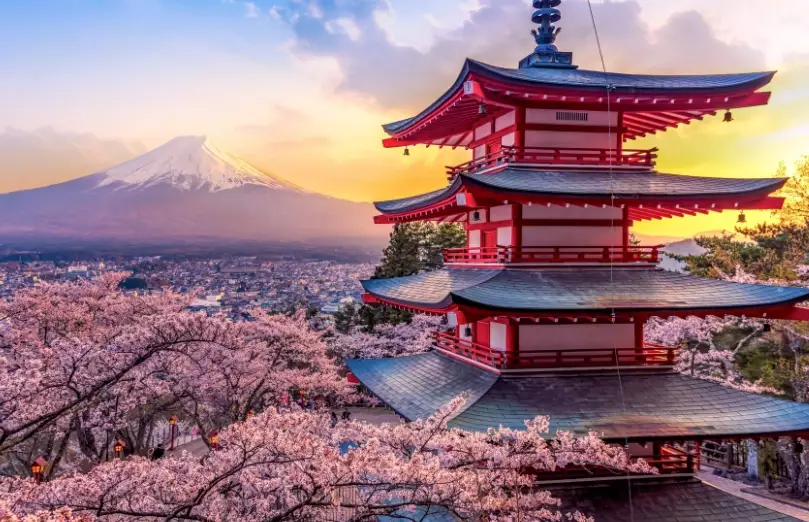
Planning Your Visit: The Nitty-Gritty Details
Dreaming is easy. Planning is where trips are made or broken. Here’s the stuff you really need to know.
Best Time to Go for Views (It's Not Just Summer)
Contrary to logic, the climbing season (summer) is often the worst for clear views from afar! The heat creates haze and clouds. For pristine, long-distance viewing:
- Winner: Late Autumn to Early Spring (Nov-April). Cold, dry air means crystal-clear visibility. Seeing Fuji with a snowy cap against a deep blue winter sky is unbeatable. Risk of clouds is lower.
- Good Alternative: Early Morning, Year-Round. Clouds often build during the day. Sunrise offers the highest chance of a clear view, even in hazier seasons.
Getting There: A Simple Breakdown
From Tokyo, you have great options:
- Direct Bus: From Shinjuku Station to Kawaguchiko or Fuji Subaru Line 5th Station. Cheap, direct, no transfers. My go-to for simplicity.
- Train: JR Chuo Line to Otsuki, then transfer to the Fujikyuko Line to Kawaguchiko. More scenic, but involves a transfer. Consider the Fuji Excursion limited express for a direct train from Shinjuku.
- Driving: Offers maximum flexibility to chase views, but parking can be a headache on weekends, and tolls add up.
Where to Stay: Views vs. Convenience
If a room with a Fuji view is your dream, book months ahead, especially for hotels like Fuji Lake Hotel or La Vista Fujikawaguchiko. They sell out fast. You'll pay a premium. A more budget-friendly tactic: stay at a business hotel near Kawaguchiko Station without a view, and wake up early to go to a lakeside viewing spot. You get the same photo, just not from your bed.
Your Burning Questions, Answered
Beyond the Peak: The Runners-Up and Why They're Not #1
To truly justify Fuji's crown, we should glance at the competition. These places are incredible, but they don't dethrone the mountain.
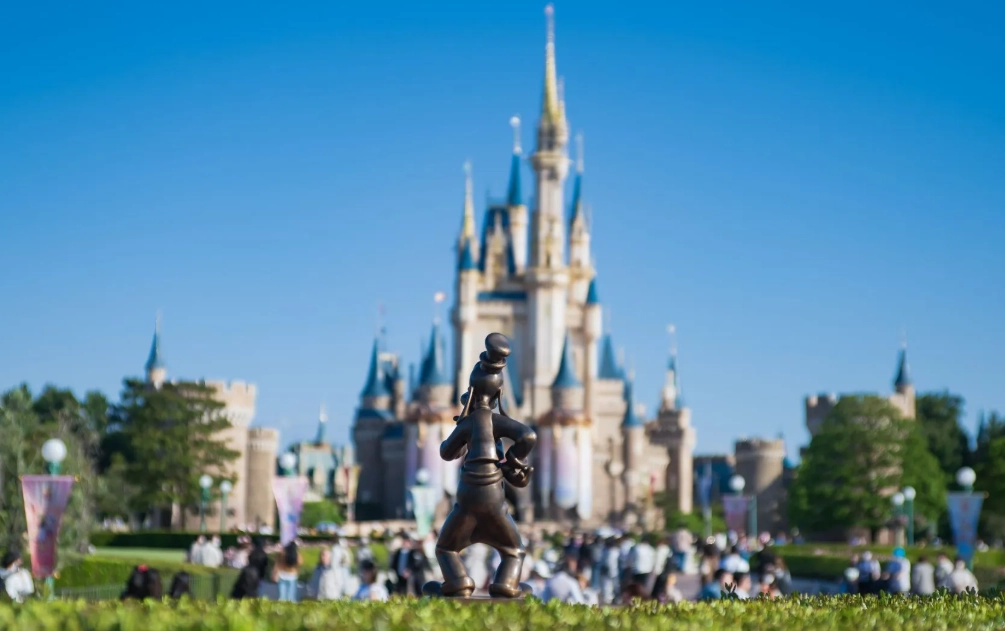
- Tokyo Disneyland/DisneySea: World-class, but it's a transplanted experience. You can find similar magic in Florida, Paris, or Shanghai. Fuji is uniquely, irreplaceably Japan.
- Fushimi Inari Shrine (Kyoto): My personal favorite spot in Japan. But its fame is more recent, fueled by Instagram. Its scale is intimate compared to the national, centuries-old symbolism of Fuji.
- The Shibuya Scramble/Senso-ji Temple: These are quintessential urban experiences, parts of a Tokyo visit. They don't stand as a single, defining destination in the way a 3,776-meter volcano does.
- Hiroshima Peace Memorial Park: Profoundly important, a must-visit for humanity. But it's a somber historical site, not the celebratory, natural icon that represents the country's aesthetic soul.
Fuji's advantage is its dual nature. It's a natural wonder and a profound cultural artifact. That combo is unbeatable when determining the ultimate, singular attraction.
Final Thoughts: More Than a Checkmark
Figuring out what is the #1 tourist attraction in Japan is more than an academic exercise. It's about understanding what you want from your trip. If you want thrills, go to DisneySea. If you want ancient history, go to Kyoto. But if you want to stand before the singular symbol of Japan, to feel its quiet power and understand its hold on the national psyche, your destination is clear.
Mount Fuji isn't just a place you see. It's a place you feel. Some days it hides, leaving you with nothing but a memory of clouds. Other days, it reveals itself in full glory, and that moment—whether from a lakeside, a train window, or a windy summit at dawn—stays with you forever. That's the mark of a true number one. It's not about being the most fun or the most busy. It's about being unforgettable.
So pack your layers, check the weather obsessively, manage your expectations, and go meet the mountain. Your answer to "What is the #1 tourist attraction in Japan?" won't just be a fact you read online. It'll be your own story.

Comments