Your Flavor Journey: Explore Tokushima's Best
You know, I get this question a lot. People hear about Tokushima for the whirlpools, the Awa Odori dance festival... but then they stop and think, "Wait, what do I eat there?" It's a good question. If you're planning a trip to Japan's Shikoku island, or you're just a foodie curious about regional Japanese cuisine, figuring out what food is famous in Tokushima is a pretty essential first step. Let me tell you, it's not just one thing. It's a whole vibe.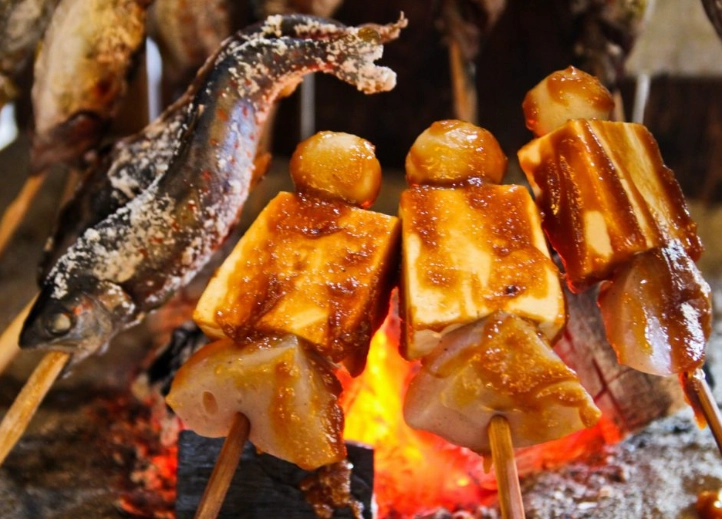
Tokushima Prefecture, also known as Awa, has this unique culinary personality shaped by its mountains, rivers, and that crazy-fast Naruto Strait. The food here is hearty, often a bit punchy in flavor, and deeply connected to the land. Forget the delicate kaiseki for a minute—we're talking about bowls of ramen that look different from any other, chicken so good it has its own fan club, and citrus fruits that pop up in the most unexpected places.
I spent a good chunk of time there, just eating my way around. Some stuff blew me away. Other things... well, let's just say they're an acquired taste. I'll be honest about all of it. This isn't a generic listicle. This is a deep dive from someone who's stood at the counter, slurped the noodles, and maybe even got a little lost looking for that one tiny restaurant. So, let's break it down.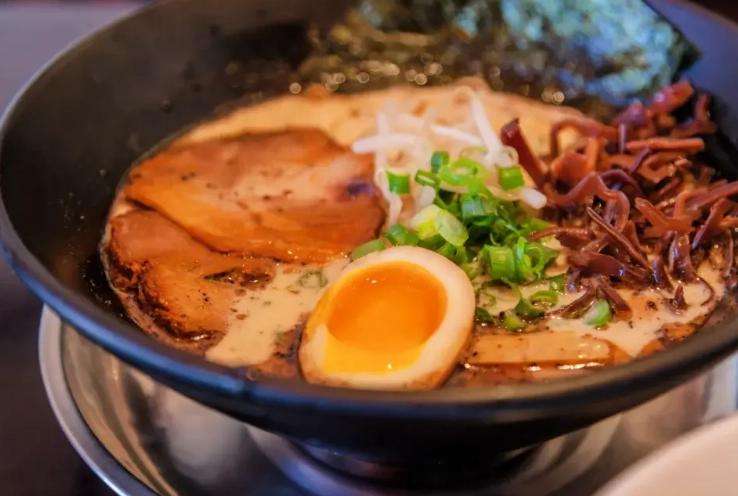
The Undisputed King: Tokushima Ramen
If you ask anyone, local or tourist, "What food is famous in Tokushima?" nine times out of ten, the first word out of their mouth will be "ramen." But this isn't your Tokyo shoyu or Hakata tonkotsu. Tokushima ramen is its own beast, and it's the dish the prefecture is most proud of.
The base is usually a rich, brown broth made from pork bones (tonkotsu) and... wait for it... soy sauce (shoyu). That combination alone sets it apart. It's savory, deeply umami, and has a robust character. The noodles are typically straight and medium-thick, with a nice chew. Now, here's where it gets fun and a little confusing. Tokushima ramen famously comes in three main "color" styles based on the soup and toppings. It's less about the actual color and more about the flavor profile.
The Three Styles of Tokushima Ramen: A Quick Guide
To really understand what food is famous in Tokushima, you need this ramen decoder ring. Here’s the breakdown.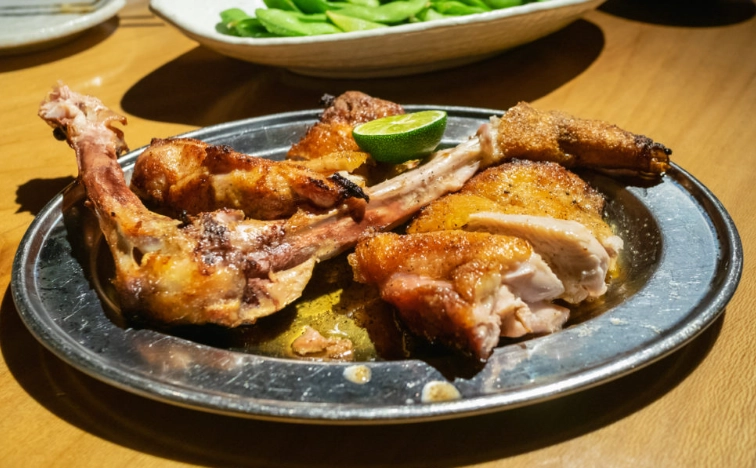
| Style (Color) | Broth Base & Key Feature | Standard Toppings | Who It's For |
|---|---|---|---|
| Brown (茶系) | Dark soy sauce-based, often with a dab of sweet minced pork (肉味噌) melted into the soup. The most common style. | Raw egg (cracked in by you), green onions, sliced pork, bean sprouts. | First-timers, anyone who loves a rich, savory, slightly sweet punch. |
| White (白系) | Lighter salt-based (shio) or light soy sauce broth. Clearer and less heavy than the brown style. | Usually includes cabbage, bean sprouts, sliced pork, and sometimes corn. | Those who prefer a cleaner, less intense soup, or as a "break" between brown bowls. |
| Yellow (黄系) | The rarest. Broth is a chicken and seafood (usually niboshi) base, giving it a golden hue and a distinct, complex dashi flavor. | Can vary, often includes chashu, menma (bamboo shoots), and naruto fish cake (fittingly!). | The ramen adventurer looking for something truly unique and nuanced. |
The raw egg thing is non-negotiable for the brown style. You get it on the side, crack it in, and stir. It creates this luscious, creamy texture that tempers the saltiness. Game changer. You'll also find that many ramen shops here serve it with a side of rice. The idea is to mix leftover soup with rice at the end. Don't knock it till you've tried it—it's a carb-heavy masterpiece.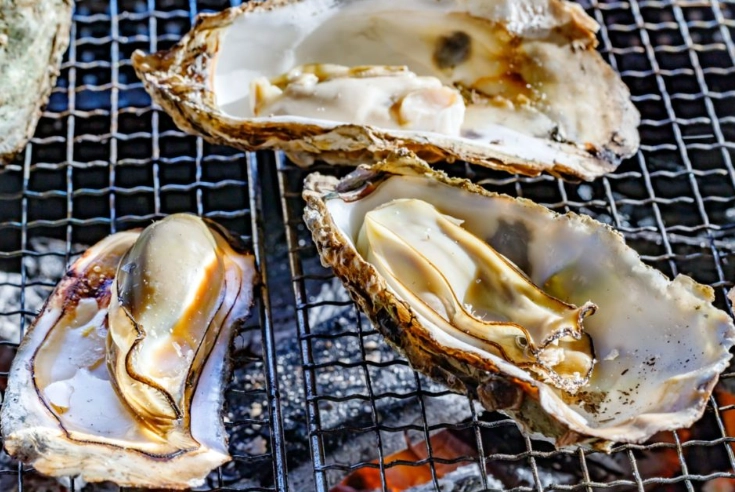
So, when you're researching what food is famous in Tokushima, ramen will dominate the conversation. But honestly? It deserves the spotlight. It's a complete, satisfying meal that tells you a lot about the local palate.
Beyond the Bowl: Other Must-Try Tokushima Foods
Okay, ramen is the headline act, but the supporting cast is just as stellar. To answer "what food is famous in Tokushima" fully, you have to look at the whole menu.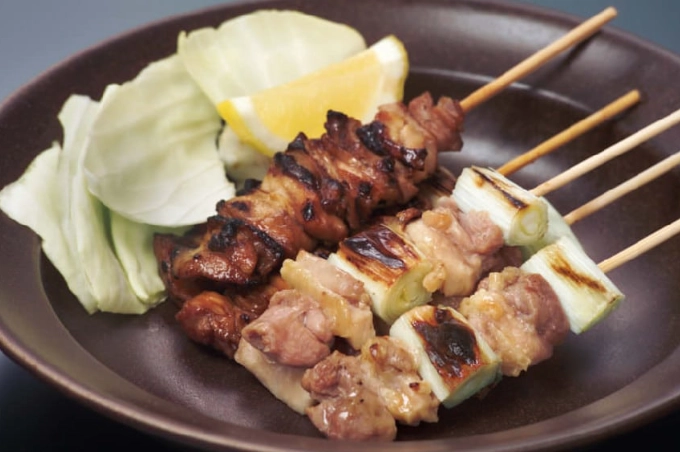
Awaodori Chicken (阿波尾鶏)
This isn't just any chicken. Awaodori is a premium brand of chicken native to Tokushima, raised for at least 120 days with strict standards. The name comes from the famous Awa Odori dance—supposedly the chickens are as lively as the dancers? I don't know about that, but I can vouch for the meat.
It's known for its firm texture, rich flavor, and low fat content. You'll find it everywhere: grilled as yakitori (skewers), served as succulent chicken sashimi (yes, raw chicken—it's safe if sourced and prepared correctly, but I understand if you skip it), in hot pots, or as crispy fried chicken (karaage). The yakitori, especially the thigh meat (momo), is phenomenal. Juicy, smoky, with just a touch of salt. It makes you realize how bland most chicken can be.
Sudachi (すだち)
This little green citrus is Tokushima's pride and joy. It's smaller and more aromatic than a lime, with a sharp, refreshing acidity. It's not really eaten on its own; it's a seasoning superstar. You'll get a wedge of sudachi served with practically everything—grilled fish, sashimi, noodles, hot pots, even drinks!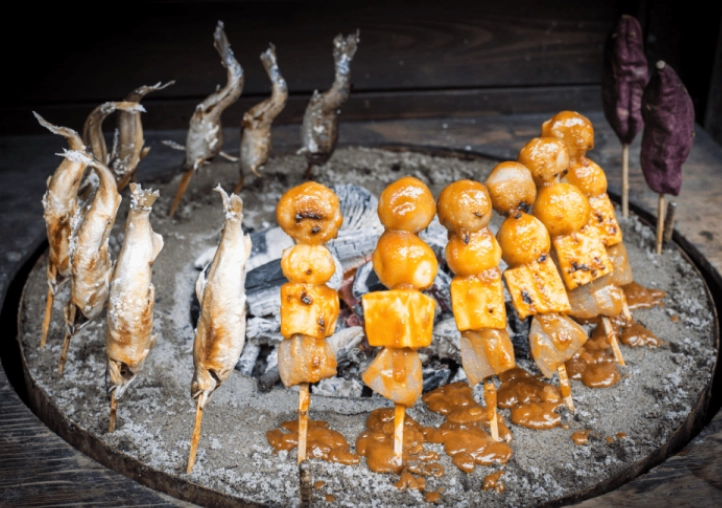
Squeezing that fresh juice over your food lifts and brightens the whole dish. It cuts through the richness of ramen broth or the oiliness of fried chicken perfectly. They also make sudachi juice, ponzu sauce, vinegar, and even sudachi-flavored sweets. It's the secret weapon in Tokushima's culinary arsenal.
Seafood from the Naruto Strait
With the raging Naruto whirlpools churning up nutrients from the deep, the waters here are teeming with life. The seafood is incredibly fresh.
- Tai (Sea Bream/鯛): Particularly famous. It's often served as "Tai Meshi," where sea bream is cooked with rice in a donabe (clay pot). The fish is tender, the rice absorbs all the delicious juices... it's simple comfort food at its finest.
- Various Fish: Look for locally caught fish like buri (yellowtail), sawara (Spanish mackerel), and katsuo (bonito) at fish markets and sushi restaurants. The katsuo in Tokushima is often prepared "Tataki" style—seared on the outside, raw inside, served with garlic, ginger, and sudachi, of course.
Street Food & Snacks
Walking around Tokushima City or smaller towns, you'll stumble upon some delightful bites.
- Naruto Kintoki (鳴門金時): A type of sweet potato with vibrant purple skin and sweet, yellow flesh. You'll find it roasted on street corners, in tempura, or as ice cream. The sweet potato soft serve is a must-try—naturally sweet and creamy.
- Iya Soba: From the remote Iya Valley in Tokushima, this is a rustic, buckwheat soba. The noodles have a earthier, more robust flavor compared to refined soba. Often served cold with a simple dipping sauce or in a hot broth.
- Local Citrus: Beyond sudachi, Tokushima grows other citrus like buntan (pomelo) and yuzu. Candied peels, jams, and juices are popular souvenirs.
Your Tokushima Food Experience: A Practical Guide
Knowing what food is famous in Tokushima is one thing. Knowing how and where to eat it is another. Let's get practical.
Where to Find These Famous Foods
For Ramen: Tokushima City is ramen central. Just wander the streets around the station and you'll spot plenty. Some legendary, often-recommended spots include (Note: Specific restaurant links often change or are personal blogs. For authoritative, verifiable location info, the Tokushima Official Guide website is a better resource for finding categorized restaurants.). Look for places with a line of locals—that's always the best sign.
For Awaodori Chicken: Izakayas (Japanese pubs) are your best bet. The "Yakitori Alley" or small streets behind main stations usually have great options. Also, many dedicated "Awaodori Chicken" restaurants exist.
For Fresh Seafood: Head to the port areas or local fish markets. The Tokushima City Central Wholesale Market (not as touristy as some, but you can find sushi shops around it) or smaller morning markets in coastal towns offer the freshest catch.
Budgeting for Your Food Adventure
Tokushima food can be very reasonable.
- A hearty bowl of Tokushima ramen: 700 - 950 yen.
- Awaodori chicken yakitori skewers: 200 - 350 yen each.
- A set meal with fish, rice, soup: 1,200 - 2,000 yen.
- Street snacks like roasted sweet potato: 300 - 500 yen.
You can eat extremely well without blowing your budget. The value is incredible.
When to Go for Food
Any time is good, but seasons matter. Autumn is fantastic for sweet potatoes and new harvest rice. Winter is great for hot pots and hearty ramen. Summer offers refreshing sudachi-based dishes and cold noodles. The Awa Odori festival in August is packed, but the energy and festival food stalls are an experience in themselves.
Common Questions About Tokushima Food (Stuff You Might Be Wondering)
Q: Is Tokushima ramen very salty?
A: The brown style can be quite savory and salty, yes. That's why the raw egg and the side of rice are there to balance it. The white style is much lighter. Drink plenty of water or order a cold beer!
Q: I'm a vegetarian. Will I struggle in Tokushima?
A: Honestly, it can be challenging. Traditional cuisine is heavily based on meat and fish broths. Your best bets are Iya soba (check the broth), vegetable tempura, salads, and modern cafes. Always ask explicitly if something contains "dashi" (fish stock) or "niku" (meat).
Q: What's the best food souvenir from Tokushima?
A: Sudachi products! A bottle of sudachi juice or ponzu is easy to pack. Also, packets of instant Tokushima ramen are surprisingly good and let you recreate the taste at home. Naruto Kintoki sweet potatoes are also sold as packaged sweets.
Q: Do I need to speak Japanese to order?
A: In major spots in Tokushima City, you might find picture menus. In smaller towns, less so. Learning phrases like "Kore kudasai" (This, please) and "Osusume wa nan desu ka?" (What do you recommend?) goes a long way. People are friendly and will try to help.
Final Thoughts on What Food Is Famous in Tokushima
Look, answering "what food is famous in Tokushima" with just a list does it a disservice. It's about the experience. It's about slurping that unique ramen at a crowded counter. It's about the burst of sudachi on perfectly grilled fish. It's the discovery that a simple sweet potato can be that delicious.
The food here is unpretentious, flavorful, and deeply satisfying. It's not trying to be Tokyo or Kyoto. It's proudly, stubbornly, deliciously Tokushima. So go beyond the whirlpools. Let your stomach guide you. Try the famous ramen, but also wander into that small izakaya for some chicken skewers. Buy a sudachi soft serve on a whim.
For more detailed travel planning and official information on restaurants and local products, a great resource is the Tokushima Official Guide website. For broader context on Japanese regional cuisines, the Japan National Tourism Organization (JNTO) site is invaluable. They help verify a lot of the cultural and practical details.
Have a great trip, and eat well!

Comments