Let's be honest. When most people plan a trip to Japan, Yokohama isn't always the first city that pops into their heads. Tokyo's neon buzz and Kyoto's ancient temples tend to steal the spotlight. I was the same. My first few trips to Japan, I completely skipped it, thinking it was just Tokyo's busy port neighbor. What a mistake that was.
Explore the Guide
- Getting Your Bearings: Where is Yokohama and How to Get There?
- Crafting Your Perfect Yokohama Itinerary: 1, 2, or 3 Days
- Where to Stay: Picking Your Yokohama Base
- Beyond the Top Sights: Hidden Gems & Local Favorites
- Yokohama on Your Plate: A Foodie's Checklist
- Practical Stuff: Answers to the Questions You're Actually Asking
- A Final Thought Before You Go
It wasn't until a friend, a Tokyo local who was frankly bored of Shibuya Crossing, insisted I give it a weekend that I finally understood. Yokohama isn't a side dish; it's a full, complex, and incredibly satisfying main course. It has this unique energy – a blend of cutting-edge futurism, deep maritime history, and international flair that you just don't get anywhere else. Planning Yokohama travel is about discovering a city with its own confident identity.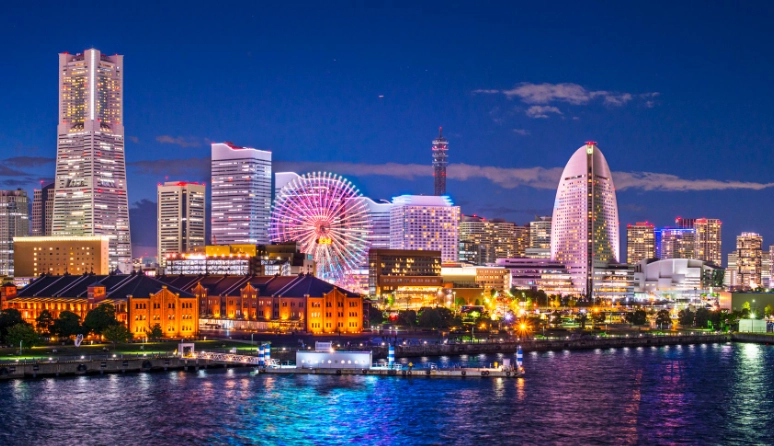
So, why Yokohama? For starters, it's manageable. After the sensory overload of Tokyo, the wide, breezy streets of Minato Mirai feel like a deep breath. It's walkable, it's scenic, and it's packed with diverse experiences. You can go from marveling at giant robots in the morning to sipping craft beer in a historic red-brick warehouse by the afternoon, and finish with a bowl of the best ramen you've ever had. This guide is everything I've learned from multiple visits, mistakes included, to help you plan a trip that's light on stress and heavy on amazing memories.
Getting Your Bearings: Where is Yokohama and How to Get There?
Yokohama sits in Kanagawa Prefecture, right on Tokyo Bay. If Tokyo is the heart, Yokohama is the strong, capable shoulder next to it. The proximity is its greatest asset for travelers.
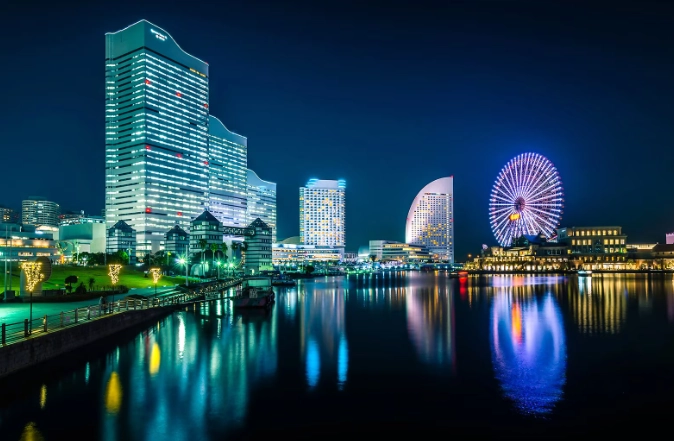
Getting there from Tokyo is a breeze, which makes it perfect for a day trip or the first/last stop on your itinerary if you're flying into Narita or Haneda. The heart of the city for visitors is the waterfront area, stretching roughly from Yokohama Station in the north down to Yamashita Park and Chinatown in the south. The futuristic Minato Mirai 21 district is right in the middle of this, with its iconic Ferris wheel and landmark tower.
Your Main Transportation Options (No Headache Version)
Navigating from Tokyo can seem daunting, but it's surprisingly simple. Here’s the breakdown from the main entry points:
| From | Best Train Route | Approx. Time | Approx. Cost (One-Way) | Why It's a Good Choice |
|---|---|---|---|---|
| Tokyo Station | JR Tokaido Line or JR Yokosuka Line | 25-30 mins | ¥500 | Direct, frequent, no transfers. Drops you at Sakuragicho or Yokohama Station. |
| Shinjuku Station | JR Shonan-Shinjuku Line | 30-35 mins | ¥580 | Direct to Yokohama Station. Great if you're staying in west Tokyo. |
| Shibuya Station | Tokyu Toyoko Line (to Minato Mirai) | 30 mins | ¥280 | Direct to Minato Mirai Station, heart of the action. Cheaper private line. |
| Narita Airport (NRT) | Narita Express (N'EX) to Yokohama | 90 mins | ¥4,500 | Comfortable, reserved seats, direct. No wrestling with luggage on subways. |
| Haneda Airport (HND) | Keikyu Line to Yokohama | 20-25 mins | ¥300 | Incredibly fast and cheap. The absolute best airport transfer in Japan. |
My personal favorite route? From Haneda. The speed and value are unbeatable. If you're coming from Narita, the N'EX is worth the splurge for the ease. A must-check resource for planning any train travel in Japan is the official JR East website. Their timetable and fare search is accurate and a lifesaver.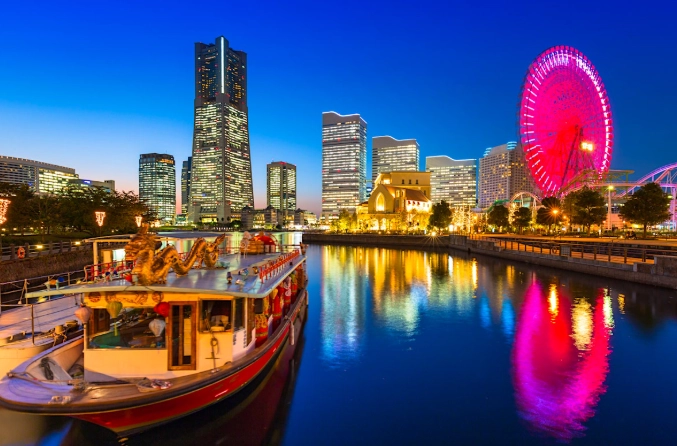
Crafting Your Perfect Yokohama Itinerary: 1, 2, or 3 Days
You can taste Yokohama in a day, but to savor it, give it two. Here’s how I'd structure it based on time.
The Power-Packed One-Day Yokohama Travel Blitz
This is for the decisive, energy-rich traveler. Start early.
Morning (Futuristic Views & Robots): Get off at Sakuragicho Station. Walk towards the water. Your first sight is the Cosmo Clock 21 Ferris wheel and the sleek lines of Minato Mirai. Head straight to the Landmark Tower. Sure, going to the Sky Garden observatory costs about ¥1,000, but the 360-degree view on a clear day, seeing Tokyo, Mt. Fuji (if you're lucky), and the entire bay, sets the geographical context for your entire day. It's worth it. Afterwards, a short walk leads you to the Gundam Factory Yokohama. Even if you're not an anime fan, the scale of the moving RX-78F00 Gundam is an engineering spectacle. Check the official Gundam Factory website for showtimes and ticket availability—they can sell out.
Afternoon (History & Lunch): Walk south along the waterfront promenade towards the Red Brick Warehouse (Aka Renga). These beautifully restored buildings house shops and cafes. It's touristy, yes, but the atmosphere is great. Grab lunch here—there are decent options from Japanese curry to Italian. Then, continue south into Yamashita Park, Japan's first seaside park. It's a simple, lovely stretch for a stroll. The Hikawa Maru, a historic ocean liner docked here, is a cool niche museum if you're into ships.
Evening (Sensory Overload & Dinner): As dusk falls, enter Yokohama Chinatown. It's the largest in Japan and arguably the most vibrant. The gates are stunning, the energy is electric, and the smells are incredible. Don't just wander. Be strategic. Skip the generic buffets. Join a line for soup dumplings at a popular spot, or get a plate of Peking duck. For a more local Yokohama twist, find a place serving Shumai—Yokohama's signature steamed pork dumplings, which are different from Cantonese siu mai. It's chaotic, delicious, and an unforgettable experience.
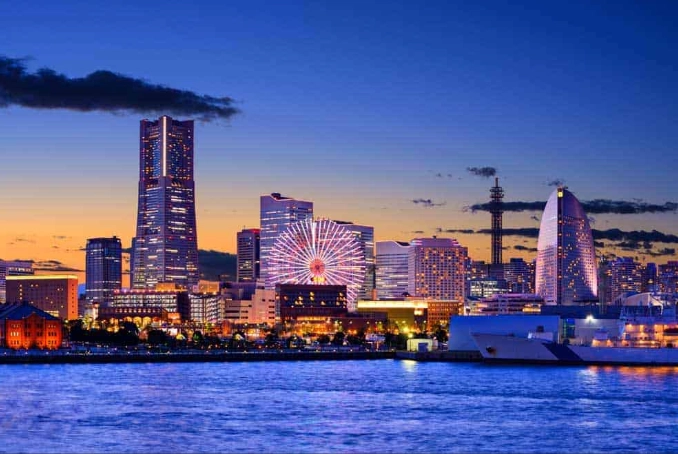 One day is a sprint, but it hits the iconic notes.
The Ideal Two-Day Yokohama Travel Experience
This is the sweet spot. Day One covers the Minato Mirai to Chinatown corridor as above, but at a more relaxed pace. Maybe you skip the Gundam and just admire it from outside, or spend more time browsing the unique shops in the Red Brick Warehouse.
Day Two is for depth and local flavor.
Morning (The Other Yokohama): Take the train to Kannai or Ishikawacho Station. This area is the historical core, where the foreign settlement was after the port opened. The architecture tells the story. Visit the Yokohama Archives of History (a beautiful building itself) for context. Then, wander the Yamate Bluff area (also called The Bluff). This is where foreign diplomats and merchants lived. The Western-style houses, like the Ehrismann Residence and Berrick Hall, are open to the public and offer a peaceful, almost European feel with gorgeous garden views of the port. It's a quiet, leafy contrast to yesterday's buzz.
Afternoon (Ramen Pilgrimage): Take a short train ride to Shin-Yokohama Station. This area is otherwise unremarkable, but it's home to the Shin-Yokohama Raumen Museum. This is not a stuffy museum. It's a themed basement park replicating a 1958 Tokyo streetscape, housing nine mini-branches of famous ramen shops from across Japan. You can order mini bowls (“half-size”) to try multiple styles—from rich tonkotsu from Kyushu to miso ramen from Hokkaido. It's kitschy, fun, and delicious. A perfect rainy-day activity or just a great foodie stop.
Evening (Local Vibe): Head back to the Motomachi area near Yamate. This shopping street has an upscale, cosmopolitan feel. Find a cozy iyakaya (Japanese pub) for dinner. Or, if you're a beer lover, make a pilgrimage to the Yokohama Brewery in the Bashamichi area. Yokohama is the birthplace of commercial beer in Japan (thanks, Kirin!), and the craft scene here is excellent.
Where to Stay: Picking Your Yokohama Base
This decision can shape your trip. Unlike Tokyo, where you're almost always transiting, in Yokohama you can often walk back to your hotel from dinner. Here's the neighborhood breakdown:
Minato Mirai/Sakuragicho: This is the premium, convenience choice. You're in the middle of the glitz, with landmark hotels like the Yokohama Bay Hotel Tokyu or the Hotel New Grand. You pay for the view and the location. Waking up to a harbor view is magical. Best for: Luxury seekers, first-timers who want to be in the center of it all, short stays.
Near Yokohama Station: The practical, well-connected choice. It's a major transport hub with endless dining and shopping options (Lumine, Takashimaya, etc.). The area is more business-like, less scenic, but you have unbeatable access to trains going anywhere. Hotels here range from business chains to upscale options. Best for: Travelers using Yokohama as a base for day trips, budget-conscious visitors, those arriving late/leaving early.
Kannai/Ishikawacho: The historical, characterful choice. You're close to the Yamate Bluff, Chinatown, and the stadium. The vibe is quieter, more local. You'll find more boutique hotels and business hotels here. It's a short train ride or a 15-20 minute walk to Minato Mirai. Best for: Travelers interested in history, repeat visitors, those wanting a quieter stay.
I've stayed in all three. For a first-time Yokohama travel experience, I'd lean towards Minato Mirai if the budget allows, or Yokohama Station for sheer practicality. Kannai has my heart for a more relaxed, return visit.
Beyond the Top Sights: Hidden Gems & Local Favorites
Once you've seen the postcard spots, dig deeper. This is where your Yokohama travel story gets interesting.
- Negishi Forest Park: Way off the tourist trail, this was a former horse racing track. It's now a massive, peaceful park perfect for a long walk or bike ride. Locals come here to relax. The old parade ring and some stables remain, giving it a unique, slightly melancholic charm.
- Osanbashi Pier: You'll see this long, wooden-paved pier jutting into the bay. It's not a attraction with exhibits; it's a piece of functional, beautiful architecture. The undulating deck feels like you're walking on the back of a sea creature. The views back towards Minato Mirai are postcard-perfect, especially at sunset. It's free and never too crowded.
- Noge District: Located between Kannai and Sakuragicho, this is old-school, gritty, real Yokohama. Tiny, decades-old bars and eateries line narrow lanes. It's not polished, but it's full of soul. Go here in the evening for a dose of Showa-era nostalgia and to drink with salarymen and locals. It's an adventure.
- Zou-no-Hana Park & the NYK Maritime Museum: At the tip of the Minato Mirai peninsula, this small park often has art installations. The adjacent museum, housed in a beautiful old building, is a treasure trove for anyone fascinated by ships and Yokohama's port history. The model ship collection is incredible.
Yokohama on Your Plate: A Foodie's Checklist
Yokohama's food scene reflects its port city history. It's a fusion city.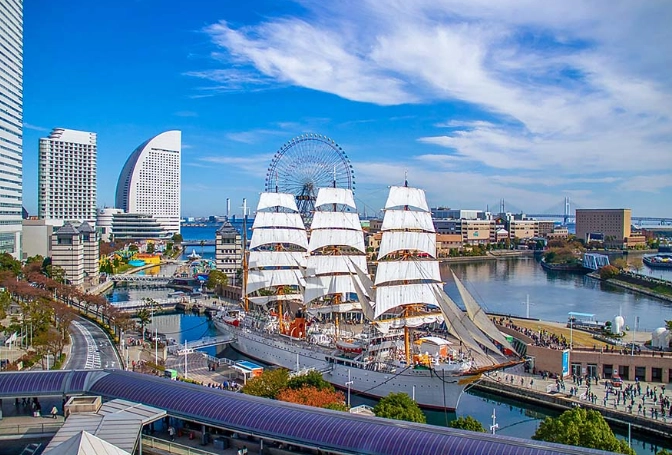
- Shumai: I mentioned it, but it's worth its own spot. Yokohama's shumai is a steamed pork dumpling, often served as a set with rice and other small dishes. Try it at a dedicated shop like Shumai-ya in the station building or at a local restaurant. It's comfort food.
- Nikutamen (Meat Ramen): A Yokohama invention. It's a soy-sauce based ramen topped with a mountain of stir-fried, seasoned ground pork, bean sprouts, and leeks. It's hearty, messy, and deeply satisfying. Yoshimuraya is the most famous originator.
- Anything in Chinatown (But Be Selective): Soup dumplings, Peking duck, shark fin soup (if that's your thing), almond jelly for dessert. The key is to look for places with lines of Japanese people, not just tourists.
- Seafood: Being a port, the sushi and sashimi are fantastic and often fresher/cheaper than in landlocked parts of Tokyo. Check out the restaurants near the fish market or in the Bashamichi area.
- Yokohama Beer: From the classic Kirin (visit the Kirin Beer Village in Yokohama for a free tour and tasting) to excellent craft breweries like Yokohama Brewery and Thrash Zone. A local pint is a must.
Practical Stuff: Answers to the Questions You're Actually Asking
A Final Thought Before You Go
Yokohama has a confidence that doesn't need to shout. It's not trying to be Tokyo. It's happy being itself—a city of firsts, of fusion, of wide horizons. The best Yokohama travel advice I can give is this: slow down. Don't just tick off the sights. Sit on a bench in Yamashita Park and watch the boats. Get lost in the backstreets of Noge. Sip a coffee in a Yamate garden. Let the city's layered history and easy-going vibe sink in.
It might just become your favorite place in Japan.
For the most current official information on events, museum hours, and travel alerts, always cross-check with the Yokohama Official Visitors' Guide. It's a reliable source straight from the city's tourism board.

Comments