Your Fukuoka Adventure Guide
- Before You Even Book Your Flight: The Fukuoka Travel Essentials
- Getting There and Getting Around: Fukuoka Travel Made Simple
- Where to Lay Your Head: Fukuoka Travel Accommodation Zones Decoded
- The Can't-Miss, Should-Miss, and Secret Spots
- The Real Reason You're Here: The Fukuoka Food Pilgrimage
- Building Your Perfect Fukuoka Travel Itinerary
- Fukuoka Travel FAQ: Answering Your Real Questions
- Final Thoughts: Why Fukuoka Travel Sticks With You
Let's be honest. When you think of Japan, your mind probably races to Tokyo's madness, Kyoto's temples, or Osaka's street food. Fukuoka? It's the name you stumble upon when looking at a map of Kyushu. But here's the thing – after living in Tokyo for years and visiting pretty much every major spot, my trip to Fukuoka felt like finding a secret backdoor into the real Japan. A Japan that's somehow more relaxed, more flavorful, and honestly, a lot easier on your feet and your wallet. This isn't just another city guide. This is the Fukuoka travel handbook I wish I had before I went.
So why Fukuoka? It's compact. You can walk from a thousand-year-old shrine to a cutting-edge ramen stall in under twenty minutes. The people have this Kyushu warmth that's different from the polite but reserved vibe up north. And the food... oh, the food. It's the undisputed ramen capital, but that's just the headline act.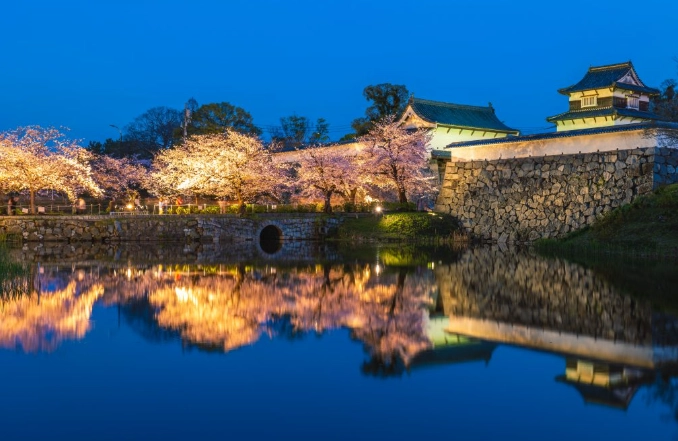
Before You Even Book Your Flight: The Fukuoka Travel Essentials
Jumping into Fukuoka travel without a bit of prep is a missed opportunity. A little planning here goes a long way.
When to Go (And When to Avoid)
Spring (March-May) and Autumn (October-November) are the golden children. Cherry blossoms in Maizuru Park are a gentle, less-crowded dream compared to Kyoto. Autumn brings crisp air perfect for exploring. Summer is hot and humid – I made this mistake once. The July humidity hits you like a wet blanket, though the summer festivals (like the spectacular Hakata Gion Yamakasa) are a powerful lure. Winter is mild, rarely snows, and is great for hot pot and onsen trips to nearby hot spring towns. If you hate crowds, avoid Golden Week (late April/early May) and Obon (mid-August).
Budgeting Reality Check
Fukuoka is noticeably cheaper than Tokyo or Osaka. You can have a fantastic time without hemorrhaging cash.
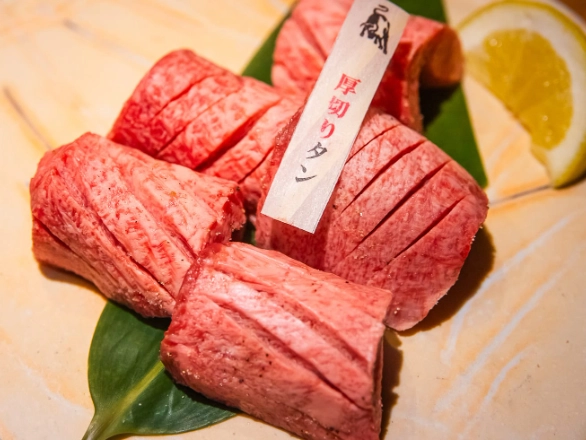
A life-changing bowl of tonkotsu ramen costs under $7. Street food at yatai (stalls) is $5-10 per item. Splurging on a fancy yakiniku (BBQ) dinner is where the cost climbs.
The subway is simple and cheap. A one-day pass is about $6. Most things in the core city are walkable. Buses are useful for places like Fukuoka Tower.
Many shrines and parks are free. Paid museums or observation decks like Fukuoka Tower are your main expenses.
| Category | Budget (per day) | Mid-Range (per day) | Notes from My Experience |
|---|---|---|---|
| Accommodation | $40-60 (hostel/capsule) | $80-150 (business/boutique hotel) | Hotels near Hakata Station are pricier but super convenient. Consider Nakasu or Tenjin for better value. |
| Food & Drink | $25-35 | $50-80 | |
| Transport | $5-10 | $10-20 | |
| Attractions | $10-15 | $20-40 |
See? A mid-range 5-day Fukuoka travel adventure is very manageable.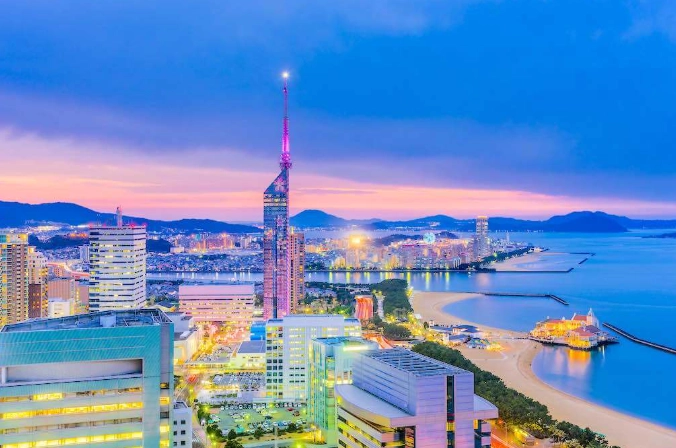
The Non-Negotiables: Visa, Cash, and Connectivity
Check your country's visa requirements on the official Japanese Ministry of Foreign Affairs website. While credit cards are common in department stores and hotels, Japan is still a cash society in its soul. Yatai stalls, small family restaurants, and temple offerings require cash. Get a Suica or Icoca card at Hakata Station – it works on subways, buses, and even in convenience stores.
For connectivity, pocket Wi-Fi is a godsend. You can book one for pickup at Fukuoka Airport. It saved me when navigating backstreets looking for a specific mochi shop.
Getting There and Getting Around: Fukuoka Travel Made Simple
Fukuoka International Airport (FUK) is a dream. It's one of the few major airports in the world right inside the city. The subway connects the international terminal to Hakata Station in just 5 minutes. It's almost comically easy. For domestic flights, it's even closer.
Once you're in the city, forget complex train maps. Fukuoka's subway has just three lines: the Airport Line (duh), the Hakozaki Line, and the Nanakuma Line. They intersect at the major hubs. For a visual map and precise fares, the Fukuoka City Subway official site is your best friend.
Buses fill in the gaps, especially for reaching spots like the Fukuoka City Museum or the seaside areas. Google Maps is freakishly accurate for bus times and routes here.
Now, should you get a JR Pass for Fukuoka travel? If Fukuoka is your only destination in Japan, no. It's not worth it. But if you're landing in Tokyo and taking the Shinkansen bullet train down to Fukuoka (a gorgeous 5-hour ride), then the JR Pass becomes a potential money-saver. Use the official Japan Rail Pass calculator to be sure.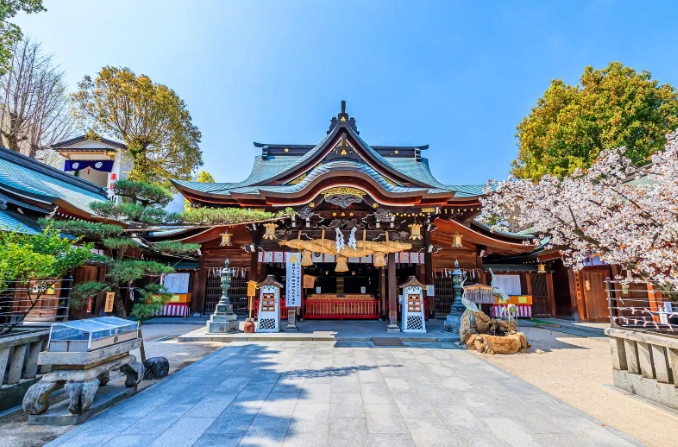
Where to Lay Your Head: Fukuoka Travel Accommodation Zones Decoded
Picking the right area is half the battle for a good trip.
Hakata: The Transport King
This is the main station area. It's hectic, packed with department stores (like the amazing Hakata Hankyu), and has endless food options in its underground malls. It's the most convenient, especially for short trips or if you have a heavy suitcase. But it lacks a bit of local character at night – it feels more like a business district.
Tenjin: The Beating Heart
This is the downtown core. Shopping galore, from high-end boutiques to quirky Japanese brands. The nightlife is here, concentrated in tiny alleys called "yokocho." Daimyo is the trendy neighborhood within Tenjin, full of cafes, vintage shops, and cocktail bars. For a first-time Fukuoka travel experience where you want to be in the middle of everything, Tenjin is my top pick.
Nakasu: The Night Owl & Foodie Spot
This is the narrow island between the rivers, famous for its high concentration of yatai food stalls and upscale hostess clubs. It's lively, atmospheric, and a bit gritty in the best way. Accommodation here is often better value. The one downside? It can be noisy on weekend nights.
Gion/Ohori Park: For a Quieter, Cultural Vibe
If you want to be near the beautiful Ohori Park and the Fukuoka Art Museum, this area is serene and lovely. It's a short subway ride from the action, perfect for travelers who prioritize a peaceful retreat after a day of exploring.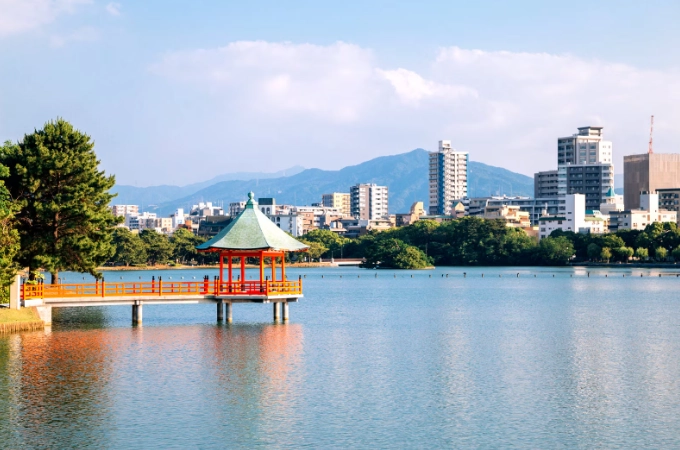
The Can't-Miss, Should-Miss, and Secret Spots
Let's break down the attractions. I'll give you the classic hits and the stuff I actually enjoyed more.
The Historical & Cultural Pillars
Fukuoka Castle (Maizuru Park) Ruins: Don't expect Himeji Castle. The keep is gone, but the stone foundations are impressive, and the park itself is the real star. It's a massive, beautiful green space perfect for a stroll. The view from the ruins over the city is fantastic, especially for free.
Kushida Shrine: The most important Shinto shrine in Fukuoka. It's compact but powerful. This is the home of the Hakata Gion Yamakasa festival, and you can see the magnificent festival floats (kazariyamakasa) displayed year-round in a special hall next door. A must for understanding local culture.
Shofukuji Temple: This one's for history buffs. It's considered the first Zen temple in Japan. It's quiet, austere, and feels ancient. It's a five-minute walk from Hakata Station and a world away in atmosphere.
The Modern Icons
Canal City Hakata: Yes, it's a shopping mall. But it's a shopping mall designed by an American architect to look like a canyon with a canal running through it. There's a daily water show, a ramen stadium (more on that later), and just a lot of people-watching. Go once, in the evening when it's lit up. It's over-the-top and kind of fun for an hour.
Fukuoka Tower: It's the tallest seaside tower in Japan. The view from the observation deck is undeniably great, especially at sunset when you see the city lights come on one by one. Is it a must-do? If you love views, yes. If you're tight on time, you can skip it without FOMO.
My Personal Favorites (The Local Gems)
Ohori Park & the Fukuoka Art Museum: Ohori Park is a Japanese-style garden built around a large pond, modeled after West Lake in Hangzhou. It's where locals jog, walk their dogs, and relax. The Fukuoka Art Museum has a solid collection, including a surprising number of works by Dalí and Miró. A perfect half-day of calm.
Nishi Park: This hillside park offers what I think is the best free panoramic view of the city and Hakata Bay. It's less manicured than Ohori, more natural. A great spot for a picnic lunch away from the crowds.
The Yatai (Food Stalls) of Nakasu and Tenjin: This isn't a place, it's an experience. From around 6:30 PM, these mobile stalls open for business, serving ramen, oden, grilled skewers, and drinks to about 8 customers at a time. It's the heart of Fukuoka's food soul. Be prepared to chat with strangers. Not all yatai are foreigner-friendly, but most are. Look for ones with an English menu or pictures.
Honestly, the best part of Fukuoka travel is just wandering. Get lost in the backstreets of Daimyo. Peek into a standing sake bar. Find a tiny shrine tucked between two buildings. The city rewards curiosity.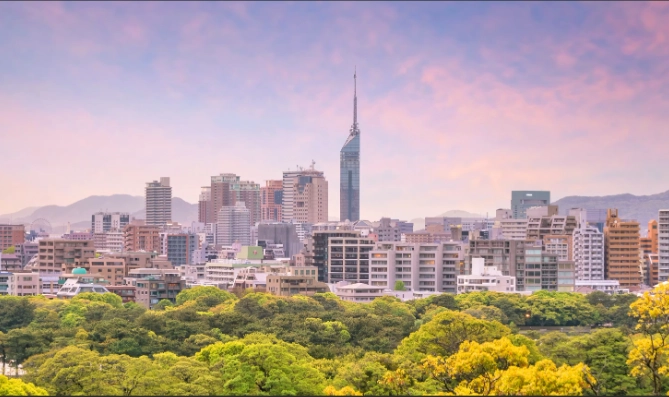
The Real Reason You're Here: The Fukuoka Food Pilgrimage
Let's talk food. This is the main event for any Fukuoka travel plan. The city is a heavyweight contender for Japan's food capital.
The Holy Trinity of Fukuoka Eats
- Hakata Tonkotsu Ramen: The white, creamy, pork-bone broth that has conquered the world. The noodles are thin and firm. The classic toppings are chashu (pork belly), green onions, pickled ginger (beni shoga), and sesame seeds. You can often ask for "kaedama" (an extra noodle ball) for a small fee. Top spots include Ichiran (the famous chain started here), Shin-Shin, and the legendary stalls like Nagahama Ramen.
- Motsunabe: A Fukuoka original. It's a hotpot with beef or pork offal (intestines, stomach) as the main ingredient, cooked with cabbage, garlic chives, and a rich, miso or soy sauce-based broth. It sounds adventurous, but it's incredibly rich and savory. It's a social, winter dish, best shared with friends over beer.
- Mentaiko: Spicy pollock roe. It's a Fukuoka obsession. You'll find it on pasta, mixed into mayonnaise as a dip, stuffed into onigiri (rice balls), or simply grilled and eaten with rice. Try it at a dedicated mentaiko shop like Fukuyoshi.
The Foodie Quick-Fire List
- Yakiramen: Ramen noodles stir-fried on a teppan grill. A carb-loaded delight.
- Hakata-style Udon: Thicker, chewier udon noodles, often served in a hot pot or with a simple soy-based dipping sauce.
- Mizutaki: Another hotpot, but lighter. Chicken and vegetables boiled in a kelp and chicken broth. The soup at the end is the prize.
- Fresh Sushi & Sashimi: Head to the Yanagibashi Rengo Market (Fukuoka's "Kitchen") for incredibly fresh seafood at reasonable prices. It's less touristy than Tokyo's Tsukiji/Toyosu.
Where to eat? Forget just one place. Go to Ramen Stadium on the 5th floor of Canal City. It's a collection of 8 ramen shops from across Japan, with Fukuoka heavily represented. It's a perfect, low-commitment way to try different styles. For yatai, just follow your nose and the crowd in Nakasu after dark.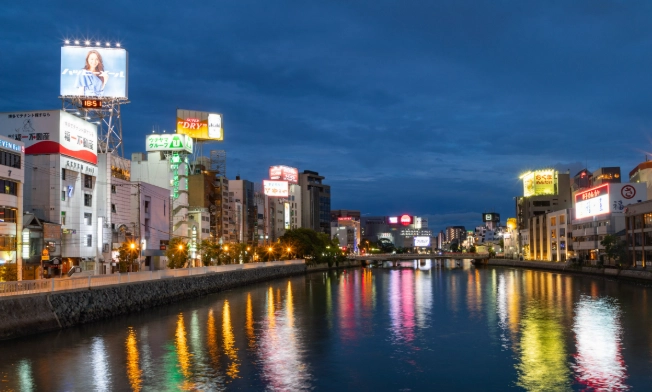
Building Your Perfect Fukuoka Travel Itinerary
How many days do you need? I'd say a minimum of three full days to taste the essence. Five days lets you breathe and maybe take a day trip.
The Essential 3-Day Fukuoka Travel Blitz
Day 1: Hakata Immersion. Arrive, drop bags. Hit Kushida Shrine and Shofukuji Temple. Lunch on ramen at a shop near the station. Explore Canal City in the late afternoon. Dinner at a yatai stall in Nakasu.
Day 2: Tenjin & Culture. Morning at Ohori Park and the Fukuoka Art Museum. Walk to the Fukuoka Castle ruins for the view. Afternoon shopping and exploring in the Daimyo area of Tenjin. Evening bar-hopping in the Tenjin yokocho alleys.
Day 3: Modern Views & Departure Prep. Visit the Hakata Traditional Craft Center. Head to Fukuoka Tower for the afternoon view. Last-minute souvenir shopping at Hakata Hankyu or the station depachika (food hall). One final bowl of ramen before you go.
If You Have 5 Days...
Add a day trip (see below). Use the extra day to go deeper: visit the Fukuoka City Museum, spend a leisurely afternoon in Nishi Park, hunt down the best mentaiko, or take a short train ride to the seaside town of Shikanoshima for a quiet beach walk.
Fantastic Day Trips from Fukuoka
The city is a perfect base. Here are two winners:
Dazaifu: A 30-minute train ride away. It was the ancient administrative capital of Kyushu. The main attraction is the beautiful Dazaifu Tenmangu Shrine, dedicated to the god of learning (packed with students during exam season!). The approach is lined with shops selling the local specialty, umegae mochi (grilled rice cake with red bean paste). A peaceful, cultural counterpoint to the city. Check train times on the Nishitetsu Railway website.
Yanagawa: Known as the "City of Water." Take a relaxing, guided punting boat ride through its ancient canals, lined with willow trees. It's a sleepy, romantic spot famous for its unagi (eel) cuisine. A totally different pace.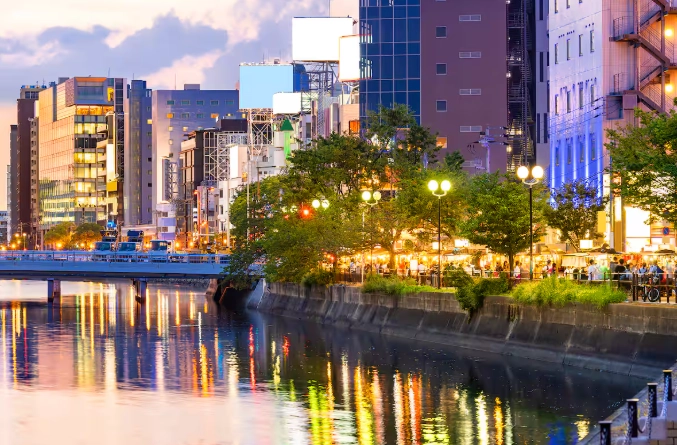
Fukuoka Travel FAQ: Answering Your Real Questions
Final Thoughts: Why Fukuoka Travel Sticks With You
Fukuoka doesn't scream for your attention. It whispers. It's the warmth of the broth in a midnight ramen bowl, the laughter spilling from a tiny yatai, the quiet dignity of a stone staircase in a hillside park. It's a city built for living, not just for visiting.
My last piece of advice? Leave space in your Fukuoka travel itinerary for nothing. Get a coffee from a local kissaten (old-school cafe), sit by the river in Ohori Park, and just watch the city go by. That's when you'll really find it.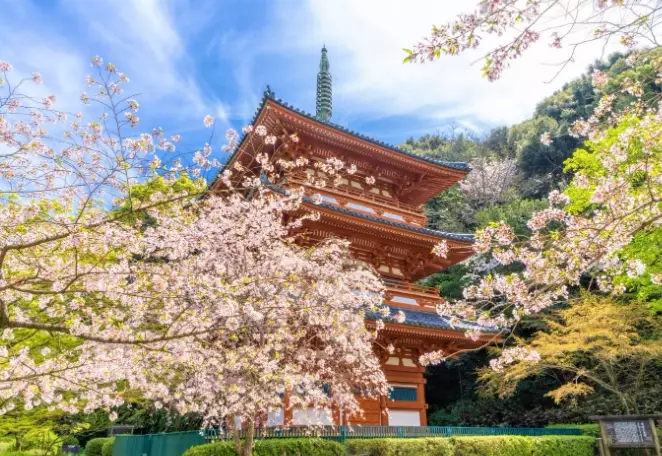
It's the perfect gateway to Japan – manageable, authentic, and deeply satisfying. You'll leave planning your next trip back before you've even boarded the plane home.


Comments