So you want to climb Fuji. It's not just a hike; it's a pilgrimage. Standing at 3,776 meters (12,389 feet), Mount Fuji is a physical challenge, a cultural touchstone, and for many, a once-in-a-lifetime box to tick. But here's the thing most generic guides won't tell you upfront: a successful, enjoyable climb is 90% about what you do before you set foot on the trail. Get the prep wrong, and you're in for a miserable, cold, potentially dangerous slog. Get it right, and it's transformative.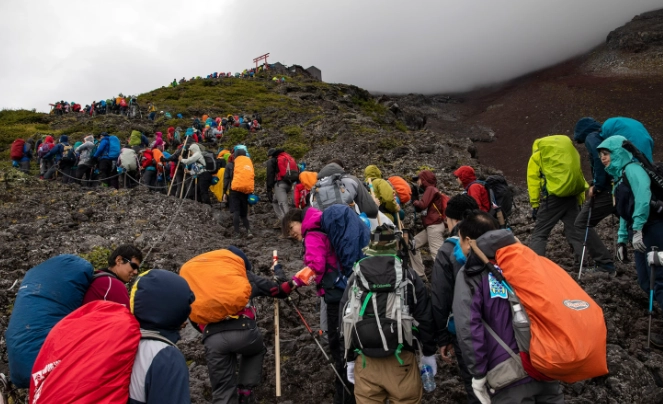
I've summited Fuji three times, using different trails and strategies. I've made the classic mistakes so you don't have to. This guide strips away the fluff and gives you the concrete, actionable details you need to plan a climb that's safe, memorable, and actually fun.
Your Quick Climb Map
How to Choose the Right Mount Fuji Trail
You have four main options, each with a distinct personality. Picking the right one is your first major decision.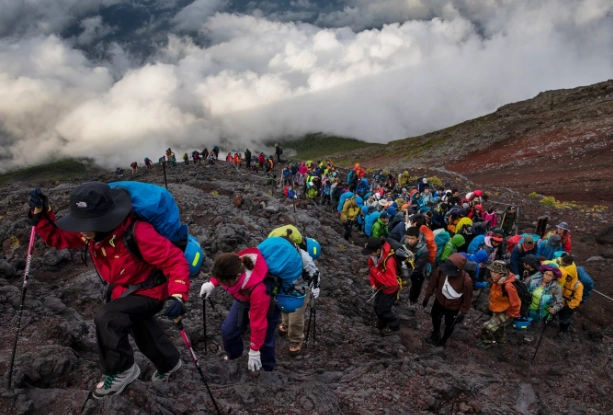
| Trail (Starting Station) | Best For | Ascent Time | The Vibe & Key Details |
|---|---|---|---|
| Yoshida Trail (Fujiyoshida 5th) | First-timers, sunrise seekers. | 5-7 hours | The most popular and developed. Wide paths, the most mountain huts, and separate routes for ascent/descent (which is a huge bonus). Gets extremely crowded. The classic "night climb" route. |
| Subashiri Trail (Subashiri 5th) | A quieter alternative with varied scenery. | 5-7 hours | Starts in forest, merges with Yoshida near the 8th station. Less crowded on the way up. The descent is a steep, loose volcanic sand slope you can almost "surf" down—it's exhausting but fun. |
| Gotemba Trail (Gotemba 5th) | Experienced hikers seeking a challenge. | 7-9 hours | The longest, least crowded, and most physically demanding route. Has the greatest elevation gain. Facilities are sparse. Only attempt this if you're very fit and well-prepared. |
| Fujinomiya Trail (Fujinomiya 5th) | The shortest route from the south. | 4-6 hours | The steepest trail. Gets you to the summit fastest, but that means less time to acclimatize. Popular with climbers coming from Nagoya/Osaka. Can be rocky and rugged. |
My personal take? For a first climb, the Yoshida Trail is the sensible choice because of its infrastructure. But if you hate crowds, seriously consider Subashiri. The merge near the top is a bit chaotic, but the lower sections are far more peaceful.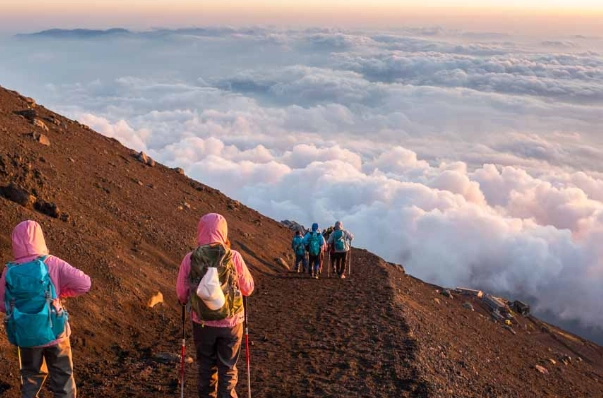
When to Climb: It's More Than Just Dates
The official climbing season is short: early July to early September. Outside this window, the trails are officially closed, huts are shut, and there's likely snow. It's dangerous and not recommended.
Weather is king. The mountain creates its own. Check the Japan Meteorological Agency forecast for Kawaguchiko (for Yoshida/Subashiri) or the specific 5th station area. If the forecast shows rain or high winds, postpone. Climbing in a storm is no joke.
The Gear You Actually Need (And What to Skip)
Forget fashion. This is about function and survival. The summit can be -5°C to 5°C (23-41°F) with brutal windchill, even in August.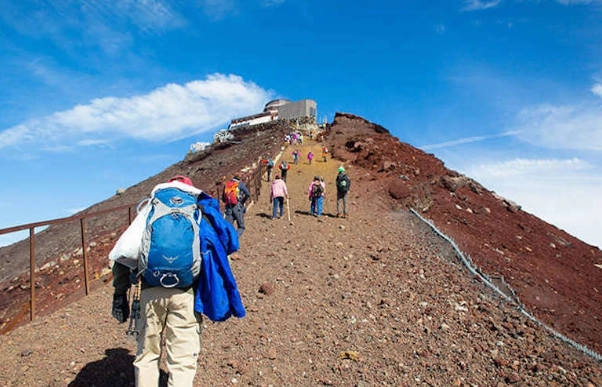
The Non-Negotiable Packing List
- Layered Clothing: Moisture-wicking base layer, insulating mid-layer (fleece), waterproof and windproof outer shell jacket and pants. No cotton jeans—they get wet and stay wet.
- Sturdy Hiking Boots: Broken-in, ankle-supporting boots with good grip. Trail runners aren't enough for the rocky, uneven terrain.
- Headlamp: Essential for night climbs or early starts. Bring extra batteries.
- Gloves & Beanie: Thin liner gloves and thicker insulated ones. A warm hat is crucial.
- Rain Gear: Full set. A cheap plastic poncho will shred in the wind.
- Water & Food: At least 2 liters of water. High-energy snacks (nuts, chocolate, onigiri).
- Cash: For huts, donations, food, and the bus. Assume ¥15,000 minimum.
- Sun Protection: High-altitude sun is fierce. Sunglasses, hat, SPF 50+ sunscreen.
- Portable Toilet Bag: If nature calls between stations, you are required to carry it out. Buy them at the 5th station.
The one "touristy" item worth getting? The wooden hiking stick (kongo-zue). You can get it branded with burn stamps at each station (¥300-500 each). It's a fantastic souvenir and actually helpful on the descent.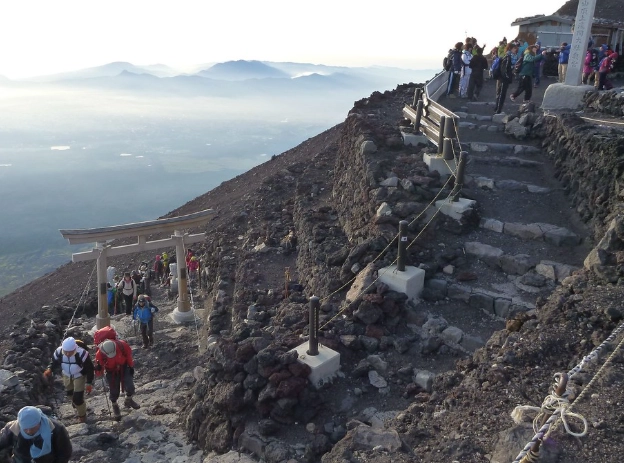
Logistics: Getting There, Staying, and Paying
Let's get into the nitty-gritty numbers and bookings.
Getting to the Trailhead
Most people take a direct highway bus from Tokyo (Shinjuku Station) to the Fuji Subaru Line 5th Station (for Yoshida Trail). The ride takes about 2.5 hours and costs around ¥3,800 round trip. Book these buses online in advance through operators like Japan Bus Online or directly with Keio/ Fujikyu. They sell out.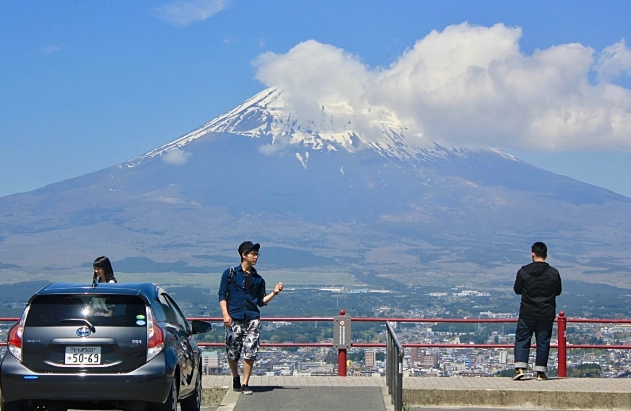
Mountain Huts: To Book or Not to Book?
Book. Always book. A hut serves three critical purposes: shelter from weather, a chance to rest/sleep, and access to a (basic) toilet. A typical "stay" involves a reserved spot on a shared tatami mat, a blanket, and sometimes a simple meal. Costs range from ¥7,000 to ¥12,000 per person. Book months in advance via the hut's website or aggregator sites. Popular ones like Goraikōkan or Taishikan near the 8th station go first.
The Cost Breakdown (Per Person)
- Round-trip bus from Tokyo: ~¥3,800
- Mountain Hut (one night): ~¥9,000
- Food & Water on mountain: ~¥3,000
- Climbing Donation: ¥1,000 (voluntary but expected)
- Hiking Stick & Stamps: ~¥2,500
- Estimated Total: ¥19,000 - ¥25,000
On the Mountain: A Realistic Hour-by-Hour Plan
Forget the brutal all-night climb. Here's a smarter, more enjoyable schedule using the Yoshida Trail:
Day 1: Take a morning bus from Tokyo. Arrive at the 5th Station (2,300m) by noon. Spend a few hours here acclimatizing—walk around, have lunch, visit the shrine. This helps prevent altitude sickness. Start your hike around 2 PM. Hike steadily to your pre-booked 8th station hut (around 3,100m). This takes 3-4 hours. Have the simple dinner provided, try to sleep by 8 PM.
Day 2: The hut staff will wake everyone around 2 AM. Have a quick snack, pack up, and join the line for the final 1.5-2 hour push to the summit. You'll reach the top before 5 AM, in time to secure a good spot for the sunrise. After sunrise, walk the crater rim, get your final stamp, mail a postcard from the highest post office in Japan (it has specific hours!), and begin your descent by 7 AM. The descent via the separate Yoshida path is all switchbacks on loose scree—hard on the knees. It will take 3-4 hours back to the 5th Station. Catch an afternoon bus back to Tokyo, utterly exhausted but triumphant.
Expert Answers to Your Burning Questions
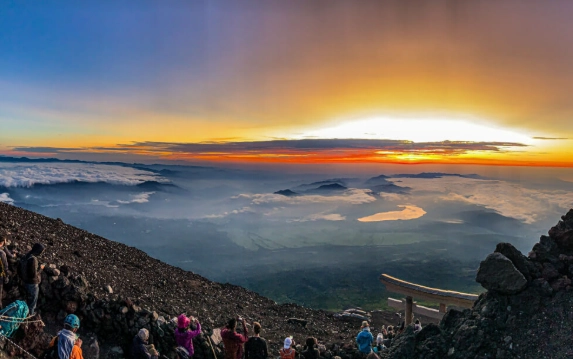
Climbing Fuji is hard. Your legs will ache, the air will be thin, and you might question your life choices around the 7th station. But standing on the crater rim as the sun breaks over the sea of clouds, with the entire land of Kanto spread beneath you—that feeling is why you do it. It's a raw, powerful experience that stays with you. Plan well, respect the mountain, and it will reward you with a memory that lasts a lifetime.
Comments