Quick Guide to Okayama
- Why Okayama Might Be Totally Worth Your Time
- The Other Side of the Coin: When Okayama Might Not Be Worth It
- Okayama's Must-See Hits: What You Simply Can't Miss
- How to Structure Your Okayama Visit: Sample Itineraries
- Food & Drink: What to Eat in Okayama
- Practical Stuff: Getting Around, Costs, and Tips
- Answering Your Burning Questions (FAQs)
- The Final Verdict: So, Is Okayama Worth It?
You're scrolling through travel plans, Japan is on the list, and you've seen the big names—Tokyo, Kyoto, Osaka. Then you stumble upon Okayama. It's not screaming for attention like its famous neighbors. No massive neon signs, no crushing crowds around ancient temples (well, mostly). So the question pops into your head, and you type it into Google: Is it worth visiting Okayama?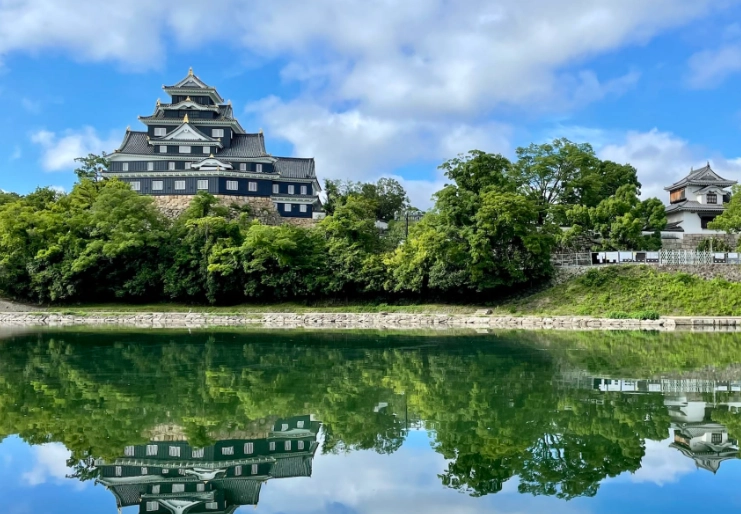
I've been there. I asked myself the same thing before my first trip. Now, after multiple visits, I can give you the straight answer: Yes, but with a big, important "it depends." This isn't a one-size-fits-all destination. For some travelers, Okayama will be a forgettable blip. For others, it'll be the quiet, beautiful heart of their Japan trip. Let me break down exactly why, so you can figure out which category you fall into.
Okayama Prefecture, often called the "Land of Sunshine" for its relatively sunny and mild climate, sits snugly between the giants of Osaka and Hiroshima. Its capital city, Okayama City, is the main hub, but the magic often lies in the surrounding areas like Kurashiki and the Seto Inland Sea islands. It's a place of elegant gardens, historic canals, denim, peaches, and the legendary Momotaro (Peach Boy) folktale.
The Core Question: Is it worth visiting Okayama? Think of it this way. If you want relentless action and world-famous postcard spots, maybe not. If you want to experience a more relaxed, authentic slice of Japanese life with some genuinely world-class sights mixed in, then absolutely yes.
Why Okayama Might Be Totally Worth Your Time
Let's start with the good stuff—the reasons you might fall in love with this place.
You Get World-Class Attractions Without the World-Class Crowds
This is Okayama's superpower. Korakuen Garden is officially one of Japan's "Three Great Gardens." It's up there with Kairakuen in Mito and Kenrokuen in Kanazawa. But have you seen the visitor numbers? On a busy day in Kyoto's Arashiyama, you might feel like you're in a theme park queue. In Korakuen, even when it's busy, you can find a quiet bench by the pond, hear the birds, and actually enjoy the garden. That's priceless. You can actually contemplate the design, the seasonal changes (the plum blossoms and autumn leaves are stunning), and not just fight for a photo spot.
Same goes for Kurashiki's Bikan Historical Quarter. It's a preserved canal area with willow trees, stone bridges, and white-walled storehouses (kura) that now house museums, cafes, and shops. It's often compared to a mini-Venice or a quieter, more intimate version of Kyoto's Gion. The comparison isn't perfect, but the vibe is. You can stroll, take photos without a hundred strangers in them, and soak in the atmosphere. For photographers and peace-seekers, this alone makes Okayama worth visiting.
It's a Fantastic Base for Exploring Western Japan
Okayama Station is a major Shinkansen (bullet train) stop on the Sanyo Line. This is a huge, practical advantage.
- Hiroshima & Miyajima: About 35-40 minutes by Shinkansen. You can easily do a day trip.
- Himeji: Home to the stunning, pristine white Himeji Castle (Japan's most famous castle). Roughly 30 minutes west.
- Naoshima & the Art Islands: This is a major draw. From Okayama, you take a short train to Uno Port (about 45 mins) and then a ferry to Naoshima, Teshima, or Inujima—islands transformed into open-air contemporary art museums. It's a unique cultural experience. The official Setouchi Triennale site has the latest info on art installations and events.
- Takamatsu & Shikoku Island: Direct train over the Great Seto Bridge or a quick ferry.
So if you're asking, "Is it worth visiting Okayama as a hub?" The answer is a resounding yes. You get a comfortable, less hectic city to sleep in while having incredible day-trip options at your doorstep.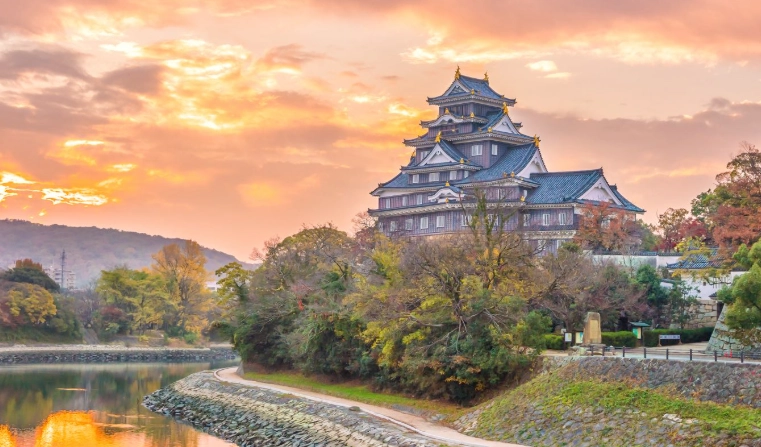
The Vibe is Just... Easier
After the sensory overload of Tokyo or the tourist-thronged streets of Kyoto, Okayama feels like a deep breath. The pace is slower. People seem less rushed. The city center (around Omotecho and the shopping arcades) is lively but manageable. You can find fantastic, non-touristy restaurants where locals eat. I remember sitting in a tiny, family-run okonomiyaki place near the station, being the only foreigner, and having a wonderful, messy, delicious meal without a wait. That's harder to come by in the major tourist centers.
It's also incredibly walkable and bikeable. Renting a bicycle for a day (the city has a great rental system called "Hello Cycling") and riding along the Asahi River, past Korakuen and up to the castle, is a delightful way to spend an afternoon.
The Other Side of the Coin: When Okayama Might Not Be Worth It
I promised honesty, so here it is. Okayama isn't for every itinerary, and that's okay.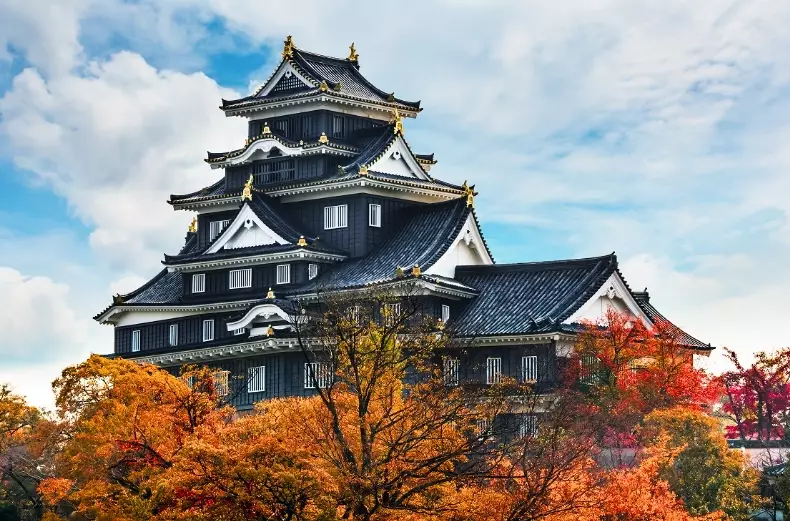
If You're Short on Time and It's Your First Trip to Japan
If you have 7-10 days for your entire Japan trip and it's your first visit, the classic Golden Route (Tokyo-Kyoto-Osaka-Hiroshima) already packs a punch. Adding another stop might feel rushed. In that case, is it worth visiting Okayama over, say, an extra day in Kyoto or a trip to Nara? For a first-timer pressed for time, probably not. The cultural "bang for your buck" density is higher in Kansai. Okayama shines when you have a bit more breathing room—say, 12 days or more, or on a second/third trip when you want to go deeper.
The City Itself Lacks a "Wow" Skyline or Ultra-Modern Attractions
Okayama City's skyline is modest. It's a functional, pleasant regional capital, not a futuristic metropolis. The main attractions—the castle and garden—are historical. If your idea of a great city is dazzling skyscrapers, cutting-edge architecture, and a 24/7 pulsing energy, you might find Okayama City a bit sleepy. The nightlife is quiet compared to Osaka or Tokyo. This isn't a con for everyone (it's a pro for me!), but it's something to be aware of.
Some Sights Can Feel Underwhelming If You're Not a Fan
Okayama Castle, nicknamed "Crow Castle" for its black exterior, is a concrete reconstruction. The inside is a modern museum. If you're a castle purist who only wants to see original wooden keeps (like Himeji or Matsumoto), you might be disappointed. I think it's cool from the outside, and the view from the top floor is nice, but it's not Japan's most authentic castle experience.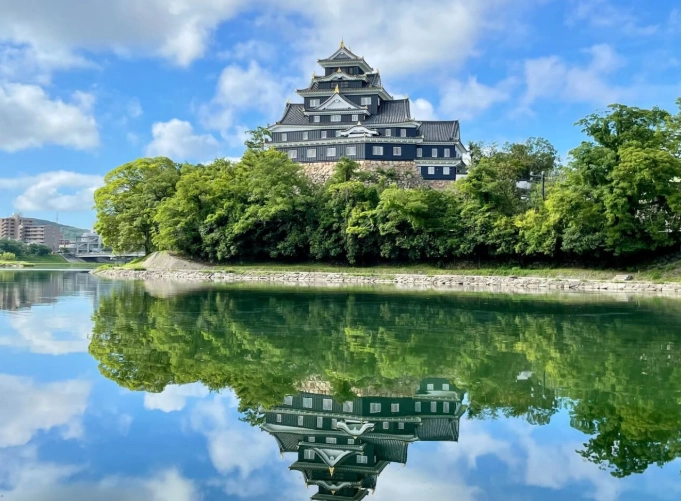
Similarly, if gardens aren't your thing, then Korakuen, while beautiful, might just be "another pretty garden." Its significance is in its design and history, which might not captivate everyone.
My Take: I actually like the castle's black color—it's distinctive. And the museum inside does a good job explaining the region's history and the Momotaro legend. But I always tell people: manage your expectations. It's not a world-beater, but it's a solid, interesting sight, especially when combined with the garden next door.
Okayama's Must-See Hits: What You Simply Can't Miss
Alright, let's get practical. If you've decided Okayama is worth visiting, here's what needs to be on your list.
The Crown Jewel: Korakuen Garden
Plan at least 1.5 to 2 hours here. Don't just walk the loop—stop. Sit by the large pond (Sawa-no-ike), watch the koi and the cranes. Visit the tea house (you can have matcha and a sweet inside). The garden changes dramatically with the seasons, so check what's in bloom. The Okayama Prefecture tourism site has a handy seasonal guide for Korakuen. Spring (cherry blossoms, azaleas) and autumn (maple leaves) are particularly magical, but even the lush green of summer or the stark beauty of winter has its charm.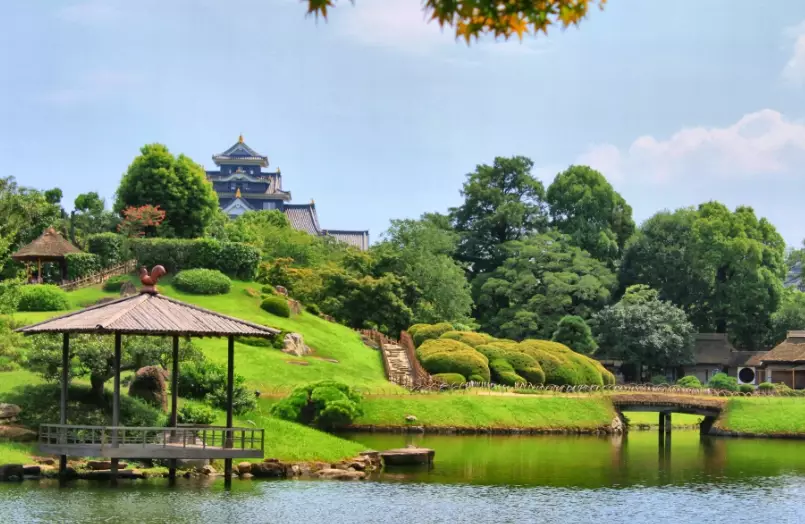
The Time Capsule: Kurashiki Bikan Historical Quarter
This is a half-day trip from Okayama City (just 15 minutes by local train). Wander the main canal, but then get lost in the backstreets (the *Yanagicho* area). Visit the Ohara Museum of Art (Japan's first museum of Western art, with works by El Greco, Monet, and Matisse—a weird and wonderful collection in a classical building). Pop into the Kurashiki Ivy Square, a red-brick former mill covered in ivy. And yes, try the local denim—Kurashiki is the birthplace of Japanese jeans. You can even do a jeans-making workshop.
The Quirky & Cultural
- Momotaro Everything: The Peach Boy is the local hero. You'll see his statue at the station, Momotaro-themed manhole covers, and even Momotaro *omiyage* (souvenirs). It's charmingly kitschy.
- Kibiji District Cycling: Rent an e-bike and cycle the ancient Kibiji Road between Okayama and Soja, passing old temples, shrines, and countryside views. It's a fantastic active day out. The Okayama City official tourism page has route maps.
- Okayama Orient Museum: A surprisingly great collection of Middle Eastern and Mediterranean antiquities, housed in a unique building. A quiet, cool escape on a hot day.
How to Structure Your Okayama Visit: Sample Itineraries
So, how many days do you need? Here's my breakdown based on different trip styles.
| Trip Length | Focus | Recommended Itinerary | Is it worth it? |
|---|---|---|---|
| One Day | Highlights Only | Morning at Korakuen Garden & Okayama Castle. Afternoon trip to Kurashiki Bikan Quarter. Evening back in Okayama for dinner. Fast-paced but doable. | Maybe. You'll get a taste, but it will feel rushed. Best as a stopover between Hiroshima and Osaka. |
| Two Days | City & Culture | Day 1: Okayama City (Castle, Garden, cycling along river, downtown). Day 2: Kurashiki (full day to explore museums, canals, and backstreets). | Yes. This is the sweet spot for getting a proper feel without stress. |
| Three+ Days | Base for Exploration | Day 1: Okayama City. Day 2: Kurashiki. Day 3: Day trip to Naoshima Art Island or Himeji Castle. Day 4: Day trip to Hiroshima/Miyajima. | Absolutely. This is where Okayama's value as a hub skyrockets. You experience the best of the region from a relaxed base. |
My personal favorite? The three-day option. It gives you depth and variety.
Food & Drink: What to Eat in Okayama
You can't decide if a place is worth visiting without considering the food. Okayama delivers.
- Okayama-style Demi Katsu: A pork cutlet served with a thick, demi-glace sauce instead of tonkatsu sauce. Hearty and delicious. Try it at Katsuya near the station.
- Fresh Seafood: Being on the Seto Inland Sea means great fish. Hit the market or a local *izakaya*.
- Fruits: Okayama is a fruit kingdom—famous for peaches (momo), grapes (especially the giant Muscat and Pione varieties), and muskmelons. In season, they are expensive but sublime. You can also find fruit parfaits and soft-serve everywhere.
- Barazushi: A local style of scattered sushi (chirashi) where the seafood and vegetables are mixed into the rice. Colorful and festive.
- Okayama Ramen: A lighter, chicken and soy sauce based broth, often with thin, straight noodles. A nice change from the heavy tonkotsu of Kyushu.
"Don't leave without trying a fresh peach in summer or a grape parfait in autumn. They're not just snacks; they're a culinary event. The flavor intensity is something else."
Practical Stuff: Getting Around, Costs, and Tips
Getting There & Around
By Shinkansen: The easiest way. From Tokyo (about 3.5 hours), Kyoto/Osaka (about 1 hour), Hiroshima (35-40 mins). A Japan Rail Pass covers this line.
Local Transport: Trams and buses in the city are efficient. The tram line from the station goes right to the castle/garden area. For Kurashiki, the JR local train is fastest and covered by the JR Pass.
Bicycles: Seriously, rent one. It's the best way to see the city. The "Hello Cycling" app is easy to use with foreign credit cards.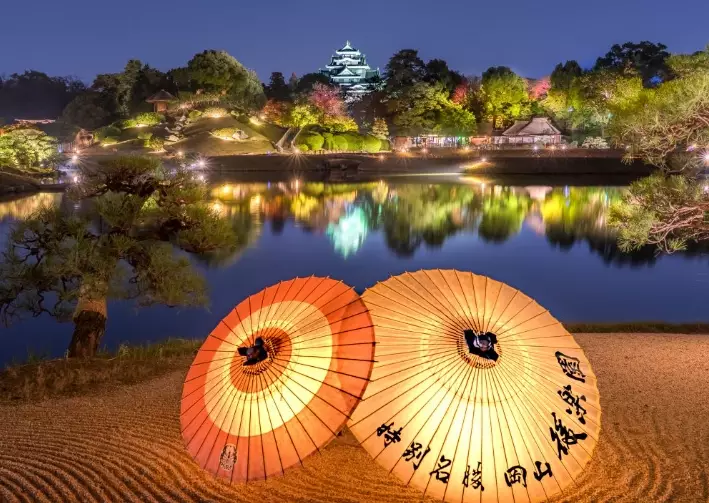
Costs
Okayama is generally cheaper than Tokyo or Kyoto. Mid-range hotel rooms offer more space for less money. Meals at local restaurants are very reasonable. Attraction entry fees are standard (Korakuen is about 410 yen, the castle about 400 yen). It's a budget-friendly destination within Japan.
Answering Your Burning Questions (FAQs)
Let's tackle the specific questions people have when they wonder, "Is it worth visiting Okayama?"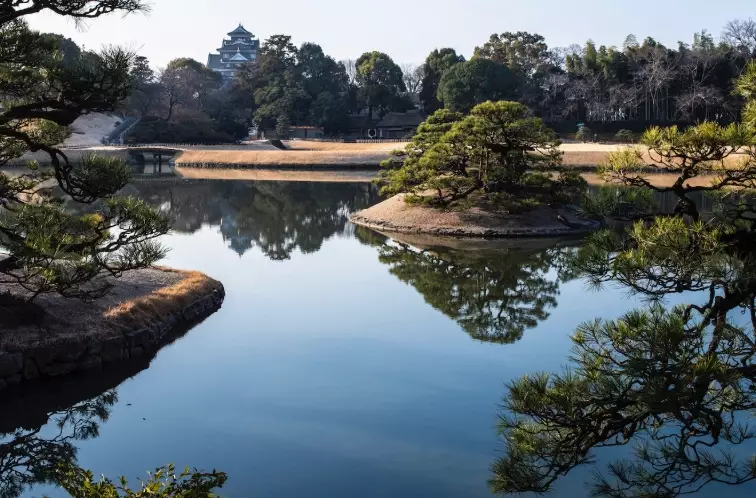
The Final Verdict: So, Is Okayama Worth It?
Let's circle back. Is it worth visiting Okayama? My final, nuanced answer is this:
Okayama is not a mandatory check-box for a first-time, whirlwind Japan tour. But it is a highly rewarding destination for travelers who:
- Are on their second trip to Japan and want to see something new.
- Have more than 10 days and want to balance iconic sights with relaxed exploration.
- Value beautiful gardens and historic quarters but want to enjoy them in relative peace.
- Want a strategic, comfortable base to explore the wider Setouchi region (Hiroshima, Himeji, Naoshima).
- Appreciate a slower pace, great local food, and friendly, unpretentious cities.
It won't have the instant recognition factor of Kyoto's Kinkaku-ji or Tokyo's Shibuya Crossing. But what it offers is depth, ease, and authenticity. You won't be battling crowds to see its best sights. You'll be strolling, cycling, tasting, and discovering a part of Japan that feels both historically significant and genuinely lived-in.
For me, that's always worth it.
Give it a couple of days. You might just find it becomes the quiet, sunny highlight of your Japanese adventure.

Comments