Let's be honest. When most people plan a trip to Japan, Wakkanai city isn't the first place that pops into their heads. You've got Tokyo's neon buzz, Kyoto's ancient temples, and Hokkaido's famous powder snow. But way up north, at the very tip of Hokkaido, sits Wakkanai – a place that feels like the edge of the world in the best possible way. If you're the type of traveler who gets a thrill from standing at geographical extremes, who prefers the raw beauty of wind-swept coasts over crowded tourist spots, then figuring out the best things to do in Wakkanai city should be at the top of your list.
I remember my first glimpse of the Soya Strait from the train window. It was a vast, moody grey, merging with the sky. It felt less like arriving in a city and more like arriving at an outpost. That's the magic of it. This guide isn't just a bland list of attractions. It's a deep dive from someone who's wandered those coastal paths, shivered in that famous wind (they don't call it the "windy city" for nothing), and discovered the quiet charm hidden in its streets. We're going to cover everything – the iconic must-sees, the local secrets most blogs miss, the food you absolutely cannot skip, and the gritty practical details that make or break a trip up here.
So, why search for things to do in Wakkanai city? Because it offers something rare: a sense of genuine adventure without leaving Japan. It's where you can literally say you've been to the northernmost point of the country, eat some of the freshest seafood imaginable, and experience a slow, resilient coastal culture that's completely its own.
Quick Navigation
Top Tier: The Unmissable Things to Do in Wakkanai City
Alright, let's get into the meat of it. These are the experiences that define Wakkanai. You simply can't leave without ticking these off your list. They're the core of any search for things to do in Wakkanai city, and for good reason.
Cape Soya (Soya Misaki): The Northernmost Point
This is it. The big one. Cape Soya is the entire reason many people make the pilgrimage north. It's the northernmost point of Japan's main islands. The moment you see that stone monument with the latitude 45°31'22" N, it clicks. You're standing at the top.
The monument itself is simple but powerful. There's a sense of camaraderie with the other travelers there, all sharing that "we made it" feeling. The views over the Soya Strait towards Sakhalin (Russia, visible on clear days) are breathtaking in a stark, powerful way. The wind, though. Let's talk about the wind. It's almost a living entity at Cape Soya. It can be so strong it's difficult to walk in a straight line. My advice? Layer up, even in summer. That sea breeze cuts right through you.
Beyond the monument, wander over to the Prayer Monument for Peace (a tall, white structure) and the Bell of Prayer. The area has a somber, reflective atmosphere. Don't miss the small shops selling the famous "Northernmost" souvenirs – everything from honey to postcards stamped with the northernmost post office mark. For official information on the cape's significance and facilities, the Wakkanai City Official Tourism Website has reliable details.
Wakkanai Park & The Northern Islands Memorial Museum (Hoppo Shiryokan)
After the bare, wind-blown cape, Wakkanai Park feels like a serene oasis. Perched on a hill overlooking the city and port, it's a beautifully landscaped space that's surprisingly lush. The star here is the Hoppo Shiryokan, or the Northern Islands Memorial Museum. This place is crucial for understanding Wakkanai's soul.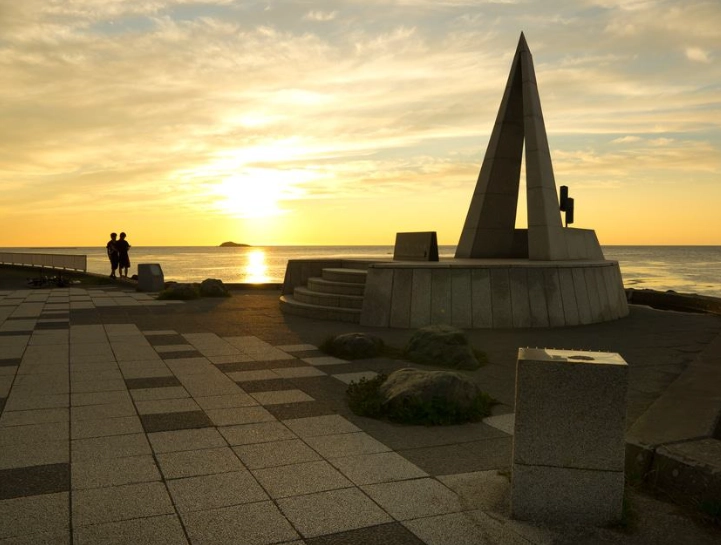
Wakkanai's history is deeply intertwined with the nearby islands of Sakhalin (Karafuto) and the Kuril Islands. Many residents have roots there. The museum tells this poignant story through artifacts, photographs, and personal accounts. It's not a flashy museum, but it's moving and informative. You'll leave understanding why the view towards the north is more than just scenic for the people here.
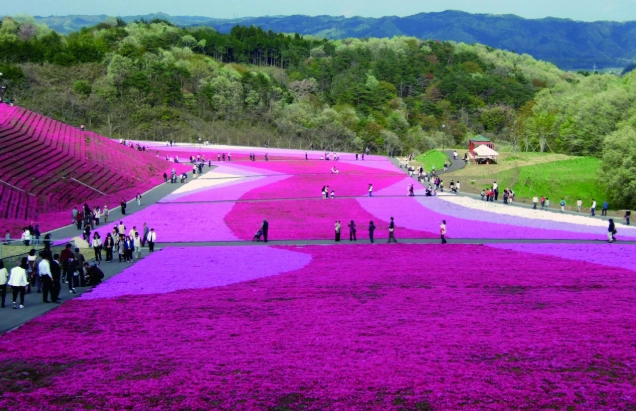
The park itself is lovely for a stroll. There's a small observatory tower for panoramic views, and in early summer, the slopes are covered in blooming hamanasu (rugosa roses). It's a perfect, quieter complement to the Cape Soya experience.
Noshappu Misaki & The Sea Ice
If Cape Soya is for the geographic achievement, Noshappu Misaki is for pure, raw coastal drama. Another cape on the west side of the city, it's famous for its fierce waves crashing against rugged rocks and its incredible sunsets over the Sea of Japan.
The main attraction here is the Noshappu Misaki Observatory, a modern building with sweeping glass walls. Upstairs, there's a free observation deck that's perfect for sunset viewing. Downstairs, there's a souvenir shop and a small aquarium tunnel. But the real magic is outside.
Now, if you're visiting between late January and March, your search for things to do in Wakkanai city takes on a whole new dimension: sea ice (ryuhyo). Drifting ice from the Amur River in Russia reaches the coasts here, transforming the sea into a surreal, cracking, groaning landscape of white slabs. You can see it from the observatory, or take a dedicated icebreaker cruise from the port (like the Garonpa or Sarobetsu cruises). Seeing the ice is never guaranteed—it depends on wind and currents—but when it's there, it's unforgettable.
So you've seen the big sights. But a list of things to do in Wakkanai city that only covers these is missing half the story. Let's talk about what happens in between.
Beyond the Capes: Culture, Food, and Local Life
Wakkanai's charm is in its everyday rhythm. It's a working port city. To really get it, you need to dive into its local culture and, most importantly, its food scene.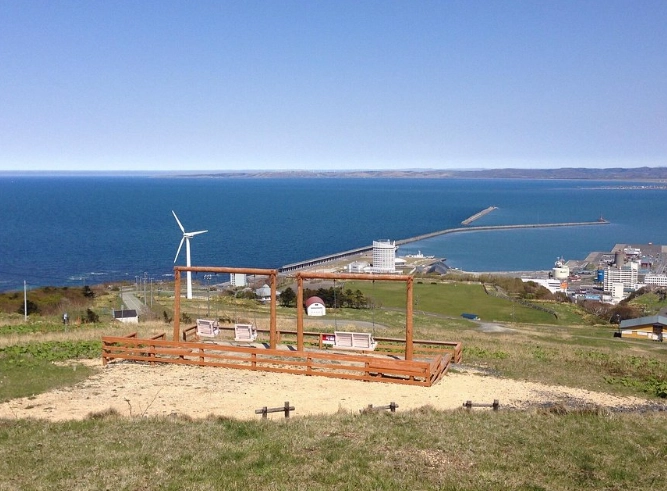
The Wakkanai Fisherman's Wharf (Michi-no-Eki)
This isn't just a tourist spot; it's where locals shop for dinner. The Fisherman's Wharf is a large market complex right on the harbor. The energy here is fantastic. You'll see boxes of just-caught seafood being unloaded, hear the calls of vendors, and smell the salty, briny air.
Head inside the main market building. Stalls are piled high with king crab, hairy crab, sea urchin (uni), scallops, and salmon roe (ikura). The freshness is off the charts. Many stalls offer kai-ten (seafood bowls) where you can pick your toppings. Getting a bowl piled with sweet, creamy uni and briny ikura while looking out at the fishing boats is a quintessential Wakkanai experience. It's also the best place to buy dried seafood or local kelp products as souvenirs.
Wakkanai Brewery
Ever had beer from Japan's northernmost brewery? Now's your chance. Wakkanai Brewery is a small, craft operation that makes excellent beers using local ingredients, like the clear water from the nearby mountains. They have a tasting room where you can sample their lineup—think crisp pilsners, rich porters, and seasonal specials. It's a cozy spot to relax after a day of exploring. I'm particularly fond of their Soya Misaki Pale Ale; it has a nice, crisp finish that goes perfectly with seafood.
Strolling the Old Streets & The Clock Tower
Take some time to just walk. The area around the old Wakkanai Station building (a beautiful, retro brick structure that now houses a tourism center) and the Old Mitsui Building has a faded, Showa-era charm. The Wakkanai Clock Tower is a city symbol, though it's a modest one. It's more about the feeling than a grand spectacle. You'll find little local coffee shops, bakeries, and izakayas tucked away. This is where you feel the rhythm of the city, away from the tourist viewpoints.
Planning Your Adventure: Practicalities for Wakkanai
Alright, let's get practical. Wakkanai's remote location means a bit more planning is involved. This section is all about making your trip smooth, so you can focus on enjoying those things to do in Wakkanai city.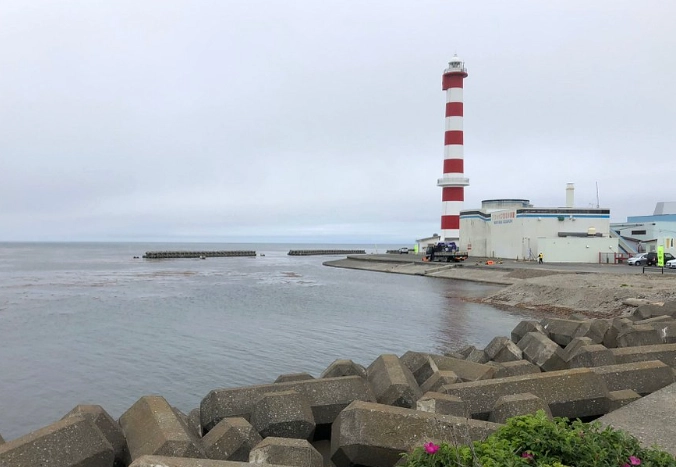
Getting There & Getting Around
By Air: Wakkanai Airport (WKJ) has flights from Sapporo's New Chitose Airport (about an hour). It's the quickest option. From the airport, buses take about 30 minutes to the city center.
By Train: This is the classic journey. The Super Soya / Sarobetsu limited express trains run from Sapporo Station. The ride takes about 5 hours. It's a long but beautiful trip, especially the final coastal stretch. Check schedules on the JR Hokkaido website as services can be limited, especially outside peak season.
By Car: Driving gives you ultimate flexibility to explore the capes and coastline at your own pace. The drive from Sapporo takes 4-5 hours via the Hokkaido Expressway and Route 40.
Within the city, buses connect the major spots (Cape Soya, Noshappu), but they aren't frequent.
My honest take? If you're not driving, be prepared to rely on taxis or plan your schedule tightly around bus timetables. The public transport isn't as convenient as in major Japanese cities. For a day of hopping between Cape Soya, Noshappu, and the park, renting a car or hiring a taxi for a few hours is worth the cost for the freedom it gives you.
Where to Stay in Wakkanai
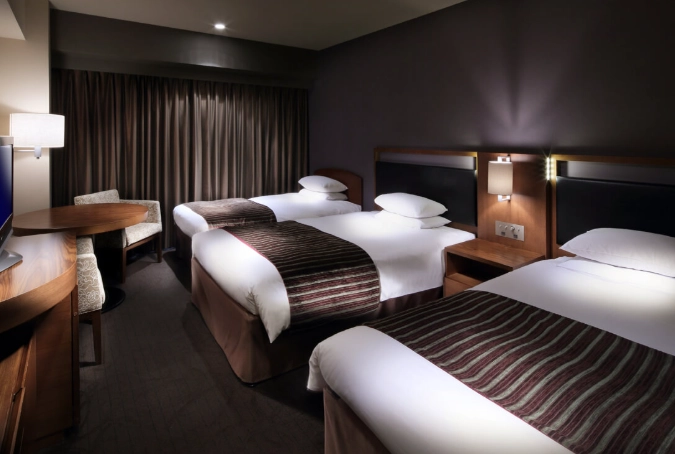
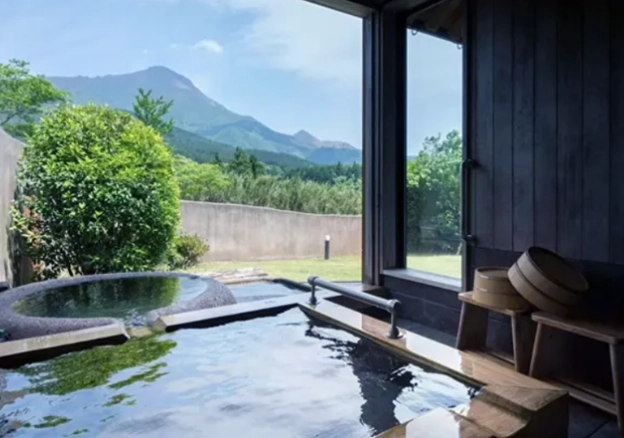
You won't find international luxury chains here. What you will find are solid, clean business hotels, friendly minshuku (guesthouses), and a couple of larger resort-style hotels, often with onsens (hot springs) to soothe you after a windy day.
| Type | Best For | Location Tip | Consideration |
|---|---|---|---|
| Business Hotels (e.g., Route Inn, Toyoko Inn) | Solo travelers, budget-conscious visitors, easy access to station. | Near JR Wakkanai Station. Convenient for train arrivals/departures. | Functional and reliable, but can feel impersonal. |
| Minshuku/Guesthouses | Cultural experience, meeting other travelers, home-cooked meals. | Often in residential areas; quieter. | May have shared bathrooms; more interaction with hosts. |
| Resort Hotels with Onsen (e.g., Hotel Alpha Resort) | Those wanting relaxation, families, sea views. | Often near Noshappu or the coast. Great for sunsets. | Pricier, but the onsen is a major perk after a cold day. |
I stayed at a business hotel near the station and a minshuku. The hotel was efficient, but the minshuku owner gave me a hand-drawn map of his favorite local ramen spots and told stories about the sea ice. The choice depends on what you value more.
Budgeting for Your Trip
Wakkanai isn't excessively expensive, but travel costs to get there are the main factor. Once you're in the city, daily costs are reasonable.
Sample Daily Budget (Per Person)
- Budget Traveler: ¥8,000 - ¥10,000. Staying in a guesthouse dorm, eating market kaisen-don and convenience store meals, using local buses.
- Mid-Range Traveler: ¥15,000 - ¥20,000. Business hotel room, meals at local restaurants and the fish market, occasional taxis.
- Comfort Traveler: ¥25,000+. Resort hotel, rental car, dining at hotel restaurants or nicer local spots.
Remember, activities like sea ice cruises or brewery tours will add to this. And always, always budget for an extra-special seafood splurge at the wharf. It's worth it.
Answering Your Wakkanai Questions (FAQ)
Based on what most travelers wonder, here are some straight answers.
How many days do I need for things to do in Wakkanai city?
Two full days is the sweet spot. Day 1: Cape Soya and Wakkanai Park. Day 2: Noshappu Misaki, the Fisherman's Wharf, and local exploration. Add an extra day if you're doing a sea ice cruise or want a more relaxed pace.
What's the best time to visit?
It depends on what you want.
- For Sea Ice: Late January to early March. Coldest, but most unique.
- For Pleasant Weather: July to September. Warmest (though still cool), great for hiking and coastal walks. The hamanasu roses bloom in June/July.
- For Autumn Colors: Late September to October. Stunning, but weather turns cold quickly.
I went in early September. The weather was perfect for hiking—crisp air and sunny skies—but the sea was already looking moody.
Is it worth visiting in winter if there's no sea ice?
This is a tough one. Winter (Dec-Feb, outside the sea ice window) is extremely harsh. Heavy snow, biting winds, and very short days. Many tourist facilities have reduced hours. The landscape is starkly beautiful, but accessibility and comfort are low. Only go in winter if you're specifically chasing the sea ice or love extreme winter scenery and are prepared for the conditions.
Can I see Russia?
From Cape Soya, on a very clear day, you can see the faint outline of Sakhalin Island, which is Russian territory. It's not a detailed view—more of a hazy shape on the horizon. Don't count on it, but consider it a wonderful bonus if the weather cooperates.
Is English widely spoken?
Less so than in major tourist hubs. At key tourist sites (Cape Soya monument, the observatory), you'll find some basic English signs. In restaurants and shops, be prepared to use simple phrases, point, or use a translation app. People are incredibly kind and will try to help, so don't worry. Learning a few basic Japanese phrases for ordering food and saying thank you goes a long way.
So pack your best windbreaker, your sense of adventure, and an empty stomach. The north awaits.
Comments