Let's cut to the chase. You're thinking about Fukuoka, probably because you heard about the ramen or the friendly vibe. You're right on both counts. But there's a mistake I see first-timers make all the time: they treat Fukuoka as a quick stopover between Tokyo and Osaka. That's a shame. This city has its own rhythm, a blend of modern energy and historic charm that deserves at least three full days to appreciate properly. As someone who's wandered its streets for years, I'll show you not just the postcard spots, but the places and tips that make Fukuoka feel like a discovery, not just a destination.
Your Fukuoka Trip at a Glance
Why Fukuoka Should Be on Your Japan List
Fukuoka is Kyushu's capital, but it doesn't feel like a sprawling metropolis. It's compact. You can often walk from a ancient shrine to a cutting-edge shopping mall in twenty minutes. The people are famously laid-back—service is polite but feels less scripted than in Tokyo. The city sits right on the water, so there's always a sea breeze and plenty of open spaces. And then there's the food. It's not an exaggeration to say Fukuoka is one of Japan's great food cities. The yatai culture is unique, a dying tradition preserved here. It's also a fantastic gateway to other parts of Kyushu, like Beppu's hot springs or Nagasaki's history.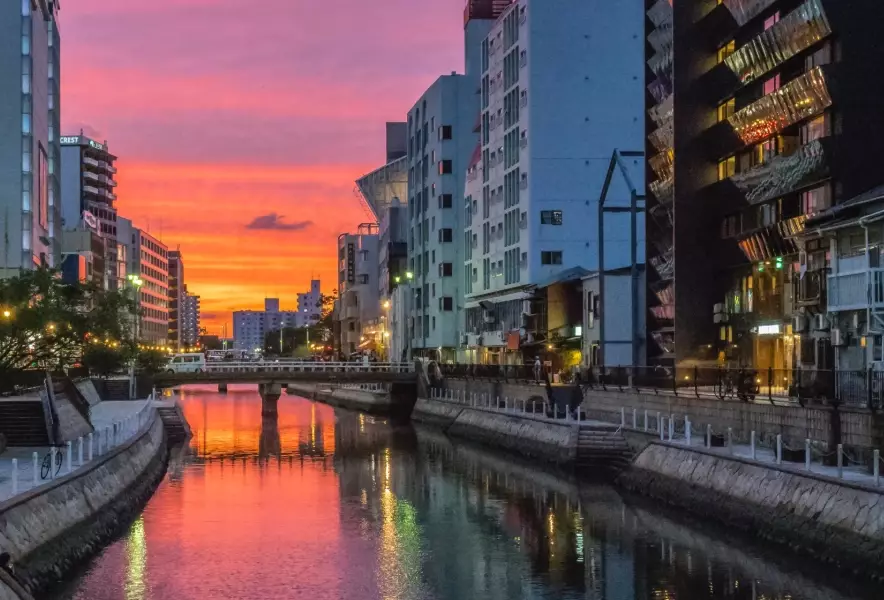
Must-Do Things in Fukuoka (Beyond the Obvious)
Everyone will tell you to go to Canal City and eat ramen. Do that. But here's what else you should weave into your days.
Ohori Park & Fukuoka Castle Ruins
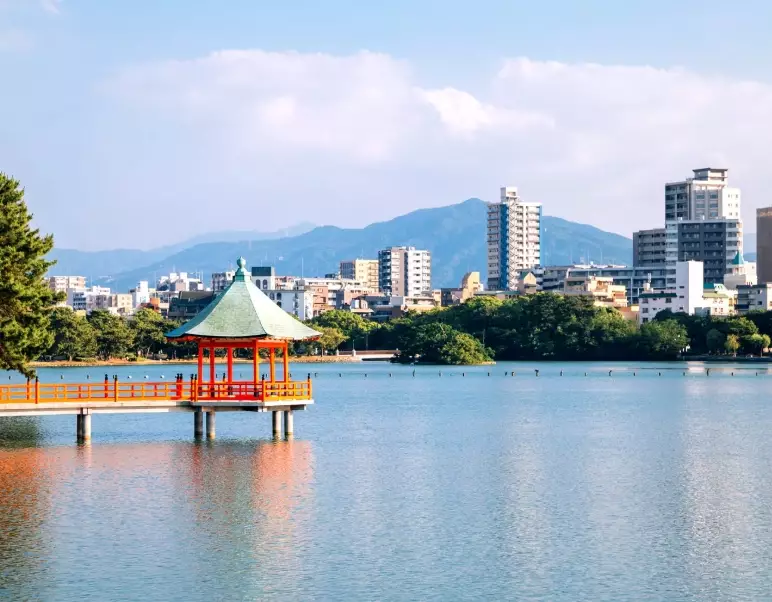
This is my favorite spot for a morning run or a lazy afternoon. Ohori Park is a large, scenic park built around a central pond, modeled after West Lake in Hangzhou, China. It's free, beautiful in every season, and a perfect escape. Right next to it are the Fukuoka Castle ruins (Maizuru Park). Don't expect a fully reconstructed castle like in Osaka. Here, it's mostly stone foundations and walls covered in greenery. I prefer it this way—it feels more authentic and peaceful. You get great city views from the top.
Kushida Shrine & Hakata Old Town
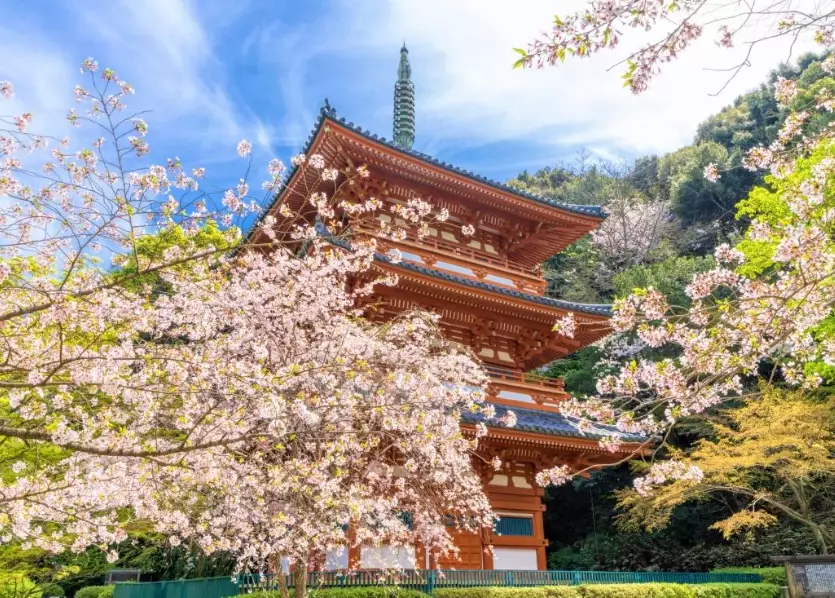
This is the heart of Hakata, Fukuoka's historic district. Kushida Shrine is over a thousand years old and hosts the famous Hakata Gion Yamakasa festival. The shrine itself is interesting, but the real magic is in the surrounding streets. Wander into the Hakata Machiya Folk Museum (300 JPY) to see traditional merchant houses, then get lost in the narrow lanes. You'll find old craft shops, tiny temples, and the best traditional sweets in the city.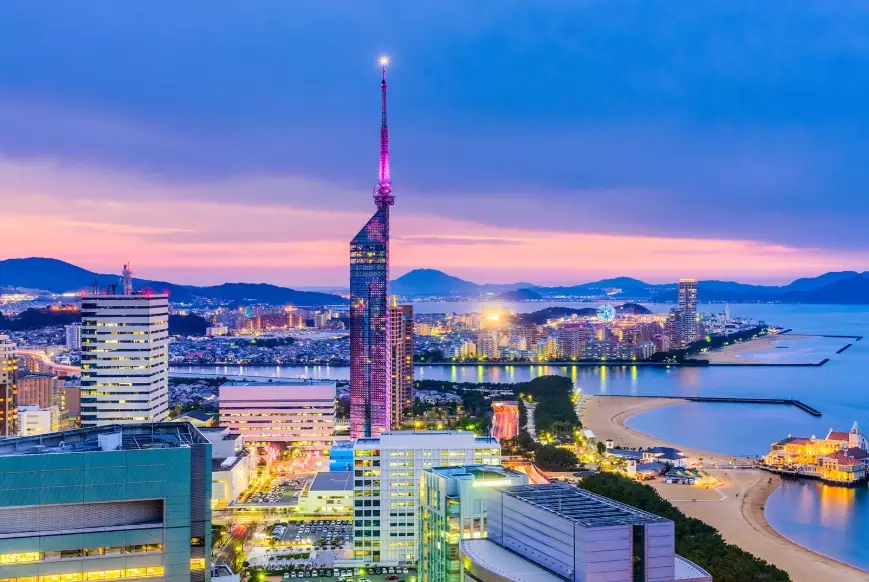
Take a Boat Ride in Yanagawa
This is a half-day trip, about an hour south by train. Yanagawa is a picturesque canal town often called the "Venice of Japan." The main activity is a donkobune boat ride, where a gondolier poles you through quiet waterways lined with willow trees. It's incredibly serene. The boatman often sings local folk songs. It's a world away from the city bustle. Pack a snack, as the boat tours are about 70 minutes long.
Visit the Fukuoka Tower & Seaside Momochi
For the best panoramic views, head to Fukuoka Tower (800 JPY). It's Japan's tallest seaside tower. The area around it, Seaside Momochi, is a modern waterfront development with beaches, parks, and interesting architecture like the Fukuoka City Museum. It's a great place for a bike ride. The beach is man-made and not for serious swimming, but it's nice for a walk.
The Fukuoka Food Guide: Where and What to Eat
This is what you came for. Fukuoka's food scene is casual, bold, and centered around a few iconic dishes.
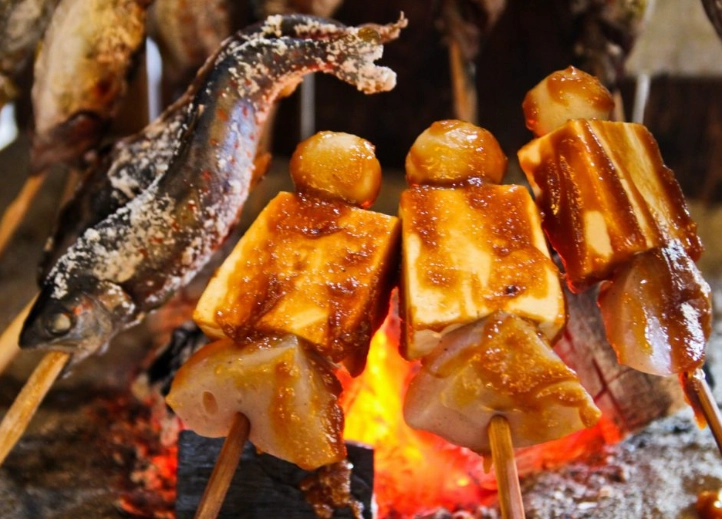
The Yatai Experience: These open-air stalls are the soul of Fukuoka's nights. Clusters can be found in Nakasu (between the rivers), Tenjin, and near Nagahama Station. They seat about 6-8 people and serve ramen, oden, grilled skewers, and beer. Go around 7 PM. Don't be shy—just sit down. A common mistake is to expect a full restaurant menu. Most yatai specialize in one or two things. The one with the longest line for ramen is usually the one to join. Expect to spend 1,500-3,000 JPY for a meal and a drink. They typically operate from 6-7 PM until around 1-2 AM, but hours can vary and they sometimes close on rainy days.
Tonkotsu Ramen: The holy grail. Creamy, pork-bone broth. The two main styles are the Nagahama style (simple, focused on the broth and thin noodles) and the more modern Hakata style. You must try:
- Ichiran (The Head Store): Yes, it's a chain. But the Tenjin head store is an experience with individual booths. 890 JPY for a classic bowl. Open 24/7. Address: 5-3-2 Nakasu, Hakata-ku.
- Hakata Issou: A local favorite near Hakata Station. Rich, milky broth. Often has a queue. Around 900 JPY. Address: 3-1-6 Hakataekihigashi, Hakata-ku.
Motsunabe: A Fukuoka hotpot with beef or pork offal, vegetables, and a miso or soy sauce-based broth. It's hearty and perfect for groups. Try it at Motsunabe Yamaya in Nakasu.
Mentaiko: Spicy seasoned pollock roe. You'll find it on pasta, as a topping for rice, or just to buy as a souvenir. The Mentaiko Park at Canal City is a gimmicky but fun spot to sample different types.
Where to Find It All: For a concentrated food crawl, the Tenjin Underground City and the streets around Tenjin Core building are packed with casual izakayas and restaurants. For fresh seafood for lunch, the Yanagibashi Rengo Market (Fukuoka's "kitchen") is less touristy than Tokyo's Tsukiji but just as authentic.
Where to Stay: Picking the Right Base
Location is everything. Fukuoka is easy to navigate, but staying in the right area saves time.
| Area | Best For | Vibe | Hotel Example (Price Range/Night) |
|---|---|---|---|
| Hakata Station | First-time visitors, convenience, day trips. | Transport hub, many hotels, direct airport access, but can feel impersonal at night. | The Blossom Hakata Premier (15,000-25,000 JPY). Modern, connected to station. |
| Tenjin | Shopping, nightlife, food, central location. | The city's bustling commercial heart. Endless dining/shopping options, great subway access. | The Lively Hakata (12,000-20,000 JPY). Stylish, great bar, walk to everything. |
| Nakasu/Kawabata | Nightlife, yatai experience, budget stays. | Entertainment district, close to riverside yatai. Can be noisy at night. | Hotel Monte Hermana Fukuoka (8,000-15,000 JPY). Good value, solid location. |
| Ohori Park | Peace and quiet, greenery, families. | Residential, scenic, relaxed. You'll need to subway/bus to main areas. | Miyako Hotel Hakata (10,000-18,000 JPY). Overlooks the park, quieter. |
My personal pick? Tenjin. You're in the middle of everything. You can walk to Nakasu for yatai, hop on the subway in any direction, and never run out of places to explore after dark.
How to Plan Your Fukuoka Itinerary: A 3-Day Sample
Here’s a balanced plan that mixes sights, food, and local flavor.
Day 1: Historic Hakata & Modern Tenjin
Morning: Start at Kushida Shrine and explore the Hakata Machiya area. Grab a Hakata torimon (sweet bean pastry) from a local shop.
Afternoon: Walk to Canal City Hakata. See the fountain show, do some shopping, visit the Ramen Stadium for a light lunch bowl.
Evening: Subway to Tenjin. Wander the underground shops, then surface for dinner. Choose a yatai in Nakasu or a ramen shop in Tenjin.
Day 2: Castles, Parks & City Views
Morning: Subway to Ohorikoen Station. Stroll around Ohori Park, then hike up to the Fukuoka Castle ruins.
Afternoon: Walk or take a short bus to Seaside Momochi. Visit the Fukuoka City Museum if interested in history, or head up Fukuoka Tower for views.
Evening: Head back to Tenjin/Hakata. Try motsunabe for dinner. Explore the izakaya alleys around Watanabe-dori.
Day 3: Day Trip or Deep Dive
Option A (Cultural Day Trip): Train to Dazaifu. Visit the famous Dazaifu Tenmangu Shrine (often crowded on weekends) and the stunning Kengo Kuma-designed Starbucks. Back in the city, visit the Fukuoka Art Museum near Ohori Park.
Option B (Local Immersion): Train to Yanagawa for the canal boat ride. Have a unagi (eel) lunch there. Return to Fukuoka and spend your last evening souvenir shopping at JR Hakata City or the Tenjin Underground.
Practical Tips for a Smooth Trip
- Getting Around: The subway is your best friend. It has two simple lines (Airport and Hakozaki) covering most key areas. Buy a Hayakaken IC card. Buses are useful for some sights; the Hayakaken works on Nishitetsu city buses too.

- From the Airport: Fukuoka Airport is incredibly close. The subway connects the domestic terminal to Hakata Station in 5 minutes (260 JPY). From the international terminal, a free shuttle bus takes you to the domestic terminal subway station.
- Money: Credit cards are widely accepted in hotels and department stores, but carry cash for yatai, small restaurants, and temples.
- When to Go: Spring (March-May) and Autumn (October-November) are ideal. Summers (June-August) are hot and humid. The Hakata Gion Yamakasa festival (July 1-15) is spectacular but books out the city.
- Avoid This Mistake: Don't try to see Dazaifu, Yanagawa, and Ohori Park all in one day. It's tempting, but you'll just be on trains. Pick one day trip and pair it with a relaxed city exploration.
Answers to Common Fukuoka Questions
Fukuoka's charm is in its balance. It's modern enough to be convenient, traditional enough to feel distinctly Japanese, and compact enough that you don't spend your whole trip in transit. Ditch the checklist mentality. Pick a few things from this guide, leave time to wander, and don't skip the yatai. You'll leave understanding why it's a favorite among those who discover it.

Comments