Explore the Guide
- First Thing's First: The November Weather in Fukuoka
- The Crown Jewels: Unmissable November Events & Festivals
- A Food Lover's Paradise: What to Eat in November
- Exploring Beyond the Festivals: Core Activities & Day Trips
- Practical Itinerary Ideas & Day Trip Comparisons
- Navigating the City & Useful Tips
- Answering Your Burning Questions (FAQ)
- Wrapping It Up: Why November Wins
So you're thinking about a trip to Fukuoka in November. Good call. Honestly, it might be one of the best-kept secrets in Japanese travel. While everyone flocks to Kyoto for the maple leaves (and trust me, it gets packed), Fukuoka in November offers this perfect, relaxed sweet spot. The summer humidity has vanished, the crowds have thinned, but the city is still buzzing with a cozy, festive energy. You get crisp air, incredible food at its seasonal peak, and some of the most unique festivals you won't find anywhere else. I spent a November there a few years back, expecting just a standard city break, and was completely blown away by the vibe. This guide isn't just a list; it's the deep dive I wish I had before I went, pieced together from getting lost in Hakata's alleys, chatting with izakaya owners, and learning the hard way that November evenings get chillier than you'd think.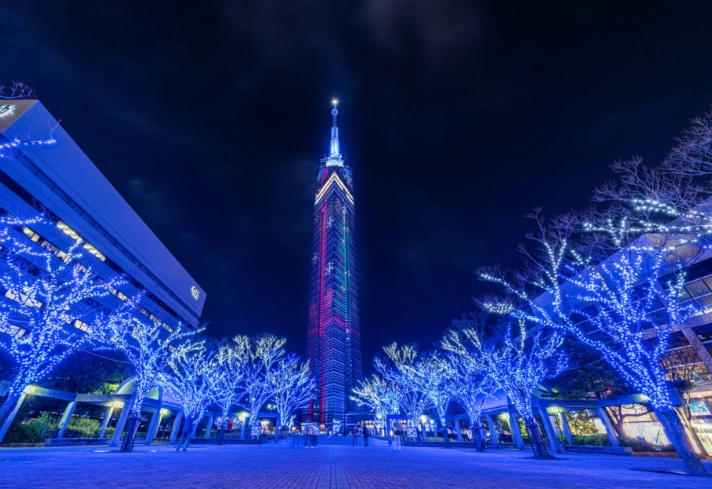
Let's cut to the chase. If you're searching for "what to do in Fukuoka in November," you're probably wondering about three things: the weather (what on earth do I pack?), the special events (is there anything cool happening?), and whether it's a good time for food (always a priority in Fukuoka). The short answer is yes, yes, and a resounding YES. November is prime time.
Core Concept: November in Fukuoka is the "Goldilocks Month." Not too hot, not too cold. Not too crowded, not too quiet. It's the ideal balance for exploring a city that's equal parts modern metropolis and historic port town.
First Thing's First: The November Weather in Fukuoka
You can't plan your "what to do in Fukuoka in November" itinerary without getting a handle on the climate. This is the single biggest factor that shapes your experience.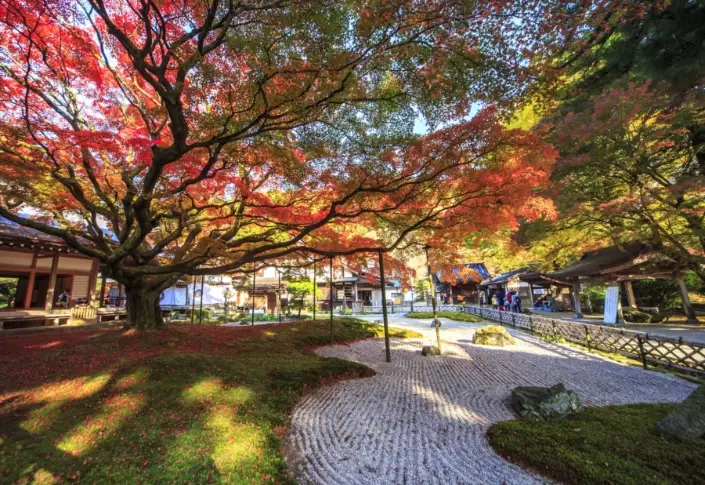
Forget the sticky, oppressive heat of August. November brings a refreshing change. The month typically starts with mild, almost warm afternoons that feel like a gentle extension of autumn. By the end of the month, you're firmly in late autumn, edging towards the crispness of early winter. The average temperature hovers between a high of about 19°C (66°F) and a low of 10°C (50°F). But averages lie. I remember a stunningly warm afternoon at Ohori Park where I was fine in a t-shirt, followed by a night at a yatai (street food stall) where I was seriously regretting not bringing a proper jacket. The温差 (temperature difference) between day and night is real.
Breaking Down the Month: Early vs. Late November
- Early November (1st - 15th): This is the milder half. Daytime temperatures are often pleasant, sometimes reaching a comfortable 20°C (68°F) if you're lucky with the sun. It's perfect for long walks, exploring outdoor sites, and sitting by the water. Rain is possible, but the intense typhoon season is usually over. The famous Fukuoka City official site has great historical data if you're a planner.
- Late November (16th - 30th): Here's where you feel the shift. The air gets sharper, especially after sunset. Highs might only be 15°C (59°F), and lows can dip towards 7°C (45°F). This is when the autumn foliage in the surrounding areas and city parks like Atago Shrine or Nishi Park really starts to pop with color. It's magical, but pack accordingly.
The Rain Situation & What to Wear
November isn't particularly rainy compared to other months, but you might get a few drizzly days. It's more of a light, misty rain than a downpour. An umbrella is a smart thing to have tucked in your bag—a compact, travel-sized one. As for clothing, the mantra is layers. A typical day's outfit for me looked like this: a breathable long-sleeve base layer, a warm mid-layer like a sweater or fleece, and a windproof/water-resistant outer shell. Scarves are fantastic for adding warmth without bulk. Comfortable walking shoes are non-negotiable; you'll be on your feet a lot.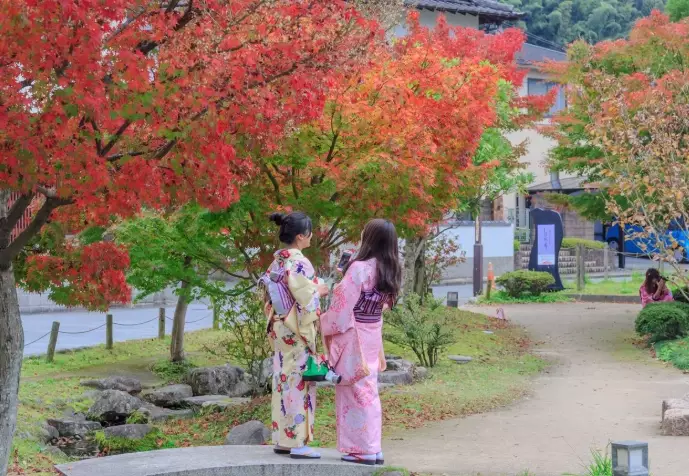
Pro Tip: Don't forget your feet! A pair of warm socks can make the difference between a cozy evening stroll and cutting your exploration short because your toes are frozen. This is a common oversight when planning what to do in Fukuoka in November.
The Crown Jewels: Unmissable November Events & Festivals
This is where Fukuoka truly shines in autumn. The calendar is packed with unique cultural experiences that define the season. Planning your trip around one of these can be the highlight of your visit.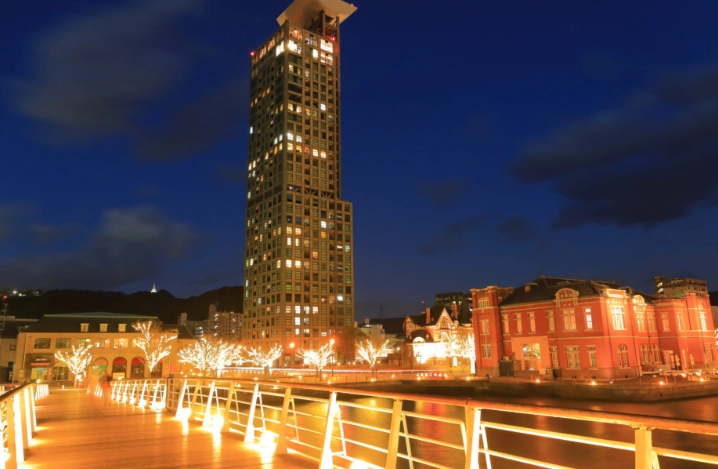
Hakata Gion Yamakasa (Mini Version) & Oiyama
You might know about the famous, frantic July Yamakasa festival with men racing giant floats at 5 AM. Well, November has its own, more solemn and deeply spiritual counterpart. On November 19th, a purification ritual called Oiyama takes place at Kushida Shrine. It's a world away from the summer spectacle. Priests and participants perform ancient rites, and you can see the majestic kazariyamakasa (decorative floats) up close in a serene setting. The atmosphere is thick with tradition. It's a profound look into Hakata's soul that most tourists miss. Checking the Kushida Shrine website for the exact schedule is wise.
A much quieter, more reflective side to the city's most famous tradition.
Fukuoka Autumn Fest & Illuminations
As the month progresses, the city starts to sparkle. The Fukuoka Christmas Market (often starting in mid-to-late November) pops up in Tenjin, feeling like a little slice of Germany with its wooden stalls selling glühwein (mulled wine) and sausages. It's cheesy in the best way possible and incredibly festive.
More impressive, in my opinion, are the illuminations. The Fukuoka Tower area and Momochi Seaside Park often have beautiful light displays. But the star is the Hakata Riverain and the Naka River area. Trees along the riverbanks are draped in thousands of tiny lights, reflecting on the water. It's a perfect, romantic evening activity that answers the question of what to do in Fukuoka in November after dark.
A Food Lover's Paradise: What to Eat in November
If you do nothing else in Fukuoka, you eat. And November is a spectacular month for it. The harvests are in, and the seas are yielding some of their finest catches.
Top Seasonal Delicacies You Must Try:
- Fugu (Pufferfish): The season officially starts in November. Eating this potentially lethal fish prepared by licensed chefs is a quintessential (and safe) Japanese luxury experience. The delicate sashimi, the hot pot (fugu-chiri), it's all incredible. Expensive, but a memorable splurge.
- Kaki (Oysters): Fukuoka Prefecture, particularly the area around Itoshima, produces some of Japan's best oysters. November marks the beginning of the peak season. They're plump, creamy, and sweet. You can have them raw, grilled (kaki-yaki), or in a hot pot. A visit to an oyster hut in Itoshima makes for a fantastic half-day trip.
- Shinmai (New Rice) & Sake: The new rice harvest has just arrived. This means everything from simple rice bowls to mochi tastes exceptionally good. It also means the first press of new sake (shiboritate) is available. It's fresher, fruitier, and less refined than aged sake—a vibrant taste of the season.
- Mentaiko: Fukuoka's iconic spicy cod roe is a year-round staple, but it just feels right in the cooler weather, paired with a hot bowl of rice or as a filling for onigiri.
Where to Eat: From Yatai to Fine Dining
The famous yatai (open-air food stalls) along the Naka River in Tenjin and Nagahama are still operating in November, and they're arguably more enjoyable. There's no sweating profusely while you eat your ramen. Instead, you're huddled under the stall's curtain, steam rising from your bowl of tonkotsu ramen or hotpot, chatting with the master and fellow diners. It's an intimate, uniquely Fukuoka experience. For oyster lovers, a trip to the coastal town of Shingu or Itoshima is a pilgrimage. Simple, seaside shacks serve them by the dozen.
A warm bowl of ramen from a yatai on a cool November night? Unbeatable.
Exploring Beyond the Festivals: Core Activities & Day Trips
Beyond the seasonal events, Fukuoka's standard attractions are at their best in November. The comfortable weather makes exploration a joy.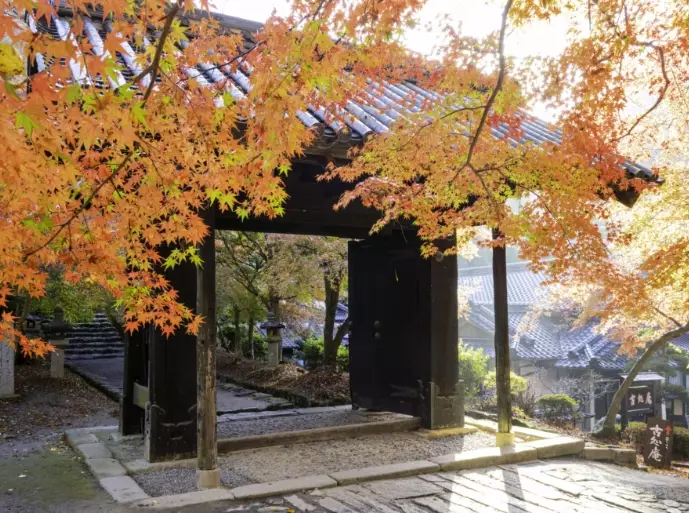
Urban Exploration & History
Fukuoka Castle (Maizuru Park): The ruins are picturesque year-round, but in November, the park's many maple and ginkgo trees turn fiery red and brilliant yellow. It's a stunning spot for a stroll and photos, with the modern city skyline peeking through the autumn leaves and ancient stone walls.
Ohori Park & Fukuoka Art Museum: Ohori Park, modeled after West Lake in Hangzhou, is perfect for a leisurely walk around the pond. The Japanese garden within the park is particularly beautiful in autumn. Right next door, the Fukuoka Art Museum houses an impressive collection, including a significant number of works by Salvador Dalí. It's a great indoor option if the weather turns.
Dazaifu Tenmangu: This is a classic day trip, about 30-40 minutes by train from Tenjin. The approach to the shrine is lined with shops selling umegae mochi (grilled rice cakes), a must-try. The shrine itself, dedicated to the god of learning, is serene. The surrounding Kyushu National Museum is also excellent, offering context on the region's history as a gateway to Asia. The autumn colors here can be spectacular.
Coastal & Scenic Escapes
Nokonoshima Island Park: A short ferry ride from Meinohama port, this island park is a flower lover's dream. While the famous cosmos fields peak in October, well into November you can still enjoy vast blooms alongside stunning autumn foliage across the hillsides. The views back towards Fukuoka city are breathtaking.
Itoshima Peninsula: Rent a car or tackle it via local buses (which requires patience). Itoshima offers rugged coastlines, the iconic Torii gate in the sea at Futamigaura, cute cafes, and those famous oyster shacks. The sunset from Sakurai Futamigaura is legendary. The November light makes everything look softer, more dramatic.
Yanagawa: Known as the "Venice of Kyushu," this town about an hour south is famous for its canal networks. A quiet, peaceful donkobune (flat-bottomed boat) ride through the waterways, pushed along by a singing boatman, is a wonderfully tranquil experience. They often offer warm blankets in November. It pairs perfectly with a meal of the local specialty, unagi no seiro-mushi (steamed eel).
Practical Itinerary Ideas & Day Trip Comparisons
Wondering how to piece all this together? Here are a couple of ways to structure your days when figuring out what to do in Fukuoka in November.
| Day Trip Destination | Travel Time (from Tenjin) | November Highlights | Best For... |
|---|---|---|---|
| Dazaifu | ~40 mins (train/bus) | Autumn foliage at the shrine, historic atmosphere, umegae mochi, Kyushu National Museum. | Culture & history buffs, shrine visitors, families. |
| Itoshima | ~60-90 mins (train/bus/car) | Fresh oysters, scenic coastal drives, Sakurai Futamigaura sunset, relaxed cafes. | Foodies (oyster lovers!), photographers, couples, scenic drives. |
| Yanagawa | ~60 mins (train) | Serene canal cruise, autumn colors along waterways, famous steamed eel cuisine. | A peaceful, romantic outing, a unique cultural experience. |
| Nokonoshima Island | ~30 min ferry + bus | Flower fields (late season), hiking, panoramic city views, combined floral & autumn foliage. | Nature lovers, hiking, panoramic photography. |
A Sample 3-Day November Core Itinerary:
- Day 1 (Urban & Food): Morning at Ohori Park & Japanese Garden. Lunch in the area. Afternoon explore Tenjin or Canal City. Evening at a yatai for ramen, followed by a stroll along the Naka River illuminations.
- Day 2 (History & Culture): Day trip to Dazaifu Tenmangu (morning). Return to Fukuoka. Late afternoon visit to Kushida Shrine and the Hakata Old Town area. Dinner specializing in seasonal fugu or kaki.
- Day 3 (Coastal & Festival): If timing aligns with Oiyama (Nov 19), attend the morning rituals. Alternatively, take a half-day trip to Itoshima for oysters and coastline. Return to Fukuoka for last-minute shopping at Tenjin Underground or Hakata Station. Departure.
Navigating the City & Useful Tips
Fukuoka is an easy city to get around. The subway (Kuko, Hakozaki, and Nanakuma Lines) covers the major urban centers of Hakata, Tenjin, and Nakasu efficiently. For day trips, Nishitetsu trains and buses are your friends. Consider a Fukuoka Tourist City Pass if you plan to use subways and buses a lot within a day. For wider exploration, the SUNQ Pass for Northern Kyushu can be excellent value if you're venturing to Yanagawa, Itoshima, or even further to Kumamoto or Beppu. Always check the latest pass details on official sites like Nishitetsu or Welcome Kyushu.
Money-Saving Tip: Many department store basements (depachika) like in Tenjin's IMS Building or Hakata Station's AMU Plaza have incredible food halls. They're perfect for putting together a high-quality, affordable picnic lunch to enjoy in Ohori or Maizuru Park on a nice November day.
Answering Your Burning Questions (FAQ)
Is November a good time to visit Fukuoka?
Unequivocally, yes. It's arguably one of the best times. You avoid the extreme seasons (summer heat/humidity, winter chill—though it can get cold late in the month), the rainy season, and the peak tourist crowds of Golden Week or cherry blossom season. The weather is ideal for active exploration, and the seasonal offerings are top-tier.
Are the autumn leaves good in Fukuoka in November?
Yes, but the timing is delicate. The peak for koyo (autumn colors) in Fukuoka city and its immediate surrounds is typically from mid-November to early December. Dazaifu, Maizuru Park, and Atago Shrine are reliable spots within the city. For guaranteed stunning foliage, a day trip to the inland mountains (like around Hita in Oita Prefecture) in late November is spectacular, but that's a longer excursion.
What should I pack for Fukuoka in November?
We covered this, but to reiterate: think layers. Pack thermal/base layers, sweaters/fleeces, a warm and preferably waterproof jacket, a scarf, gloves (for late November), and comfortable, broken-in walking shoes. An umbrella or compact raincoat is a smart addition. Don't pack just for sunny afternoons—prepare for chilly evenings.
Is it crowded in November?
Compared to peak seasons, it's noticeably less crowded. You'll have an easier time getting reservations at popular restaurants, hotels might be slightly cheaper, and attractions feel more spacious. However, weekends, especially during a festival like the Christmas Market opening weekend, can still be busy with locals and domestic tourists.
The sweet spot between crowd chaos and complete quiet.
Can I still enjoy outdoor activities?
Absolutely. In fact, November is one of the best months for them. Hiking on nearby mountains like Aburayama, cycling around Itoshima, or just walking for hours exploring different neighborhoods is perfectly comfortable. The key is to start your day early to maximize daylight and warmth.
Wrapping It Up: Why November Wins
So, after all that, what's the final verdict on what to do in Fukuoka in November? It's simple: you get to experience Fukuoka at its most balanced and flavorful. The city sheds its summer intensity for a more reflective, cozy mood. The climate practically begs you to be outside exploring by day and seeking out warm, delicious food by night. You're treated to unique cultural glimpses like the Oiyama ritual, festive illuminations, and a food scene shifting into its richest seasonal gear.
It's not the flashiest month on the calendar, and it won't have the Instagram frenzy of cherry blossoms. But for the traveler who wants to experience the real rhythm of the city, enjoy world-class cuisine at its peak, and wander without battling sweltering heat or massive crowds, November is pure gold. My own trip left me with memories of steam rising from a yatai ramen bowl into the cool night air, the solemn chant of priests at Kushida Shrine, and the incredible sweetness of a freshly shucked Itoshima oyster. That's the Fukuoka November experience—subtle, deep, and deeply satisfying. Just remember that jacket.




Comments