Quick Guide
- Meet the Stars: Tashirojima and Aoshima
- Getting There: The Journey is Half the Battle (Seriously)
- What To Actually Expect When You Land
- Beyond the Big Two: Other Feline Haunts
- Your Pre-Trip Checklist: Don't Leave Home Without This
- Answering Your Burning Questions (The FAQ Nobody Gives You)
- The Future of Japan's Cat Islands
So you've seen the pictures. Dozens of cats lounging on stone walls, weaving between fishing nets, staring at you from the steps of a weathered shrine. The idea of a cat island Japan is the kind of internet fantasy that feels too good to be true. A place where cats outnumber people, where the primary industry is feline adoration. Let me tell you, it's real. But it's also more complicated, more interesting, and frankly, requires more planning than those cute Instagram reels let on.
I've been to a couple of these islands. The first time, I imagined a pristine paradise where happy, plump cats would line up for cuddles. Reality, as it often does, delivered something different—grittier, more authentic, and ultimately more memorable. If you're serious about making the pilgrimage to a Japanese cat island, you need to know what you're getting into. This isn't just a list of locations; it's a deep dive into the why, the how, and the “oh, I didn't think of that” of visiting these unique communities.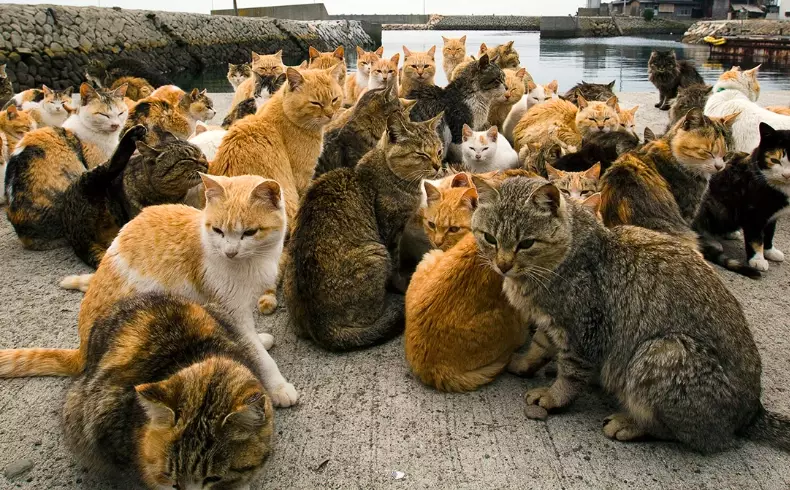
Quick Reality Check: A “cat island” (猫島, nekojima) isn't an official designation. It's a nickname given to several small, often depopulated Japanese islands where free-roaming cats have become a dominant feature of daily life. Their history is usually tied to fishing communities, where cats were kept to control rodents on boats and in warehouses. As younger people moved to cities, the human population shrank, while the cat population... did what cat populations do.
Meet the Stars: Tashirojima and Aoshima
When people talk about cat islands in Japan, two names dominate the conversation: Tashirojima in Miyagi Prefecture and Aoshima in Ehime Prefecture. They're the celebrities, but they have very different personalities. Choosing between them is your first big decision.
Tashirojima feels like it has embraced its identity. They call it “Cat Island” with a straight face. The human residents, mostly elderly, seem to have a peaceful coexistence with their feline overlords. There's even a small cat shrine (Neko-jinja) built by fishermen after a stone accidentally killed a cat—they felt so bad they enshrined it. The vibe is quiet, a bit mystical, and surprisingly organized for tourists. You can even stay overnight in cat-shaped cabins, which is as whimsical as it sounds.
Aoshima is the wilder, more intense cousin. The cat-to-human ratio here is staggering—at last count, over a hundred cats to about a dozen elderly residents. When the ferry arrives twice a day, a swarm of cats emerges from the foliage, knowing that tourists often mean food. It's a powerful, slightly chaotic scene. There are no shops, no vending machines, no cafes. You are a visitor in the cats' domain, pure and simple. The infrastructure is minimal, which is part of its raw appeal.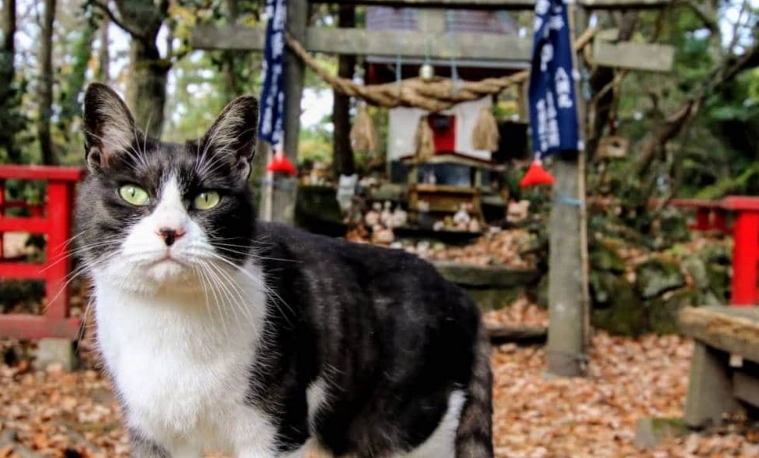
Here’s a breakdown to help you decide which Japanese cat island might suit you better. I wish I had this table before my first trip.
| Feature | Tashirojima (Miyagi) | Aoshima (Ehime) |
|---|---|---|
| Cat Population Vibe | Chill, accustomed to people, spread out. | Numerous, food-motivated, can be intense at the port. |
| Human Population | ~80 people. A functioning, tiny community. | ~10-15 people. Extremely sparse. |
| Tourist Infrastructure | Basic. A couple of minshuku (guesthouses), a shop, public toilets. Cat-shaped “Manga Island” cottages for stays. | None. No shops, no accommodation, only a public toilet. You bring everything. |
| Ferry Access & Frequency | More frequent (several trips daily from Ishinomaki). Easier day trip. | Very limited (1-2 ferries daily from Nagahama). Requires careful timing, often an overnight stay on the mainland. |
| Overall Atmosphere | Peaceful, scenic, integrated. You can explore trails and enjoy the seaside views with cats dotted around. | Surreal, raw, concentrated. The experience is heavily focused on the cat interaction at the small port and village center. |
| Best For | First-time visitors, those wanting a more relaxed, scenic visit with the option to stay overnight. | The adventurous, photographers, those seeking the most extreme “cat island” experience. |
Getting There: The Journey is Half the Battle (Seriously)
This is where dreams of a cat island Japan trip often meet the logistics wall. These are remote islands. You won't just hop on a bullet train and arrive. Reaching them is a commitment, a multi-stage journey that involves local trains, buses, and finally, a small ferry. Missing that last ferry means you're stuck on the mainland for the night.
To Tashirojima
Your gateway is Ishinomaki City in Miyagi Prefecture, north of Sendai. From Tokyo, that's a Shinkansen to Sendai (about 1.5 hours), then a local train to Ishinomaki (another hour). Then you need to get to the Ajishima Line ferry terminal. The ferry ride itself is about 40 minutes to 1 hour. The ferry schedule changes seasonally, so checking the official Ishinomaki City website (use Google Translate) is non-negotiable. Don't rely on third-party blogs from 2019.
To Aoshima
This is the tougher one. You head to Nagahama Port in Ozu City, Ehime Prefecture, on Shikoku Island. Getting to Shikoku itself is a trek. From major cities, you might fly to Matsuyama or take trains across the Seto Bridge. From Nagahama, the ferry to Aoshima is only about 30 minutes, but it might only run twice a day. I missed the morning ferry once because my local train was delayed. I spent six hours in a sleepy port town with a conbini as my only companion. Plan for an overnight in Ozu or nearby to be safe.
Critical Logistics Tip: Always, always build in a buffer day for travel to and from the port towns. Weather can cancel ferries. Trains get delayed. Treat the journey to a cat island in Japan as a mini-expedition, not a theme park visit.
What To Actually Expect When You Land
The fantasy is endless cat cuddles. The reality is a lesson in animal behavior and respectful travel.
These are not petting zoo animals. They are community cats, many of them feral or semi-feral. Some are incredibly friendly, having learned that humans equal food. Others are skittish. A few might be downright grumpy. You have to read their body language. A slow blink is good. Ears flat back, tail twitching? Give that cat space.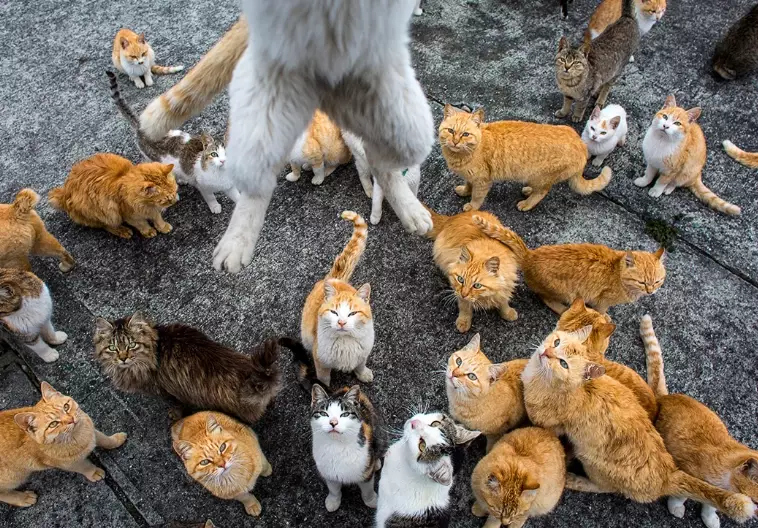
My Personal Rule Now: If I bring anything, it's a small amount of high-quality, single-protein wet food (like chicken or fish) in a sealed pouch. I look for a cat sitting away from the crowds, one that might be older or less competitive, and offer it a small spoonful quietly. It's a treat, not a meal. Never dump a pile of dry food in a public area.
You'll also see cats with clipped ears. This is a good sign! It means they've been trapped, neutered, and returned (TNR) by volunteer groups. It's a vital practice for managing the population humanely. Supporting these TNR efforts, often through donations to organizations like the Japan Animal Welfare Society, is one of the most positive things a visitor can do.
And the islands themselves? They're beautiful in a stark, weathered way. Crumbling stone paths, abandoned houses being reclaimed by nature, stunning ocean views. The cats are the main attraction, but the atmosphere of these fading fishing villages is profoundly moving. It’s a glimpse into a Japan that's slowly disappearing.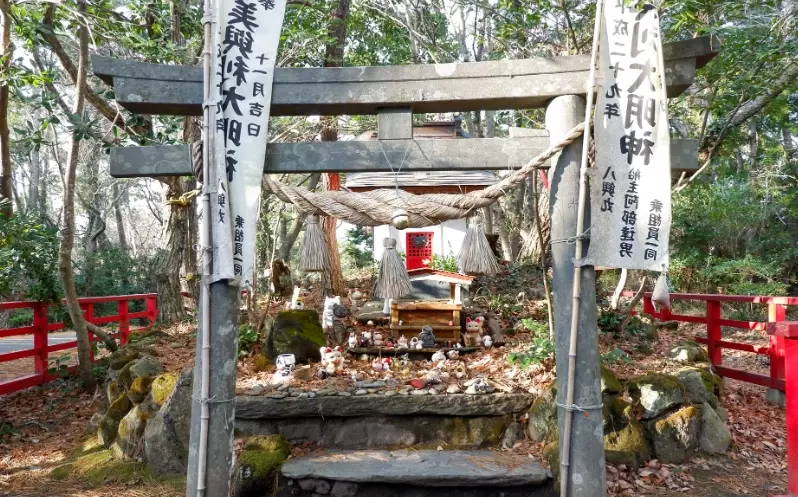
Beyond the Big Two: Other Feline Haunts
While Tashirojima and Aoshima are the most famous, the cat island Japan phenomenon isn't limited to them. If you're a true enthusiast, these are worth a look, though they're often even more difficult to access or have fewer cats.
- Enoshima (Kanagawa): Not a remote island, but a popular tourist spot near Tokyo with a significant stray cat population around the southern cliffs. More of a “cat-friendly island” than a true nekojima.
- Sanagi Island (Fukuoka): A tiny island now inhabited only by caretakers and cats. Access is highly restricted and usually requires special permission or a tour. It's the definition of off-the-beaten-path.
- Muzukijima (Kagawa): Known for its art projects and… cats. The feline population isn't as dense, but they're part of the island's laid-back, artistic charm.
Your Pre-Trip Checklist: Don't Leave Home Without This
Packing for a day on a Japanese cat island is different. Based on my regrets and successes, here’s what should be in your bag.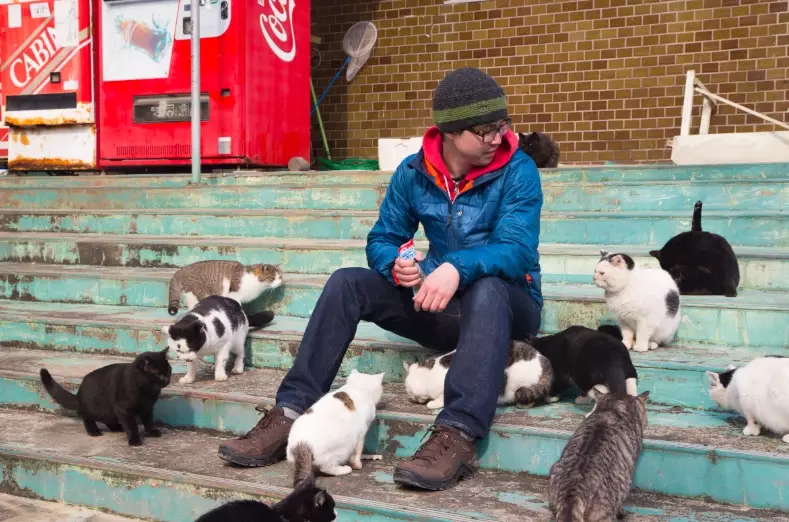
The Absolute Essentials:
- Cash: Ferry tickets, any small island donations, and mainland transport often require cash. Cards are useless out there.
- Portable Charger: You'll take a million photos. There are no outlets on the dock.
- All Your Food & Water: For Aoshima, this means lunch and snacks. For Tashirojima, it's still a good idea. Bring a trash bag too—you're taking your rubbish back with you.
- Sturdy, Comfortable Shoes: You'll be walking on uneven paths, stone steps, and possibly dirt trails. No sandals.
- Weather Gear: A compact rain jacket, sun hat, and sunscreen. You are completely exposed to the elements.
For the Cats (The Responsible Way):
- A small amount of high-quality wet cat food (as mentioned).
- Disposable spoon or tray.
- A small collapsible water bowl you can fill from your bottle.
- Do NOT bring: Milk (cats are lactose intolerant), chocolate, onions, or large bags of dry food that cause mob scenes.
For You:
- Hand sanitizer and wet wipes. You'll be touching surfaces cats walk on.
- A basic first-aid kit (band-aids, antiseptic). Medical help is far away.
- A printed copy of the ferry schedule. Phone service can be spotty.
Answering Your Burning Questions (The FAQ Nobody Gives You)
Let's tackle the stuff you're actually wondering but can't find a straight answer to online.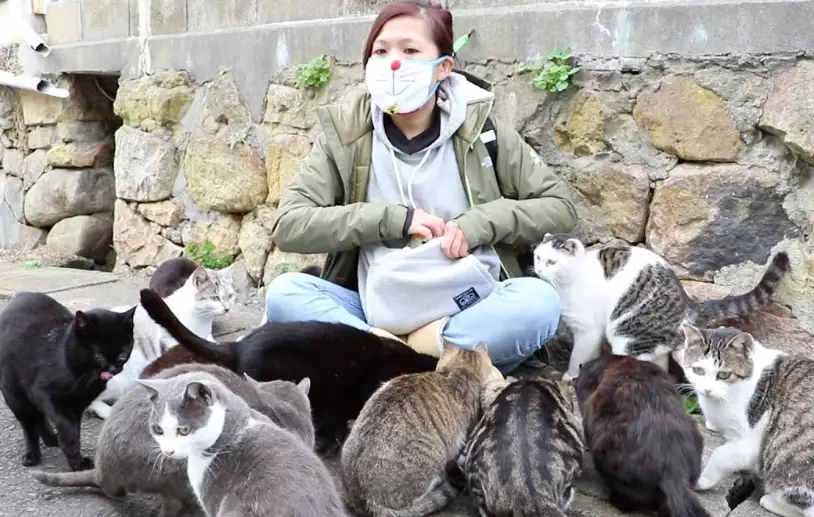
Is it ethical to visit these cat islands?
This is the big one. It's a double-edged sword. Tourism brings awareness and can encourage donations for TNR and vet care. But it also brings stress, potential for disease transmission, and littering. The ethical way is to be a low-impact, respectful, and informed visitor. Don't chase cats for selfies. Don't feed en masse. Support the official care groups. Think of yourself as a quiet observer, not an entertainer.
Are the cats healthy?
It's a mixed bag. Many look robust. You'll also see cats with eye infections, scars from fights, or missing teeth. Lifespans are harder on an island. This is why the work of NGOs is critical. The Miyagi Prefecture website sometimes has information on local animal welfare initiatives you can look up before donating.
Can I adopt a cat from a cat island?
Extremely unlikely and generally not encouraged. These cats are not socialized for indoor life, and their ecosystem, however challenging, is their home. Adoption efforts usually focus on the rare, highly socialized kittens or injured cats that need rehabilitation. It's not a souvenir shop.
What's the best time of year to go?
Spring (April-May) and Autumn (October-November). Summer is brutally hot and humid with more insects. Winter can be bitterly cold and windy, with a higher chance of ferry cancellations. In spring, you might see kittens, but keep your distance—mothers are very protective.
Is it worth it for someone who isn't a die-hard cat person?
Honestly? Maybe not just for the cats. But if you're interested in offbeat travel, Japanese rural life, photography, or quiet, contemplative places, then absolutely. The cat island Japan experience is about the whole package—the journey, the landscape, the culture, and the cats as a fascinating part of it.
The Future of Japan's Cat Islands
It's a precarious balance. The human populations are aging and declining. Who will manage the cat populations, ferry schedules, and tourist inquiries in 20 years? The popularity from the internet is a blessing and a curse. It brings resources but also the risk of overtourism damaging a fragile balance.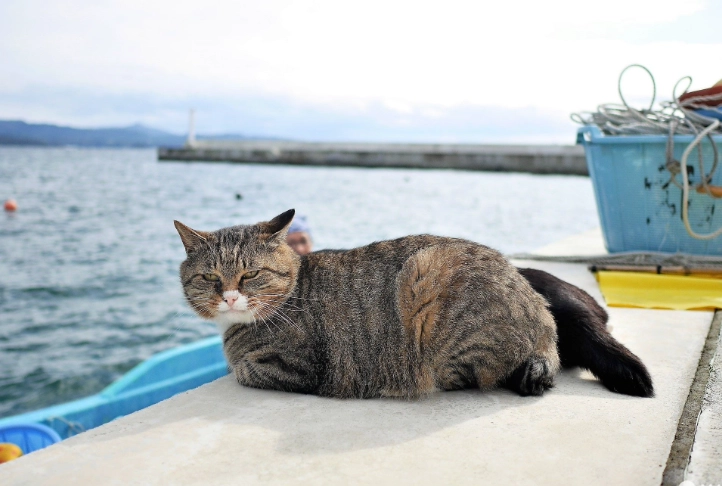
Some islands are implementing stricter rules. Others might fade away quietly. The ones that will survive as destinations will likely be those, like Tashirojima, that develop a sustainable model—controlled tourism that directly funds cat care and community support.
So, should you go?
If you go with the right expectations—prepared for a journey, respectful of the animals and residents, and open to an experience that's more poignant than purely playful—then yes. A visit to a cat island in Japan is unforgettable. It will challenge your preconceptions, fill your camera roll, and give you stories that go far beyond “I petted a lot of cats.” It's a window into a unique and vanishing slice of Japan, where the line between community and nature is beautifully, strangely, blurred by our feline friends.
Just remember to check the ferry schedule. Twice.


Comments