Your Tochigi Journey at a Glance
- The Must-See Heart: Nikko's World Heritage Area
- Utsunomiya: The Gyoza Capital (And More)
- The Floral Wonder: Ashikaga Flower Park
- Other Gems Worth Your Time in Tochigi
- Getting Around Tochigi: The Practical Stuff
- When to Go: Season by Season in Tochigi
- Putting It All Together: Sample Itineraries
- Final Thoughts Before You Go
You know Tokyo, you've heard of Kyoto, maybe you've even been to Osaka. But Tochigi? For a lot of people planning a trip to Japan, it's a name that pops up, often linked to that famous place, Nikko, and then... confusion sets in. Is it just Nikko? What else is there? Is it worth dedicating time to, or just a day trip? I had the same questions before I went. Honestly, I thought I'd just zip in, see the famous Toshogu Shrine, and leave. I was so wrong.
Tochigi Prefecture, nestled right north of Tokyo, ended up being one of the most pleasantly surprising regions I've explored in Japan. It's this incredible blend of the profound and the playful. On one hand, you have the serene, UNESCO World Heritage spiritual heart of Nikko. On the other, you have a city (Utsunomiya) that's fiercely proud of its dumplings. You have ancient history carved into mountainsides and, a short drive away, one of the most breathtaking flower displays on the planet. That's the magic of Tochigi in Japan—it refuses to be put in a single box.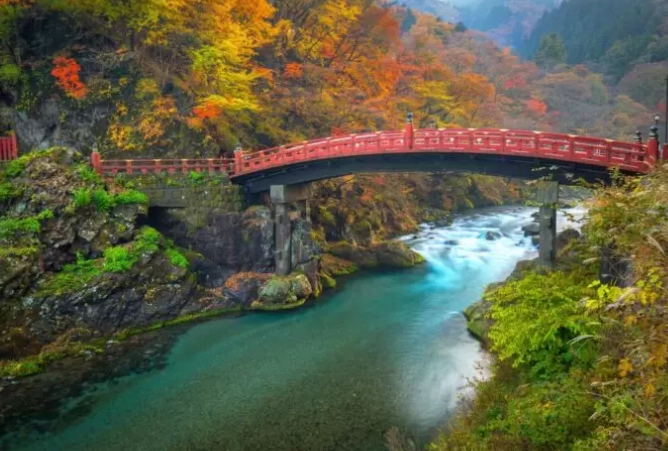
This guide isn't just a list of places. It's the guide I wish I had before I went. We'll dig into what makes each spot special, the logistics that actually matter (because figuring out bus schedules in a foreign language is no joke), and I'll even share a few things that, in my opinion, didn't quite live up to the hype. My goal is simple: to give you all the info you need to decide if Tochigi is for you, and if it is (spoiler: it probably is), to help you build an amazing trip.
Quick Tochigi 101: It's a landlocked prefecture. The capital is Utsunomiya. Its most famous export is arguably Nikko's cultural heritage, but it's also a major agricultural producer (those delicious strawberries!). Think mountains, rivers, hot springs (onsen), and a slower pace of life once you get out of the main stations.
The Must-See Heart: Nikko's World Heritage Area
Let's start with the big one. When people search for Tochigi in Japan, nine times out of ten, they're looking for Nikko. And for good reason. The shrines and temples of Nikko are a masterpiece of Japanese craftsmanship and a powerful spiritual site. But here's the thing—the area is more complex than just "see the golden shrine." You need a game plan.
Toshogu Shrine: Opulence Defined
This is the poster child. It's the lavish resting place of Tokugawa Ieyasu, the founder of the Tokugawa shogunate. Forget the minimalist Zen aesthetics you might associate with Japanese shrines. Toshogu is a riot of color, gold leaf, and intricate carving. The famous "See no evil, hear no evil, speak no evil" monkeys are here, part of a larger series of carvings on the Sacred Stable.
The Yomeimon Gate is staggering. They call it the "sunset gate" because you could look at it all day until sunset and still not see all its details. My advice? Go early. I mean, really early. The first bus from Tobu Nikko or JR Nikko Station gets you there before the big tour groups. Those first thirty minutes of quiet in that courtyard make all the difference. By 10:30 AM, it's a different, much more crowded, experience.
Personal take: While stunning, Toshogu can feel a bit overwhelming and theatrical compared to other shrines. The crowds amplify that. I found myself more moved by the quieter, older sites nearby. But you absolutely cannot skip it. It's an essential piece of the puzzle.
The Often-Overlooked Gems: Taiyuin & Rinnoji Temple
Most people do Toshogu and start heading back. Big mistake. Right there in the same complex are two other incredible sites included in the World Heritage designation.
Rinnoji Temple's Sanbutsudo Hall houses three giant, gold-lacquered Buddha statues. The scale inside is humbling. It feels ancient and powerful in a more solemn way than Toshogu.
Then, a short walk up the hill, is Taiyuin, the mausoleum of Iemitsu, Ieyasu's grandson. Architecturally, it's just as impressive as Toshogu, but the atmosphere is completely different. It's more restrained, the colors slightly more muted, and it's tucked into a forested hillside. I found it more peaceful and spiritually resonant. The crowds here are usually a fraction of Toshogu's.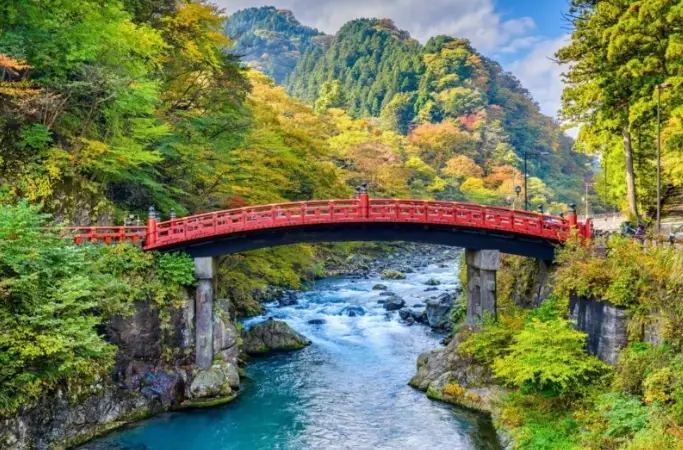
Pro Tip: Buy the combined World Heritage pass. It covers entry to Toshogu, Rinnoji's Sanbutsudo, and Taiyuin. It's significantly cheaper than buying individual tickets and pushes you to see the full site.
Beyond the Shrines: Kegon Falls & Lake Chuzenji
Okay, you've had your culture fill. Now, nature calls. Take the winding Irohazaka road (a famous series of switchbacks) up the mountain to Lake Chuzenji. This area feels like a different world—cooler, misty, and serene.
Kegon Falls is one of Japan's three great waterfalls, and it's a stunner. You can view it from above for free, but paying for the elevator down to the observation platform at the base is 100% worth it. The roar and the spray are incredible.
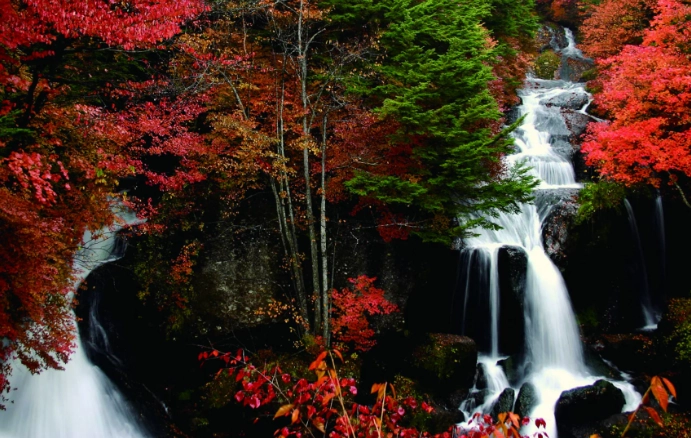
Lake Chuzenji itself is perfect for a leisurely stroll or a short cruise. In autumn, the surrounding mountains are on fire with color. It's the perfect counterbalance to the ornate man-made beauty down the hill.
Utsunomiya: The Gyoza Capital (And More)
If Nikko is the spiritual head, Utsunomiya is the hungry stomach of Tochigi in Japan. This city has a friendly rivalry with Hamamatsu over who is the true "Gyoza Capital" of Japan. Walking around, you'll see gyoza statues, gyoza manhole covers, and, most importantly, a staggering number of gyoza specialty restaurants.
But is it just a gimmick? Not at all. The quality is generally high across the board. The local style often features a crisp, thin wrapper and a garlic-forward pork and vegetable filling. You typically order them by the plate (one plate is usually 5-6 pieces). The fun is in doing a mini "gyoza crawl," trying a plate at a few different places.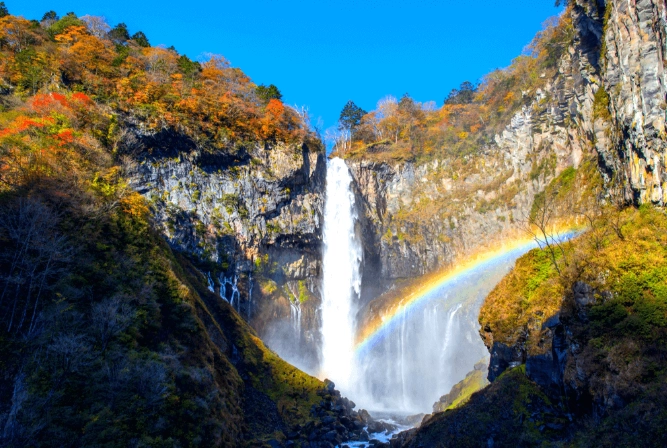
My personal gyoza crawl experience: The first place was good, solid. The second was fantastic—juicy, perfectly crispy on one side. The third... was a bit greasy and I regretted not stopping at two. Pace yourself!
Beyond dumplings, Utsunomiya has its charms. The Utsunomiya Castle Ruins (Oya Fudoson) are interesting, not for a grand castle (it's mostly ruins), but for the nearby Oya History Museum, which is carved into a vast, underground quarry. It's eerie and beautiful, like a subterranean cathedral. Completely unexpected.
The Floral Wonder: Ashikaga Flower Park
This place deserves its own headline. If you're visiting between mid-April and mid-May, or planning a trip around late winter, you need to know about Ashikaga Flower Park. It's about a 90-minute train ride from Tokyo, solidly in Tochigi Prefecture.
Its claim to fame is the Great Wisteria. Imagine tunnels of cascading purple, white, and yellow wisteria flowers, some with vines over 150 years old, creating a canopy so thick it feels like walking under a fragrant, blooming sky. The park's iconic image is a massive wisteria trellis that looks like a purple waterfall. It's one of those places that photos can't fully capture. You just have to be there, smelling the sweet scent.
In winter, they host a magnificent illumination event, with millions of LED lights creating themes like a "Flower Fantasy" or a "Crystal River." It's a totally different, but equally magical, experience.
Other Gems Worth Your Time in Tochigi
If you have more than a couple of days, Tochigi keeps on giving. Here are a few spots that fly under the radar but are deeply rewarding.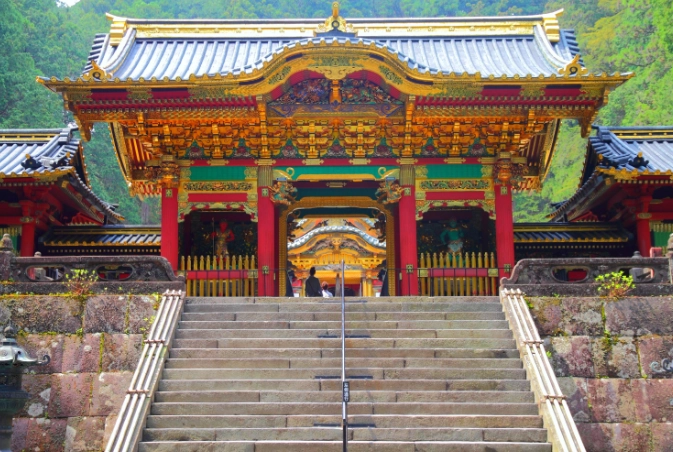
Oya History Museum (Oya Shiryokan)
I mentioned this briefly, but it needs emphasis. This isn't your typical museum. It's housed in a former underground quarry where they mined Oya stone, a soft volcanic rock used all over Japan (including in parts of the Imperial Hotel in Tokyo). The cavern is massive, cool, and humbling. They've used light and sound installations to highlight its natural features. It feels otherworldly. A must if you like unique, slightly offbeat attractions.
Nikko Edo Wonderland (Nikko Edomura)
This is a full-blown, interactive historical theme park recreating a Edo-period (17th-19th century) town. Actors in period costume roam the streets, you can watch ninja shows, try your hand at archery or throwing shuriken, and even dress up in samurai or ninja gear.
Full disclosure: It's cheesy. It's touristy. But you know what? It's also incredibly fun, especially for families or if you're just in the mood for something lighthearted after all the temple serenity. Embrace the silliness. The ninja show is surprisingly well-choreographed.
Nasu Highlands
A popular resort area for Tokyoites looking to escape the summer heat. It's known for its outdoor activities (hiking, especially around Mt. Nasu), dairy farms (fresh ice cream!), and numerous hot spring resorts. If you're looking for a relaxing, nature-focused onsen getaway within Tochigi, this is your spot.
Getting Around Tochigi: The Practical Stuff
This is where trips are made or broken. The transport in Tochigi in Japan isn't as seamless as Tokyo's subway, but it's very manageable with a little planning.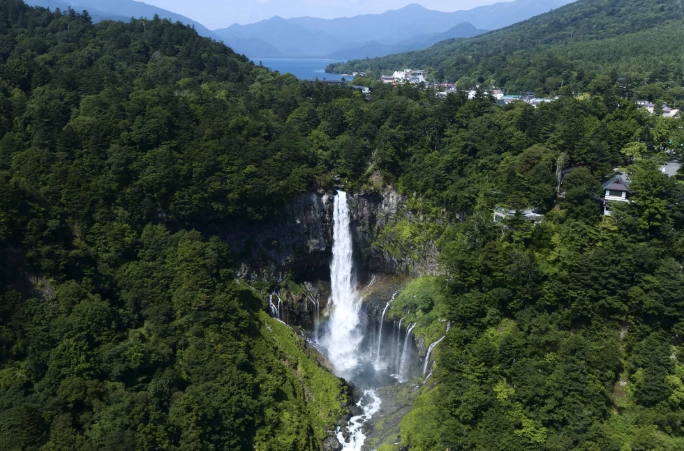
| From / To | Best Transport | Approx. Time | Key Notes |
|---|---|---|---|
| Tokyo -> Nikko | Tobu Railway Limited Express (Spacia) from Asakusa | ~2 hours | Most direct to Tobu Nikko Station. Consider the Nikko Pass if staying multiple days. |
| Tokyo -> Nikko | JR Shinkansen to Utsunomiya, then JR Nikko Line | ~1h 45min | Faster if you have a JR Pass. Arrives at JR Nikko Station. |
| Nikko Station -> Shrines | Tobu Bus (World Heritage Tour) | ~20 min | Buses are frequent. Day passes are available. |
| Nikko -> Lake Chuzenji | Tobu Bus | ~45 min | The Irohazaka road is part of the journey. |
| Tokyo/Utsunomiya -> Ashikaga | JR Ryomo Line | Varies (~1.5h from Tokyo) | Get off at Tomita Station, a short walk from the Flower Park. |
| Within Utsunomiya | Walking / Local Bus | - | City center is walkable. Buses go to Oya History Museum. |
Money Saver: For a deep Nikko focus, the Tobu Nikko Pass (from Asakusa) is fantastic. It covers the round-trip train from Tokyo, unlimited local buses in Nikko, and discounts on attractions. For broader Tochigi travel, renting a car from Utsunomiya gives you ultimate freedom to hit Ashikaga, Nasu, and remote onsen towns.
When to Go: Season by Season in Tochigi
- Spring (April-May): Absolute peak for Ashikaga Flower Park's wisteria (late April-early May). Nikko's cherry blossoms come later than Tokyo (mid-late April). Weather is pleasant.
- Summer (June-August): Lush and green. Nikko and the Nasu Highlands are popular escapes from Tokyo's humidity. Can be rainy in June.
- Autumn (October-November): THE best time for Nikko, in my opinion. The fall colors (koyo) around Lake Chuzenji and the gorge are legendary, usually peaking in late October. Expect big crowds.
- Winter (December-March): Cold and often snowy in Nikko. Toshogu is beautiful under snow, and crowds are thin. Ashikaga's illuminations are on. Many outdoor trails may be closed.
Putting It All Together: Sample Itineraries
How much time do you need for Tochigi in Japan? It depends on your appetite.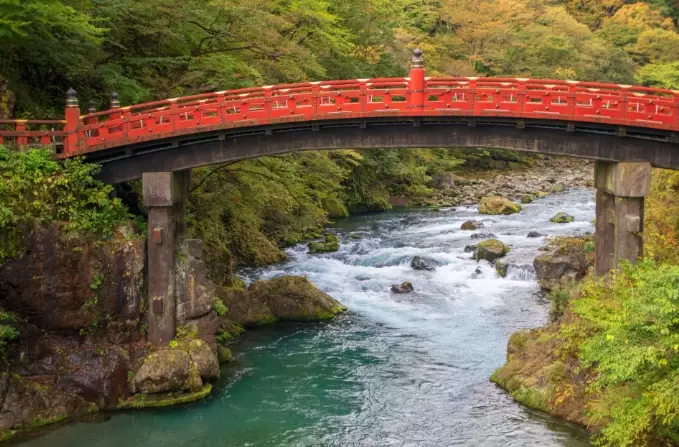
The Nikko Classic (2 Days / 1 Night)
Day 1: Arrive from Tokyo early. Hit the World Heritage Site (Toshogu, Rinnoji, Taiyuin). Spend the afternoon at Lake Chuzenji & Kegon Falls. Stay in a ryokan with onsen in Nikko or Chuzenjiko.
Day 2: Visit the Nikko Tamozawa Imperial Villa (a beautiful former imperial summer home), maybe do a short hike. Head back to Tokyo in the afternoon.
The Tochigi Taster (3-4 Days)
Day 1: Arrive in Utsunomiya. Gyoza crawl in the evening. Stay in Utsunomiya.
Day 2: Morning at Oya History Museum. Take train to Nikko in the afternoon, see a shrine or two. Stay in Nikko.
Day 3: Full day exploring Nikko's heritage sites and Lake Chuzenji.
Day 4: (Option A) Head to Ashikaga Flower Park if in season, then back to Tokyo. (Option B) Relax at an onsen in Nasu before departing.
Your Tochigi Questions, Answered
Final Thoughts Before You Go
Tochigi snuck up on me. I went for the checklist item ("see Nikko") and left with memories of misty lakes, underground caverns, the taste of perfect crispy dumplings, and the smell of ancient cedar trees and wisteria. It's a prefecture with depth.
It asks for a little more planning than just hopping on a subway, but that's part of the reward. You feel like you've discovered something a step away from the well-trodden path, even when visiting its most famous attraction.
So, is Tochigi in Japan worth it? If you want a blend of Japan's most profound history, stunning natural beauty, quirky local culture, and fantastic food, the answer is a resounding yes. Give it more than a day. Let it surprise you. I'm glad I did.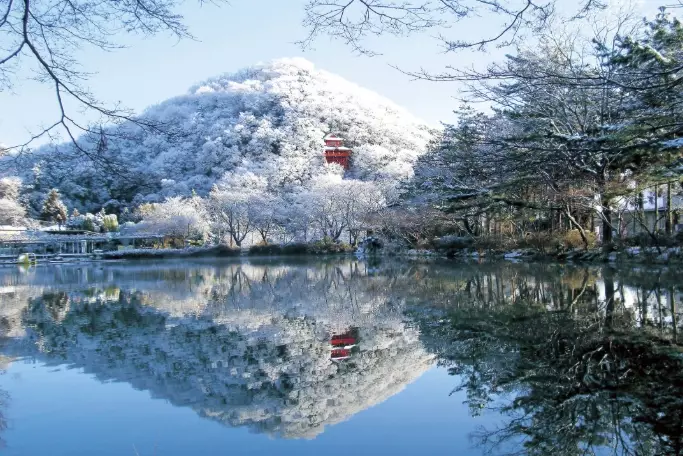
Ready to Plan? For the most accurate and official information on travel, always double-check with official sources. The Tochigi Prefectural Tourism Association website is a great place to start. For nationwide context, the Japan National Tourism Organization (JNTO) site is invaluable. And for those intricate train schedules and passes, go straight to the source: Tobu Railway and JR East.

Comments