Let's cut to the chase. You've heard of Beppu, Japan's hot spring capital. The pictures show steamy, colorful pools and people relaxing in baths. But planning a trip here feels different from Tokyo or Kyoto. It's not about ticking off temples; it's about an experience centered on geothermal energy, unique food, and a slower pace. I've been multiple times, made my share of mistakes (like trying to see all eight "hells" in one rushed morning), and learned what truly makes a visit to Beppu City memorable. This guide is that distilled knowledge.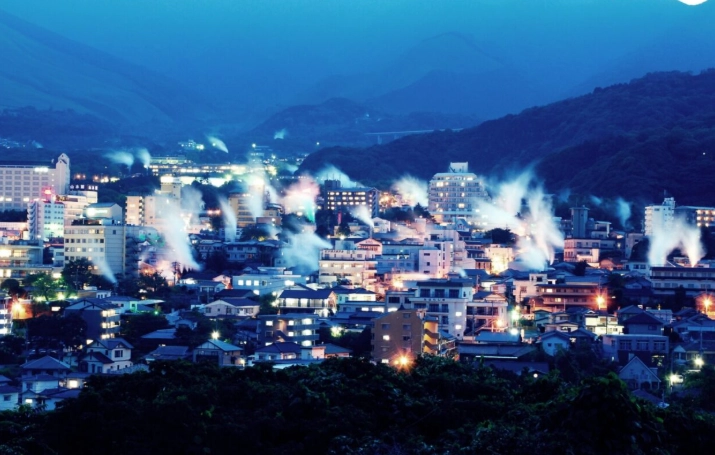
Beppu, on the eastern coast of Kyushu, isn't just one hot spring town. It's a city built atop thousands of bubbling vents, where steam rises from street drains and public foot baths are as common as vending machines. The sheer volume of hot water gushing out daily is staggering, second only to Yellowstone globally according to the Beppu City official tourism site. That energy defines everything here.
Quick Navigation
What You Absolutely Can't Miss in Beppu
First-timers often get overwhelmed. Do you just hop from bath to bath? Not quite. Beppu's attractions fall into distinct categories: the spectacular "hells" for viewing, the traditional baths for soaking, and the vantage points for seeing it all from above.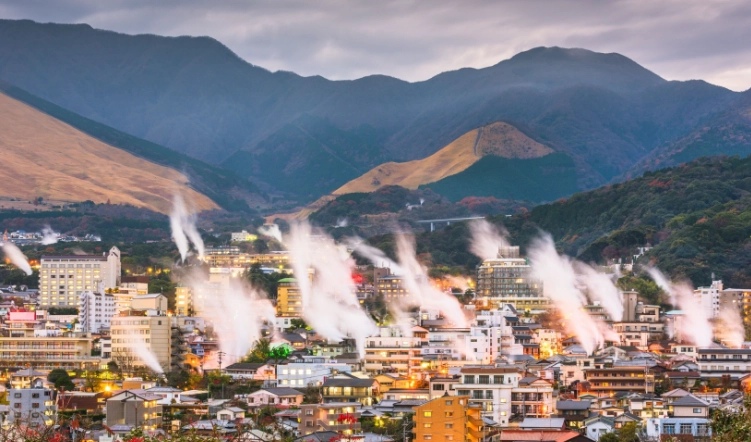
The Famous "Hells" (Jigoku Meguri)
These are not for bathing. The "jigoku" (hells) are spectacular, boiling hot springs for viewing only. They're surreal, almost otherworldly. The main cluster is in the Kannawa area. Don't try to see all eight unless you're a completist. It's tiring and they start to blend together. Pick four or five based on your interest.
My Top Picks: Umi Jigoku (Sea Hell) for its stunning cobalt-blue pool and peaceful secondary garden with a lotus pond. Oniishibozu Jigoku (Mud Bubble Hell) is uniquely mesmerizing—gray mud plopping like giant bubbles. Chinoike Jigoku (Blood Pond Hell) is the iconic red one, best visited late afternoon when the steam glows. Skip the crocodile farm attached to one of them unless you have a specific interest.
Practical Info: A combined ticket for seven hells costs around 2,200 yen. Each hell is a 5-10 minute walk from the next. Opening hours are typically 8:00 AM to 5:00 PM. Address: Kannawa, Beppu City. Take bus No. 2, 5, 7, or 41 from Beppu Station to the "Kannawa" stop (about 20 minutes, 330 yen).
The Real Onsen: Baths for Soaking
This is the core Beppu experience. You have two main types: large, traditional public baths and smaller, boutique sand/mud baths.
Takeyu (竹瓦温泉) is the historic public bathhouse downtown. For a mere 110 yen, you step into a cavernous, classic wooden bathhouse. It's no-frills, local, and authentic. They also offer the unique sand bath (suna-mushi) where you're buried in naturally heated sand—a must-try, separate fee of 1,650 yen. Address: 16-23 Motomachi, Beppu. Open 8:30 AM - 10:30 PM (sand bath until 9:30 PM). Closed 3rd Wed of the month.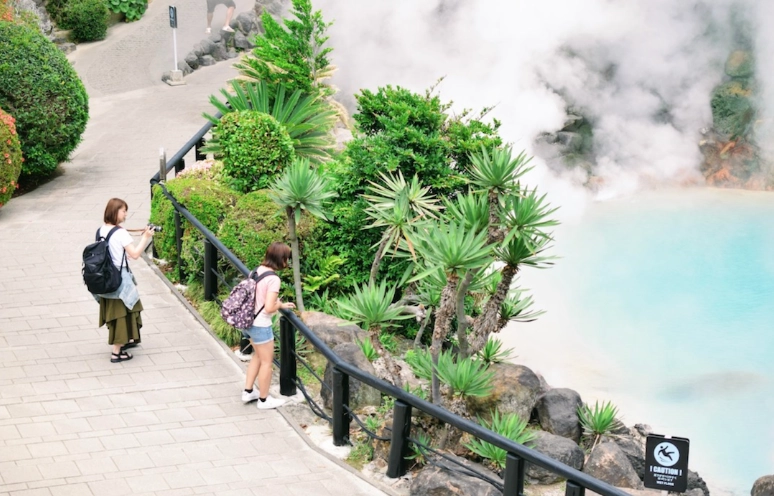
For a more curated sand bath, Beppu Beach Sand Bath (別府海浜砂湯) is right by the sea. Lying buried while listening to waves is therapeutic. Address: 1-15-8 Kamegawa. Open 8:00 AM - 6:00 PM (Mar-Nov).
The View from Above: Beppu Ropeway
To grasp Beppu's geography—a city nestled between the sea and mountains, with steam plumes rising everywhere—take the ropeway up Mount Tsurumi. The view is breathtaking, especially at sunset. At the top, there's a short hiking trail. The round trip costs 1,800 yen. Access: Take a bus from Beppu Station bound for "Kijima Kogen" and get off at "Beppu Ropeway" (about 25 minutes).
How to Plan Your Beppu Itinerary (Without the Rush)
Most people try to cram Beppu into a day trip from Fukuoka or Yufuin. That's a mistake. You'll spend 5+ hours on trains/buses and be exhausted. Stay at least one night. Here are two realistic plans.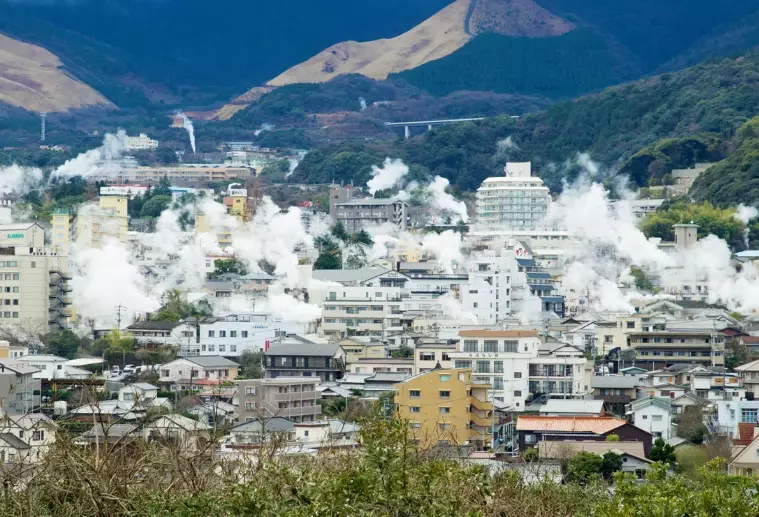
| For a 1-Night Stay | For a 2-Night Stay |
|---|---|
| Day 1: Arrive by midday. Check into a ryokan. Visit 3-4 selected hells in Kannawa. Relax in your ryokan's onsen before dinner. Experience a kaiseki meal. | Day 1: Same as the 1-night plan. Savor the ryokan experience. |
| Day 2: Morning sand bath at Takeyu or Beppu Beach. Explore the downtown market area for lunch. Visit the Beppu Ropeway in the afternoon before departing. | Day 2: Deeper exploration. Visit the less-touristy Myoban Onsen area to see traditional "yunohana" (mineral salt) huts. Try a mud bath at a place like Hyotan Onsen. Explore local cafes in the Beppu Station area. |
| Day 3: A half-day trip to nearby Yufuin (40 mins by bus) for a contrasting, artsy onsen town vibe, or a morning visit to Umitamago aquarium before leaving. |
The biggest error I see? People not building in downtime. The point is to soak and unwind. Schedule gaps. Don't itinerary yourself into stress.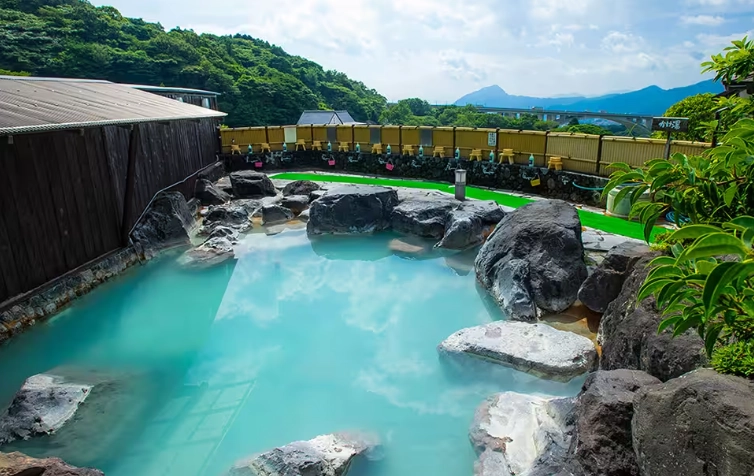
Eating and Drinking in a Steam-Powered City
Beppu's cuisine leverages its geothermal heat. Jigoku-mushi (hell-steaming) is the signature cooking method where food is steamed over volcanic vents. You can try this at places like Jigoku Mushi Kobo Kannawa where you rent a basket to steam your own veggies, eggs, and dim sum over the hot springs. Fun, interactive, and healthy. Budget 1,500-2,000 yen per person.
For a more substantial local meal, seek out toriten—chicken tempura, a Oita prefecture specialty. Taninoya near Beppu Station is a reliable, busy spot for it. A set meal runs about 1,000 yen.
Post-onsen, nothing beats a cold drink. Beppu has a growing craft beer scene. Kamegawa Brewery, a short walk from the beach sand bath, offers flights of their German-style beers in a relaxed taproom.
Where to Stay: Ryokan, Hotels, and Budget Picks
Your accommodation choice defines your Beppu experience.
Splurge on a Ryokan: This is the classic way. You get multiple private or shared onsen baths, an elaborate multi-course dinner (kaiseki), and breakfast. Areas like Kannawa, Kamegawa, and Hamawaki are full of them. Suginoi Hotel is a massive, resort-style option with incredible panoramic baths. Amane Resort Seikai offers modern luxury with in-room open-air baths. Expect to pay 30,000 - 60,000+ yen per person per night with meals.
Mid-Range Business Hotels: If the ryokan price and formal dining aren't for you, stay at a hotel near Beppu Station like Dormy Inn Beppu or APA Hotel Beppu Ekimae. They have decent public baths (often with a view) and you're free to explore restaurants. Rooms from 8,000 - 15,000 yen per night.
Budget & Social: Guesthouse Uotan is a fantastic, friendly hostel with a cozy atmosphere and a small indoor bath. They offer bike rentals and great local tips. Dorm beds from 3,000 yen.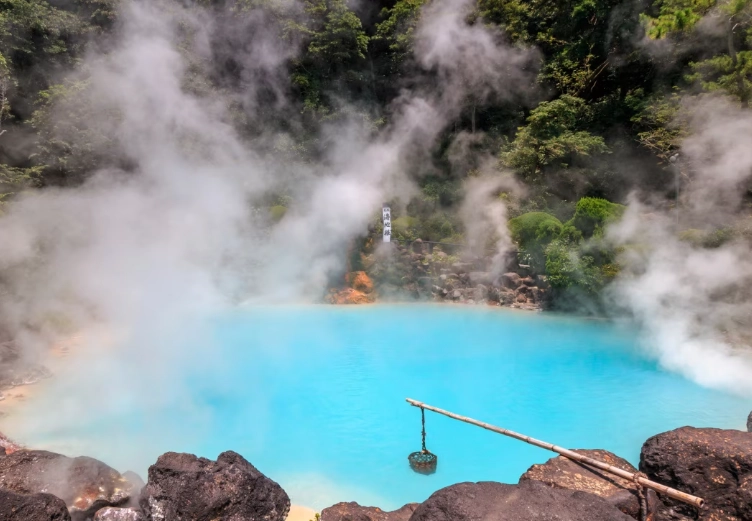
Getting Around and Other Nuts & Bolts
Getting There: The fastest way is the Sonic limited express train from Fukuoka's Hakata Station (about 2 hours). From Oita Airport, a bus takes 40 minutes to Beppu Station.
Getting Around: Buses are your friend, but they aren't as frequent as in major cities. Get a 1-Day My Beppu Free Pass (900 yen) for unlimited rides on most city buses. It pays for itself in two trips. Taxis are reasonable for short hops between nearby hells if you're in a group.
Onsen Etiquette (The Real Deal): Wash thoroughly at the shower station before entering the bath. No swimsuits. Small towels can be brought in but don't let them touch the bath water (place them on your head or the side). Tattoos can be an issue at large public baths; ryokan and smaller boutique onsens are often more flexible—ask when booking.
Comments