Your Winter Journey Map
- What's the Weather Really Like in Japan During January?
- The Ultimate Packing List for Japan in January
- Why Go? The Big Pros of Visiting Japan in January
- The Other Side: Challenges of a January Visit
- Top Destinations and Experiences for January
- Budgeting for Your January Trip
- Japan in January: Your Questions Answered (FAQ)
- Final Verdict: Should You Visit Japan in January?
So you're thinking about a trip to Japan in January. Good choice. Or maybe a challenging one? Honestly, it depends on what you're after. I remember stepping out of Tokyo Station one January evening, the cold hitting my face like a slap. It was bracing, sure, but the city lights shimmered with a clarity you just don't get in the humid summer haze. January in Japan isn't the postcard-perfect cherry blossom season everyone talks about. It's something else entirely—raw, cultural, and surprisingly vibrant in its own wintery way.
Let's cut to the chase. Is Japan in January for everyone? No. If you hate the cold, you'll struggle. But if you're drawn to unique festivals, incredible skiing, fewer crowds, and a more local vibe, then you might just have found your perfect off-season gem. This guide isn't going to sugarcoat it. We'll talk about the biting wind in Kyoto, the genius of thermal underwear, and why visiting Japan in January might be the best travel decision you never knew you wanted to make.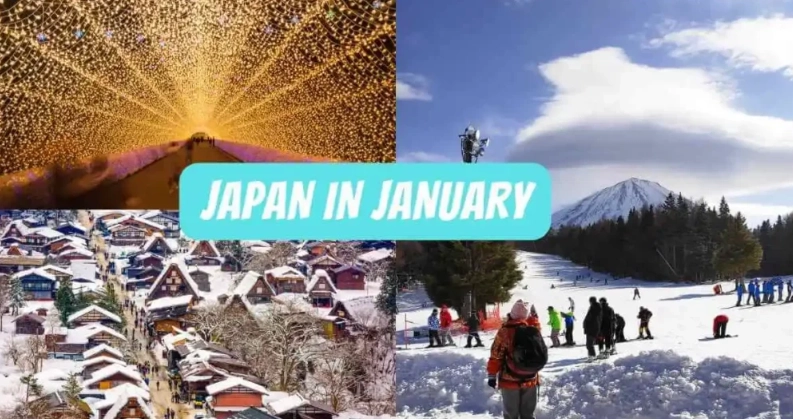
What's the Weather Really Like in Japan During January?
Forget mild. Think proper winter. January is typically the coldest month across most of Japan. But the country is long, so the experience varies wildly from north to south. It's not just one type of cold.
Up in Hokkaido, you're looking at a proper snowy wonderland. We're talking averages well below freezing, perfect for powder snow. Central regions like Tokyo, Kyoto, and Osaka are cold but manageable, usually hovering between 2°C (36°F) and 10°C (50°F). The kicker here isn't always the temperature itself, but the dampness. A 5°C day in Kyoto can feel much colder than a drier -5°C day elsewhere because of the humidity. Your bones feel it. Further south, in places like Fukuoka or Okinawa, it's milder, more like a crisp fall day, but still a world away from tropical warmth.
Regional Weather Snapshot: The key to enjoying Japan in January is dressing for the right cold. A mistake I made on my first trip was packing a heavy ski jacket for Kyoto. Overkill during the day, useless against the damp chill at night. Layering is your religion now.
| Region & Major Cities | Avg. Daytime Temp | Avg. Nighttime Temp | What to Expect |
|---|---|---|---|
| Hokkaido (Sapporo, Otaru) | -1°C to -4°C (30°F - 25°F) | -7°C to -12°C (19°F - 10°F) | Heavy snow, dry cold, perfect powder. Sunshine is common. |
| Tohoku (Sendai, Aomori) | 2°C to 5°C (36°F - 41°F) | -3°C to -5°C (27°F - 23°F) | Significant snowfall, especially on the Japan Sea side. |
| Kanto (Tokyo, Yokohama) | 5°C to 10°C (41°F - 50°F) | 0°C to 3°C (32°F - 37°F) | Crisp, sunny days common. Cold, damp nights. Rare snow dustings. |
| Kansai (Kyoto, Osaka, Nara) | 4°C to 9°C (39°F - 48°F) | 0°C to 2°C (32°F - 36°F) | Similar to Tokyo but can feel colder due to open temple layouts. |
| Chugoku/Shikoku (Hiroshima, Takamatsu) | 6°C to 10°C (43°F - 50°F) | 1°C to 4°C (34°F - 39°F) | Milder, less snow. Rain possible. |
| Kyushu (Fukuoka, Nagasaki) | 8°C to 12°C (46°F - 54°F) | 3°C to 6°C (37°F - 43°F) | Gentlest winter. Frost is rare, snow very rare. |
| Okinawa (Naha) | 17°C to 20°C (63°F - 68°F) | 13°C to 15°C (55°F - 59°F) | Cool, subtropical. Jacket weather, definitely not beach weather. |
One more thing people don't talk about enough: daylight. Days are shorter. The sun might set around 4:30-5:00 PM. This actually works in your favor for seeing illuminated winter displays, but plan your temple-hopping for the daylight hours.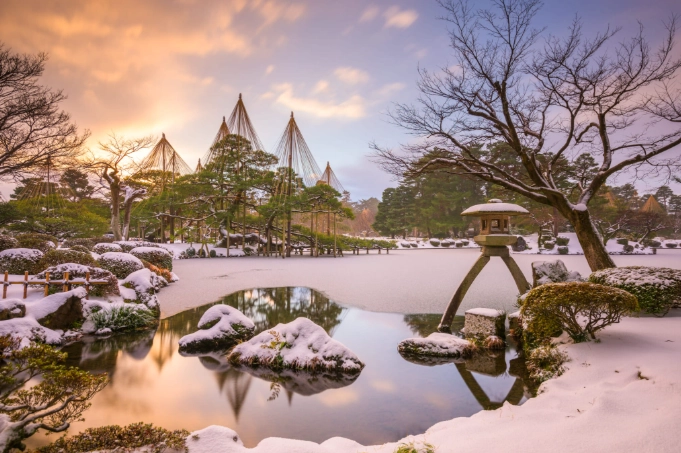
The Ultimate Packing List for Japan in January
Packing wrong can ruin your trip. I learned this the hard way with cold, wet feet on the Philosopher's Path in Kyoto. Here’s the no-nonsense list, born of experience.
Top 10 Non-Negotiable Items
- Thermal Base Layers: Merino wool or quality synthetics. Cotton is the enemy here—it gets wet and stays cold.
- Insulated, Waterproof Boots: With good grip. I prefer waterproof leather. Streets can be slick, and you'll be walking miles.
- A Down or PrimaLoft Puffer Jacket: Packable and warm. This is your workhorse for layering.
- Fleece or Wool Mid-Layer: A zip-up fleece or a thick sweater. This is your adjustable warmth layer.
- Waterproof/Windproof Outer Shell: For snowy regions or rainy days. A ski jacket often combines this with insulation.
- Wool Socks: Multiple pairs. Change them if your feet feel damp.
- Accessories: Beanie, gloves (touchscreen-compatible is a game-changer), and a scarf or neck gaiter. Heat escapes from your head and neck.
- Portable Heat Packs (Kairo): Buy them at any convenience store (7-Eleven, Lawson). Stick them to your clothes, not skin. Lifesavers.
- Lip Balm & Heavy Moisturizer: The indoor heating and cold wind are brutal on skin.
- Power Bank: Cold drains phone batteries faster. Keep it in an inner pocket.
Pro Tip from a Local Friend: "Uniqlo's Heattech line is affordable and sold everywhere in Japan. Don't pack too many base layers—just buy them here if you need more. Also, indoor places are often overheated. The classic move is layering so you can strip down to a t-shirt inside a restaurant without sweating."
What to Leave at Home
Bulky sweaters that take up half your suitcase (one is enough). Fancy leather shoes with no grip (you'll fall). The idea that you can "buy it if you need it"—specific sizes, especially for shoes, can be hard to find for non-Japanese proportions in a pinch.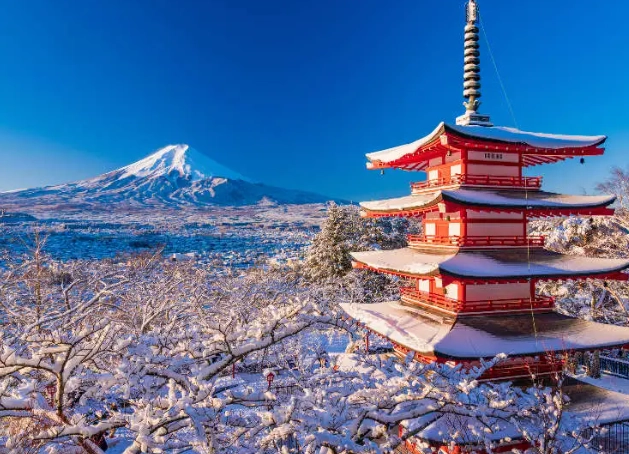
Why Go? The Big Pros of Visiting Japan in January
Okay, it's cold. So what's in it for you? Quite a lot, actually.
Visiting Japan in January feels like seeing the country take a deep, quiet breath. The frantic tourist energy of peak seasons fades, revealing a more serene, authentic pace.
Fewer Crowds (A Massive Plus)
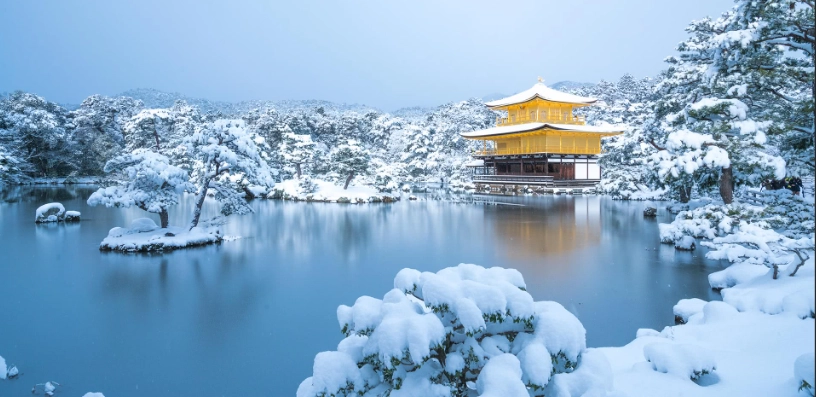
This is the biggest advantage. You can actually see the golden pavilion, Kinkaku-ji, without being elbowed by a hundred other visitors. You might get a moment alone in Fushimi Inari's torii gates early in the morning. Trains are less packed, restaurants are easier to get into without reservations weeks in advance, and there's just... space. For a country as densely visited as Japan, this is a luxury.
Winter Festivals & Illuminations
January is festival season in a different key. It kicks off with New Year celebrations (Shogatsu), which are deeply cultural but note that many businesses close from Jan 1-3. The real stars are later in the month.
- Sapporo Snow Festival (Yuki Matsuri): Usually early February, but prep starts in late January. Massive, intricate ice and snow sculptures transform the city. It's world-class. Check dates on the official Sapporo Snow Festival website.
- Winter Illuminations: Many continue from November/December into early January. Places like Tokyo's Roppongi Hills or Kobe's Luminarie offer stunning light displays, perfect for those early dark evenings.
- Local Fire Festivals: Various "Dondo Yaki" events where New Year decorations are burned in sacred fires for good luck. Smaller, local, and incredibly atmospheric.
Skiing and Snowboarding on World-Class Powder
Hokkaido's powder snow ("Japow") is legendary for a reason. Niseko, Rusutsu, Furano—these are destinations that attract powder hounds from across the globe. Even in Nagano (host of the '98 Olympics), you find fantastic resorts like Hakuba. January often offers the driest, deepest powder. If skiing is your goal, planning a trip to Japan in January is arguably the best time.
Post-New Year Sales (Fukubukuro)
"Lucky Bags" are a January shopping tradition. Department stores sell mystery bags at a fixed, discounted price (e.g., 10,000 yen for items worth 30,000+). It's a gamble, but can be a fun cultural experience. General winter sales also start around January 2nd.
Onsen Heaven
Soaking in a steaming outdoor hot spring (rotenburo) while snow dusts your hair is a quintessential Japanese winter experience. The contrast is magical. Places like Kusatsu Onsen, Gero Onsen, or any ryokan in a snowy area make this a central part of a January visit.
The Other Side: Challenges of a January Visit
Let's be real. It's not all frosty magic.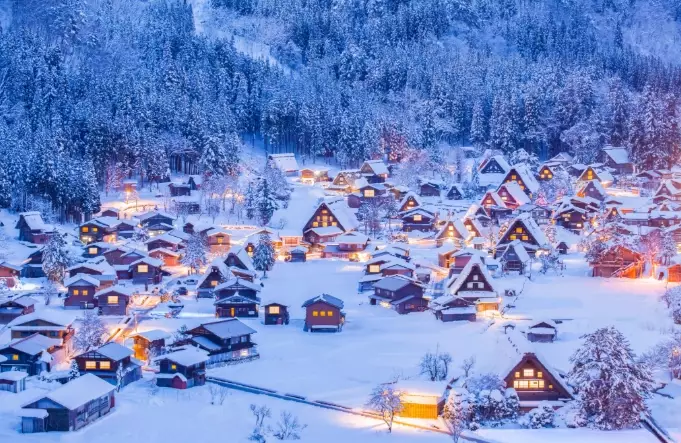
The Cold is Relentless: You can't escape it unless you're indoors. Sightseeing involves being outside for hours. If you're not prepared, you'll be miserable. Temple floors are cold. Waiting for trains on open platforms is cold.
Limited Daylight & Early Closures
Shorter days mean less time for outdoor activities. Some gardens or outdoor attractions in the north may close earlier or have limited access due to snow. Always check official websites for winter hours.
New Year Closures (Around Jan 1-3)
This is crucial. Many small shops, family-run restaurants, and even some museums close for several days around New Year. Major chains, department stores in big cities, and transport keep running, but the vibe is very quiet. It can be a peaceful time to explore empty streets, but don't plan on shopping at that specific boutique or eating at that famous local ramen spot during this period. The Japan National Tourism Organization (JNTO) website often has guides to what's open.
Transport Delays in Snow Country
In Hokkaido and heavy snow areas, trains (especially local lines) can be delayed or occasionally canceled due to blizzards. Flights can be affected. You need to build flexibility into your itinerary and check weather alerts from the Japan Meteorological Agency (JMA).
Top Destinations and Experiences for January
Where should you actually go during your time in Japan in January? Here’s a breakdown by interest.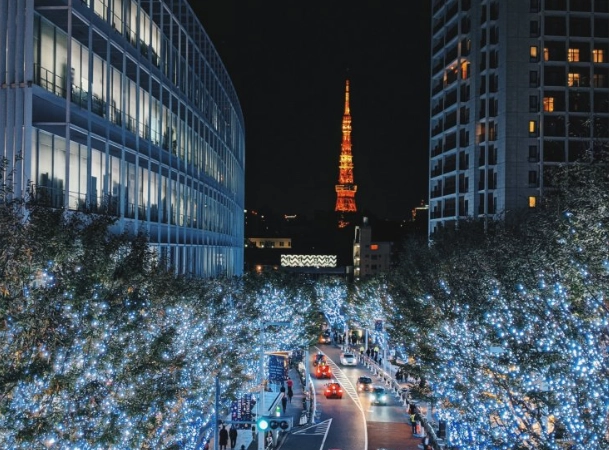
For Culture & City Life: Tokyo and Kyoto
Tokyo: The city is efficient and indoors-friendly. Explore the museums (Edo-Tokyo Museum is great), department store food halls (depachika), and vibrant neighborhoods like Shinjuku and Shibuya. The view from the Tokyo Metropolitan Government Building is free and spectacular on a clear winter day. Sumo wrestling's annual Grand Tournament (Honbasho) is held in Tokyo in January—a unique cultural spectacle.
Kyoto: This is my personal favorite for a January visit, despite the cold. The temples and gardens, especially with a light dusting of snow (a rare but magical occurrence called "yuki no Kyoto"), are breathtakingly serene. The crowds at places like Kiyomizu-dera are a fraction of their spring size. Just wear those thermal layers!
For Snow Festivals & Winter Wonderlands: Hokkaido
Sapporo: Ground zero for the Snow Festival. The city is built for winter, with heated sidewalks in some areas. Eat miso ramen, drink Sapporo beer, and embrace the snow.
Otaru: A charming canal town near Sapporo, often less crowded. Its own snow light path festival in February is lovely, but the romantic, snowy canal in January is perfect.
For Onsen & Traditional Vibes: The Japanese Alps (Nagano, Gifu)
Shirakawa-go & Gokayama: These UNESCO World Heritage gassho-zukuri (thatched roof) villages are stunning under a thick blanket of snow. Access can be tricky in heavy snow, but it's like stepping into a fairy tale. Stay in a traditional farmhouse if you can.
Nagano (Jigokudani Monkey Park): See the famous snow monkeys bathing in hot springs. A unique experience, though it involves a hike in the snow to see them.
For a Milder Escape: Western Japan (Hiroshima, Miyajima, Kyushu)
If the cold of Tokyo is your limit, head west. Hiroshima's Peace Memorial Park is moving in any season. Miyajima Island is less crowded, and the iconic torii gate looks different but beautiful against winter skies. Kyushu offers great food (ramen!) and historic sites in Fukuoka and Nagasaki with much gentler temperatures.
My Personal Take: I'd recommend a split itinerary. Maybe 3-4 days in a snowy onsen town to get that classic winter experience, then a week in Kyoto/Osaka/Tokyo. Trying to do Sapporo, Tokyo, and Kyoto in one January trip can be exhausting with weather delays. Depth over breadth works better this time of year.
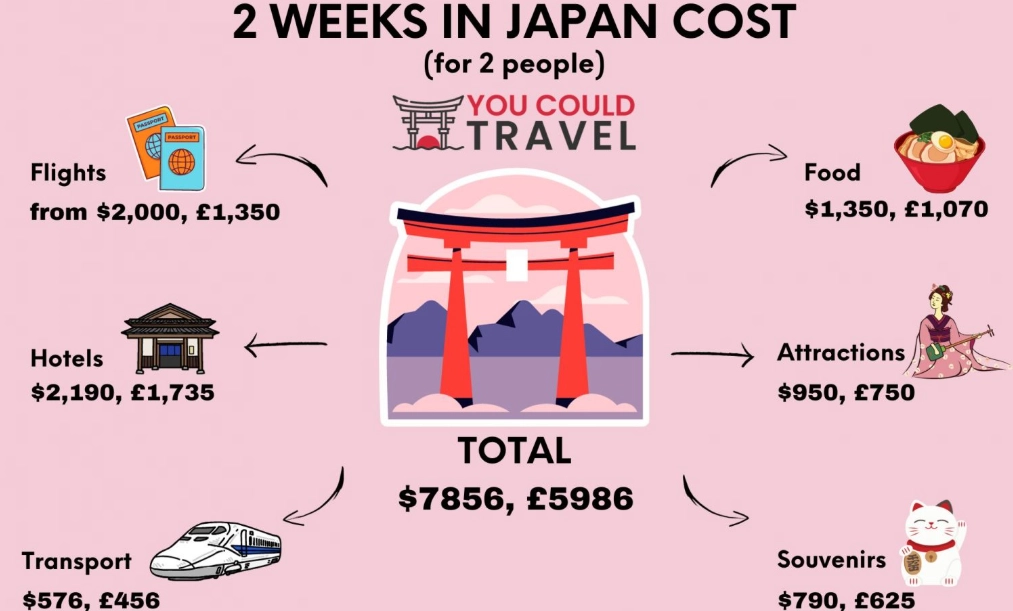
Budgeting for Your January Trip
Is Japan in January cheaper? Sometimes, but not always.
- Flights: Often cheaper than cherry blossom (March-April) or autumn (November) peaks, but around New Year can be pricey and booked solid domestically.
- Accommodation: Generally lower rates in cities. However, in premium ski resorts (Niseko) or famous onsen towns, January is high season and prices are at their peak.
- Ski Costs: Lift passes, gear rental, and resort accommodation are significant expenses. This is not a budget part of a trip.
- Daily Spending: Similar to other times. You might spend more on hot drinks and taxis if you're avoiding the cold!
Japan in January: Your Questions Answered (FAQ)
It's a fantastic time for specific travelers: winter sports enthusiasts, culture seekers who hate crowds, photographers, and those who enjoy unique seasonal festivals. It's a challenging time for those who are very sensitive to cold, want lush gardens, or dream of hanami (cherry blossom viewing).
In Tokyo/Kyoto, expect highs around 5-10°C (40s°F) and lows near freezing. It's a damp cold that seeps in. Hokkaido is sub-freezing. It's not Arctic-level, but it's a sustained, all-day cold that requires respect and preparation.
No. Major cities function perfectly. Snow removal is efficient. Delays are mostly in rural mountain areas or during specific heavy blizzards. The bigger closure issue is the New Year holiday (Jan 1-3).
You have a very high chance! Winter often brings clear, dry air with excellent visibility. Some of the clearest, most iconic views of Fuji are from places like the Shinkansen between Tokyo and Kyoto or the Fuji Five Lakes area in winter.
Absolutely. This is a highlight. Think hot pot (nabe), oden (simmered stew from convenience stores to izakayas), fresh crab (kani) in season, and warm sweet treats like baked sweet potatoes (yaki-imo) and red bean soup (oshiruko).
Visa requirements depend on your nationality, not the month. Citizens of many countries (including the US, UK, Canada, Australia, EU) can enter for short-term tourism (up to 90 days) without a visa. Always verify the latest requirements with the official Japanese Ministry of Foreign Affairs website before your trip.
Final Verdict: Should You Visit Japan in January?
Look, a trip to Japan in January asks more of you than a spring trip. It demands planning, the right gear, and a tolerance for cold. In return, it gives you a version of Japan that fewer tourists see—stark, serene, and deeply atmospheric. You trade cherry blossoms for snow monkeys, crowded paths for quiet temple grounds, and humid heat for the bliss of a steaming onsen under a winter sky.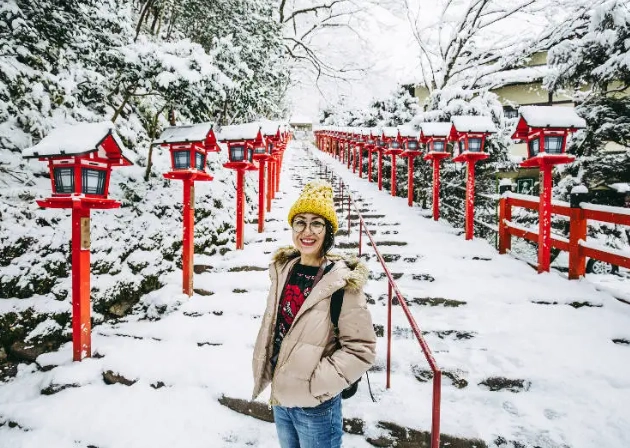
If your dream is strolling through peaceful, historic sites without the crowds, experiencing world-class winter sports, or diving into unique cultural festivals, then yes, January is an exceptional time to go. Just pack that puffy jacket and some good boots.
But if your heart is set on sunny picnics under blooming trees or hiking through verdant forests, you'll be fighting the season. For those folks, I'd say wait.
For me? I keep going back in January. There's a certain clarity to the air, a warmth in the cozy izakayas that feels earned, and a memory of a snow-dusted temple in Kyoto that no summer crowd scene could ever replace. That's the magic of Japan in January—it's not the easy magic, it's the earned one.

Comments