So you've decided on Japan for your first big trip to Asia. Excellent choice. Now comes the hard part: with so many incredible cities, temples, and landscapes, where do you even start? Trying to see everything in one go is the fastest route to burnout. After more visits than I can count, I can tell you the secret isn't about cramming it all in. It's about choosing the right mix of iconic sights and authentic moments that give you a real feel for the country.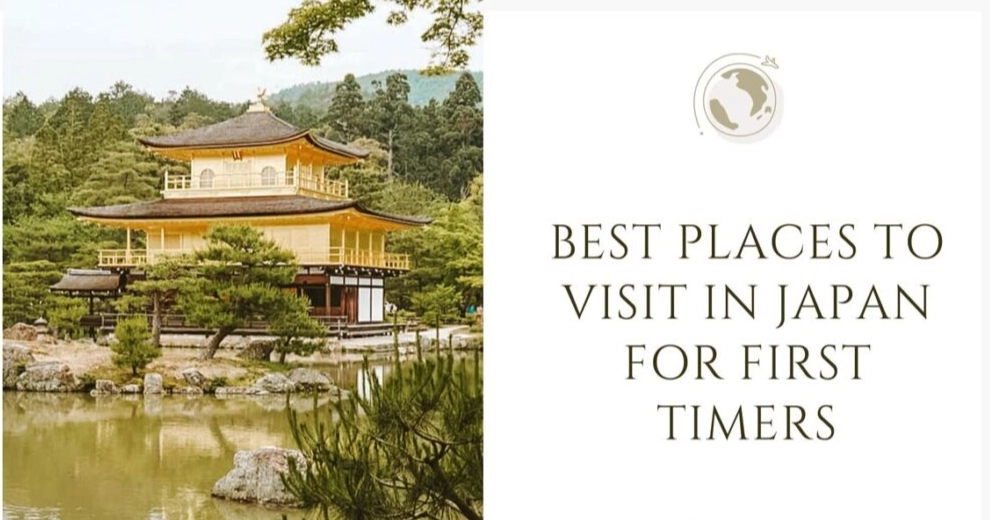
Forget the overwhelming lists. If you have 10 to 14 days, there's a classic, almost foolproof route first-timers have followed for decades. We call it the Golden Route. It connects Japan's most distinct personalities: the futuristic frenzy of Tokyo, the cultural heart of Kyoto, and the earthy, food-loving energy of Osaka. This guide will walk you through each stop, not just with what to see, but how to see it smartly, avoiding the classic newbie mistakes.
Your First Japan Trip at a Glance
Tokyo: Your First Impressions of Japan
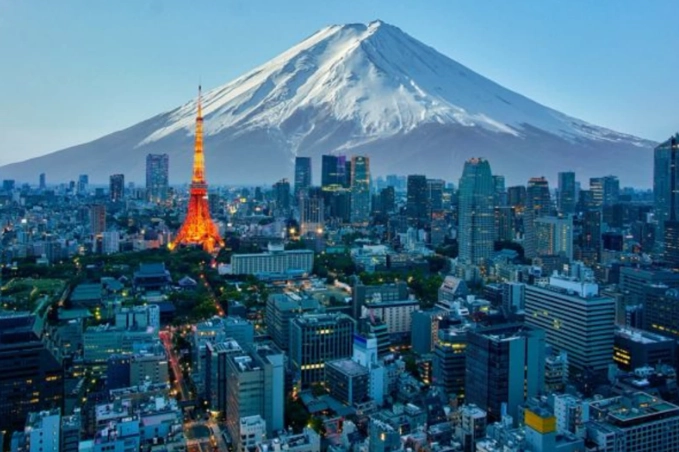
Landing in Tokyo is like stepping into a living comic book. It's vast, efficient, and endlessly fascinating. Don't try to "do Tokyo." It's impossible. Instead, focus on districts, each with its own vibe.
Shinjuku & Shibuya: The Beating Heart
Start here. Shibuya Crossing is exactly as chaotic and photogenic as you've heard. For the best view, grab a window seat at the Starbucks in the Tsutaya building (it's always busy, but worth the wait). Just a few stops away, Shinjuku is where you'll find the government skyscrapers, the infamous Robot Restaurant (now a different show, but still bonkers), and tiny bars in Golden Gai. A pro tip: skip the paid observatory at the Tokyo Metropolitan Government Building. The view is great, but it's often crowded. The free observatory on the 45th floor of the Shinjuku Sumitomo Building is a quieter alternative locals use.
Asakusa & Ueno: Old Tokyo
This is the Tokyo of wood and paper, not glass and steel. Senso-ji Temple is the star. Go early, like 8 AM early, to beat the tour groups and have Nakamise-dori shopping street somewhat to yourself. It's cliché, but trying a fresh ningyo-yaki (small cake) from one of the stalls is part of the experience. Right next door, Ueno Park is a sprawling oasis with several major museums, like the Tokyo National Museum, and a zoo.
Odaiba & Akihabara: The Futuristic and the Geeky
Odaiba is a man-made island with wild architecture, like the Fuji TV Building, and teamLab Borderless (note: the iconic Borderless is closed; teamLab Planets is the current must-see immersive art experience—book tickets weeks in advance). Across the city, Akihabara is electric town for anime, manga, and electronics. Even if you're not a die-hard fan, walking through a multi-story arcade or a manga cafe is a cultural experience.
Kyoto: The Unmissable Cultural Heart
You take the Shinkansen (bullet train) from Tokyo and in about 2.5 hours, the world changes. Kyoto is slower, lower, and steeped in history. This is where you see the Japan of geisha, zen gardens, and wooden teahouses. The biggest mistake? Trying to tick off every famous temple in a day. You'll get temple fatigue. Pick a few and savor them.
| Must-Visit Spot | Why It's Essential | Key Practical Info |
|---|---|---|
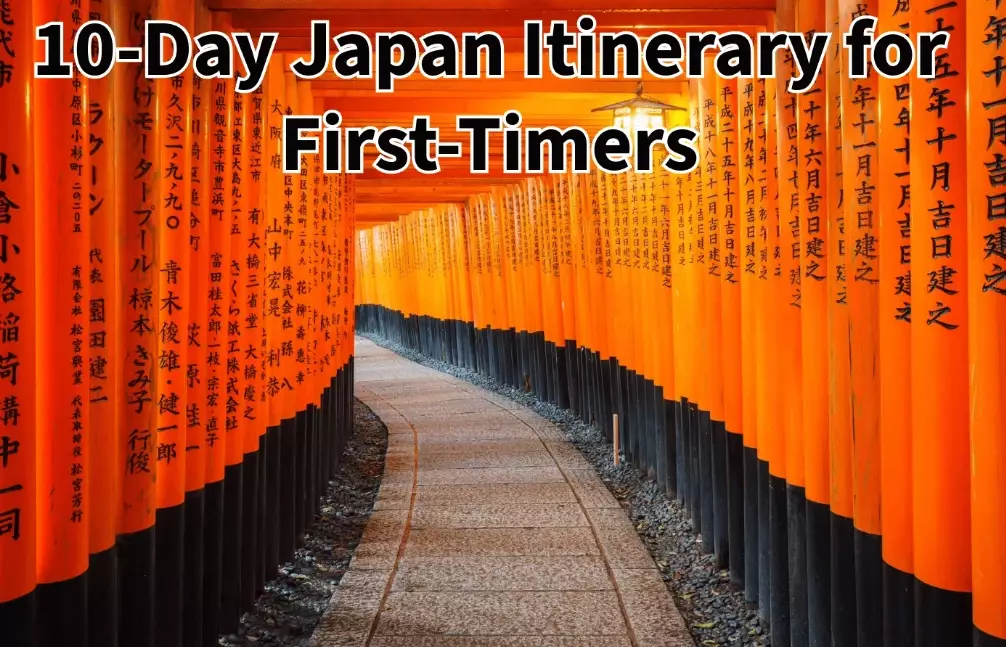
| Fushimi Inari Shrine | The iconic path of thousands of vermilion torii gates. It's even more atmospheric early in the morning (before 7:30 AM) or later in the evening. | Free, open 24 hours. Take the JR Nara Line from Kyoto Station to Inari Station (5 mins). The full hike takes about 2-3 hours, but you can just do the first dense section. |
| Arashiyama Bamboo Grove | A walking path through towering, swaying bamboo stalks. It's short but magical. | Free, always accessible. Go at sunrise to avoid the crowds. Combine with the nearby Tenryu-ji Temple (opens at 8:30 AM, ¥500) and the scenic Togetsukyo Bridge. |
| Kinkaku-ji (Golden Pavilion) | A Zen temple covered in gold leaf, reflected in a pond. It's stunning, but be prepared for crowds. | Entry ¥400, open 9 AM-5 PM. It's in northwest Kyoto. Take city bus #101 or #205 from Kyoto Station. The visit is a one-way walking path—you can't go inside the pavilion. |
| Gion & Higashiyama Districts | The historic geisha districts with preserved streets like Sannenzaka and Ninenzaka. Perfect for a stroll day or night. | Free to walk. For a higher chance of spotting a geisha (or more accurately, a maiko apprentice), be in the backstreets of Gion around 5:30-6:00 PM as they head to appointments. |
My non-consensus take? Skip Kiyomizu-dera during peak renovation. The main hall has been under extensive scaffolding. While the views are still nice, the essence is obscured. Instead, visit Kodai-ji Temple in the same area. It's quieter, has beautiful gardens and bamboo groves, and often has stunning night illuminations in spring and autumn.
Osaka: For Food and Neon-Fueled Nights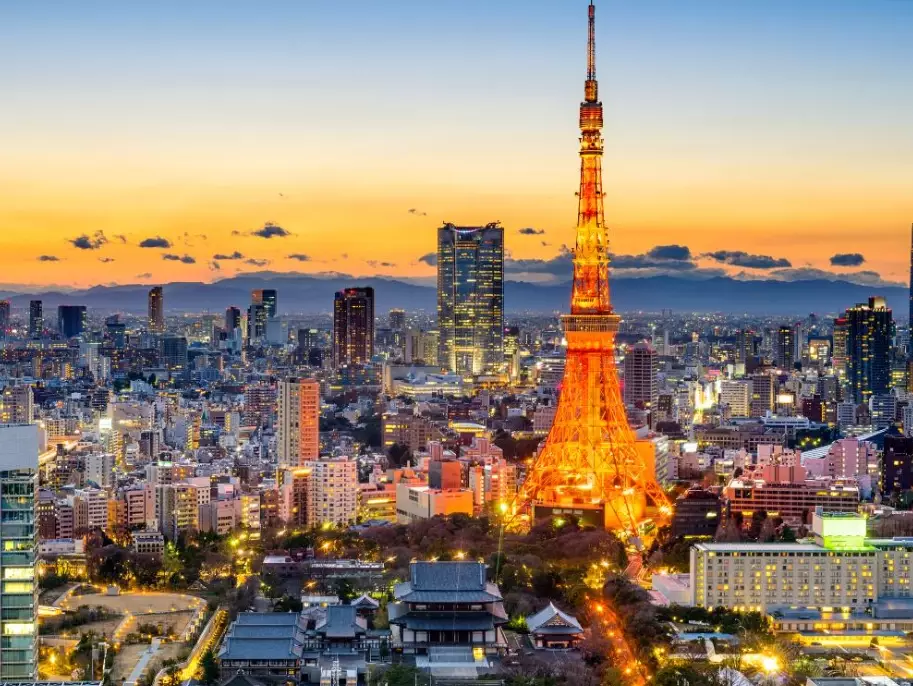
Just 30 minutes from Kyoto by train, Osaka feels like Tokyo's more relaxed, fun-loving cousin. The people are famously outgoing, and the city lives to eat (kuidaore means "eat until you drop").
Dotonbori is the sensory overload center—giant neon signs, the famous Glico Running Man, and an endless parade of street food stalls. You must try takoyaki (octopus balls) and okonomiyaki (savory pancake) here. For a more local, less chaotic food scene, head to Shinsekai, an old neighborhood with a retro feel and great kushikatsu (deep-fried skewers) restaurants.
Osaka Castle is impressive from the outside, but the interior is a modern museum. If you're short on time, viewing it from the park grounds is sufficient. A better use of a day is the Kaiyukan Aquarium, one of the best in the world, or a side trip to Nara (45 mins by train) to see the bowing deer and the giant Buddha at Todai-ji Temple.
Should You Add a Side Trip?
The Golden Route is plenty. But if you have extra days, here are two logical additions:
- Hakone: Easiest side trip from Tokyo (90 mins). Famous for views of Mt. Fuji (on clear days), outdoor hot springs (onsen), and the "Hakone Loop" involving pirate ships and cable cars. It's a great nature and relaxation break. The Odakyu Railway website offers convenient Hakone Free Passes.
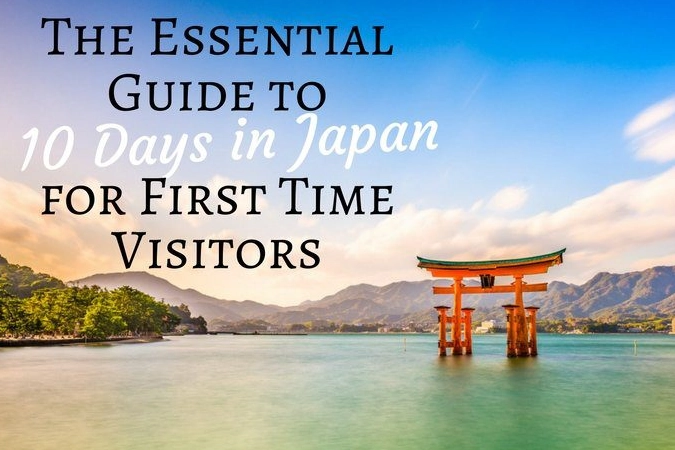
- Hiroshima & Miyajima: A longer commitment (2+ hours from Osaka via Shinkansen) but profoundly moving. The Peace Memorial Park is a must-see. Combine it with a short ferry to Miyajima Island to see the "floating" Itsukushima Shrine torii gate. This trip adds a deep historical layer to your journey.
Common First-Timer Mistakes (And How to Avoid Them)
I've seen these happen again and again. Learn from them.
Overbuying the JR Pass. With the recent major price increase, the national Japan Rail Pass is now rarely worth it for a standard Golden Route itinerary. Do the math. A one-way Shinkansen ticket from Tokyo to Kyoto is around ¥13,000. A 7-day ordinary JR Pass is now about ¥50,000. You'd need to make several long trips to break even. Use a calculator like the one on Japan Guide or just buy individual Shinkansen tickets.
Packing a Huge Suitcase. Train station staircases are abundant, coin lockers fill up fast, and hotel rooms are small. Pack light, using a medium-sized suitcase or a travel backpack. You'll thank yourself every time you navigate a busy station.
Not Making Restaurant Reservations. For any famous or high-end restaurant (especially sushi, kaiseki, or popular ramen shops), booking is often essential. Use your hotel concierge—they have magic powers. For some ramen joints, you might need to use a ticket vending machine outside.
Rushing. The temptation is to see it all. But sitting in a quiet Kyoto garden for an hour, or getting lost in a Tokyo back-alley, often creates better memories than rushing to a third temple that day. Build in downtime.
First-Timer FAQ: Your Questions Answered
 How much cash should I carry?
Comments