Explore Akita Cities
- So, What Are the Main Akita Prefecture Cities Anyway?
- Diving Deeper: What You Actually Do in These Cities
- The Practical Stuff: Getting Around, Sleeping, and Eating
- Seasonal Considerations: When to Visit Which City
- Answering the Real Questions You're Probably Asking
- Wrapping It Up: Your Takeaway Game Plan
Let's be honest, when most folks think about traveling to Japan, their minds jump straight to Tokyo's neon buzz, Kyoto's ancient temples, or maybe Hokkaido's powder snow. Akita? It often gets a quick mention for its cute dogs and good rice, then gets shuffled to the bottom of the itinerary, if it makes the list at all. That's a real shame, because it means missing out on some of Japan's most genuine, untarnished, and downright stunning experiences. I spent a good chunk of time winding through the various cities and towns up there, and I'm telling you, the Akita Prefecture cities are where you go to find the Japan that hasn't been packaged for mass tourism.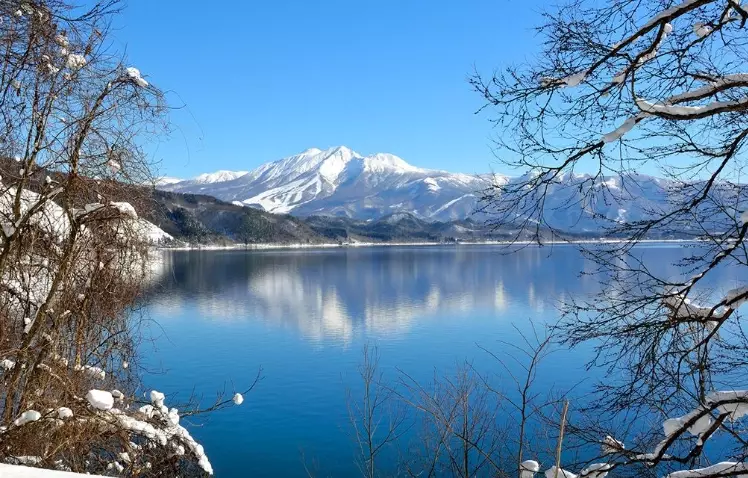
We're talking about places where century-old traditions aren't just for show—they're part of the daily fabric. Where you can soak in an onsen with a view of a silent, snow-covered valley and not see another soul for hours. Where the food is so hearty and locally sourced it tastes like the land itself. This isn't a region you "do" in a day trip. It's a place you settle into.
The Core Idea: Planning a trip to the cities in Akita Prefecture isn't about ticking famous landmarks off a list. It's about rhythm. It's about slowing down to match the pace of life here, which is governed by seasons, festivals, and the simple pleasure of a well-made meal. Forget the bullet-train dash; think of it as a meandering journey through contrasting worlds—from samurai districts frozen in time to rugged coastlines where mythical demons are said to roam.
So, What Are the Main Akita Prefecture Cities Anyway?
First, let's get our geography straight. Akita Prefecture sits on the Sea of Japan coast in the northern part of Honshu, the main island. It's part of the Tohoku region, known for harsh winters, deep hospitality, and incredible natural beauty. When we talk about "cities" here, we're often referring to a mix of the official larger cities and some major towns that hold immense cultural weight. They're scattered across the prefecture, each with a completely different personality.
Here’s a quick, no-nonsense table to break down the key players. This should help you visualize where each spot shines.
| City / Major Town | Core Vibe & Why It's Special | Best For... | My One-Liner Take |
|---|---|---|---|
| Akita City | The prefectural capital. Urban hub with history (Senshu Park), great museums, and the famous Kanto Festival. Your main transport gateway. | First-time visitors, festival lovers, urban comforts with easy day trips. | More laid-back than most Japanese capitals. A perfect, manageable introduction. |
| Kakunodate | The "Little Kyoto of Tohoku." Famous for its perfectly preserved samurai district and stunning cherry blossom tunnels along the Hinokinai River. | History buffs, photographers, spring (sakura) and autumn (koyo) visitors. | Walking its quiet streets feels like stepping into a painting. The touristy main street can feel a bit samey, though. |
| Oga Peninsula (Oga City) | Mystical, rugged coastline. The home of the terrifying yet protective Namahage demons. Dramatic sea cliffs and hot springs. | Unique cultural experiences, onsen with ocean views, off-the-beaten-path explorers. | Surreal and powerful. The Namahage Museum is cheesy fun, but the real magic is in the landscape. |
| Odate | The world capital of the Akita dog. Home to the Akita Dog Museum and the faithful Hachiko's birthplace. | Animal lovers, those seeking a very niche, heartfelt cultural spot. | A pilgrimage for dog fans. A small, quiet city where the famous breed's legacy is deeply felt. |
| Yuzawa | A major ski resort area in winter (home to the popular Gassan ski resort). Access point for the Dewa Sanzan mountains in summer. | Skiers, snowboarders, mountain hikers, and pilgrims. | Seasonal duality at its best. Quiet in the shoulder seasons but transforms completely with snow. |
| Yurihonjo | Scenic coastal and rural area. Famous for the majestic Mt. Chokai and the traditional Amekko Candy making in Honjo. | Nature enthusiasts, road trippers, foodies interested in local crafts. | Underrated. The drive around the coast here is stunning, especially at sunset. |
| Kazuno | Deep inland, bordering Aomori. Gateway to Lake Towada and Oirase Gorge. Known for its own unique festivals like the Kemanai Grand Festival. | Hardcore nature lovers, autumn leaf peepers, festival seekers wanting less crowded events. | Feels remote and wild. The autumn colors here are arguably the best in Akita, but it's a trek to get to. |
See what I mean? You've got your historic, your coastal, your mountainous, and your canine-centric spots. You can't just say "I'm visiting Akita." You have to ask yourself, which version of Akita are you after?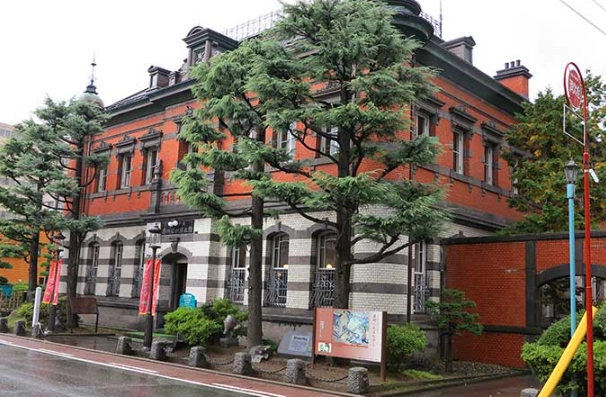
A quick personal confession: On my first trip, I tried to cram Akita City, Kakunodate, and Oga into two days. Big mistake. I spent more time on buses than actually experiencing anything. The charm of these places seeps in when you're not clock-watching. Give yourself at least a full day in each major location, preferably with a night's stay.
Diving Deeper: What You Actually Do in These Cities
Alright, so you know the names. But what does a day in these Akita Prefecture cities actually look like? Let's move past the brochure descriptions.
Akita City: More Than Just a Transit Hub
Most people land here via the Akita Shinkansen or Komachi train and think it's just a place to sleep before heading to the "real" attractions. Don't make that mistake. Start at Senshu Park, the site of the old Kubota Castle. The keep is a concrete reconstruction (a bit of a letdown for pure history nerds, I admit), but the grounds are beautiful, especially during cherry blossom season. The Akita Museum of Art nearby houses some stunning works by local-born painter Tsuguharu Foujita—well worth an hour of your time.
The real pulse of the city, though, is in its festivals. If you can time your visit for early August, the Akita Kanto Festival is mind-blowing. Men balance 12-meter-tall bamboo poles hung with dozens of lit lanterns on their palms, foreheads, and shoulders. The skill and tension are palpable. It's not just a show; it's a centuries-old prayer for a good harvest. The official Akita City website has the exact dates and best viewing spots.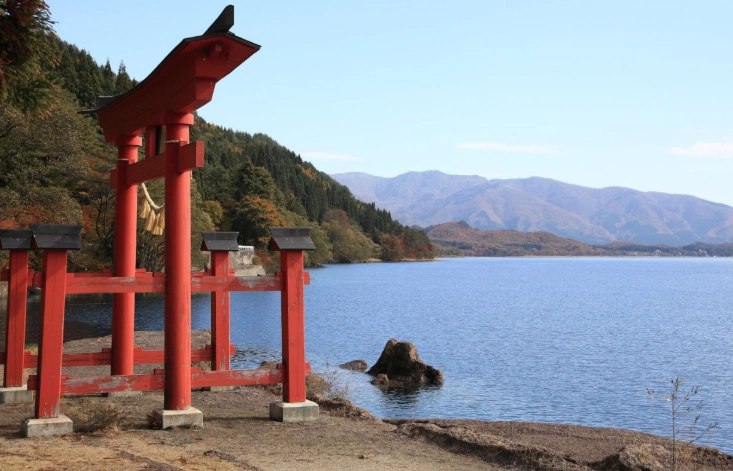
Food Tip: Skip the generic restaurants near the station. Wander the covered shopping arcades like "Kawabata-dori." Look for a small, busy joint serving Kiritanpo Nabe. This is Akita's soul food—pounded rice sticks cooked in a hearty stew with chicken, veggies, and burdock. It's comfort in a pot. I still dream about the one I had at a tiny, family-run place where nobody spoke English but everyone smiled.
Kakunodate: The Samurai Time Capsule
This is the poster child for many travel guides on Akita Prefecture cities, and for good reason. The Bukeyashiki (Samurai District) is absurdly well-preserved. We're not talking about one or two houses; it's a whole neighborhood of black-walled samurai mansions with imposing gates. The Aoyagi and Ishiguro houses are open to the public as museums. Walking through them, you get a tangible sense of the hierarchy and daily life of the warrior class.
But here’s the thing.
Most visitors do the samurai street, buy some cherry wood crafts (it's a local specialty), and leave. The magic often happens when you stray. Walk along the Hinokinai River. In spring, it's a tunnel of pink cherry blossoms. In autumn, it's a blazing corridor of red and gold. It's free, it's peaceful, and it's more memorable than any souvenir. For authoritative details on the historic preservation, the Kakunodate Tourism Association site is a great resource.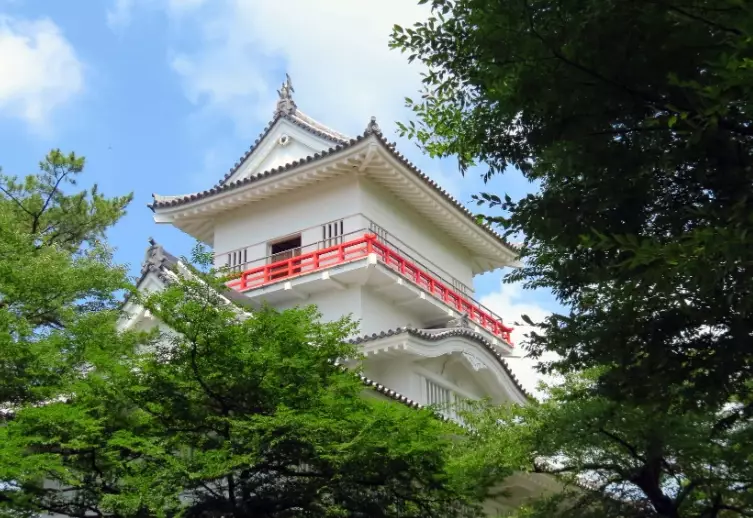
Oga City: Where Myth Meets the Sea
Oga is… different. The peninsula has a wild, almost eerie energy, especially in the winter fog. This is the home of the Namahage. These are ogre-like demons (men in incredible masks and straw suits) who visit homes on New Year's Eve, roaring and demanding to know if there are any lazy children. It sounds terrifying, and it is—I've seen kids (and adults) genuinely startled. But it's a ritual of purification and protection, scaring away evil spirits and laziness for the year.
You can see a theatrical version year-round at the Namahage-kan Museum (a bit touristy but fun), or, if you're incredibly lucky and plan well in advance, try to witness a real, private ceremony. The Oga Shinzan Folklore Museum, set inside a former onsen inn where you can still bathe, offers a more atmospheric look at the tradition.
Beyond the demons, drive or take a bus to Nyudozaki Point. The lighthouse, the crashing waves against the strange rock formations, and the sheer emptiness are breathtaking. There's an onsen hotel right there where you can soak while looking at the stormy Sea of Japan. It's a powerful experience.
I personally find the sheer scale of the Namahage Sedo Festival (a public winter event) a bit overwhelming for very young kids. The masks are intentionally fearsome. It's cool, but maybe not for every toddler. For families, the summer "Namahage Show" at the museum is a gentler intro.
The Practical Stuff: Getting Around, Sleeping, and Eating
Let's talk logistics. This is where dreams of exploring all the Akita Prefecture cities can hit the reality of Japanese regional travel.
Transportation: Train, Bus, or Rental Car?
The Akita Shinkansen is your fast friend for getting from Tokyo to Akita City (about 4 hours) and up to places like Kakunodate and Odate. It's efficient and comfortable. But once you're off the main bullet train line, things slow down considerably.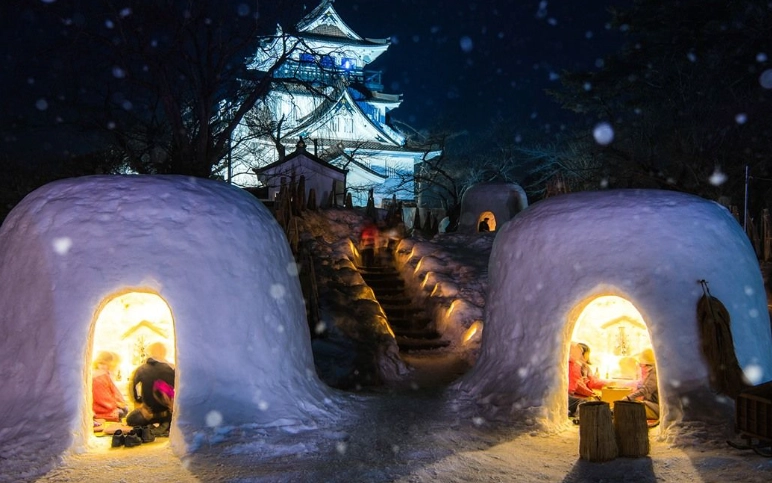
Buses connect the dots, especially to Oga Peninsula and Yuzawa. They're reliable but infrequent. You must check timetables on the JR East website or at tourist centers. Missing the last bus can leave you stranded.
My strong, strong recommendation?
If you can drive (and have an International Driving Permit), rent a car. The freedom it gives you to explore the coastlines, mountain roads, and remote onsens is unparalleled. Driving in rural Akita is stress-free—wide, empty roads and polite drivers. Parking is usually easy and cheap. It transforms the trip from a series of connections into a true journey.
Where to Stay: Ryokan All the Way
Hotels exist in Akita City, but to really embrace the spirit of the region, stay in a ryokan (traditional inn) at least once. This isn't just a place to sleep; it's the core of the experience. You get a yukata (robe), a kaiseki dinner (multiple elaborate courses featuring local ingredients), and access to a serene onsen. In places like Nyuto Onsen Village near Lake Tazawa (technically in Semboku city, but a must-mention), you can find rustic, family-run ryokan that feel worlds away from modern life.
Booking can be tricky as many don't use international platforms. Using a travel agent specializing in Japan or a booking site like Japanese Guest Houses is often necessary.
The Food: It's All About the Local Bounty
Food in Akita is hearty, savory, and designed to warm you up. We already mentioned Kiritanpo. Here’s your shortlist:
- Inaniwa Udon: A thinner, smoother, and more elegant udon noodle than the Kansai version. A specialty of Yuzawa area. Silky and delicious.
- Hatahata (Sandfish): A winter delicacy. Often dried or used in a fermented fish dish called "Shottsuru." An acquired taste, but central to coastal food culture.
- Jibuni: A duck or chicken stew from the Kaga region, but found in parts of Akita too. Thick, savory, and comforting.
- Sake: Akita's clean water and great rice make for outstanding sake. Brands like Akita Seishu, Suehiro, and Aramasa are famous. Do a tasting at a local izakaya.
Don't be shy about pointing at what other people are eating or using a translation app. The best meals I had were in places with no English menu.
Seasonal Considerations: When to Visit Which City
Akita has four very distinct seasons, and they dramatically change the experience of its cities.
- Spring (April-May): Kakunodate is king for cherry blossoms (late April). Akita City's Senshu Park is also lovely. The weather is mild, but can still be chilly.
- Summer (June-August): Lush and green. Perfect for hiking in Kazuno/Yuzawa mountains and exploring Lake Towada. This is festival season (Kanto in Akita City, Kemanai in Kazuno). Humid but not as brutally hot as Tokyo.
- Autumn (September-November): My personal favorite. The fall foliage is spectacular, especially around Lake Tazawa, Oirase Gorge, and in Kakunodate. Crowds are thinner than spring, the air is crisp, and the food is amazing.
- Winter (December-March): Snowy, quiet, and magical. Oga feels especially mythical. Yuzawa is for skiers. Nyuto Onsen is at its most stunning with snow-covered thatched roofs. It's cold, but the onsens and hearty food make up for it. Some remote roads may be closed.
Bottom Line: There's no single "best" time. If you want festivals, come in summer. For colors, come in autumn. For serenity and onsens, brave the winter. Spring is for cherry blossom chasers. Each season reveals a different facet of the Akita Prefecture cities.
Answering the Real Questions You're Probably Asking
Let's tackle some of the practical, nitty-gritty questions that pop up when planning a trip to these parts. The stuff that doesn't always make it into the glossy guides.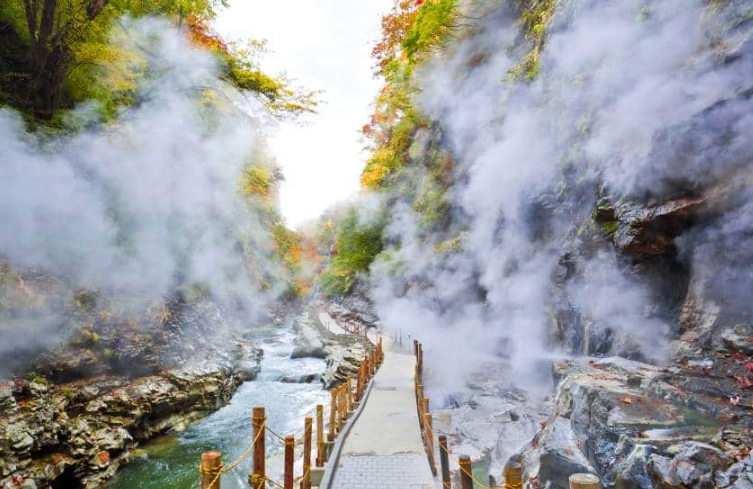
Q: Is it worth visiting multiple Akita Prefecture cities, or should I just base myself in Akita City?
A: Base myself in Akita City for a night or two to get oriented and see the capital. But to really "get" Akita, you need to move. The character is in the smaller cities and towns. I'd recommend a 2-3 base strategy: Akita City, a night in a Kakunodate/Tazawa ryokan, and a night in Oga or Yuzawa depending on your interest.
Q: How English-friendly is it?
A: Manage your expectations. In Akita City station and major hotels, you'll find some English. In Kakunodate's tourist spots, there are pamphlets. But in Oga, smaller restaurants, and on buses, English is minimal. Download Google Translate (with the offline Japanese pack), learn a few basic phrases (Arigatou gozaimasu goes a long way), and embrace the pantomime. People are incredibly kind and will try to help.
Q: I'm on a budget. Are the Akita Prefecture cities expensive?
A: Compared to Tokyo or Kyoto, accommodation and food can be significantly cheaper, especially outside Akita City. Local trains and buses are reasonable. The biggest expense is often the ryokan experience, but that includes dinner and breakfast, which is great value. Convenience store meals (which are excellent in Japan) are always a budget backup.
Q: What's the one thing most tourists miss?
A: The western coastline between Oga and Yurihonjo. Everyone goes to Nyudozaki, but the entire coast is dotted with fishing villages, strange rock formations, and lonely shrines. Driving it on a clear day is unforgettable. Also, the former mining town of Ani in Kitaakita—it's like a time-warp, with a melancholic, beautiful atmosphere.
Wrapping It Up: Your Takeaway Game Plan
Exploring the cities of Akita Prefecture isn't a checklist activity. It's a mood. It's for travelers who are okay with a slower pace, who find beauty in a misty mountain road or a perfectly crafted bowl of noodles, and who want to connect with traditions that feel alive, not staged.
Start with Akita City to land and get your bearings. Then, choose your adventure based on what calls to you: the history of Kakunodate, the myths of Oga, the mountains of Yuzawa and Kazuno, or the quiet dignity of Odate. Use a car if you can. Stay in a ryokan. Eat the local food. Talk to people even if it's just gestures.
The real treasure of Akita isn't in any single sight.
It's in the feeling you get when you're there—a sense of space, of depth, of a Japan that moves to the rhythm of the seasons and the sea. It's a place that stays with you long after you've left, calling you back to see what it looks like under a different sky.

Comments