Let's talk about Kobe. Not the basketball legend, but the city in Hyogo Prefecture, Japan. It's one of those places that often gets overshadowed by its flashier neighbors, Osaka and Kyoto. I've spent more time there than I can count, and I'm still finding new corners to love. It's a city built between mountains and the sea, which means you get stunning views, fantastic food (hello, Kobe beef), and a vibe that's both cosmopolitan and surprisingly laid-back. If you're planning a trip to Japan and wondering if Kobe is worth a day or two, the answer is a resounding yes. This guide will walk you through exactly what to do, where to eat, and how to avoid the common pitfalls most first-timers face.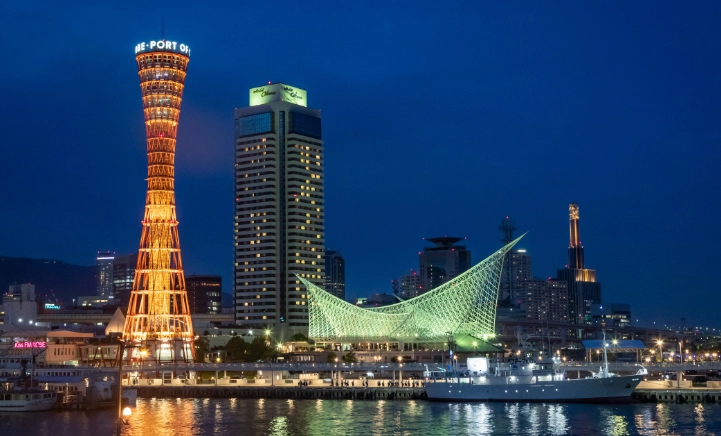
Your Kobe Trip at a Glance
- Why Kobe, Hyogo Should Be on Your Japan Itinerary
- Top Things to Do and See in Kobe
- The Ultimate Kobe Beef Dining Guide
- Where to Stay in Kobe: Accommodation for All Travelers
- Planning Your Kobe Itinerary: A Sample One-Day Plan
- Expert Tips and Common Mistakes to Avoid in Kobe
- Kobe Hyogo Travel FAQs Answered by a Local
Why Kobe, Hyogo Should Be on Your Japan Itinerary
Most people think of Kobe as just the home of that famous beef. It's so much more. After the Great Hanshin Earthquake in 1995, the city rebuilt itself with incredible urban planning. The waterfront area, Harborland, is a masterpiece of public space. You have history in Kitano, with its preserved foreign merchant homes, and nature literally on the city's doorstep at Mount Rokko. The transportation is a breeze, especially with the Kobe City Loop bus that hits all the major spots. It's compact, walkable in parts, and offers a different pace from the relentless energy of Osaka, just 30 minutes away by train.
Top Things to Do and See in Kobe
Don't make the mistake of trying to do it all in a rushed half-day. Pick two or three areas that interest you and explore them properly.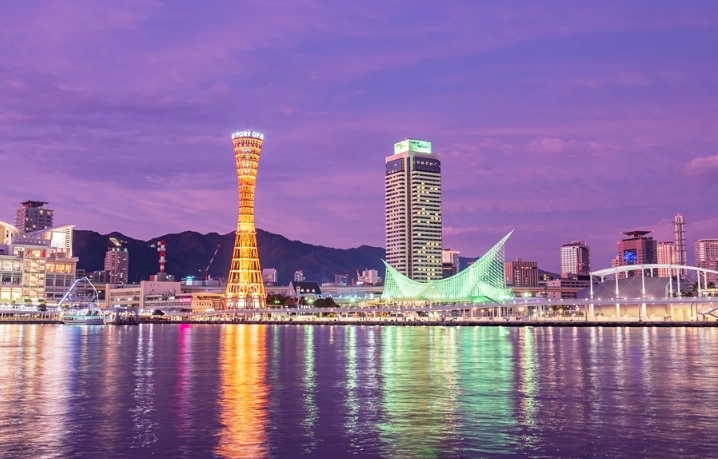
Iconic Cityscapes and Modern Landmarks
Start at Kobe Harborland. It's free to wander, and the view of the Kobe Port Tower (¥900, open 9:00-21:00) against the water is postcard-perfect. The tower itself is a 1960s retro-futuristic design—it's worth going up for the 360-degree view, but go on a clear day. If it's cloudy, save your money and enjoy the harbor walk. Right next door is the Kobe Maritime Museum, recognizable by its white roof that looks like sailing ships.
A short walk away is Meriken Park, home to the poignant Earthquake Memorial and the striking Kobe Port Tower. This is where you can feel the city's resilience.
Cultural Gems and Historic Quarters
Take the city loop bus or a short train ride to Kitano Ijinkan-gai. This is the old foreign settlement district. Wandering the hilly streets past these beautifully maintained Western-style houses is a unique experience in Japan. You can enter several as museums (¥500-¥750 each). The Weathercock House is the most famous. The area gets crowded, so aim for a weekday morning.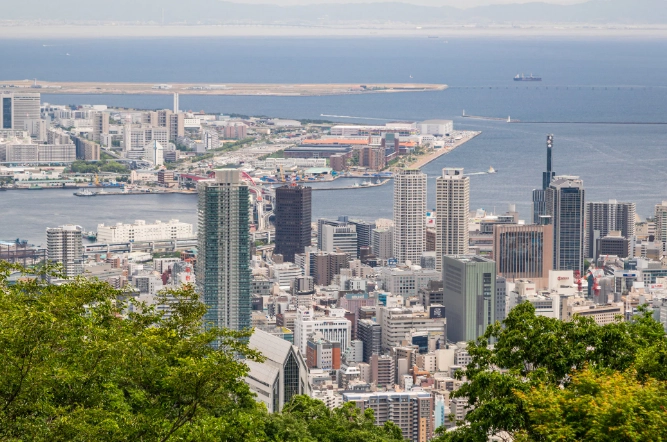
For a more traditional Japanese feel, visit Ikuta Shrine (free, open 24 hours), one of the oldest Shinto shrines in Japan, nestled surprisingly right in the modern shopping district of Sannomiya.
Natural Escapes and Relaxation
Here's a local tip most blogs miss: the Nunobiki Herb Gardens. You take a cable car (round trip ¥1,500, open 10:00-17:00) from behind Shin-Kobe Station right up the mountainside. The gardens are massive, fragrant, and offer a killer panoramic view of the entire city and port. You can walk down through the trails past the Nunobiki Waterfalls if you're feeling energetic. It's a world away from the city bustle below.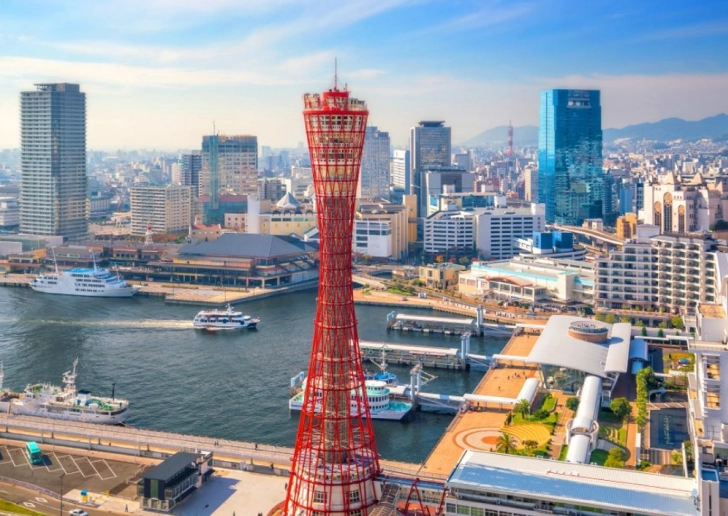
For the classic Kobe view, you need to go to the top of Mount Rokko. The ropeway and cable car combo from Rokko Station is an adventure in itself (about ¥1,800 round trip). At the top, the night view is officially one of Japan's "Three Great Night Views." The problem? Everyone knows it. It can be packed at sunset. Consider going for the daytime view instead—it's arguably more impressive for seeing the city's layout against Osaka Bay.
And then there's Arima Onsen. Technically still in Kobe, this is one of Japan's oldest hot spring towns. It's about 30 minutes by bus from Rokko or a train from Sannomiya. You can do a day trip to soak in the "kinsen" (gold water, iron-rich) or "ginsen" (silver water, radium-rich) baths. A day visit to a public bathhouse typically costs ¥1,000 to ¥2,500.
The Ultimate Kobe Beef Dining Guide
This is the main event for many. Let's clear something up: "Kobe beef" is a strictly regulated brand from Tajima cattle raised in Hyogo Prefecture. It's known for intense marbling, tenderness, and a rich, almost buttery flavor. Not all beef in Kobe is Kobe beef.
What Makes Kobe Beef Special?
The marbling score (BMS) must be 6 or higher on a 12-point scale. Each cow has a 10-digit ID for traceability. The result is meat that melts at a lower temperature, so it's incredibly juicy. You'll pay for it—expect lunch sets from ¥8,000 and dinner teppanyaki courses starting around ¥15,000 per person.
Top-Rated Kobe Beef Restaurants for Every Budget
You don't have to break the bank at a fancy teppanyaki counter to try it. Here are solid options based on style and budget.
| Restaurant Name | Style / Specialty | Price Point (per person) | Location & Notes |
|---|---|---|---|
| Steak Aoyama | Teppanyaki (grilled on iron plate) | ¥12,000 - ¥25,000 | Near Sannomiya. Classic, chef-cooked experience. Reservations essential. |
| Kobe Beef Steak Mouriya G | Teppanyaki | ¥10,000 - ¥20,000 | In the Kitano area. One of the oldest, very tourist-friendly with English menus. |
| Kobe Beef Katsu-ya | Kobe Beef Cutlet (Katsu) | ¥4,000 - ¥8,000 | Harborland. A more casual and affordable way to try the beef as a breaded cutlet. |
| Ishida. (Multiple branches) | Teppanyaki | ¥8,000 - ¥18,000 | Popular with both locals and visitors. The Shin-Kobe branch is very convenient. |
Reservation Tip: Book your Kobe beef meal weeksin advance, especially for dinner or weekend lunches. Many top places have online booking systems. Walking in without a reservation, particularly in the evening, is a recipe for disappointment.
Where to Stay in Kobe: Accommodation for All Travelers
Base yourself near a major transport hub. Sannomiya is the heart of the city—best for nightlife, dining, and train connections. Shin-Kobe is quieter, home to the Shinkansen station, and closer to the Herb Gardens and Mount Rokko access. Harborland is scenic and modern, great for families, but with fewer local dining options at night.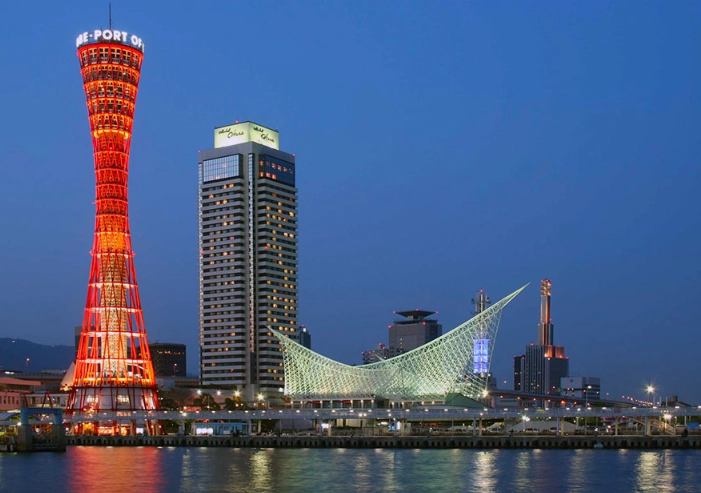
For luxury, the Kobe Portopia Hotel offers fantastic bay views. Mid-range travelers love the convenience and reliability of the Daiwa Roynet Hotel Sannomiya. Budget seekers should look at business hotels like Hotel Sunroute Sopra Kobe or well-rated hostels in the Sannomiya area.
Planning Your Kobe Itinerary: A Sample One-Day Plan
Here’s how to pack the highlights into a single, efficient day without feeling like you're on a forced march.
Morning (9:30 AM): Start at Shin-Kobe Station. Walk five minutes to the Nunobiki Herb Garden cable car. Spend 2 hours enjoying the gardens and the view.
Late Morning (11:30 AM): Take the city loop bus from Shin-Kobe to Kitano. Explore the Ijinkan area for about 90 minutes.
Lunch (1:30 PM): Head back towards Sannomiya for your Kobe beef lunch reservation.
Afternoon (3:30 PM): Take the train or loop bus to Harborland. Visit Meriken Park, see the Earthquake Memorial, and consider going up the Port Tower if the weather's good.
Evening (6:00 PM): Enjoy the harbor lights, have a casual dinner in Harborland or return to Sannomiya for more dining options and a stroll through the bustling streets.
Expert Tips and Common Mistakes to Avoid in Kobe
I've seen visitors make these errors repeatedly.
Don't just do a Kobe beef dash. Rushing in for a steak and leaving misses the point. The city's charm is in its neighborhoods and views.
Buy the Kobe City Loop Bus 1-Day Pass (¥700). It covers almost every major sight and saves you a lot of time and walking. Get it at the tourist information center at Sannomiya or Shin-Kobe Station.
Check the weather for mountain activities. If it's foggy or rainy, the view from Mount Rokko or the Herb Gardens will be zero. Have a backup plan like the Kobe City Museum or shopping in Motomachi.
Venture beyond the beef. Kobe has a famous sake brewing district, Nada, and is the birthplace of Japanese-style western confectionery. Try a "Kobe Pudding" or visit a sake brewery like Hakutsuru for a tasting.
Kobe Hyogo Travel FAQs Answered by a Local
Kobe has this quiet confidence. It doesn't scream for your attention like Tokyo or Kyoto. It's a city that's comfortable in its own skin, offering a perfect blend of Japanese tradition and international flair, all wrapped up in a stunning seaside setting. Whether it's for the legendary beef, the breathtaking night view, or just a pleasant day of exploration, Kobe, Hyogo deserves a spot on your Japan travel map. Plan well, book those meals ahead, and get ready to be pleasantly surprised.

Comments