What's Inside This Guide
Let's get this out of the way first. Kanazawa is not just another Japanese city to check off your list. It's a living, breathing piece of history that somehow manages to stay relevant in the 21st century. You don't just visit Kanazawa; you experience it. And I'm not talking about a quick photo stop at the castle. I'm talking about wandering through districts that have remained virtually unchanged for centuries, where the samurai once walked. It's a city that demands your attention, rewards your curiosity, and leaves you with a sense of having touched something real.
I've been to Kanazawa three times over the past decade, and each visit has peeled back another layer of its charm. The first time was all about the postcard-perfect sights. The second, I dug deeper into the local crafts. The third? That's when I realized most travel guides miss the point entirely. They'll tell you to go to the 21st Century Museum of Art (and you should), but they won't tell you how to truly feel the city. This guide is my attempt to correct that. We're going beyond the typical tourist trail to uncover the Kanazawa that locals love, the hidden spots that don't make most itineraries, and the practical details that actually help you plan a trip.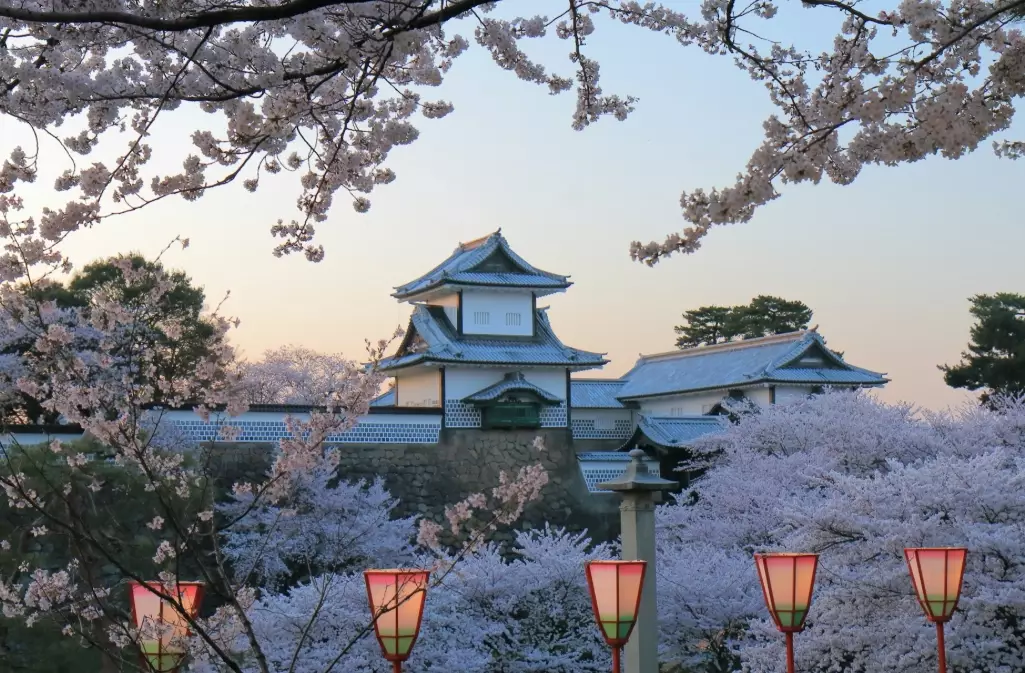
Why Visit Kanazawa?
Why should Kanazawa be on your Japan itinerary? Well, if you're tired of the overwhelming crowds in Kyoto and Tokyo, Kanazawa offers a refreshingly different pace. It's a city where you can actually hear yourself think. You can stroll through the Nagamachi samurai district without being jostled by thousands of other tourists. You can enjoy a perfectly prepared bowl of seafood without needing a reservation months in advance. And you can immerse yourself in traditional crafts like gold leaf application and Kutani porcelain in a way that feels authentic, not staged for tourists.
But here's the thing most guides won't tell you: Kanazawa's real magic lies in its contradictions. It's a city that proudly preserves its samurai heritage while simultaneously embracing cutting-edge contemporary art. This duality is everywhere, and it's what makes planning a trip here so interesting, and sometimes confusing. My goal with this guide is to give you the clarity I wish I had on my first visit.
Top Attractions in Kanazawa
Let's break down the must-see spots. I'm going to be brutally honest here and tell you that not all 'top attractions' are created equal. Some are worth every minute, and others... well, you can probably skip them unless you have a very specific interest.
Historical Sites You Can't Miss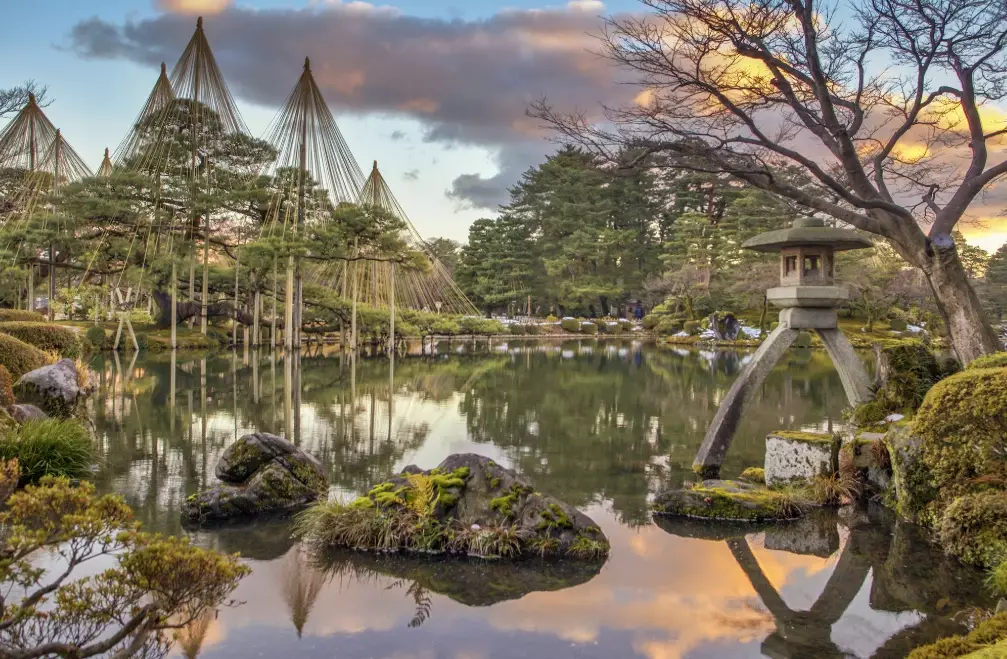
Kenrokuen Garden: This is often called one of Japan's three most beautiful landscape gardens. And it is. But here's my non-consensus view: the beauty of Kenrokuen isn't just in its visual perfection. It's in how it changes with the seasons, and more importantly, how you experience it changes depending on the time of day and the path you take. Most visitors follow the main route and miss theShigure-tei' teahouse tucked away in a corner. The garden opens from 7:00 AM to 6:00 PM (5:00 PM from November to February). Admission is 320 yen for adults. It's located at 1 Kenrokumachi, Kanazawa, Ishikawa 920-0931. Take the Hokutetsu Bus from Kanazawa Station and get off at 'Kenrokuen-mae' stop. My advice? Go as soon as it opens. The morning light filtering through the trees is something you won't get later.
Cultural Experiences That Go Beyond the Surface
Kanazawa Castle: The castle itself is a reconstruction, but the stone walls and the surrounding park give you a sense of the scale of the original fortress. What most people don't realize is that the current structure dates from the 19th century, but the site's history goes back to the 16th century. The grounds are free to enter and are open 24/7. The castle park is a great place for a picnic. But here's a specific tip: the view from the Gojikken Nagaya (a long warehouse) is particularly stunning in the late afternoon when the setting sun hits the stone walls. It's a short walk from the main gate.
Food Guide: What to Eat in Kanazawa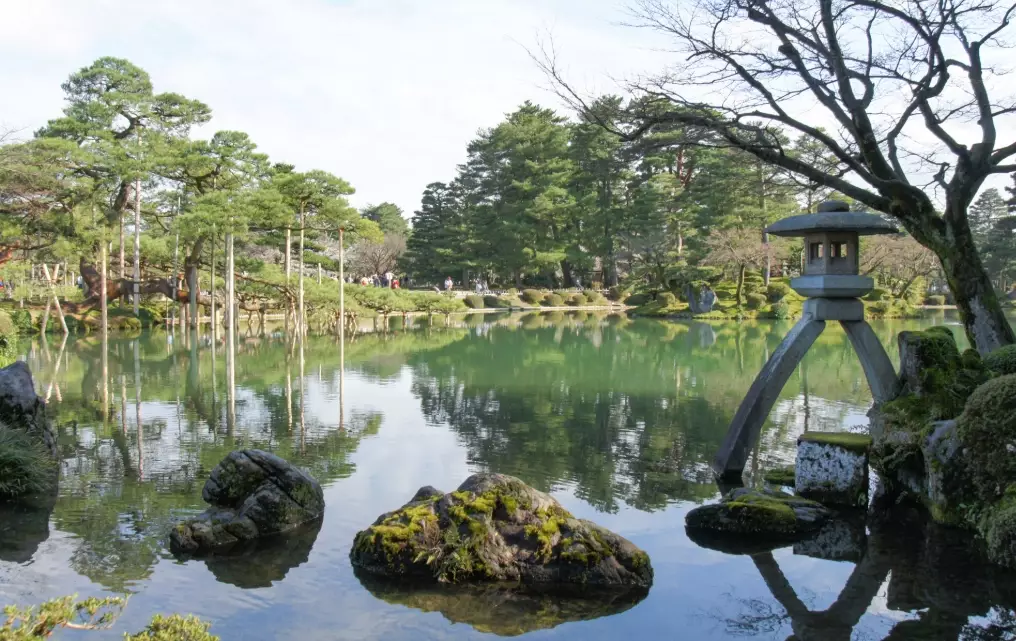
Kanazawa is a paradise for food lovers, but navigating the options can be overwhelming. Let's simplify it. The city is famous for its seafood, and for good reason. The morning market at Omicho Market is a must-visit for fresh catches. But here's a mistake I see tourists make all the time: they go for the most popular stalls right at the entrance and miss the real gems deeper inside. The market opens at 6:00 AM and runs until around 2:00 PM. Go early, around 7:00 AM, to see the action at its peak. Don't be afraid to venture into the narrower alleys.
Must-Try Dishes (And Where to Find Them)
Kaisen-don (seafood bowl): This is a bowl of rice topped with an assortment of fresh seafood. It's a local specialty, and you'll find it everywhere. But the quality varies wildly. After trying dozens of places, I've narrowed it down to a few that consistently stand out. This is a personal opinion, but I find the ones that focus on a smaller selection of ultra-fresh, seasonal fish tend to be better than the massive 'everything but the kitchen sink' bowls. Look for places that have a line of locals waiting.
Jibuni: This is a local chicken and vegetable hot pot. It's a comforting dish, perfect for colder days. My favorite spot for this is a tiny, family-run place that's been in business for over 50 years. It's not fancy, but the broth is simmered for hours, and the flavors are incredible. The address is 2-1-1 Omicho, Kanazawa, Ishikawa 920-0901. They're open from 11:00 AM to 9:00 PM, closed on Wednesdays. A bowl will cost you around 1,200 to 1,800 yen.
Getting Around: Transportation Tips That Save You Time and Money
This is where most generic guides fail. They'll tell you to get a JR pass or use the local buses. That's fine, but it's not the most efficient or cost-effective way for a short stay. Here's what I've learned after a decade of navigating Japanese public transport: in Kanazawa, the Hokutetsu Bus system is your best friend. It covers virtually all the major tourist spots with a single-day pass that costs only 500 yen. You can buy it on the bus or at major stations.
But here's the non-consensus, expert-level tip that most tourists miss: the bus system is not just for getting from point A to point B. It's a sightseeing tour in itself if you plan your route right. The Kanazawa Loop Bus (also known as the 'Right Loop' and 'Left Loop') specifically goes past most of the major attractions, and the drivers often give little historical tidbits over the loudspeaker. Sit on the right side of the bus going one direction for the best views of the castle and gardens. The loop bus costs 200 yen per ride or 500 yen for a one-day pass. It runs every 15-20 minutes.
Now, let's talk about trains. Yes, the JR Hokuriku Line connects Kanazawa to Tokyo in about 2.5 hours. But here's the subtle mistake: everyone rushes to take the fastest shinkansen. If you're not in a hurry, take the slower Hakutaka or Hakutaka Limited Express. You'll save a significant amount of money, and the scenic route along the coast is arguably more beautiful. The difference in travel time might be 30-40 minutes, but the cost savings can be over 2,000 yen one way. It's a trade-off I make every single time.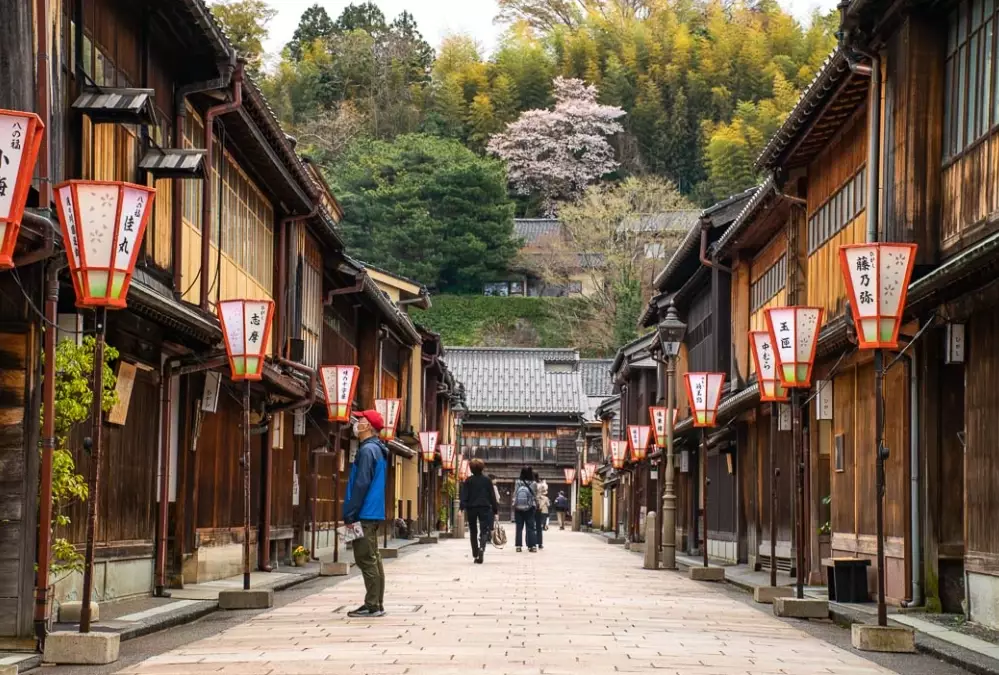
Kanazawa Itinerary: 1-Day and 2-Day Plans
Alright, let's get practical. You have limited time. How do you structure it? I'm going to give you two sample itineraries based on different arrival times and energy levels. These are tried and tested over multiple visits.
The Efficient 1-Day Plan (For the Arriving Morning Visitor)
This plan assumes you arrive at Kanazawa Station by 9:00 AM. It's aggressive but hits the highlights without feeling like a marathon.
- 9:00 AM - 10:30 AM: Take the bus to Kenrokuen Garden. Spend an hour and a half here. This is enough time to walk the main paths and see the key features without rushing. Remember my tip: enter as soon as it opens.
- 10:45 AM: Walk to Kanazawa Castle Park (it's adjacent). You don't need to go inside the castle itself (it's a reconstruction museum), but the stone walls and park are worth the 45-minute stroll.
- 12:15 PM: Bus or short taxi to the Nagamachi District. This is the samurai district. You'll want to spend about an hour here just wandering the preserved streets and peeking into a few of the open samurai residences (many are free to enter).
- 1:30 PM: Grab lunch. I'm going to recommend skipping the overpriced tourist spots around the castle and heading towards the Higashi Chaya District instead. This is the old teahouse district. It's more atmospheric, and the food options are generally better and more authentic. Look for a place that has a lunch set (teishoku) including jibuni. You can get a good meal for 1,000 to 1,500 yen.
- 3:00 PM: After lunch, explore the chaya (teahouses) themselves. Many are now cafes or museums, and you can go inside.
- 4:30 PM: Take the bus to the 21st Century Museum of Contemporary Art. Even if you're not a huge modern art fan, the building itself is an architectural marvel worth seeing. It's open from 10:00 AM to 6:00 PM (last entry 5:30 PM). Admission is 360 yen for the permanent collection.
- 6:00 PM Onwards: Your evening is free. My personal recommendation is to find a small izakaya (Japanese pub) in the Korinbo area near the station. This is where the locals go after work. The atmosphere is lively, and the food is excellent and reasonably priced. Don't be afraid to point at pictures on the menu if you're not sure.
The More Relaxed 2-Day Plan (The One I Prefer)
If you have the luxury of a second day, here's how I would structure it to go deeper.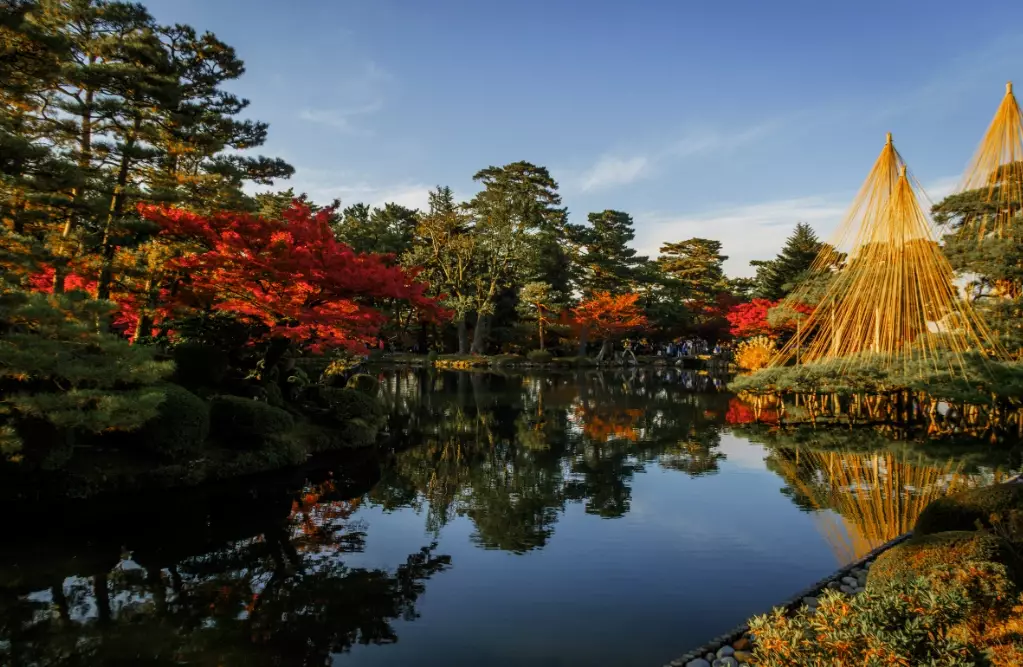
Day 1: Follow the 1-Day Plan above, but end your day at the museum a bit earlier, say by 5:00 PM. Then, head to the Omicho Market area for dinner. The market itself closes in the afternoon, but the surrounding streets are full of excellent restaurants that stay open late.
Day 2: This is where we branch off from the typical tourist path.
- Morning: Visit the D.T. Suzuki Museum. This is a dedicated museum to the famous Zen scholar D.T. Suzuki. It's a quiet, contemplative space that most tourists skip. But it gives you a profound insight into Japanese Zen thought and its global influence. It opens at 9:30 AM. Admission is 510 yen for adults. It's located at 3-4-20 Honda-machi, Kanazawa. Take the bus from Kanazawa Station to 'Honda-machi' stop and walk 5 minutes.
- Afternoon: Choose your own adventure.
- Option A (The Craft Lover): Go to the Kanazawa Yasue Gold Leaf Museum (a working museum where you can see gold leaf being applied). Then, take a short bus ride to the Kutaniyaki Pottery Village and try your hand at painting a piece yourself (reservations usually required a day in advance).
- Option B (The Foodie): Take a cooking class focused on local Kanazawa cuisine. I've used one called 'Washoku Lab' several times. They offer a morning market tour followed by a cooking class where you learn to make several local dishes. It's a bit touristy, but the instructors are excellent, and you get to eat your creations for lunch. It costs around 8,000 yen per person and lasts about 3.5 hours. Book online.
- Option C (The History Buff): This is my personal favorite. Visit the Myoryuji Temple (also known as the 'Ninja Temple'). It's not actually a ninja temple, but it's famous for its deceptive architecture designed to look like a single-story building from the outside while hiding multiple floors inside. It was built to protect the lord from attackers. The tour (in Japanese, but with excellent English audio guides) lasts about 40 minutes. It's a bit out of the way but worth it for the unique history.
Food Guide: What to Eat in Kanazawa
Let's get specific. You're hungry. What do you eat? I'm going to give you a list of dishes, but more importantly, where to find the best versions of them according to local opinion, not just tourist ratings.
Must-Try Dishes (And Where to Find Them) - Continued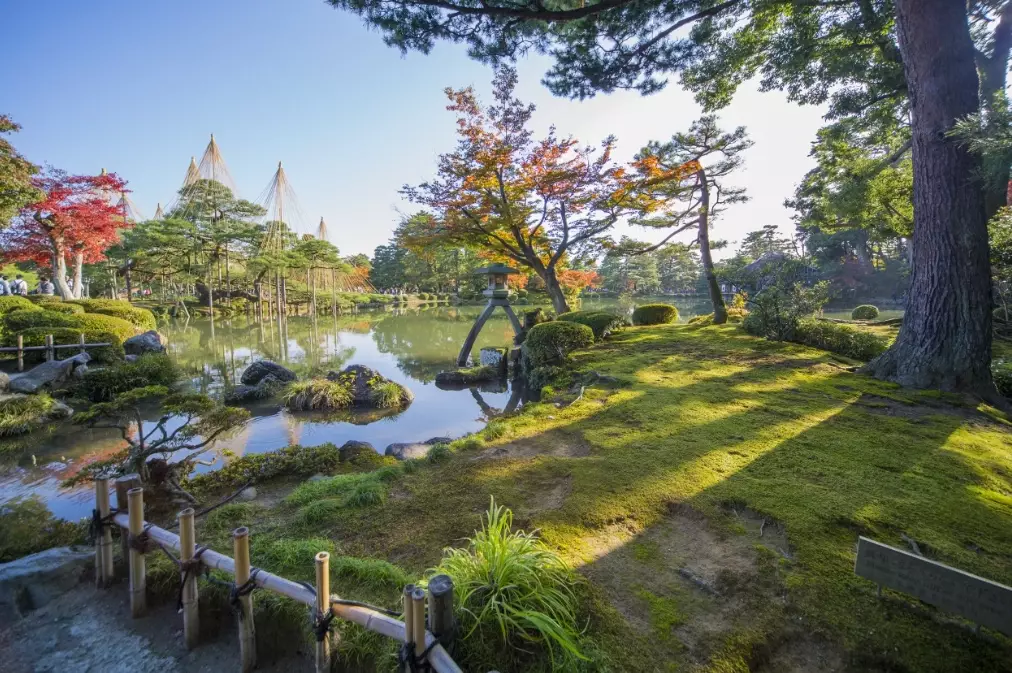
Oden: This is a Japanese winter comfort food, a type of hot pot. But in Kanazawa, it's a bit different. The local style uses a lighter, soy-based broth and features specific ingredients like Kanazawa-age (a type of fried fish cake) and Gobo (burdock root). You'll find it at small, specialized oden shops that are often standing-room only. They open late, around 5:00 PM, and run until late. My favorite is a tiny place with only six seats. It's not for everyone, but if you can get a seat, it's an experience. The address is 1-2-3 Omicho, Kanazawa. A bowl of oden will cost you between 300 and 600 yen per piece.
Sushi: Of course, you'll have sushi. But the Kanazawa style of sushi is distinct. It's often pressed sushi (oshizushi) or involves local fish like Blackthroat seaperch (Nodoguro). The best sushi I've had in my life was at a tiny, 8-seat counter tucked away in a basement. The chef is a master of his craft, and the meal cost me over 20,000 yen. It was worth every penny. But you can get excellent sushi for much less. Look for places that have a high turnover of locals at the counter during lunch. That's usually a good sign.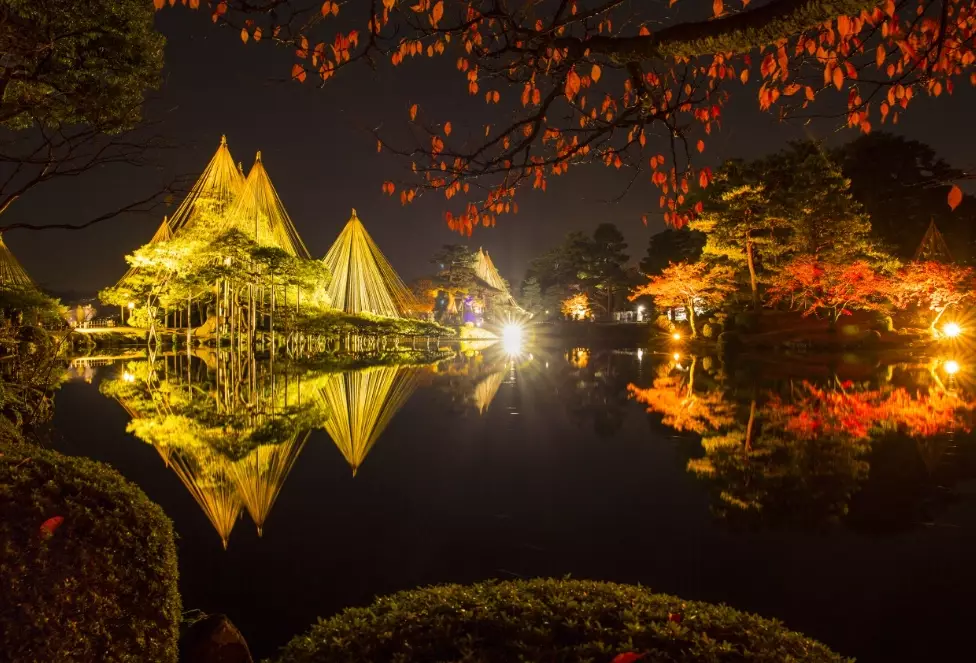
Where to Stay in Kanazawa: A Range of Options
Accommodation in Kanazawa ranges from traditional ryokans (Japanese inns) to modern business hotels. Here's a quick breakdown of what to expect in different areas and price points based on my personal stays and research.
| Area | Best For | Atmosphere | Price Range (Night) | My Personal Top Pick & Why |
|---|---|---|---|---|
| Kanazawa Station Area | First-time visitors, convenience | Modern, bustling | ¥8,000 - ¥20,000 | Hotel Nikko Kanazawa - Yes, it's a chain. But the location right next to the station is unbeatable for early departures or late arrivals. The rooms are spacious by Japanese standards, and the service is impeccable. |
| Higashi Chaya District | Atmosphere, traditional feel | Quaint, historic | ¥12,000 - ¥40,000+ | A Ryokan Called Sumiyoshiya - This is a splurge. A traditional ryokan with exquisite gardens and kaiseki meals included. You're paying for an experience, not just a room. I've stayed here once, and it's memorable. |
| Korinbo Area | Foodies, nightlife | Lively, central | ¥9,000 - ¥18,000 | Dormy Inn Kanazawa - This is my go-to mid-range choice. It's a business hotel chain, but this particular one has a fantastic public bath (onsen) on the top floor with a view of the city. The breakfast buffet is also surprisingly good for a hotel in this category. |
| Saigawa Area | Peace and quiet, riverside | Relaxed, scenic | ¥10,000 - ¥25,000 | Umenohan - Another ryokan, but this one is smaller and more intimate. The service is incredibly personalized. It's further from the station but within walking distance of the Kenrokuen Garden area. |
Let me be clear: I don't recommend staying right next to the station unless you have a very early train. It's noisy and lacks character. The Korinbo area is a much better base for exploring on foot.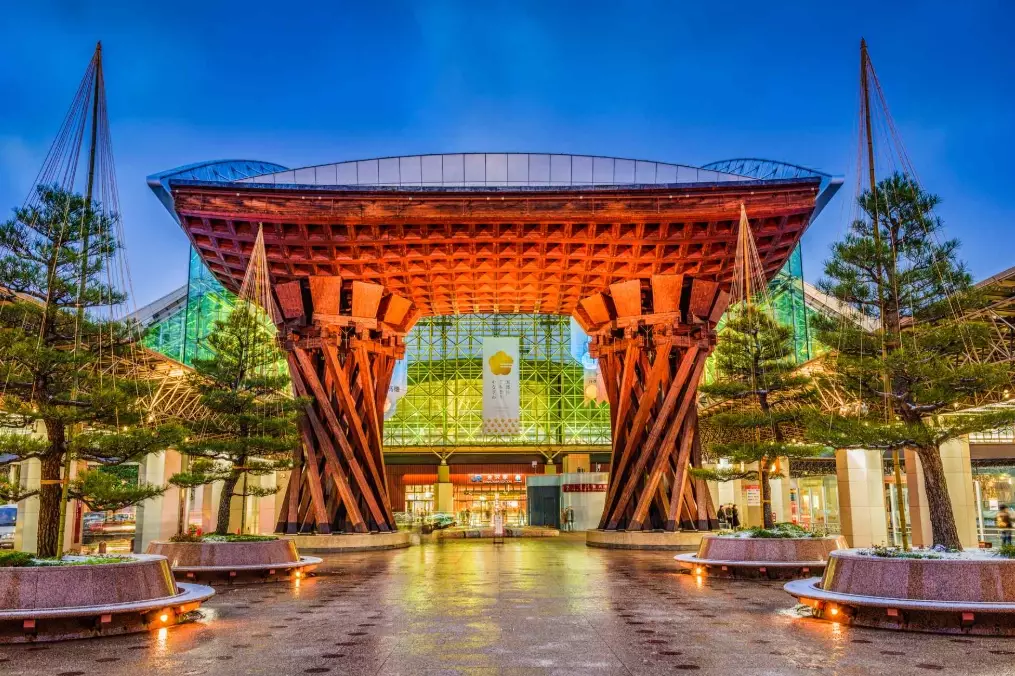

Comments