Explore the Guide
- From Edo to Now: The Beating Heart of the Kawagoe Festival
- The Main Event: A Closer Look at the Dashi Floats
- Planning Your Visit: The When, Where, and How
- Beyond the Parade: The Full Kawagoe Matsuri Experience
- Your Practical Kawagoe Matsuri Survival Guide
- Common Questions Answered (The Stuff You Actually Want to Know)
- Wrapping It Up: Why This Festival Sticks With You
Let's be honest. When you think of Japanese festivals, your mind probably jumps to Kyoto's Gion Matsuri or Sendai's Tanabata. But tucked away in Saitama, just a stone's throw from Tokyo's relentless buzz, there's a celebration that doesn't just put on a show—it throws open the doors to the 17th century. That's the Kawagoe Matsuri for you. I stumbled upon it almost by accident a few years back, expecting a pleasant afternoon and instead getting completely swept up in what felt like a living, breathing Edo-period scroll.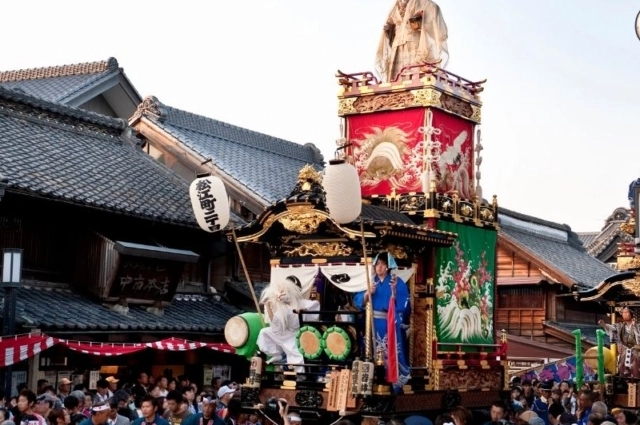
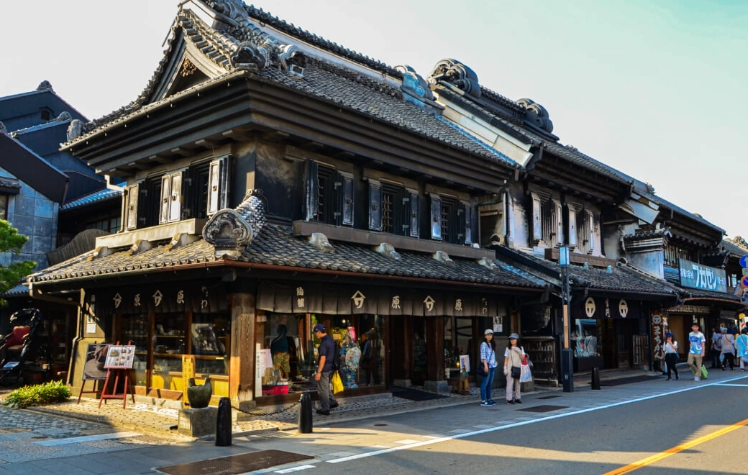
The air hums differently here during the festival. It's not just the chatter of the crowd or the rhythmic beat of the drums. It's the sheer, palpable weight of history in motion. We're talking about ornate, multi-ton wooden floats—dashi—being muscled through narrow streets by teams of men in happi coats, each float crowned with intricate mechanical puppets that seem to defy gravity and logic. The whole city of Kawagoe, famously nicknamed "Little Edo" for its preserved warehouse district, becomes the stage. And you're not just a spectator; you're part of the procession.
So, what exactly is the Kawagoe Matsuri? At its core, it's the annual autumn festival of Kawagoe's Hikawa Shrine, with a history stretching back over 360 years. Its main event is the parade of these magnificent, competition-grade festival floats. In 2005, its significance was nationally recognized when it was designated as an Important Intangible Folk Cultural Property of Japan. You can read more about this official designation on the Agency for Cultural Affairs website.
I remember standing on my toes, trying to peer over a sea of heads, when the first float turned the corner. The detail was insane. Gold leaf, lacquer, carvings of dragons and gods—it was like a museum piece had decided to go for a walk. And then the puppeteer on top made a samurai doll draw its sword, and the crowd just erupted. That's the magic. It's not behind glass. It's right there, creaking and swaying, a testament to centuries of unwavering community craftsmanship.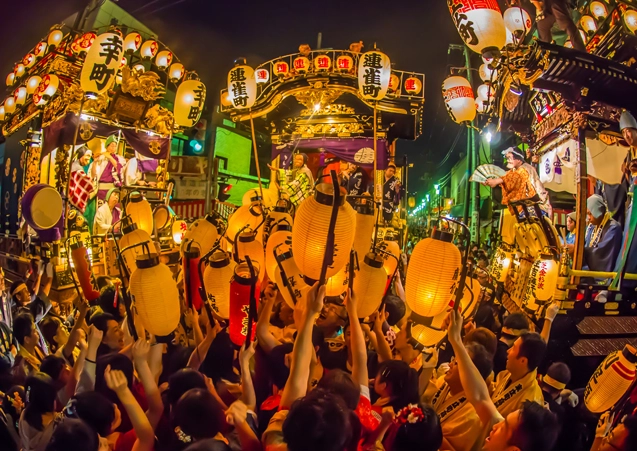
From Edo to Now: The Beating Heart of the Kawagoe Festival
To get why the Kawagoe Festival feels so different, you gotta dig into its roots. It started in the mid-1600s, a time when Kawagoe was a major commercial hub under the Tokugawa shogunate. The lord of Kawagoe Castle was a big deal, and the festival was partly a display of the town's wealth and loyalty to the shogun in distant Edo (old Tokyo).
The floats themselves are the ultimate symbol of this. Each one is owned and maintained by a specific neighborhood, or chōnai. This isn't a city council project. This is generational pride. Fathers pass down the roles of pulling, drumming, and puppeteering to their sons. The friendly rivalry between neighborhoods to have the most impressive float, the loudest music, or the most energetic pullers is what fuels the festival's raw energy. You can feel that local pride in every shouted command and every synchronized heave on the ropes.
It's this deep community ownership that saved the festival through wars and modernization. While many Japanese festivals simplified or faded, Kawagoe doubled down on tradition. The floats got more elaborate, the puppetry more sophisticated. Today, they're not just relics; they're the star performers. The official Kawagoe City website has a fantastic history section that really outlines how the festival evolved alongside the city itself.
The Main Event: A Closer Look at the Dashi Floats
Alright, let's talk about the rockstars: the dashi. Calling them "floats" almost feels insulting. They're massive, two-storied wooden towers on giant wheels. During the Kawagoe Matsuri, you'll see two types parading: the Miyoshi Dashi and the Shinme Dashi. The Miyoshi ones are the real show-offs, famous for their hikizuri—the breathtaking mechanical puppet performances on the top level.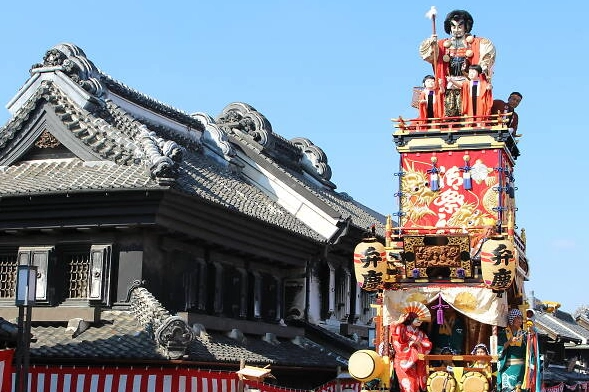
Watching the puppeteers work is a masterclass in hidden effort. Up to three operators are tucked inside the float's upper structure, completely out of sight. Through a system of ropes, levers, and sheer skill, they bring large, elaborately costumed puppets to life. One moment a puppet is sitting calmly; the next, it's performing a dramatic sword fight, flipping, or even transforming into a different character. The mechanics are entirely human-powered and have been perfected over hundreds of years. It's pure, analog magic.
What Makes Each Float Unique?
No two floats are the same. Each neighborhood invests its identity into its dashi.
- The Carvings & Decor: Look closely at the panels. You'll see scenes from Japanese mythology, Chinese folklore, or historical battles. The woodwork is often gilded or covered in brilliant lacquer.
- The Puppet Theme: Each float has a signature puppet performance. One might showcase a legendary hero like Momotaro (Peach Boy), while another might feature a graceful celestial maiden.
- The Hayashi Music: Each float has its own troupe of musicians playing flutes, drums, and bells. The rhythm is infectious and dictates the pace for the pullers. The sound is a constant, driving heartbeat throughout the festival grounds.
My personal favorite? The float that features a puppet who does a full somersault. You hear the crowd gasp every single time. It looks impossible.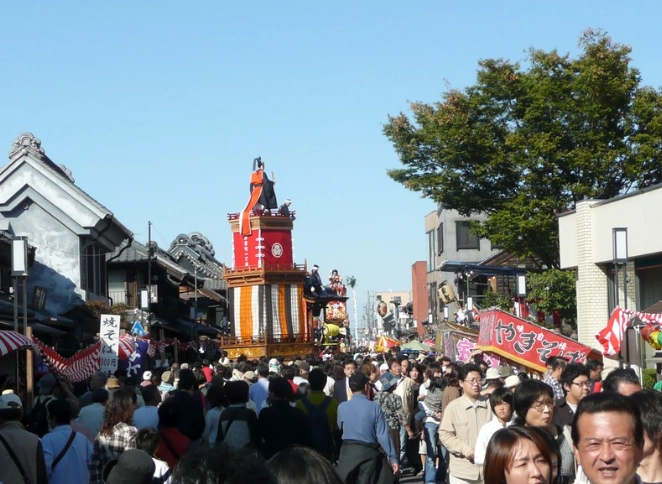
Planning Your Visit: The When, Where, and How
This is where most guides just list dates and a station name. Let's get practical. The festival is held on the third Saturday and Sunday of October every year. The main float parades (dashi hikitate) happen on both days, usually starting in the early afternoon (around 1 PM) and going until evening.
Pro-Tip for Beat-the-Crowd Viewing: Everyone clusters on the main drag, Kura no Machi (Warehouse Street). It's iconic, but it gets shoulder-to-shoulder. For a more relaxed (and often closer) view, find a spot on one of the side streets where the floats turn or pause to perform. You'll see the puppetry up close without the insane press of people. The area around the Kawagoe Hikawa Shrine is also a great alternative, offering a more traditional shrine-festival atmosphere.
Getting There: Your Transport Options
Kawagoe is incredibly accessible from Tokyo. Here’s a quick breakdown of the best ways to get there, because your choice can affect your whole day.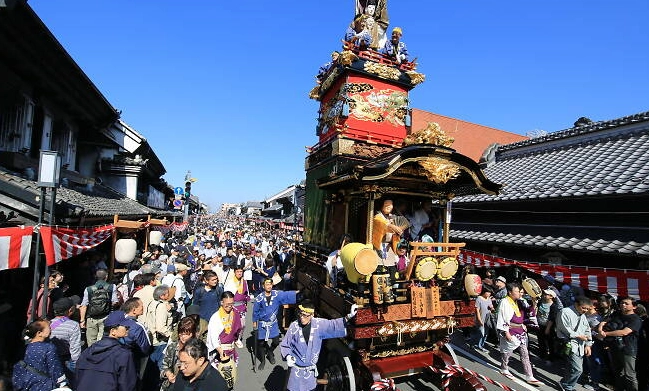
| Route | From (Tokyo) | Approx. Time | Cost (One Way) | Why Choose It? |
|---|---|---|---|---|
| Tobu Tojo Line (Express) | Ikebukuro Station | 30 mins | ¥500 | Fastest & most direct. Drops you at Kawagoe Station, a 15-min walk to the action. |
| JR Saikyo/Kawagoe Line | Shinjuku Station | 60 mins | ¥780 | Good if you're near Shinjuku. Uses JR Pass if you have one. |
| Seibu Shinjuku Line | Seibu Shinjuku Station | 70 mins | ¥550 | Budget option. Ends at Hon-Kawagoe Station, right in the old town. |
My advice? Take the Tobu Line from Ikebukuro. On festival days, trains are packed, so go early (like, late morning) to avoid the worst of the rush. The walk from Kawagoe Station is part of the fun—you'll pass food stalls gearing up, see people in festival garb, and feel the anticipation build.
Heads Up on Accommodation: If you're thinking of staying overnight, book months in advance. Hotels in Kawagoe and nearby cities like Saitama sell out incredibly fast. Most visitors, myself included, just make it a long day trip from Tokyo. It's totally doable.
Beyond the Parade: The Full Kawagoe Matsuri Experience
The float parade is the headliner, but the Kawagoe Festival is a multi-sensory feast. If you just watch the floats and leave, you're missing half the fun.
Food Stall Heaven (Yatai Galore)
The streets are lined with yatai food stalls. This isn't just your average fair food. Sure, you've got classics like takoyaki and yakitori. But you also get local Saitama specialties and festival-only treats.
Don't miss the Kawagoe sweet potato everything—ice cream, pies, even beer. The unagi (eel) from nearby old restaurants is also a famous Kawagoe delicacy. Grab some food, find a curb or a side alley, and have an impromptu picnic while people-watching. It's the best.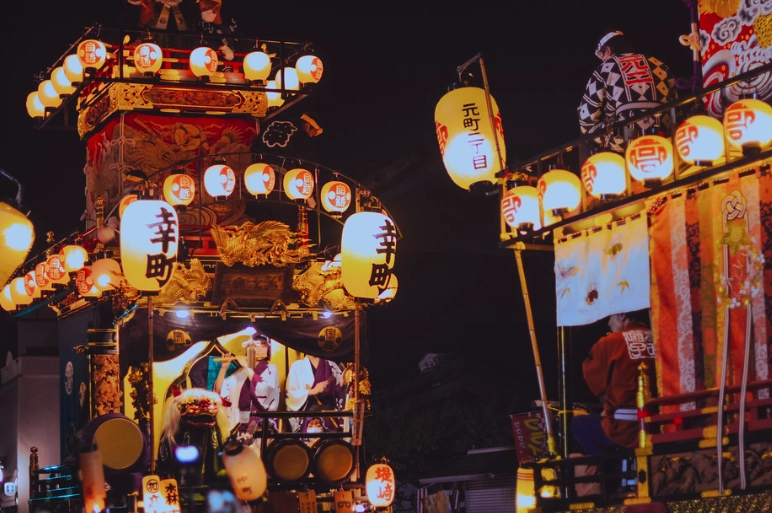
Evening Atmosphere & Hikizuri
As the sun sets, the festival transforms. Many of the floats are fitted with dozens of traditional paper lanterns (chōchin). Lit up against the twilight sky, they look even more majestic and ghostly, like something from an ancient painting.
This is also when some of the most special hikizuri (puppet performances) take place. Seeing the puppets move in the lantern light, with the drums echoing in the dark, is an utterly unforgettable experience. The mood shifts from daytime excitement to a more profound, almost spiritual celebration.
Your Practical Kawagoe Matsuri Survival Guide
Let's get down to brass tacks. Here’s my no-nonsense list of things to know before you go, born from a few lessons learned the hard way.
- Cash is King: Almost no food stalls or small vendors accept credit cards. Load up on yen before you get to Kawagoe. ATMs near the station will have long lines.
- Wear Sensible Shoes: You will be standing and walking on cobblestones and packed earth for hours. Leave the fashion sneakers at home. Think comfort and support.
- Pack Light & Layer Up: October weather in Saitama can be fickle. Sunny and warm afternoons can turn into chilly evenings. A light jacket or sweater you can tie around your waist is perfect.
- Public Toilets: There are public toilets marked on maps, but expect lines. The major stations (Kawagoe, Hon-Kawagoe) have clean facilities. Using one before you dive deep into the crowd is a smart move.
- Trash Disposal: Japan is spotless, but public trash cans at festivals are rare. Vendors will usually have a small bin for the waste from their own food. It's a good idea to bring a small plastic bag to hold your own trash until you find a disposal point.
Oh, and about the crowds. They are intense, especially along the main route. If you have young kids or dislike very tight spaces, plan your viewing spot strategically using the tip earlier. It makes all the difference.
Common Questions Answered (The Stuff You Actually Want to Know)
Wrapping It Up: Why This Festival Sticks With You
I've been to a lot of festivals in Japan. Some are prettier, some are wilder. But the Kawagoe Matsuri has a gritty, authentic soul that's harder to find these days. It's not a performance put on for tourists. It's a town's annual heartbeat, a physical manifestation of its history and community spirit. You smell the wood of the floats, feel the thump of the drums in your chest, and taste history in a sweet potato croquette.
It's loud, it's crowded, your feet will hurt. But when you see those lanterns glow at night and hear the collective shout of the pullers as they navigate a tight corner, you'll get it. You're not just watching a festival; you're witnessing a living tradition that has stubbornly, beautifully, survived into the 21st century. And that's something truly special.
So, mark the third weekend of October on your calendar. Hop on that train from Tokyo. Dive into the crowd. Let yourself be carried away by the rhythm of the Kawagoe Festival. Just remember your comfy shoes.


Comments