Explore Yamagata: A Quick Guide
You know Tokyo's neon, Kyoto's temples, and Osaka's street food. But when someone asks "What is Yamagata Japan known for?", you might draw a blank. Let's fix that. Having spent a good chunk of time wandering its backroads and sitting in its onsen (hot springs), I can tell you Yamagata is Japan's best-kept secret for a reason. It's not a place that shouts. It whispers. And what it whispers about are cherries so good they feel illegal, mountains that look like monsters in winter, and a slow, deep sense of history you can actually touch.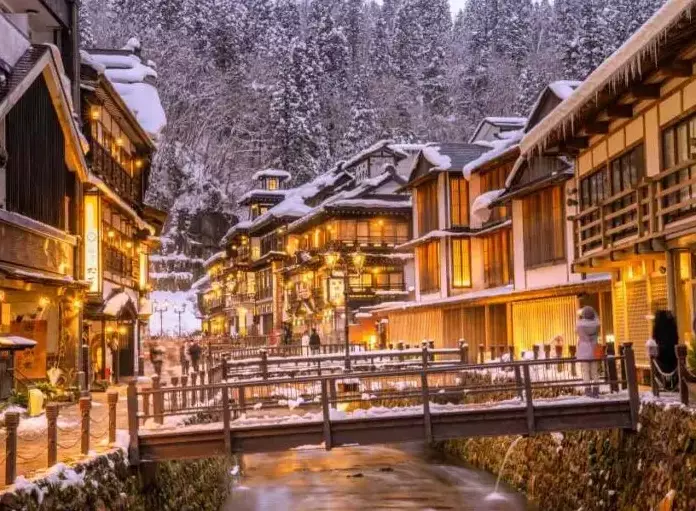
Located in the Tohoku region in northern Honshu, Yamagata Prefecture is often bypassed by the bullet train rush to more famous spots. That's the first thing to get straight – its relative obscurity is part of its charm, but also a shame because people miss out on so much. We're talking about a place that produces nearly 70% of Japan's cherries, has some of the country's most revered (and secluded) mountain temples, and offers skiing that rivals Hokkaido but with half the crowd. So, if you're tired of the same old Japan itinerary, stick around.
The Food: Yamagata's Delicious Claim to Fame
Let's start with the stomach, because honestly, for many, food is the main event. When you dig into what Yamagata Japan is known for, the conversation begins and often ends with its fruit. The crown jewel? Cherries. Not just any cherries, but the Satonishiki variety. They're a different beast. Smaller than the giant American ones, but with a flavor concentration that's absurd – perfectly balanced between sweet and tart, with a firm, juicy pop. The prefecture's climate, with sharp temperature swings between day and night, is the magic trick. The best place to experience this is in the town of Higashine, the self-proclaimed "Cherry Kingdom." You can pick your own in season (early to mid-June), which is an experience I highly recommend, even if you end up eating more than you put in the basket. Guilty as charged.
A local farmer once told me, "We don't grow cherries for size, we grow them for the soul of the flavor." After tasting a handful fresh from the tree at 7 AM, I finally understood what he meant.
But it's not a one-fruit show. Yamagata is also a top producer of pears (La France pears are a big deal here) and grapes. The Yonezawa region is particularly famous for its grape varieties used in local wine. Speaking of Yonezawa, that brings us to the second heavyweight: Yonezawa Beef. It's often mentioned in the same breath as Kobe and Matsusaka, but it has a distinct character. The marbling is exquisite, sure, but many connoisseurs argue it has a richer, more robust beef flavor. A simple steak or sukiyaki here is a religious experience for meat lovers. Is it better than Kobe? That's a fight I won't start, but it's certainly less hyped and often better value for the quality.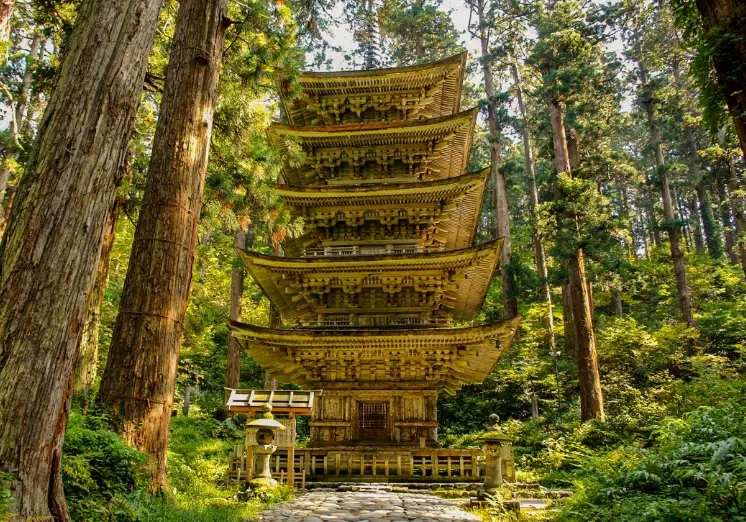
Now, for the everyday eats, the stuff you'll find in local joints. Imoni is a must. This is a hearty, autumnal taro root stew cooked in a giant pot outdoors, usually by a river. It's a communal, messy, and utterly delicious tradition. Then there's Dashi – no, not the soup stock. In Yamagata's Shonai region, it refers to a plate of cold, steamed vegetables and wild plants served with a savory walnut or sesame miso paste. It's refreshing and complex. And you can't leave without trying Ramen. Yamagata City's style is a hearty, soy-sauce based broth with thick, curly noodles. It's designed to warm you up in the cold winters, and it does the job perfectly.
The Onsen (Hot Springs): Soaking in Scenic Bliss
If food is Yamagata's joy, then its onsen are its soul-soothing remedy. The prefecture is volcanic, which means hot, mineral-rich water is plentiful. What sets Yamagata's hot springs apart is their settings. You're not just sitting in a tile tub in a hotel basement.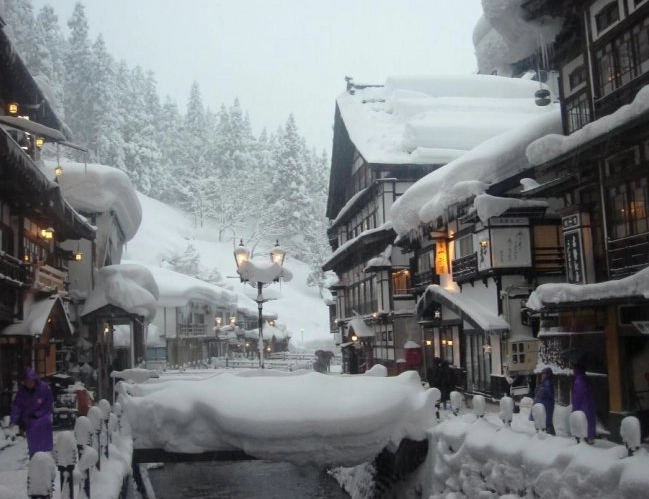
Take Ginzan Onsen, for example. This place looks like it fell out of a Studio Ghibli film, and I don't say that lightly. A narrow valley lined with 3-4 story wooden ryokans from the Taisho and early Showa eras, all lit by gas lamps at night. A single river runs through the middle. There are no cars. It's quiet, misty, and feels utterly frozen in time. The downside? It's become quite famous from photos, so day-trippers can crowd the single street. To really experience it, you must stay overnight. Wandering the lantern-lit streets after the buses leave is magical. The actual hot spring water here is sulfate-rich, good for nerve and muscle pain.
Then there's Tendo Onsen, known for its unique "footbath cruise" where you soak your feet while floating down a moat in a boat. It's as quirky and fun as it sounds. For a more rugged, mountain-centric experience, Atsumi Onsen and Amarume Onsen offer stunning outdoor baths (rotemburo) with views of forests and rivers. The water in these areas tends to be simple thermal, gentle on the skin.
My personal favorite was a small, family-run inn in the mountains near Zao. Nothing fancy. But the outdoor bath overlooked a rushing stream, and in the morning, I shared it only with a few crows in the trees. That feeling of isolation and natural harmony is what Yamagata's onsen culture does best.
The Nature & Mountains: From Winter Monsters to Summer Hikes
Yamagata's spine is the Ou Mountains, and they dictate the rhythm of life here. They're the source of the water, the onsen, and the weather. And they provide the stage for Yamagata's most iconic natural spectacle: the Zao Snow Monsters (Juhyo).
The first time you see the Juhyo, it's eerie. These aren't cute snowmen. They're towering, twisted, wind-sculpted figures of ice-encrusted fir trees on Zao Mountain's summit. At night, they're lit up in shifting colors. It's surreal, almost alien.
These "monsters" are formed by the relentless winter winds from Siberia dumping moist air that freezes directly onto the trees. You can see them up close by taking the Zao Ropeway. It's a major winter draw, and for good reason. But Zao isn't just a winter wonderland. The same mountains offer fantastic hiking in summer and autumn, with the Okama Crater, a stunning emerald-green volcanic lake, as a key destination. The colors of the lake change with the weather and light – it's nicknamed the "Five-Color Pond."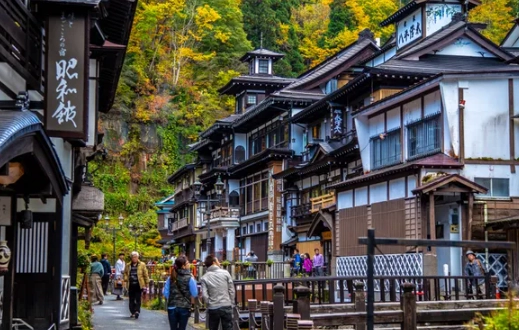
Beyond Zao, the Three Mountains of Dewa (Dewa Sanzan) – Mount Haguro, Mount Gassan, and Mount Yudono – are the sacred heart of the prefecture. They represent birth, death, and rebirth in the Shugendo mountain asceticism tradition. Mount Haguro is the most accessible year-round, famous for its 2,446 stone steps leading through an ancient cedar forest to a stunning five-story pagoda and the summit shrine. Walking that path, surrounded by moss and giants of wood, is a meditative experience. It's a core part of understanding what Yamagata Japan is known for spiritually.
Mount Gassan has the longest ski season in Japan (summer skiing!), but is a serious hike. Mount Yudono is the most sacred and secretive; photography is forbidden at its main shrine, which is built around a sacred, red-tinted river and rock. Visiting these mountains isn't just sightseeing; it's a pilgrimage.
Yamagata's Top Natural Attractions at a Glance
| Attraction | Best Season | Key Experience | Access & Notes |
|---|---|---|---|
| Zao Juhyo (Snow Monsters) | Mid-Jan to Late Feb | Ropeway ride, night illumination, skiing amidst the monsters. | Access from Zao Onsen. Can be extremely cold/windy. Check snow conditions. |
| Okama Crater (Zao) | Late May to Early Nov | Hiking, viewing the multi-colored crater lake. | Reachable by ropeway/bus in season. Hiking trails vary in difficulty. |
| Mount Haguro | All year (snowy in winter) | Hiking the stone steps, visiting the Goju-to Pagoda, experiencing Shugendo culture. | Base is Tsuruoka City. You can climb the steps or take a bus partway. |
| Ginzan Onsen River Valley | All year (Snow is magical) | Scenic walks, historic ryokan architecture, onsen soaking. | No cars in the main area. Overnight stay recommended to avoid crowds. |
| Mogami River Boat Ride | Spring to Autumn | Traditional wooden boat cruise through scenic gorges. | Departs from near Yamadera station. The "Basho Course" follows the poet's journey. |
The Culture & History: Temples, Castles, and a Poet's Path
Beyond the mountains and food, Yamagata's cultural fabric is rich and a bit rough around the edges, which I love. The most famous single site is probably Yamadera (Risshakuji Temple). Literally "mountain temple," it's a complex of halls and temples clinging precariously to a sheer cliff face. Climbing the 1,000+ steps through the cool, dense forest is a workout, but the view from the top, overlooking the valley, is the reward. The poet Matsuo Basho visited here and wrote his famous haiku about the silence. You'll feel that profound quiet, even with other tourists around. Go early in the morning to beat the crowds and hear the temple bells clearly.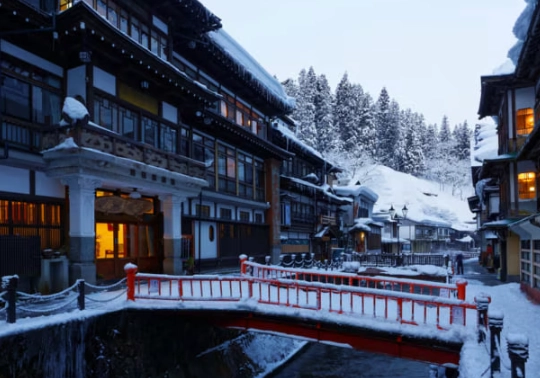
Standing on the observation platform at Yamadera, I understood why Basho was struck silent. It's not a pretty-pretty view. It's vast, lonely, and puts your own smallness into sharp, beautiful focus.
In the city of Tsuruoka, you'll find the Chido Museum, which houses an impressive collection of artifacts from the Dewa Sanzan and the region's history. It's a great primer before heading to the mountains. For castle enthusiasts, Yamagata Castle Park (Kajo Park) in the city center is a pleasant spot. The castle grounds are lovely, especially during cherry blossom season, but don't expect a grand keep like Himeji – the main tenshu is gone, with a replica museum in its place. It's more about the atmosphere and the history of the Mogami clan, who ruled the area.
Yamagata also has a strong folk craft tradition. Yamagata Ironware (Yamagata Imono) is known for its elegant, simple tea kettles and vases. Hirashimizu pottery has a distinctive earthy, rustic style. Look for these in local craft shops or the Yamagata Folk Craft Museum.
Practical Guide: Getting Around & When to Visit
Alright, so you're interested. How do you actually do it? First, getting there. The easiest way is by Shinkansen (bullet train) from Tokyo to Fukushima Station, then transfer to the Yamagata Shinkansen line which goes directly to Yamagata City. The whole trip takes about 2.5 to 3 hours. You can also fly into Yamagata Airport (mostly domestic flights) or Shonai Airport.
Now, the tricky part: getting around. While cities like Yamagata and Tsuruoka are manageable by bus and taxi, to really explore the mountains, onsen towns, and rural areas, renting a car is highly, highly recommended. Public bus services to remote areas like Ginzan Onsen or some trailheads can be infrequent, especially outside peak season. Having a car gives you the freedom to discover those hidden spots that truly answer the question what is Yamagata Japan known for – the quiet village, the unmarked roadside fruit stand, the secluded temple.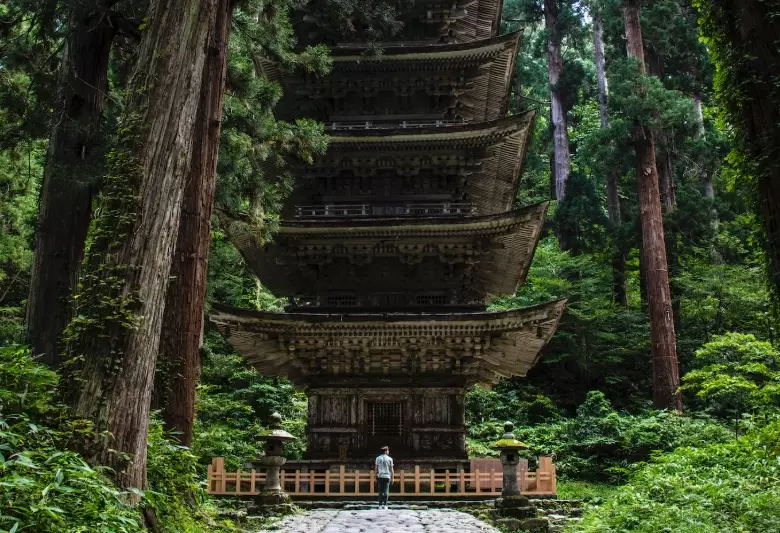
When to visit? It depends on what you want.
- Winter (Dec-Feb): For the Snow Monsters, skiing/snowboarding at Zao or Gassan, and the magical sight of Ginzan Onsen in the snow. It's cold, seriously cold.
- Spring (Apr-May): Cherry blossoms in Kajo Park and elsewhere. Late spring is lovely for hiking before the humidity.
- Summer (Jun-Aug): Cherry picking season! Also great for hiking in the highlands (escape the lowland humidity), and summer festivals like the Yamagata Hanagasa Festival. Gassan for summer skiing.
- Autumn (Sep-Nov): My personal favorite. Stunning fall foliage, especially in the mountains around Zao and Dewa Sanzan. Perfect weather for hiking and outdoor onsen. The Imoni taro stew festivals are in full swing.
Common Questions About Yamagata (The Stuff You Actually Want to Know)
Is Yamagata worth visiting, or should I just go to Sendai?
Sendai is a great, vibrant city. But it's a city. Yamagata is the countryside, the mountains, the deep culture. If you want urban energy, Sendai. If you want nature, serenity, and deep-dive cultural experiences, Yamagata wins hands down. They complement each other well on a longer Tohoku trip.
How many days do I need in Yamagata?
A rushed highlights tour (Yamadera, Ginzan Onsen day trip, a taste of the city) can be done in 2 days. To do it any justice, give yourself at least 3-4 full days. This allows time for one mountain area (like Zao or Dewa Sanzan), an onsen town overnight, and some exploration of the food scene without constantly packing/unpacking.
Is it family-friendly?
Yes, but with planning. Fruit picking, the Zao Ropeway, and outdoor activities are great for kids. However, some hikes (like the full Dewa Sanzan pilgrimage) are strenuous. The relaxed pace and open spaces are a plus for families tired of crowded cities.
What's the budget like?
Generally cheaper than Tokyo/Kyoto. Local meals are affordable, and mid-range ryokans offer incredible value compared to tourist hubs. The main expense might be car rental. You can splurge on a high-end ryokan with kaiseki meals or travel very modestly.
When people ask what is Yamagata Japan known for, it's not about one single iconic postcard. It's about a combination of intense, specific pleasures: the crunch of a perfect cherry, the ache in your legs from climbing stone steps to a cliffside temple, the shock of cold mountain air on your face as you step into a steaming outdoor bath, the eerie beauty of frozen tree monsters. It's a prefecture that demands a bit more effort to reach and explore, but pays you back tenfold in authentic, unforgettable experiences. It's the Japan you dream of finding once you've seen the famous spots. It's waiting.
For official travel information, routes, and up-to-date event calendars, the Yamagata Prefectural Tourism Association website is an indispensable resource. It's well-maintained and has solid English content: Yamagata Official Travel Guide. Also, for serious hikers or those interested in the Dewa Sanzan, the Dewa Sanzan Tourism Association site has detailed, essential information on access, trails, and shrine etiquette.
Go. Eat the cherry. Climb the mountain. Soak in the spring. You won't regret it.


Comments