Quick Navigation
- The Undisputed King: Shizuoka Green Tea
- The Postcard Icon: Mount Fuji Views
- A Food Lover's Secret Weapon: Incredible Seafood & Local Cuisine
- Hot Springs (Onsen) Galore: The Izu Peninsula
- The Manufacturing Powerhouse (The Surprising Stuff)
- History and Culture Beyond the Obvious
- The Natural Beauty Beyond Fuji
- Theme Parks & Family Fun
You know, when people ask me about traveling in Japan, Tokyo and Kyoto usually steal the show. But then someone goes, "Hey, what about Shizuoka?" And that's when the fun begins. Because honestly, trying to answer "what is Shizuoka famous for" in one sentence is like trying to describe a full-course meal by just talking about the appetizer. You can't do it justice.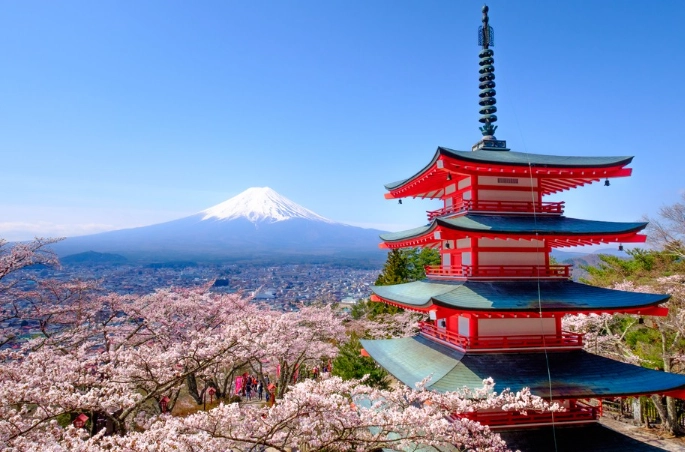
I remember my first time passing through on the bullet train, catching a glimpse of that iconic mountain and endless green fields. I made a mental note to come back. And I did. Several times. So let's ditch the generic travel brochure talk and dig into what really makes this place tick, what it's genuinely famous for, beyond the postcard images.
The Core Answer: If you held a gun to my head and forced a one-line answer to "what is Shizuoka famous for," I'd say: It's the home of Japan's best green tea, offers the country's most iconic views of Mount Fuji, and supplies incredible fresh seafood to the nation. But that's just scratching the surface. It's like calling a Swiss Army knife just a knife.
The Undisputed King: Shizuoka Green Tea
Let's start with the big one. If Shizuoka had a signature scent, it would be the fresh, grassy, slightly sweet aroma of steaming tea leaves. Over 40% of Japan's green tea comes from here. That's not just a statistic—you feel it. Drive through the countryside around Shimada or Kakegawa, and you see these beautiful, rolling tea fields, sometimes shrouded in mist, looking like something out of a painting.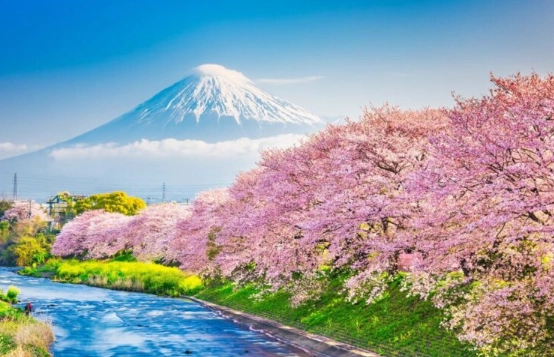
But here's the thing a lot of articles miss. It's not just about quantity. The flavor profile of Shizuoka tea is distinct. Thanks to the mineral-rich soil from Mount Fuji's volcanic past and the perfect climate (lots of rain, then sunny days), the tea develops a deep, full-bodied taste with a clean finish. It's less bitter than some other regional teas, which makes it a fantastic entry point for new green tea drinkers.
My personal ritual? I always bring back a bag of fukamushi-cha (deep-steamed tea) from a local farmer's market. It's steamed longer, which gives it a richer, more robust flavor and a cloudy appearance when brewed. Perfect for when you need a real wake-up call in the morning. Forget coffee.
Beyond the Cup: The Tea Culture Experience
So you want to know what Shizuoka is famous for? Tea is the anchor. But the experience is what you remember. You can visit working tea factories (many offer tours), where the smell is almost overwhelming in the best way possible. In places like the Shizuoka Tea Museum (run by the prefecture, solid info here), you can learn the history, see antique processing tools, and of course, taste different grades.
Then there's matcha. While Uji in Kyoto often gets the matcha crown, Shizuoka produces exceptional ceremonial-grade matcha too. I took a matcha-whisking workshop in Fujieda city, and the instructor was a third-generation tea master. The precision, the quiet focus—it was more meditative than any yoga class I've tried.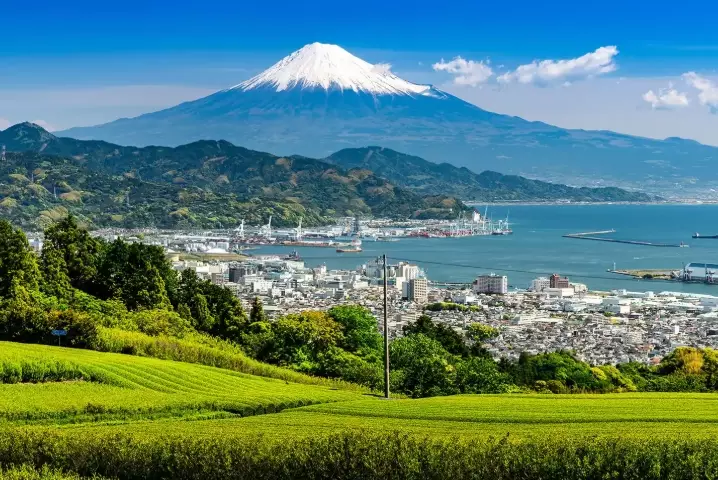
"In Shizuoka, tea isn't just a drink; it's the rhythm of the land, a daily ritual, and a point of quiet pride."
The Postcard Icon: Mount Fuji Views
Okay, this is the image everyone has. The perfect, symmetrical cone of Mount Fuji. What is Shizuoka famous for if not this view? But here's the insider take: Yamanashi Prefecture on the north side gets a lot of Fuji attention, but many seasoned photographers and locals will argue that some of the best views are from the Shizuoka side.
Why? The southern slopes descend directly toward the coast, creating dramatic landscapes where Fuji seems to rise from the plains or even the ocean itself. The most famous spot is probably the Miho no Matsubara pine grove, a UNESCO World Heritage component. Seeing Fuji across the water with the classic pine trees in the foreground… it's a view that hasn't changed for centuries.
But let me be real for a second. Fuji-san is famously shy. You can plan a whole trip around seeing it and get nothing but clouds. I've had that happen. Twice. It's frustrating. My advice? Give yourself multiple chances, especially at sunrise or from a high vantage point like the Nihondaira plateau.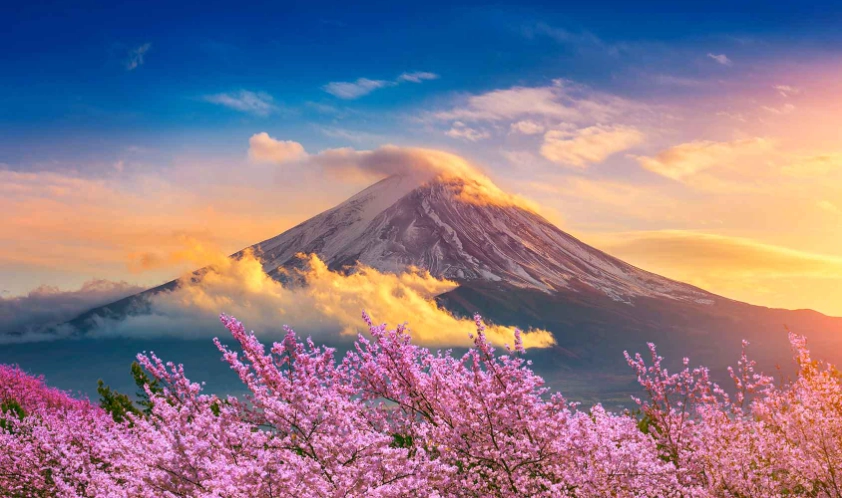
Climbing Fuji? The Yoshida Trail is in Yamanashi, but...
If you're asking "what is Shizuoka famous for" in the context of Mount Fuji, climbing might come up. The main Yoshida Trail starts in Yamanashi. However, three of the four official climbing routes start in Shizuoka: the Subashiri, Gotemba, and Fujinomiya trails.
The Fujinomiya Trail is actually the shortest route to the summit. It's steeper and rockier, so it's considered more for experienced hikers. The Gotemba Trail is the longest and has the lowest starting point, making it the most challenging. The Subashiri Trail is known for being less crowded and scenic, merging with the Yoshida Trail higher up.
| Fuji Climbing Trail (Shizuoka Side) | Starting Point | Key Characteristic | Best For |
|---|---|---|---|
| Fujinomiya Trail | Fujinomiya 5th Station | Shortest, steepest, rockiest ascent | Experienced hikers wanting a quick climb |
| Subashiri Trail | Subashiri 5th Station | Forest scenery, less crowded, merges with Yoshida | Hikers seeking a quieter, more scenic path |
| Gotemba Trail | Gotemba New 5th Station | Longest, largest elevation gain, volcanic landscape | Adventurous climbers wanting a serious challenge |
A crucial note: Always check the official Mount Fuji Climbing website for season dates, weather, and required preparations. The climbing season is brutally short, usually just July to early September.
A Food Lover's Secret Weapon: Incredible Seafood & Local Cuisine
This is where Shizuoka starts to feel like a local's secret. Stretched along the Pacific coast (Suruga Bay and the Izu Peninsula), it has access to some of Japan's richest fishing grounds. The cold and warm currents mix here, creating a seafood buffet.
So, what is Shizuoka famous for food-wise? Let's make a list, because lists are helpful.
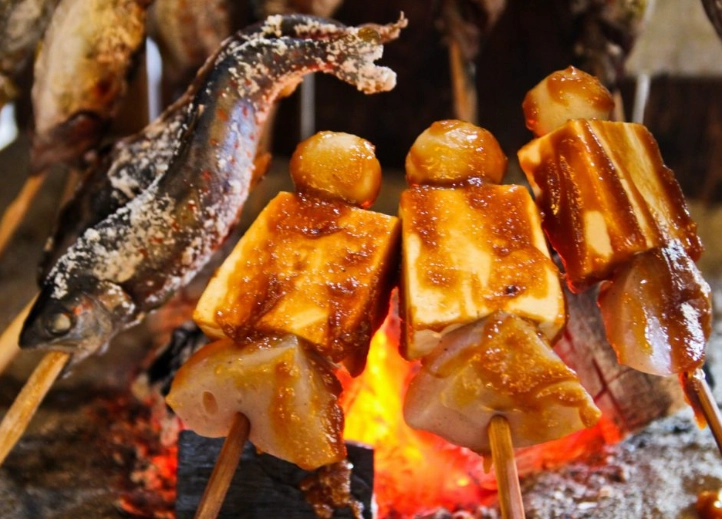
- Sakura Shrimp (Sakura Ebi): These are a big deal. Tiny, translucent pink shrimp caught in Suruga Bay, mostly in spring and autumn. They're sweet and crunchy. You eat them fresh as sashimi (a mind-blowing experience), dried, or boiled. The dried ones are like savory, shrimpy candy. I'm addicted.
- Fresh Tuna (Maguro): The port of Yaizu is one of Japan's top tuna landing ports. If you see super fresh, deep red tuna on a conveyor belt sushi in Tokyo, chances are it came through Yaizu the day before.
- Wasabi: Real wasabi, not the green horseradish paste most places serve. The Izu peninsula, especially the area around Utogi, has pristine spring water perfect for growing wasabi. Visiting a wasabi farm and grating the fresh rhizome onto soba noodles is a revelation—it's fragrant, complex, and spicy in a clean way that doesn't burn your sinuses.
- Izu Peninsula Seafood: Abalone (awabi), turban shell (sazae), and a variety of small, silvery fish. The coastline is dotted with small fishing villages where you can eat at a kappo (small counter restaurant) right by the water.
Local Tip: Head to the Shimizu Sushi-dori (Sushi Street) near Shimizu Port. It's a street lined with small sushi shops competing for the freshest catch. It's less formal and expensive than Tokyo's top spots, but the quality is insane because the fish is literally off the boat.
Hot Springs (Onsen) Galore: The Izu Peninsula
When people think of Japanese hot springs, they might think of Hakone or Beppu. But ask a Tokyo local where they go for a quick onsen getaway, and many will say Izu. The Izu Peninsula is a volcanic resort area jutting into the Pacific, and it's packed with hot spring towns, each with a different character.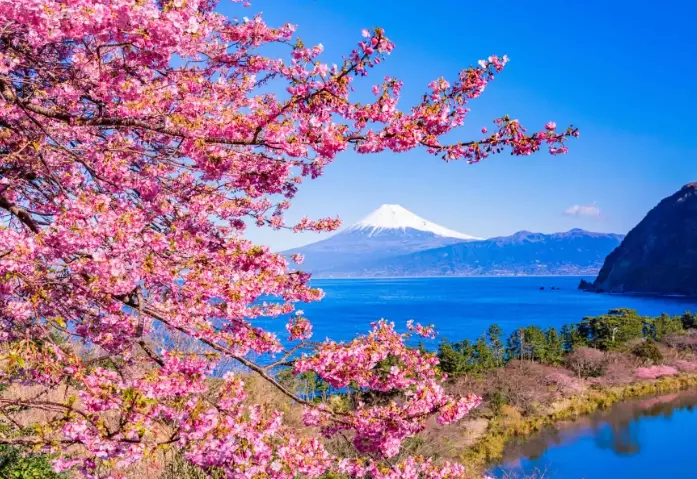
Atami is the classic, bustling resort town with big hotels and an old-school vibe. Shuzenji is quieter, more traditional, set along a beautiful river valley. Ito has a long history and countless ryokans. Then you have places like Dogashima, with its crazy coastal rock formations you can view while soaking in an open-air bath.
My personal favorite is a small, family-run ryokan in a lesser-known town. Nothing fancy, but the water was silky smooth, rich in minerals, and the view from the rotenburo (outdoor bath) was of a bamboo forest. That's the Izu magic—you can find your own little slice of hot spring paradise.
The Manufacturing Powerhouse (The Surprising Stuff)
This might not be the first thing on a tourist's mind, but it's a huge part of the answer to "what is Shizuoka famous for" in Japan. Shizuoka is a major industrial center. And I'm not talking about boring factories. I'm talking about cool stuff.
- Musical Instruments: Specifically, pianos and guitars. Yamaha and Kawai, two of the world's biggest piano manufacturers, were founded in Hamamatsu, Shizuoka. The city has a whole museum dedicated to musical instruments. The craft and precision required are mind-boggling.
- Motorcycles: Again, Hamamatsu. It's the birthplace of Honda, Suzuki, and Yamaha Motor. The first Honda headquarters is still there. There's a real culture of engineering and tinkering in the area.
- Model Kits (Plamo): This is a nerdy deep-cut, but for hobbyists worldwide, Shizuoka is holy ground. Companies like Tamiya, Bandai (for Gundam models), and Hasegawa are based here. The Shizuoka Hobby Fair is a major annual event. If you ever built a plastic model car or a Gundam, it likely came from here.
It gives the prefecture a unique dual identity—serene natural beauty and cutting-edge manufacturing grit.
History and Culture Beyond the Obvious
Everyone knows about the samurai and shoguns in Kyoto and Kamakura. But Shizuoka (formerly Sunpu) has its own deep historical ties.
Tokugawa Ieyasu, the founder of the Tokugawa Shogunate that ruled Japan for over 250 years, spent his final years here in retirement. His mausoleum is at the stunning Kunozan Toshogu Shrine, reached by a steep cable car or a grueling 1,000+ step stone staircase (I took the cable car, no shame). The shrine is a riot of gold leaf and intricate carvings, a quieter cousin to the more famous Nikko Toshogu.
Then there's the Sunpu Castle Park in Shizuoka City. The original castle was Ieyasu's retirement home. Now it's a peaceful park with reconstructed gates and moats, a great place for a stroll among locals. It's not as imposing as Osaka or Himeji Castle, but it has a relaxed, lived-in history feel.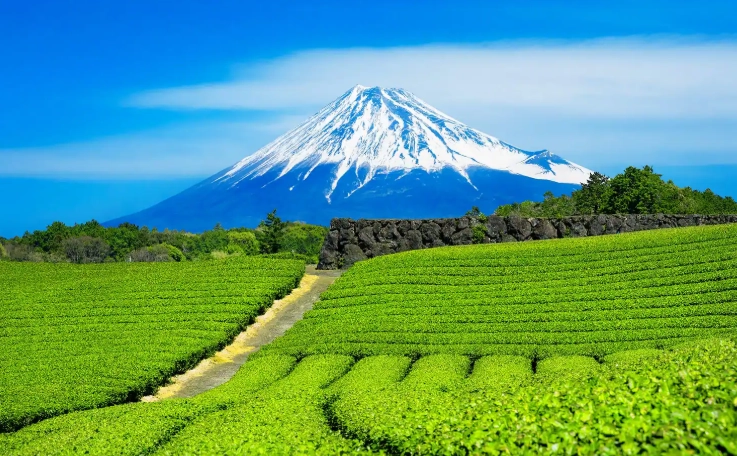
The Natural Beauty Beyond Fuji
Fuji dominates, but the geography is wildly diverse. The Southern Alps form the northern border, offering serious hiking. The Oigawa River features the iconic Oigawa Railway, a scenic train line with vintage steam locomotives that run through tea fields and along deep gorges—a huge hit with train enthusiasts and families.
The Izu Peninsula's coast is dramatic, with cliffs, sea caves, and islands. Jogasaki Coast has a suspension bridge over raging waves. And then there are the flowers. Izu is famous for its early-blooming kawazu-zakura cherry blossoms (blooming as early as February) and hydrangeas (ajisai) in the rainy June season.
Theme Parks & Family Fun
For families wondering what Shizuoka is famous for besides scenery, there are some major attractions.
Fuji-Q Highland is the big one. It's famous among thrill-seekers worldwide for its record-breaking roller coasters like Takabisha and Do-Dodonpa. But be warned—the lines can be legendary, and the operations can feel… leisurely. It's a love-it-or-hate-it kind of place. I went for the coasters, loved them, but spent half the day queueing.
On the other end of the spectrum is Nihondaira Zoo, which is lovely and has great views. Or the Shizuoka City Children's Museum, which is fantastic for younger kids.
Putting It All Together: Your Shizuoka FAQs
Writing this makes me want to go back. Honestly, the hardest part about Shizuoka is choosing what to focus on. Do you chase the perfect Fuji photo, immerse yourself in tea fields, soak in an ocean-view onsen, or geek out on manufacturing history? The beauty is, you don't really have to choose. You can do a bit of it all. That's the real answer to "what is Shizuoka famous for"—it's famous for being unexpectedly, wonderfully complete.
So, next time someone asks you what Shizuoka is famous for, don't just say "tea and Fuji." Tell them about the pink shrimp you eat by the handful, the sound of a piano being tuned in Hamamatsu, the feel of volcanic hot spring water on your skin after a hike, and the quiet pride of a tea master showing off his finest harvest. That's Shizuoka.


Comments