Your Kawagoe Day Trip Guide
So you're thinking about a trip to Kawagoe from Tokyo? Good call. Honestly, it's one of the best day trips you can make. It's close enough to be easy, but far enough to feel like you've actually gone somewhere. You know what I mean? You leave the hyper-modern sprawl of Tokyo and, in under an hour, you're walking down streets that look like they're frozen in the 17th century. They don't call it "Little Edo" for nothing.
But here's the thing. A lot of blogs just tell you to go see the kurazukuri (clay-walled warehouse) buildings and eat sweet potato snacks. Which is fine, but there's so much more to it. How do you actually get there without getting lost at Ikebukuro Station? What's worth seeing beyond the main drag? And is it really worth it if you only have one day in Tokyo? (Spoiler: yes, but you need to plan it right).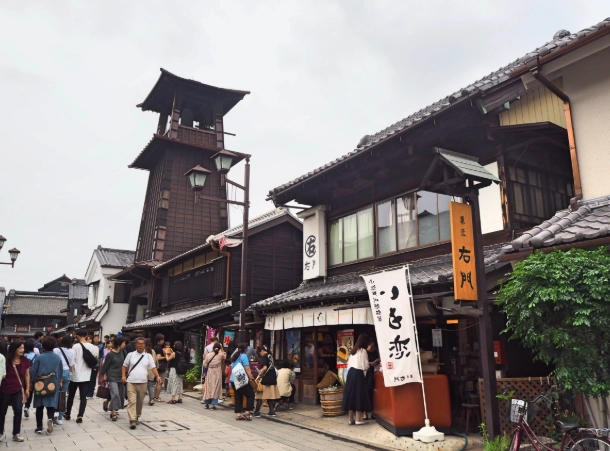
I've been to Kawagoe from Tokyo more times than I can count. Sometimes with friends, sometimes just wandering solo. I've made the classic tourist mistakes so you don't have to. This guide is going to be the only one you need. We'll cover the logistics, the must-sees, the overrated spots, the food you absolutely cannot miss, and how to build your perfect day. Let's get into it.
Why Kawagoe? If you're craving a slice of old Japan without the multi-hour bullet train journey to Kyoto, Kawagoe is your answer. The preserved merchant quarter offers a tangible connection to the Edo period (1603-1868) that's surprisingly accessible from central Tokyo.
Getting to Kawagoe from Tokyo: Your Transport Options Decoded
This is where most people get confused. There are a few ways to do the Kawagoe from Tokyo journey, and the best one depends on your budget, where you're starting, and whether you have a JR Pass. Let's break it down.
The Tobu Tojo Line (From Ikebukuro)
This is my personal favorite for a straightforward Kawagoe from Tokyo trip. It's direct, frequent, and drops you right at Kawagoe Station, which is a short walk from the historic area.
- The Route: Take the Tobu Tojo Line express train from Ikebukuro Station directly to Kawagoe Station. The express (kyuko) is key—the local train will take forever.
- Travel Time: About 30 minutes on the express.
- Cost: Around ¥470 one way. Not covered by the JR Pass.
- My Take: It's simple. Ikebukuro is a major hub, easy to get to. The trains are comfortable. Just follow the signs for the Tobu Tojo Line. The only downside? If you're coming from Shinjuku or Shibuya, you have to get to Ikebukuro first.
Pro Tip: If you plan to visit several attractions, check out the Kawagoe Discount Pass Premium offered by Tobu Railway. It covers the round-trip train fare from Ikebukuro and unlimited bus rides within Kawagoe, plus discounts at many shops and museums. It can save you a bit of money and hassle. You can find details on the official Tobu Railway website.
The JR Kawagoe Line (From Shinjuku/Shibuya)
This is the best option if you have a Japan Rail Pass or are staying near the Yamanote Line's west side.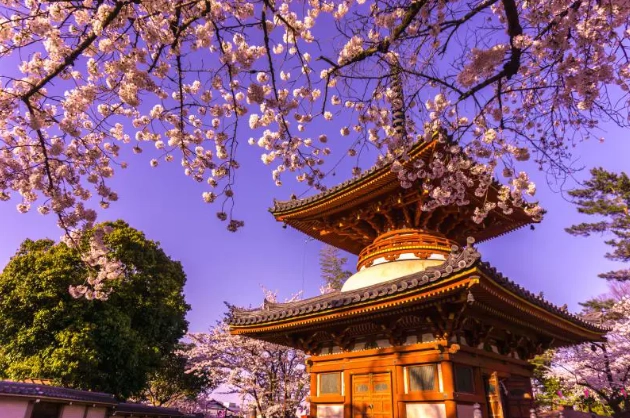
- The Route: Take the JR Yamanote or Saikyo Line to Shinjuku, then transfer to the JR Kawagoe Line bound for Kawagoe. Alternatively, take the JR Shonan-Shinjuku Line directly from Shibuya or Shinjuku to Kawagoe.
- Travel Time: About 45-60 minutes from Shinjuku.
- Cost: Roughly ¥760 one way from Shinjuku. Fully covered by the JR Pass.
- My Take: It's slightly longer and can be more crowded with commuters, but if your pass covers it, the price is right. You'll arrive at JR Kawagoe Station, which is on the opposite side of the center from Tobu Kawagoe Station, but still a manageable walk.
By Bus (The Budget Option)
Yes, there are highway buses. Companies like Seibu Bus and Kokusai Kogyo Bus run services from Shinjuku Station's Basta terminal to Kawagoe.
- Travel Time: About 60-80 minutes depending on traffic.
- Cost: Can be as low as ¥600 one way if you book in advance.
- My Take: I'm not a huge fan for a day trip. You're at the mercy of Tokyo's infamous traffic. The train is more reliable and often faster. Only consider this if you have a very tight budget and a very flexible schedule.
Here’s a quick comparison to help you decide:
| Option | From | Time | Cost (One Way) | Best For | My Rating |
|---|---|---|---|---|---|
| Tobu Tojo Line (Express) | Ikebukuro | ~30 min | ¥470 | Simplicity, speed | ★★★★★ |
| JR Kawagoe Line | Shinjuku/Shibuya | ~45-60 min | ¥760 (Free w/JR Pass) | JR Pass holders | ★★★★☆ |
| Highway Bus | Shinjuku | ~60-80 min | ¥600-900 | Absolute budget travel | ★★☆☆☆ |
Bottom line?
For most people doing a Kawagoe from Tokyo day trip, the Tobu Line from Ikebukuro is the sweet spot. It's just painless.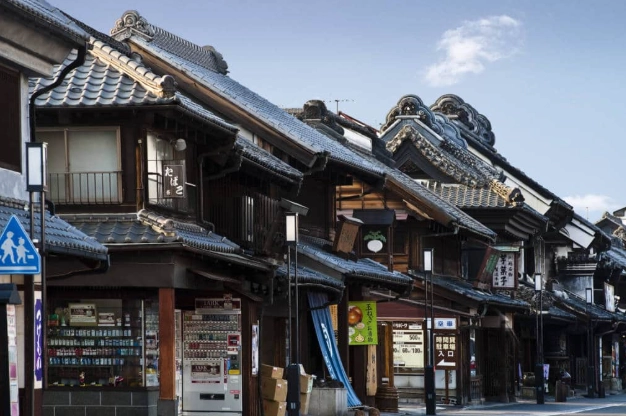
What to See and Do in Kawagoe: Beyond the Postcard
Alright, you've arrived. Now what? The main event is the Kurazukuri Street (Warehouse District), but spreading out from there is where you find the real charm. Let's talk about the highlights and the hidden spots.
The Unmissable Classics
These are the things you'll see on every brochure. And you know what? They're popular for a reason.
- The Bell Tower (Toki no Kane): This iconic wooden bell tower is the symbol of Kawagoe. It chimes four times a day (6am, 12pm, 3pm, 6pm). It's smack in the middle of Kurazukuri Street. Get your photo, but don't just stop there. The area around it gets packed on weekends.
- Kurazukuri Street (Ichiban-gai): The main row of beautiful, black-tiled, clay-walled merchant houses. Some are shops, some are museums, some are restaurants. The architecture is stunning. My advice? Go early. By noon, it can feel like a conveyor belt of tourists. Take time to look at the details—the namako (sea cucumber) walls, the heavy doors.
- Kashiya Yokocho (Candy Alley): A short walk from the bell tower, this narrow lane is packed with old-fashioned candy shops selling traditional Japanese sweets. Think rice crackers, hard candies, and of course, anything sweet potato. It's colorful, chaotic, and smells amazing. Great for souvenirs that aren't the usual magnets.
A Personal Aside: The first time I went to Kawagoe from Tokyo, I raced down Kurazukuri Street, snapped a pic of the bell tower, bought some candy, and thought I was done. I missed so much. The beauty is in the side streets and the quieter moments. Don't make my mistake.
The Hidden Gems & Cultural Spots
This is where your trip goes from good to great. Venture a few blocks off the main path.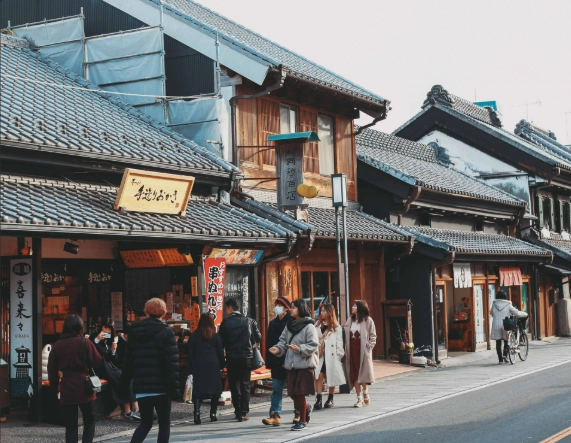
- Kawagoe Hikawa Shrine: A bit of a walk (or a short bus ride) from the center, but worth it. It's a beautiful, spacious Shinto shrine known for blessings for good relationships and marriage. It's far less crowded than the merchant district and has a serene atmosphere. They also have a unique "enmusubi" (tie-a-knot) charm tree that's quite photogenic.
- Kitain Temple: This is a major Tendai sect temple with a fascinating history. The main draw here is the Gohyaku Rakan, a collection of over 500 stone statues of Buddha's disciples, each with a unique, expressive face. No two are alike. It's strangely moving and often overlooked. The temple's former palace rooms, relocated from Edo Castle, are also impressive. Check their official site for hours: Kita-in Temple.
- The Kawagoe Festival Museum: Kawagoe's annual festival in October is one of the best in the Kanto region, famous for its elaborate floats. If you're not visiting during the festival, this museum is the next best thing. They have a full-sized float on display and a thrilling video presentation that makes you feel like you're in the middle of the action. It gives fantastic context to the city's culture.
What's Overrated? (My Honest Opinion)
Not everything is a winner. I think it's important to be honest so you can manage your time and expectations.
- The Penis Shrine (Kanayama Shrine): It's a small, quirky shrine dedicated to… yeah. It's a five-minute curiosity. Some people find it hilarious, but unless you have a specific interest in phallic symbolism in folk religion, it's a bit of a detour for a quick giggle and not much else.
- Overpriced Tourist Cafes on Main Street: Some of the cafes right on Kurazukuri Street charge a premium for the view. The coffee is often mediocre. Walk a block or two parallel to the main street, and you'll find nicer, quieter, and cheaper local spots.
The Food Scene: What and Where to Eat
You cannot—I repeat, cannot—do a Kawagoe from Tokyo trip without eating. The local specialties are hearty, delicious, and a big part of the experience.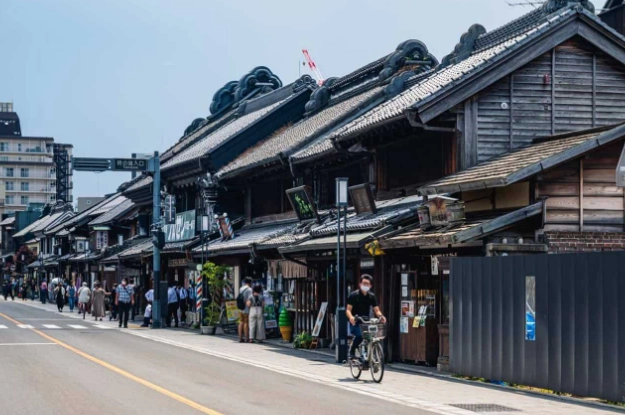
Must-Try Local Specialties
- Sweet Potato Everything (Satsuma-imo): Kawagoe is famous for its sweet potatoes. You'll find them fried into chips (imo-kenpi), baked into pies, made into ice cream, distilled into shochu, and even turned into beer. The purple sweet potato soft serve is an iconic (and Instagrammable) snack. Try it from one of the many vendors in Kashiya Yokocho.
- Unagi (Freshwater Eel): The nearby Iruma River used to be full of eels, making this a local delicacy. You'll find several specialist unagi-ya restaurants serving beautifully grilled eel over rice (unaju or unadon). It's a pricier meal but a true treat. Osawa is a famous, long-established name.
- Kawagoe-style Soba: Hearty buckwheat noodles, often served with a rich, dark broth.
- Kushi-dango: Skewered sweet rice flour dumplings, grilled and coated in a savory-sweet soy glaze. The perfect walking snack.
A Word of Caution on Lunch: The most famous unagi and soba restaurants get very busy, especially on weekends, with wait times easily exceeding an hour. Either go early (aim for an 11:30 am lunch), late (after 1:30 pm), or be prepared to queue. Have a backup plan—there are plenty of good, less-famous places.
My Food Recommendations
- For a Quick Bite/Snacks: Just wander Kashiya Yokocho. Grab some imo-kenpi, a stick of kushi-dango, and that purple soft serve. Instant picnic.
- For a Classic Unagi Lunch: Okahashi (near Kita-in) is another excellent option besides Osawa. Slightly less touristy, fantastic quality.
- For a Casual Meal: Look for a tonkatsu (pork cutlet) restaurant serving Kawagoe-style tonkatsu, which comes with a special, slightly sweet Worcestershire-style sauce. It's a local twist on a classic.
Crafting Your Perfect Kawagoe from Tokyo Itinerary
Let's put it all together. Here are two sample itineraries based on how much time you have and your interests.
The Classic One-Day Itinerary (The Highlights)
9:00 AM: Depart Ikebukuro on the Tobu Tojo Line express.
9:40 AM: Arrive at Tobu Kawagoe Station. Walk towards the historic district (follow the signs or your map).
10:00 AM: Start on Kurazukuri Street. Explore the shops, admire the architecture. Visit the Bell Tower.
11:00 AM: Wander into Kashiya Yokocho (Candy Alley). Sample snacks, buy souvenirs.
12:30 PM: Early lunch. Try for unagi or find a good soba/tonkatsu place.
2:00 PM: Visit Kita-in Temple to see the 500 Rakan statues. (Take a bus or a 20-minute walk).
3:30 PM: Head back towards the center, maybe visit the Kawagoe Festival Museum.
4:30 PM: Final stroll, maybe pick up some sweet potato treats for the road.
5:15 PM: Head back to Kawagoe Station.
6:00 PM: Back in Tokyo for dinner.
The Leisurely Half-Day / Afternoon Itinerary
Perfect if you have a late start or want to combine it with something else in Tokyo.
1:00 PM: Arrive in Kawagoe.
1:15 PM: Grab a quick lunch (noodles or a set meal).
2:00 PM: Focused walk down Kurazukuri Street and Candy Alley.
3:30 PM: Choose one: either Kita-in Temple OR the Hikawa Shrine.
5:00 PM: Coffee or a snack in a quieter cafe before heading back.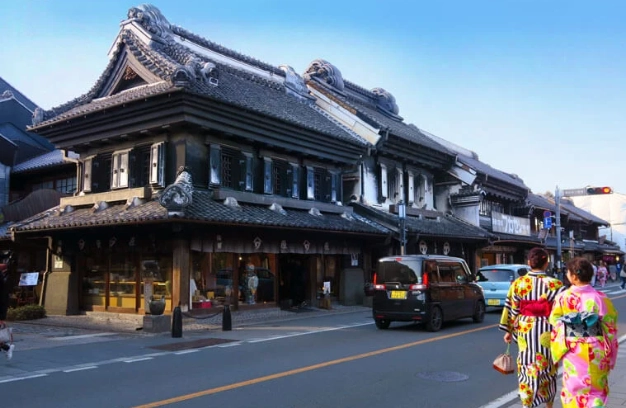
Practical Tips for Your Visit
- Best Time to Visit: Weekdays are infinitely better than weekends to avoid crowds. Spring (cherry blossoms near the shrine) and autumn (pleasant weather, fall colors) are ideal. Summer is hot and humid; winter is cold but has fewer tourists.
- Cash is King: Many of the smaller candy shops, street food stalls, and even some restaurants are cash-only. Withdraw enough yen before you go.
- Wear Comfortable Shoes: You will be walking on stone and paved streets all day. This is not a heels-friendly destination.
- Public Restrooms: Available at the stations and near major attractions like the Festival Museum. They are generally clean.
- Connectivity: Free Wi-Fi spots are available around the tourist center and some cafes, but having a pocket Wi-Fi or SIM is always more reliable. For official tourist info, the Kawagoe City official website is a great resource.
Frequently Asked Questions (FAQs)
Final Thoughts
Planning a trip to Kawagoe from Tokyo is one of the best travel decisions you can make for your Japan itinerary. It's efficient, rewarding, and fills a gap that Tokyo alone can't—a direct, walkable encounter with Edo-period Japan.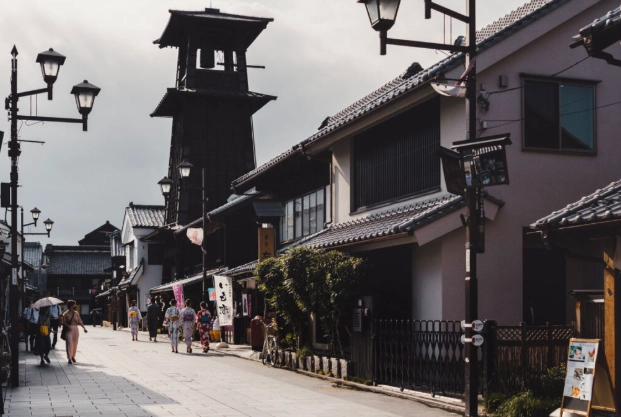
The key is to not treat it as a checklist. Don't just run from the station to the bell tower and back. Linger. Explore a side alley. Sit in a temple garden. Talk to a shopkeeper (a little Japanese goes a long way, but many are used to tourists). Try the weird-looking sweet potato dessert.
That's it.
That's how you turn a simple Kawagoe from Tokyo day trip into a memorable highlight of your entire Japan adventure. Have an amazing time, and don't forget to look up from your camera once in a while.

Comments