Your Okayama Journey Guide
- The Headliners: What Okayama is *Most* Famous For
- Korakuen Garden: The Living Postcard
- The Legend of Momotaro (The Peach Boy)
- Okayama's Heavenly Peaches (Hakutō)
- The Surprising Contenders: What Else is Okayama Japan Known For?
- Okayama Jeans & Denim (Kojima)
- The Seto Inland Sea & The Art Islands
- Okayama Castle: The "Crow Castle"
- Breaking it Down: A Quick-Reference Table
- The Practical Stuff: How to Experience What Okayama is Known For
- The Final Word: So, What's the Verdict?
You type that question into Google. "What is Okayama Japan known for?" Maybe you saw a pretty picture of a garden, heard a whisper about amazing peaches, or are just plotting a course through Japan that isn't Tokyo or Kyoto. I get it. I asked the same thing before my first trip. The answers you often find are a bit... predictable. "The garden!" "The peaches!" "The castle!" And they're not wrong. But honestly, they barely scratch the surface.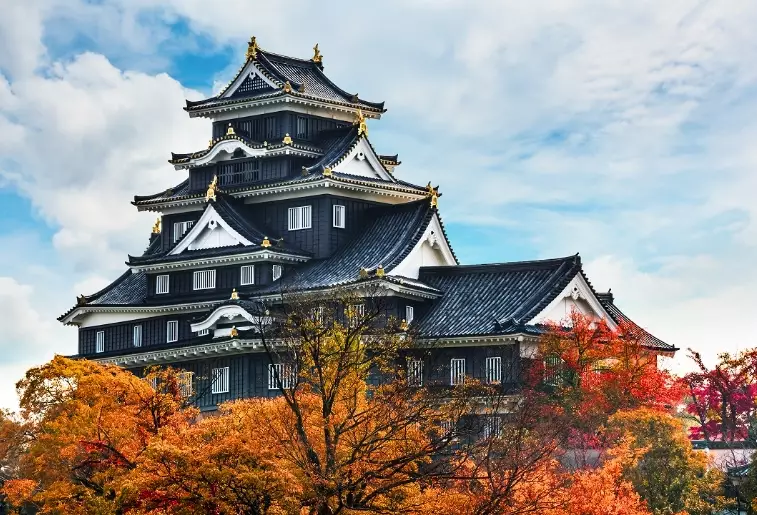
Okayama's identity is a fascinating layer cake. On top, you have the postcard-perfect icons everyone talks about. Dig a little deeper, and you find a region steeped in heartbreaking folklore, a surprising industrial grit (denim, anyone?), and a laid-back, sunny vibe that feels like a warm hug after the bustle of bigger cities. So, let's not just list things. Let's actually understand what makes this place tick and why it deserves a spot on your itinerary.
The Quick Answer (But Please, Keep Reading!)
If you're in a hurry, Okayama Prefecture is most famous for three core things: Momotaro, the Peach Boy (its foundational myth), Korakuen Garden (one of Japan's three great gardens), and its incredible, jewel-like white peaches (called *hakutō*). But stopping there is like saying Paris is known for a tower. It misses the soul.
The Headliners: What Okayama is *Most* Famous For
Alright, let's start with the big-ticket items. These are the answers you'll get from any basic search. And they're famous for a reason.
Korakuen Garden: The Living Postcard
Korakuen is often the number one result when you ask what is Okayama known for. Built over 300 years ago by a local lord for his family's pleasure (and to impress guests, let's be real), it's a "stroll garden" designed for changing views at every turn. We're talking expansive lawns (rare in Japanese gardens), ponds, tea plantations, mini rice fields, and a clever backdrop of Okayama Castle.
My take? It's stunningly beautiful, especially in autumn or with a dusting of snow. But it can get crowded. The secret is to go right at opening or just before closing. The light is softer, and you can actually hear the water and the birds. Don't just rush through. Find a bench, sit, and watch the cranes. That's when it feels magical, not just photogenic.
The Legend of Momotaro (The Peach Boy)
This is Japan's most famous folktale, period. The story goes that an old, childless couple found a giant peach floating down a river. Inside was a baby boy, whom they named Momotaro ("Peach Boy"). He grew up strong and, with a band of animal companions (a dog, a monkey, and a pheasant), set off to defeat the marauding *oni* (demons) on a nearby island.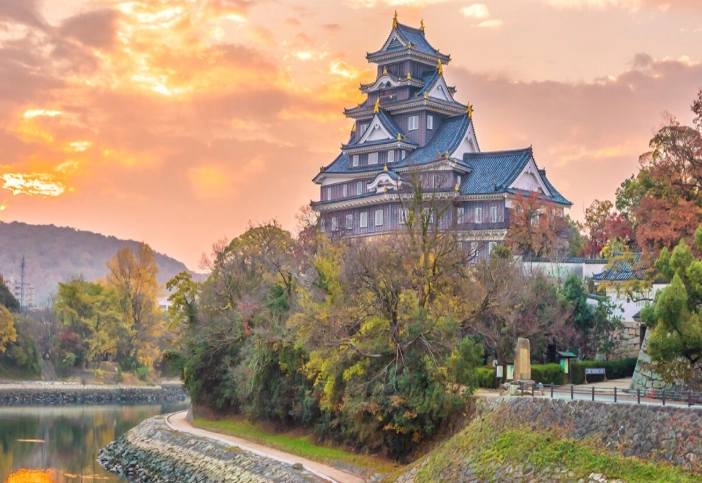
Why does this matter for your trip? Because Momotaro is Okayama. You'll see him everywhere. Statues, manhole covers, souvenirs, even snacks. The story explains the local obsession with peaches and frames the region's identity as one of bravery and justice. The demons' island, Megijima in the Seto Inland Sea, is even a real place you can visit—its caves are said to be the *oni* lair.
Okayama's Heavenly Peaches (Hakutō)
Forget every peach you've ever eaten. The *Hakutō* (white peach) of Okayama is a different species of delicious. They're incredibly juicy, with a delicate, almost floral sweetness and a melt-in-your-mouth texture. They're grown with obsessive care, often individually bagged on the tree to protect them.
Peach Reality Check: They are seasonal (peak is July-August) and expensive. A single perfect peach can cost over 1,000 yen ($10+). Are they worth it? For a one-time, sublime experience, absolutely. Buy one from a department store basement (*depachika*) or a dedicated fruit shop. For everyday snacking, the peach-derived products—jams, juices, candies, even peach-flavored sake—are fantastic and more affordable.
So, that's the classic trio. But if we stop here, we're doing Okayama a disservice. The real character lies in the next layers.
The Surprising Contenders: What Else is Okayama Japan Known For?
This is where Okayama gets interesting. These are the things that may not be the first line of a Wikipedia entry but are utterly essential to the region's modern identity.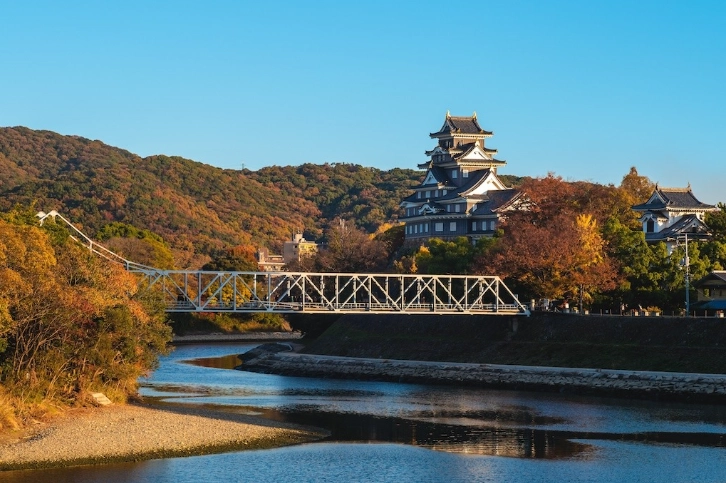
Okayama Jeans & Denim (Kojima)
Bet you didn't see this coming. The area around Kojima, south of Okayama City, is the undisputed birthplace of Japanese denim. In the 1960s, local manufacturers started reproducing classic American jeans with an almost fanatical attention to detail—heavyweight selvage denim, unique dyeing techniques like natural indigo, and obsessive construction.
Today, Kojima is denim pilgrimage central. You can visit small ateliers, huge flagship stores for brands like Japan Blue and Momotaro Jeans (named after the legend, of course), and even a Denim Street (as highlighted by the Japan National Tourism Organization). The quality is insane, but so are the prices for top-tier pairs. Still, even if you're not buying, seeing the craftsmanship is a unique insight into modern Japanese manufacturing pride.
I bought a pair of Okayama selvage jeans years ago. They were stiff as a board and cost a fortune. My friends thought I was crazy. Five years later, they've molded to my body, faded in a way no mass-market jean ever could, and are my most treasured item of clothing. It's a souvenir that literally improves with age.
The Seto Inland Sea & The Art Islands
Okayama's southern coast is the gateway to Japan's inland sea, a stunningly calm, island-studded body of water. This isn't just pretty scenery. It's the access point for one of Japan's great art adventures: Naoshima, Teshima, and Inujima.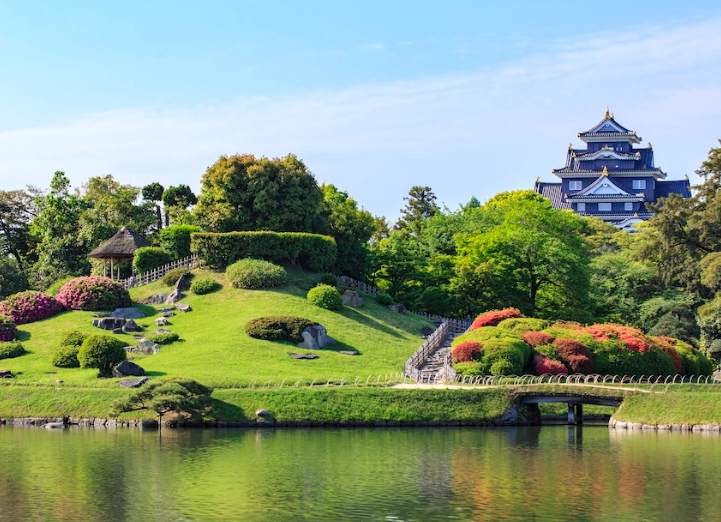
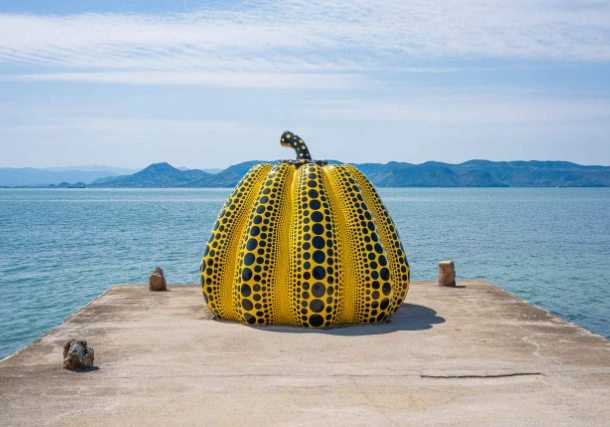
From Uno Port (an easy train ride from Okayama City), you can hop ferries to these islands, which have been transformed into sprawling sites for contemporary art. Think James Turrell light installations, Yayoi Kusama pumpkins, and museums built into the landscape. While the islands are technically in Kagawa Prefecture, Okayama is the most logical and popular base for exploring them. It's a huge part of why culturally-minded travelers come here.
Okayama Castle: The "Crow Castle"
Looming next to Korakuen is Okayama Castle. Its black wooden siding earned it the nickname "U-jō" (Crow Castle), in contrast to Himeji's white "Egret Castle." The original was WWII casualty; the main keep is a faithful 1960s concrete reconstruction.
Is it worth going inside? Opinions vary. The exterior is the real star—that black facade is incredibly photogenic against the garden. The interior is a modern museum. If you love history exhibits and want to try on a replica samurai helmet, go for it. If you're tight on time, admiring it from Korakuen is perfectly valid. I've done both, and I don't feel the interior added a ton to my experience.
Breaking it Down: A Quick-Reference Table
Alright, information overload? Here’s a cheat sheet to compare the core things Okayama is known for.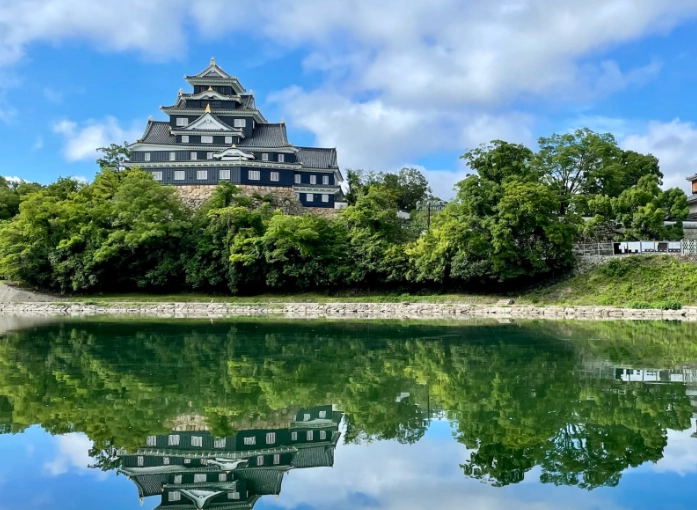
| What It's Known For | Best For | Seasonal Note / Tip | Time Needed |
|---|---|---|---|
| Korakuen Garden | Photography, peaceful strolls, garden lovers | Year-round. Stunning in autumn (Nov) & with plum blossoms (Feb-Mar). | 1.5 - 2.5 hours |
| Okayama Peaches (Hakutō) | Foodies, unique gourmet experience | PEAK SEASON: July & August. Sold in depachika (department store basements). | N/A (Shopping/eating) |
| Momotaro Legend | Culture, families, understanding local identity | Year-round. Visit Momotaro-related statues in Okayama Station or take a ferry to Megijima (Onigashima). | Varies (from seeing statues to a half-day trip) |
| Kojima Denim | Shopping, fashion, unique souvenirs | Year-round. Visit the Kojima Jeans Street official site for shop info. | Half-day from Okayama City |
| Seto Inland Sea Art Islands | Art lovers, scenic trips, unique landscapes | Year-round, but check ferry schedules and museum closures (often Mon). Book accommodation early. | Full day (per island) |
| Okayama Castle | History, architecture, city views | Combine with Korakuen Garden (combo ticket available). Exterior view from garden is classic. | 1 hour (inside) |
The Practical Stuff: How to Experience What Okayama is Known For
Knowing is one thing. Doing is another. So how do you actually wrap your trip around these ideas?
If You Have One Day (The Highlights Blitz)
Morning at Korakuen Garden and Okayama Castle. Grab a peach-flavored soft serve or a *momomanjū* (peach-shaped bun) for a snack. Afternoon, head to the Okayama Prefectural Museum of Art to see some Momotaro-themed works, or take a short train to Kurashiki's beautiful canal area (a bonus often associated with Okayama!). It's a whirlwind, but you'll hit the major notes.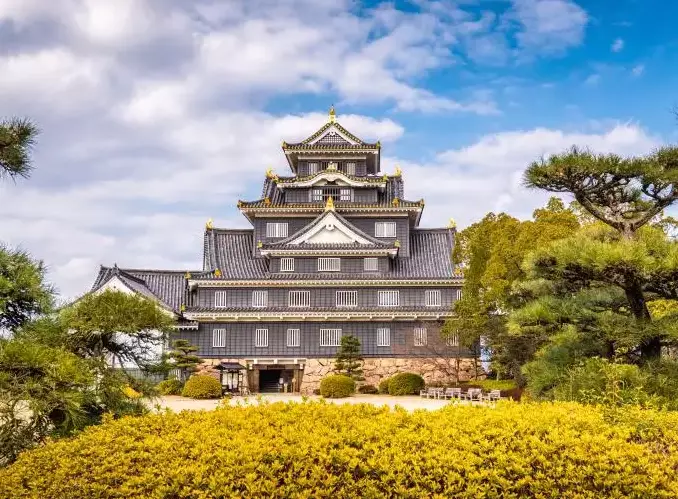
If You Have Two to Three Days (The Deep Dive)
This is the sweet spot. Day one for the city (Garden, Castle). Day two, take a train to Kojima (about 40 mins) for denim browsing and lunch. Day three is for the Seto Inland Sea—choose an art island. Naoshima is the most famous, but Teshima is more serene. You'll get a much richer answer to "What is Okayama Japan known for?"
Food You HAVE to Try (Beyond the Peach)
- Kibi Dango: The sticky, sweet millet dumplings Momotaro reportedly gave to his animal companions. The classic souvenir.
- Barazushi: Okayama-style scattered sushi, packed with seasonal vegetables and seafood. Colorful, delicious, and often a better value than nigiri.
- Fresh Seafood: From the Seto Inland Sea, especially oysters in winter.
- Okayama Ramen: A lighter, chicken and soy sauce-based broth, a nice break from heavy tonkotsu.
Your Questions, Answered (The FAQ)
Is Okayama worth visiting, or is it just a garden?
Absolutely worth it. It's a fantastic hub. You get a beautiful, manageable city *plus* access to world-class art islands *plus* unique cultural niches like denim. It's more relaxed and affordable than Kyoto or Osaka, making it a perfect middle ground.
What's the best time of year to visit Okayama?
For peaches, July-August. For perfect garden weather and fewer crowds, late spring (April-May) or autumn (October-November). Okayama is called the "Sunshine Prefecture" for a reason—it has some of Japan's least rainfall, so odds of good weather are high.
Can I do a day trip to Okayama from Kyoto or Osaka?
Yes, via the Shinkansen (about 1 hour from Osaka). It's a long day, but you can see Korakuen, the castle, and get a feel for the city. You'd miss the deeper experiences (denim, islands), but it's possible. I'd recommend an overnight stay to really get it.
Is Kurashiki part of what Okayama is known for?
It's a major attraction within Okayama Prefecture! The preserved canal area with its willow trees and white-walled warehouses is famous and gorgeous. It's often bundled into the Okayama experience and is only a 15-minute train ride from Okayama City.
How do I get to the art islands from Okayama?
Take the JR train from Okayama Station to Uno Port (about 45-60 mins). The ferry terminals are right outside Uno Station. Schedules are on the official Naoshima town website and other island sites. Plan your ferry times carefully!
The Final Word: So, What's the Verdict?
When people ask "What is Okayama Japan known for?" they're usually looking for a simple list. But the real answer is a vibe. It's the feeling of walking through a 300-year-old garden that still feels alive. It's the surprise of finding a global denim capital in a quiet port town. It's the taste of a peach that redefines fruit, and the enduring story of a boy born from one who fought demons.
Okayama doesn't shout. It doesn't have the geisha districts of Kyoto or the neon frenzy of Tokyo. It has confidence. It's a place of quality—in its crafts, its food, its landscapes. It's a perfect representation of how Japan balances deep tradition with quirky, modern passion projects.
That's what Okayama is truly known for. It's a destination that rewards curiosity. So pack your bags (maybe leave room for a new pair of jeans), and go see for yourself. You might just find it becomes your favorite part of Japan.
Comments