Your Tokyo Week at a Glance
So you're planning a trip to Tokyo and you've got a week off work. The big question staring you in the face is: how many days in Tokyo for a week is actually the right number? It sounds simple, but it's not. "A week" could mean seven full days on the ground, or it could mean seven days total with travel eating up a big chunk. Your answer changes everything—your budget, your pace, your sanity.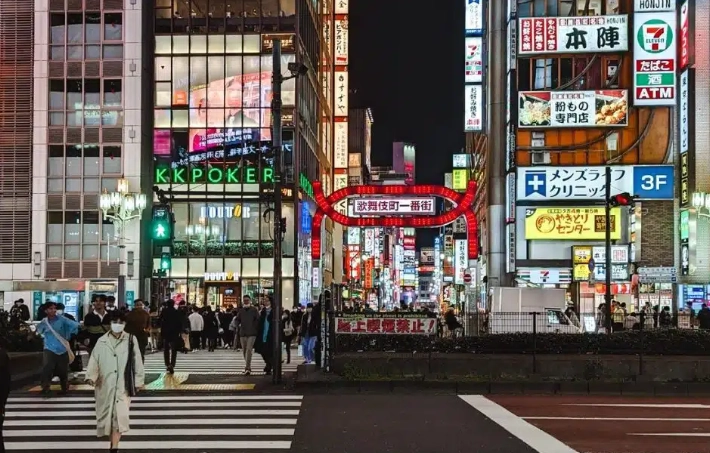
Let's cut to the chase. If you're flying from anywhere outside Asia, you're losing at least a day, maybe two, just to travel. That "week" suddenly looks a lot shorter. I've made the mistake of trying to cram too much into too little time in Tokyo, and let me tell you, it's a recipe for exhaustion, not vacation. You end up seeing the inside of subway cars more than you see the city.
This guide isn't about giving you one perfect answer. It's about giving you the tools to build your own. We'll break down what you can realistically do with 4, 5, or the full 7 days in Tokyo. We'll talk about the vibe of different itineraries, what you'll have to skip, and how to avoid the classic tourist burnout. I'll even throw in some sample schedules based on my own hits and misses wandering through Shinjuku, Shibuya, and the quieter backstreets of neighborhoods like Yanaka.
What Does ‘A Week’ Really Mean for Your Tokyo Trip?
First things first. You need to define your "week." Are you talking about a 7-night, 8-day trip? Or a 5-night, 6-day trip where you fly out on a Saturday and back the following Sunday? This initial math is the most important step everyone glosses over.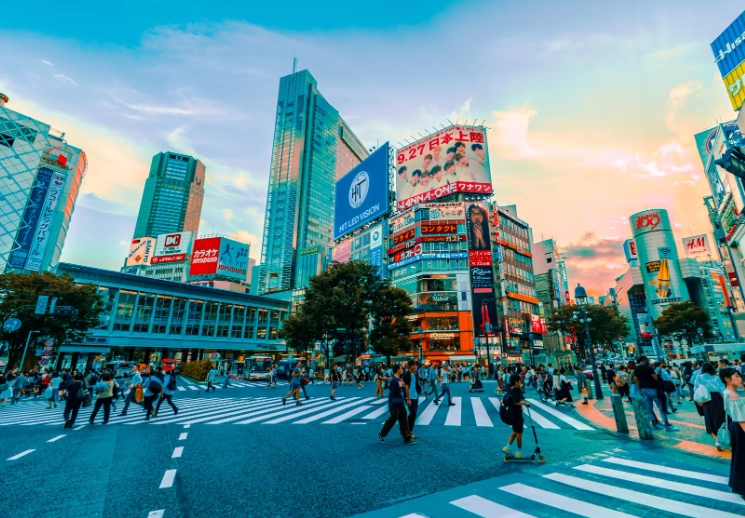
Here’s a brutal truth. Tokyo's two main international airports, Narita (NRT) and Haneda (HND), are not next door. Narita is far. If you land at 3 PM after a 12-hour flight, clear immigration, get your luggage, buy a train ticket, and navigate to your hotel in Shinjuku... it's easily 7 PM or later. That first day is a write-off. You'll be good for maybe a convenience store meal and sleep. Day zero, effectively.
Your departure day is often another partial day. If your flight is in the afternoon, you might have the morning to squeeze in one last thing, but you'll be checking out of your hotel and hauling your bags around. So, that "7-day trip" might only give you 5 full, unimpeded days of exploration.
So before you even think about temples and sushi, grab a calendar. Mark your flight arrival and departure times. Count the full days you have where you can wake up in Tokyo and go to bed in Tokyo without travel logistics. That's your real starting number for the "how many days in Tokyo for a week" puzzle.
Crafting Your Tokyo Itinerary: From 4 to 7 Days
Now, let's match your actual time with a realistic pace. Tokyo is not a city you conquer. It's a city you experience in layers. Trying to see "everything" is a fool's errand that will leave you exhausted. It's better to see a few neighborhoods deeply than to tick off a dozen landmarks from a speeding taxi.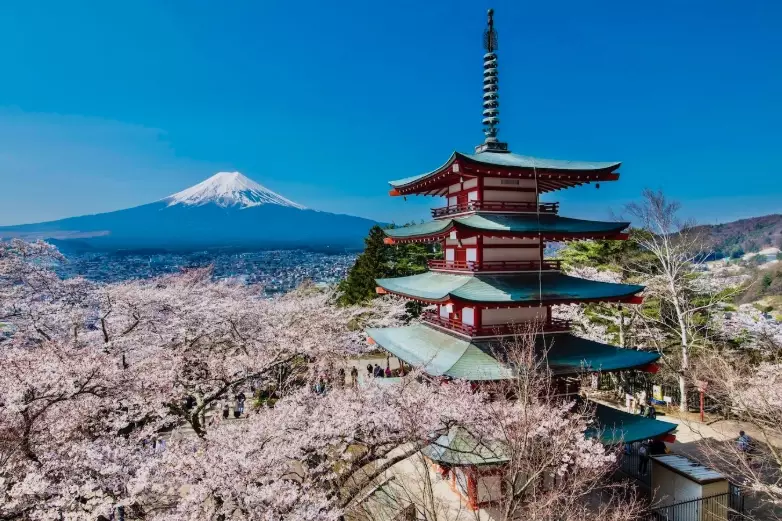
The 4-Day Tokyo Sprint (For the Time-Pressed)
This is for the traveler whose "week" is actually a long weekend plus a couple of days. Maybe you're combining Tokyo with another country or city in Asia. With four full days, you need to be focused and accept you'll miss a lot.
The Vibe: Fast-paced, iconic highlights only, minimal day trips.
Sample 4-Day Breakdown:
- Day 1: Central Modern Tokyo. Dive into the neon heart of the city. Shibuya Crossing in the morning (it's less insane), then explore Shibuya's shopping streets. After lunch, head to Harajuku for Takeshita Street (be prepared for crowds) and the serene Meiji Jingu shrine right next door. End the day in Shinjuku—see the Metropolitan Government Building for free panoramic views, then experience the organized chaos of the evening in Kabukicho or Omoide Yokocho for yakitori.
- Day 2: East Tokyo & Traditions. Start early at the Senso-ji Temple in Asakusa. Get there by 8:30 AM to beat the worst of the tour groups. Walk down Nakamise-dori. Then, take a short train to Ueno for the park and its museums (the Tokyo National Museum is stellar if you like history). In the afternoon, cross into Akihabara for its electronics and pop culture madness, or head to Ryogoku to check out the Kokugikan Sumo Stadium (if timing aligns).
- Day 3: West Tokyo & Pop Culture. A slightly slower day. Explore Shin-Okubo (Korea Town) for lunch, then head to the Ghibli Museum in Mitaka (YOU MUST BOOK TICKETS WELL IN ADVANCE—trust me, they sell out). If Ghibli isn't your thing, the Shinjuku Gyoen National Garden is a beautiful alternative. Evening in Ikebukuro for its massive department stores and anime shops.
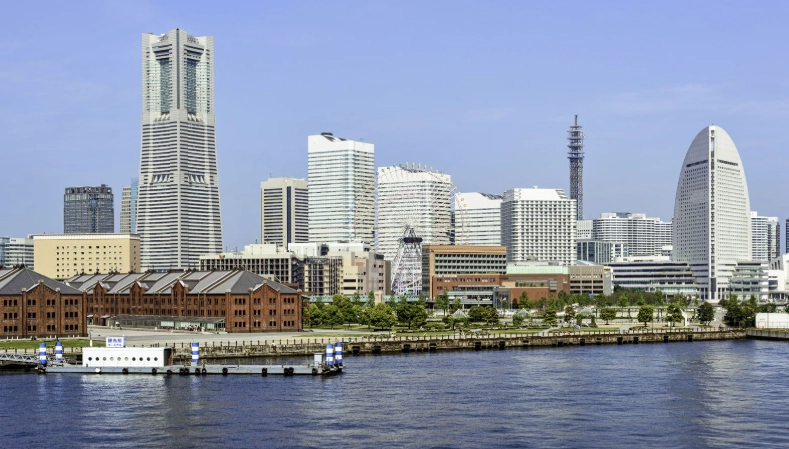
- Day 4: Your Choice Day. Revisit a favorite neighborhood, shop in Ginza, or take a half-day trip to Yokohama (about 30-40 mins by train) to see the waterfront and Chinatown. This day is for filling gaps.
Is 4 days in Tokyo enough? For a first-time, highlights-only trip, yes. But you'll leave knowing there's so much more. When people ask me how many days in Tokyo for a week is the minimum I'd recommend, I usually say four full days is the baseline to not feel completely rushed.
The 5-Day Tokyo Explorer (The Sweet Spot for Many)
This is my personal recommended minimum for a first-time visitor who wants a good balance. Five full days lets you breathe a little, dive deeper into a couple of areas, and maybe even squeeze in one major day trip.
The Vibe: Balanced, immersive, with room for spontaneity.
You take the 4-day framework above and add a crucial fifth day. This extra day is a game-changer. You have two fantastic options:
Option A: The Cultural Day Trip. Use the full day to escape the urban sprawl. Take the Shinkansen (bullet train) or a limited express train to one of these:
- Nikko: A UNESCO World Heritage site with the stunning Toshogu Shrine and beautiful natural scenery. A long day, but worth it.
- Kamakura: The coastal town with the Great Buddha (Daibutsu) and numerous temples. Easier and closer than Nikko.
- Hakone: For views of Mt. Fuji (on a clear day), hot springs (onsen), and the famous Open-Air Museum. The Hakone Free Pass makes logistics easy.
Option B: The Deep-Dive Tokyo Day. Use the day to explore a specific interest in depth.
- Spend a whole day in Odaiba: teamLab Planets, the Miraikan science museum, shopping, and the waterfront.
- Do a deep dive into Japanese food: take a cooking class, visit the Tsukiji Outer Market, and explore depachika (department store food basements).
- Focus on art: visit the Mori Art Museum in Roppongi, the Nezu Museum in Aoyama, and smaller galleries in Ginza.
This flexibility is why I think 5 days hits the sweet spot when figuring out how many days in Tokyo for a week. You get the core Tokyo experience plus one major extra element, without feeling like you're on a forced march.
| Itinerary Focus | Best For... | Key Advantage | Potential Drawback |
|---|---|---|---|
| 4-Day Sprint | First-timers on a tight schedule, stopover trips. | Sees all major icons efficiently. | Exhausting, no time for day trips or deeper exploration. |
| 5-Day Explorer | Most first-time visitors, those wanting a day trip. | Perfect balance of depth and breadth. | Still requires careful planning to fit everything. |
| 7-Day Immersion | Travelers who hate rushing, repeat visitors, foodies. | Unrushed pace, ability to revisit favorites, multiple day trips possible. | Requires more budget and more itinerary ideas to fill time meaningfully. |
The 7-Day Tokyo Immersion (The Ideal Scenario)
If you truly have a full week—seven nights and seven full days on the ground—you are in an enviable position. This allows for a pace that feels like a real vacation, not a scavenger hunt.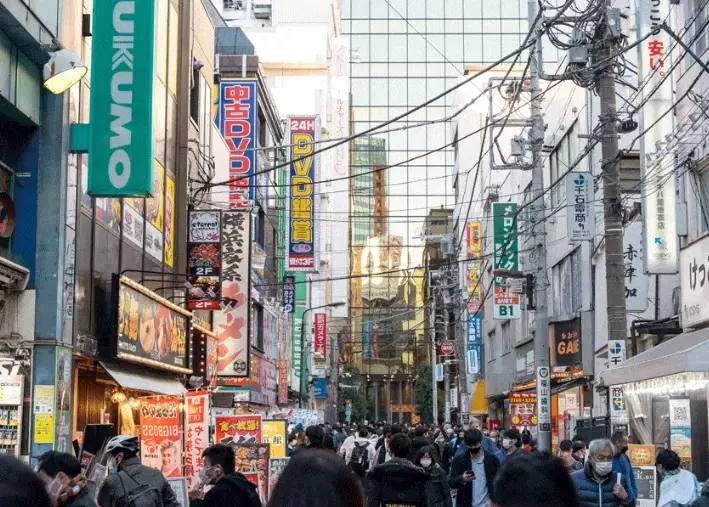
The Vibe: Leisurely, repeat visits, deeper cultural experiences.
With seven days, your itinerary for how many days in Tokyo for a week transforms. You can structure it like this:
- Days 1-4: Cover the core highlights as in the 4 or 5-day itinerary, but you can spread it over more time. Maybe you spend a whole afternoon just in Harajuku, or visit a museum without watching the clock.
- Day 5: A major day trip (e.g., Nikko or Hakone).
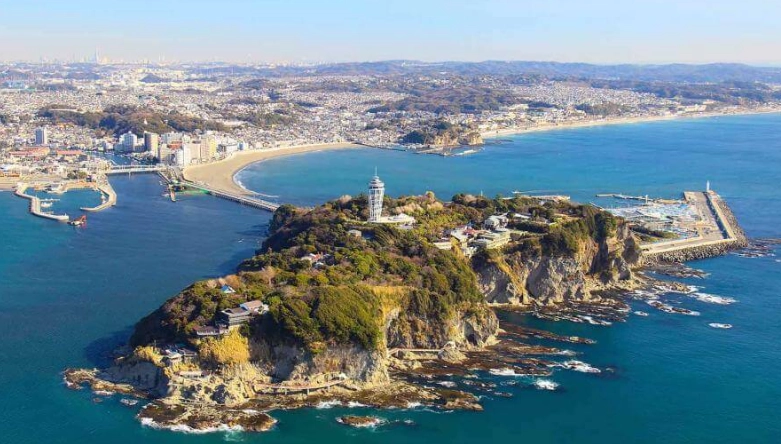
- Day 6: A second day trip or a deep-dive day in Tokyo. Perhaps Kamakura/Enoshima, or a focus on your niche interest (anime, fashion, history).
- Day 7: A "free day" with no set plans. Revisit your favorite neighborhood for shopping you missed. Go to that cafe you saw on Instagram. Wander without a map in a district like Koenji or Kichijoji. This unstructured day is often where the best memories are made.
The luxury of seven days means you can experience Tokyo's different faces: the frenetic weekday salaryman rush, the relaxed weekend park vibes in Yoyogi, the late-night izakaya culture. You can have a bad weather day and not panic because you have a buffer. You can get lost and not feel like you've ruined your schedule.
Honestly, if you have the time and budget, seven days is the answer to how many days in Tokyo for a week that will leave you most satisfied. You leave feeling like you understood the city a little, not just photographed it.
Beyond the Days: Essential Tokyo Trip Considerations
Deciding on 4, 5, or 7 days isn't just about sights. It impacts every other part of your planning.
Budget and Trip Length
More days obviously mean more money. But the cost per day can sometimes go down with a longer stay. You might opt for a weekly subway pass, buy larger food portions, or find an Airbnb with a weekly discount.
| Budget Tier | 4-Day Estimate | 5-Day Estimate | 7-Day Estimate | Notes |
|---|---|---|---|---|
| Budget (Hostels, conbini meals, local trains) |
¥40,000 - ¥60,000 | ¥50,000 - ¥75,000 | ¥70,000 - ¥100,000 | Excludes flights. Focus on free sights (temples, parks, city views). |
| Mid-Range (Business hotels, casual restaurants, some taxis) |
¥80,000 - ¥120,000 | ¥100,000 - ¥150,000 | ¥140,000 - ¥210,000 | The most common range. Allows for paid attractions and nicer meals. |
| Luxury (4-star+ hotels, fine dining, private tours) |
¥150,000+ | ¥190,000+ | ¥260,000+ | Sky's the limit. Enables unique experiences like kaiseki dinners. |
Remember, day trips add cost (train tickets, entrance fees, meals). A trip to Nikko can easily add ¥10,000-¥15,000 per person. Factor that in when choosing between a 5-day with a trip and a 7-day with two trips.
Where to Stay Based on Your Length
Your hotel location becomes more or less critical depending on your stay length.
- Short Stays (4-5 days): Maximize convenience. Stay near a major transit hub like Shinjuku, Shibuya, or Tokyo Station. You'll pay a premium, but you'll save hours and stress on commuting. Every minute counts.
- Long Stays (7 days): You can afford to be a bit more adventurous. Consider neighborhoods like Asakusa (for tradition), Ueno (for park access and value), or even somewhere quieter like Meguro or Nakano. You'll have time to learn the local train line and enjoy the neighborhood vibe. A friend of mine swears by staying in Ryogoku for its local feel and great public baths.
I made the mistake on a short trip of staying in a "charming" but poorly connected area. What I saved on the hotel room, I paid for in time and taxi fares. Not worth it.
Pacing and Energy Management
This is the hidden factor. Tokyo is mentally and physically stimulating. The crowds, the language barrier, the constant decision-making—it's draining.
For a 4-day trip, you must accept a high-energy, go-go-go pace. Schedule one major activity per morning and afternoon, with clear transit routes.
For 5 or 7 days, build in downtime. Schedule a quiet activity for the afternoon after a busy morning. Visit a sento (public bath) in the evening. Plan a leisurely coffee break in a kissaten (old-school cafe). Your feet and your mind will thank you. The official Tokyo Metropolitan Government's tourism site has great lists of parks and gardens perfect for these breaks.
Common Questions About Tokyo Trip Length
So, what's the final verdict on how many days in Tokyo for a week?
If you're a first-timer and can manage it, aim for 5 full days on the ground. It gives you the core experience plus one special extra. If you're a traveler who hates rushing, loves food, or wants to include a couple of day trips, push for 7 full days. It's the difference between a great trip and an unforgettable one.
But even with 4 days, you can have an amazing time. The key is setting the right expectations, planning your geography wisely, and remembering that it's okay to not see it all. Tokyo will be there for your next visit. The goal is to leave wanting more, not needing a vacation from your vacation.
Now, go look at your calendar, count those real days, and start building the Tokyo week that's right for you. You've got this.
Comments