Let's cut to the chase. If you're searching for the absolute cheapest month to visit Japan, the short answer is January (after New Year's Day) and February. These are the deep winter months, and for budget travelers, they're the golden ticket. I've traveled to Japan in nearly every season over the past decade, and the price difference between a February trip and an April cherry blossom trip isn't just noticeable—it can be 40-60% cheaper on flights and hotels. But "cheapest" doesn't always mean "best for you." This guide will break down every month, not just with generic labels, but with real cost examples and the trade-offs you need to know.
Your Quick Guide to Saving Money
The Absolute Cheapest Months: January & February
Why are these months so cheap? Three reasons: weather, post-holiday slump, and no major festivals.
After the expensive New Year's period (Jan 1-3), when Japanese travel domestically, demand plummets. International tourists aren't thinking of a cold Japan getaway. This creates a perfect storm of low demand. I booked a return flight from Los Angeles to Tokyo in mid-January for under $500. That same flight in late March was over $1,200.
The Non-Consensus Tip: Everyone says "avoid Golden Week." But a bigger hidden cost is Chinese New Year, which falls in January or February. Flights from and within Asia spike. If you're flying from the US or Europe, it affects you less, but it can slightly bump up hotel prices in major cities for a few days. Always check the lunar calendar.
Accommodation is where you win big. A decent business hotel in Tokyo like a Dormy Inn or APA Hotel that costs $120-$150 per night in peak season can drop to $70-$90. In Kyoto, you might actually find availability in a traditional Ryokan at a semi-reasonable rate. The catch? It will be cold, especially in regions like Hokkaido or the Japan Alps. But for cities like Tokyo and Osaka, it's manageable with a good coat—think 40-50°F (5-10°C) during the day.
Japan Travel Costs: A Month-by-Month Breakdown
This table isn't just about cheap vs. expensive. It's about value and what you're trading for those lower prices.
| Month | Cost Level | Why? | Key Considerations |
|---|---|---|---|
| January (Post-Jan 3) | Very Low | Post-New Year travel dip. Low international demand. | Cold, some attractions may have shorter hours. Great for winter sales. |
| February | Very Low | Still winter, Valentine's Day is a minor domestic event. | Best month for ski/snowboard trips (but ski resorts are pricey). Sapporo Snow Festival (mid-Feb) makes Hokkaido expensive. |
| March | Medium to High | Starts low, ends very high. Cherry blossom forecasts drive prices. | Book everything the second forecasts are released if going late March. Early March can still be a bargain. |
| April | Peak | Cherry blossoms & Golden Week start (late April). | The most expensive and crowded time. Avoid unless blossoms are your sole goal. |
| May | Medium | Golden Week (early May) is peak. Rest of May is pleasant and quieter. | Excellent weather. A good compromise if you avoid the first week. |
| June - July | Medium | Rainy season (June), hot & humid (July). Lower demand. | Unexpectedly great for indoor culture (museums, galleries). Hydrangea blooms are stunning in June. |
| August | High | Obon festival (mid-Aug). Domestic travel, school holidays. | Very hot and humid. Mountain/rural areas are popular escapes. |
| September | Low | Typhoon season, heat lingers. Shoulder season begins. | Risk of disrupted plans, but prices are low. Good for flexible travelers. |
| October - November | Medium to High | Autumn foliage season. Beautiful and in-demand. | Like spring, prices follow foliage forecasts. Late November can be cheaper. |
| December (Pre-20th) | Medium | Pleasant holiday atmosphere. Demand builds towards Xmas/NYE. | Illuminations are fantastic. A sweet spot between fall crowds and holiday peaks. |
The Hidden Runner-Up: Late September to Mid-October
If you can't handle the winter cold, this period is your best bet. The brutal summer heat breaks, the typhoon risk decreases (though doesn't vanish), and the autumn crowds haven't fully arrived. I once had a fantastic trip in early October where flights were reasonable and I walked through Shinjuku Gyoen in Tokyo with barely anyone around. It's a gamble with weather, but the payoff in value can be huge.
How to Maximize Savings in the Cheap Season
Picking the right month is only half the battle. Here’s how to squeeze every yen of value.
Flights: Be a Search Ninja
Use flight search engines like Google Flights with flexible date grids. Target Tuesday to Thursday departures. For the US West Coast, look at airlines like Zipair (a JAL LCC) – they have insane winter deals. From Europe, check Finnair or Austrian via their hubs. Don't just search "Tokyo." Try Narita (NRT), Haneda (HND), and even Osaka (KIX). A $50 bullet train ride from Osaka might save you $200 on the flight.
Accommodation: Think Beyond Hotels
In cheap months, even nice hotels are affordable, but for longer stays or unique experiences:
Business Hotels: Toyoko Inn, APA, Dormy Inn (free late-night ramen!).
Guesthouses & Hostels: Japan has incredibly clean, safe hostels with private pods. Look in areas like Asakusa (Tokyo) or near Kyoto Station.
Weekly Mansions: Furnished apartments for week-long stays, great for families or groups. Sites like Booking.com now list many.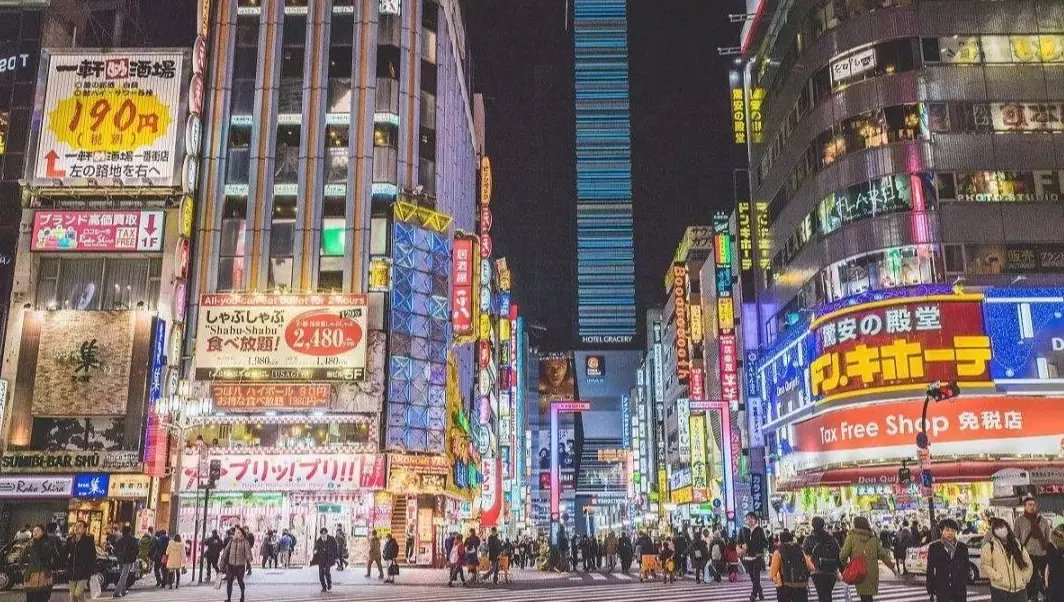
Transport & Attractions: Passes Are Your Friend (Sometimes)
The Japan Rail Pass price increased in 2023. Now, you must calculate carefully. For a Tokyo-Kyoto-Osaka round trip in 7 days, it barely breaks even. Use a calculator like the one on Japan Guide. Instead, consider regional passes like the JR Tokyo Wide Pass or Kansai Area Pass. For city travel, the Tokyo Subway Ticket (24/48/72-hour) is unbeatable. For attractions, look for combination tickets or free admission days (e.g., many museums have a monthly "free day").
A 7-Day Winter Budget Itinerary Sample (January/February)
To show this is actionable, here’s a realistic, budget-focused week.
Day 1-3: Tokyo
Stay: Business hotel in Ueno or Asakusa. Ueno is great for park walks and museums.
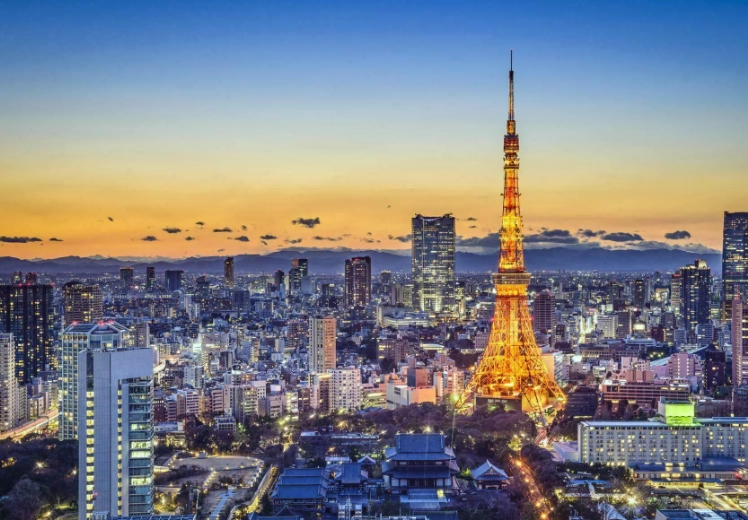
Do: Explore Senso-ji Temple (free), Ueno Park & museums (Tokyo National Museum ~$6), wander Ameya Yokocho market. Evening in Shinjuku for neon lights (free). Use the 72-hour subway pass (~$15).
Eat: Udon at Shin Udon (Shinjuku, ~$8), conveyor belt sushi at Nemuro Hanamaru (Kitte Marunouchi, ~$20).
Day 4-5: Hakone (Onsen Break)
Stay: Traditional Ryokan with kaiseki dinner/breakfast. Winter is prime onsen season. Book early for deals.
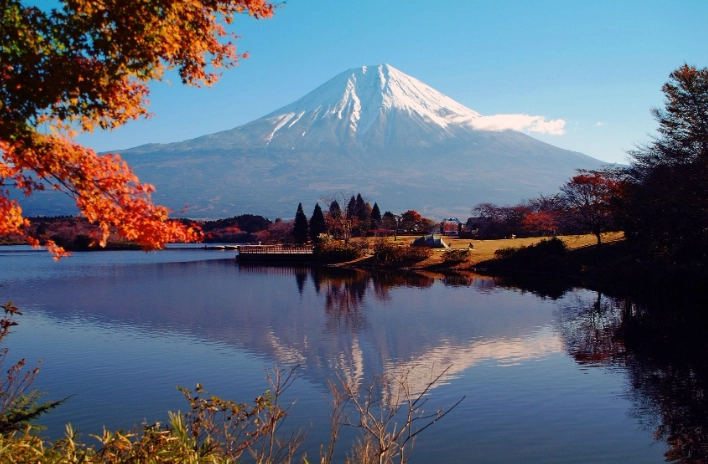
Do: Use the Hakone Free Pass (~$50 for 2 days) for unlimited transport on trains, buses, cable cars, and the pirate ship across Lake Ashi. Views of Mount Fuji are often clearest in cold winter air.
Eat: Meals included at Ryokan. Try black eggs (kuro-tamago) at Owakudani.
Day 6-7: Kyoto
Stay: Guesthouse near Kyoto Station.
Do: Winter is perfect for temple viewing without crowds. Favorites: Fushimi Inari Shrine (free, go early), Kinkaku-ji (Golden Pavilion, ~$4), Philosopher's Path (bare trees have their own beauty).
Eat: Warm up with Kyoto ramen (try Kyoryori Fujimoto for a splurge or Menbakaichidai for fire ramen). Nishiki Market for street food sampling.
Travel Back: Take the Shinkansen from Kyoto to Tokyo (~2.5 hours) for your flight.
This trip focuses on culture, food, and relaxation, leveraging the winter atmosphere and lower prices.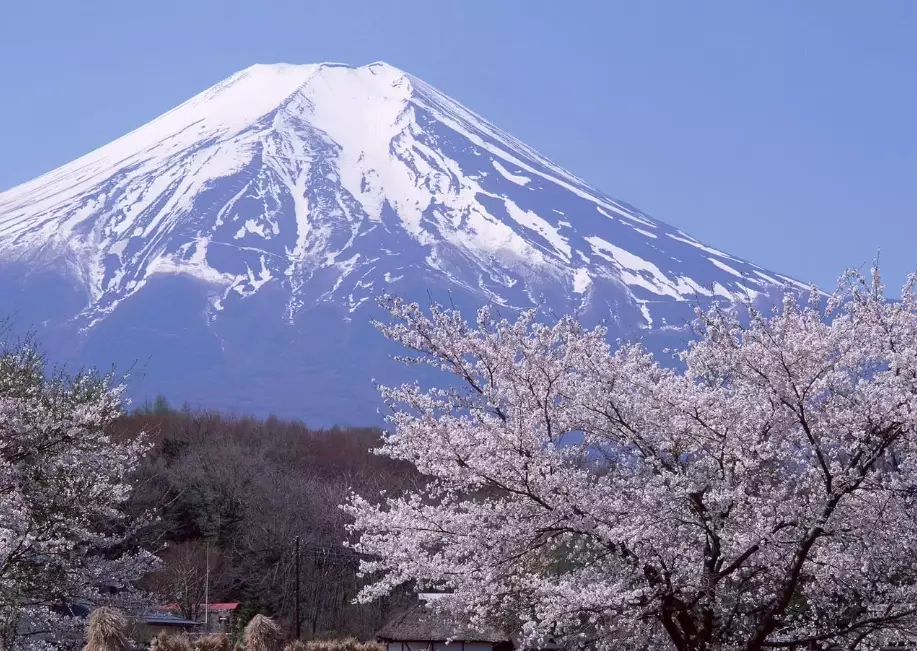
Your Budget Japan Travel Questions Answered
Is Japan still enjoyable in the cheapest, coldest months?
What's the biggest mistake people make when trying to travel to Japan cheaply?
 Are there any "cheap" months that are actually bad value due to weather disruptions?
How far in advance should I book for the cheapest months?


Comments