Let's cut to the chase. The average cost of a trip to Japan isn't a single number. It's a sliding scale that depends entirely on you—how you fly, where you sleep, what you eat, and how you move around. Asking for an average is like asking for the average price of a car. You'll get a useless number between a used hatchback and a new Ferrari.
I've been traveling to Japan for over a decade, from backpacking in my 20s to more comfortable trips now. I've made every budget mistake in the book, from overpaying for last-minute shinkansen tickets to underestimating how much good sushi actually costs. Based on that experience and current 2024 prices, here’s a realistic breakdown. Forget vague estimates. We're talking concrete numbers, specific examples, and budgets that actually work on the ground.
What You'll Find in This Guide
- The Complete Japan Trip Cost Breakdown
- How to Save on Flights to Japan
- Where to Stay: From Capsules to Ryokans
- Navigating Transport: Is the JR Pass Worth It?
- Eating in Japan: Budget Bites & Splurge Meals
- The Hidden Costs Most Guides Don't Mention
- Putting It All Together: Sample Daily Budgets
- Your Japan Budget Questions Answered
The Complete Japan Trip Cost Breakdown
Think of your total cost in layers. The big three are flights, accommodation, and internal transport. Then comes daily spending on food, activities, and smaller things. I'll lay out a realistic range for each, from rock-bottom to comfortable.
| Expense Category | Budget Traveler (per person) | Mid-Range Traveler (per person) | Luxury Traveler (per person) |
|---|---|---|---|
| Return Flight (from North America/Europe) | $700 - $1,100 | $1,200 - $1,800 | $2,500+ |
| Accommodation (per night) | $30 - $70 | $100 - $250 | $300+ |
| Local Transport & Rail Passes (per day) | $15 - $25 | $30 - $60 | $80+ |
| Food & Drink (per day) | $25 - $40 | $50 - $100 | $150+ |
| Activities & Souvenirs (per day) | $10 - $20 | $25 - $50 | $75+ |
These are per-person estimates. Sharing a hotel room brings the per-person cost down. A 10-day trip for a mid-range traveler typically lands between $3,000 and $5,000 per person, excluding flights. Let's dig into why.
How to Save on Flights to Japan
This is your biggest upfront cost. From the US West Coast, I've seen round-trip fares as low as $650 on carriers like Zipair (a budget subsidiary of Japan Airlines) or during a lucky sale on ANA. From Europe, anything under $800 is a steal. The sweet spot for a direct or one-stop flight in economy is usually $900-$1,300.
The non-consensus tip everyone misses: Don't just fixate on Tokyo (NRT/HND). Check fares into Osaka (KIX). It's often cheaper, and you can start your trip in Kansai (Kyoto, Osaka, Nara) and work your way east. Use Google Flights with flexible dates and set price alerts. The best windows are typically 3-4 months out for peak seasons (cherry blossom, autumn) and 2-3 months out for other times.
Where to Stay: From Capsules to Ryokans
Japan's accommodation game is unmatched. You have real options at every price point.
- Capsule Hotels & Hostels ($30-$60/night): Not just for backpackers anymore. Modern capsules like Nine Hours are clean, high-tech pods. Good hostels offer private rooms too. Great for solo travelers on a tight budget. Location: Major cities like Shinjuku, Shibuya, Osaka's Namba.
- Business Hotels ($70-$150/night): The workhorse of Japanese travel. Think Toyoko Inn, APA Hotel, or Dormy Inn. Rooms are compact (seriously, your suitcase might not fully open) but impeccably clean, often with included breakfast and free onsen-style baths. My go-to for value. Location: Near every major train station.
- Mid-Range Hotels ($150-$300/night): International chains (Hilton, Mercure) or nicer Japanese brands. You get more space, better locations, and full amenities. A good choice for couples or those wanting more comfort.
- Ryokans & Luxury Hotels ($300+/night): A traditional ryokan with kaiseki dinner and breakfast is a cultural experience and a major cost. A night in a Kyoto ryokan or a top Tokyo hotel (Park Hyatt, anyone?) can easily exceed $500.
Book early, especially for popular areas like Kyoto. Rates double close to dates.
Navigating Transport: Is the JR Pass Worth It?
This is where most people get confused. The Japan Rail Pass price increased significantly in late 2023. It's no longer an automatic buy.
Quick Math: A 7-day Ordinary JR Pass costs about ¥50,000. A one-way shinkansen ticket from Tokyo to Kyoto is around ¥14,000. So you need a return trip plus significant other travel in that week to break even. If your itinerary is just Tokyo-Kyoto-Osaka round-trip over 7 days, individual tickets might be cheaper now.
Calculate your planned long-distance trips first. Use Jorudan or Google Maps to estimate point-to-point fares. The pass still makes sense for whirlwind, multi-city tours. For slower travel, regional passes (like a JR Kansai Area Pass) or just paying as you go with an IC card (Suica, Pasmo) is smarter.
Local transport adds up. A couple of subway trips in Tokyo a day will cost ¥500-¥800. Buses in Kyoto are ¥230 per ride. Budget ¥1,000-¥1,500 per day for city travel if you're moving around a lot.
Eating in Japan: Budget Bites & Splurge Meals
You can eat incredibly well on any budget. This isn't the place to cheap out, but you can be smart.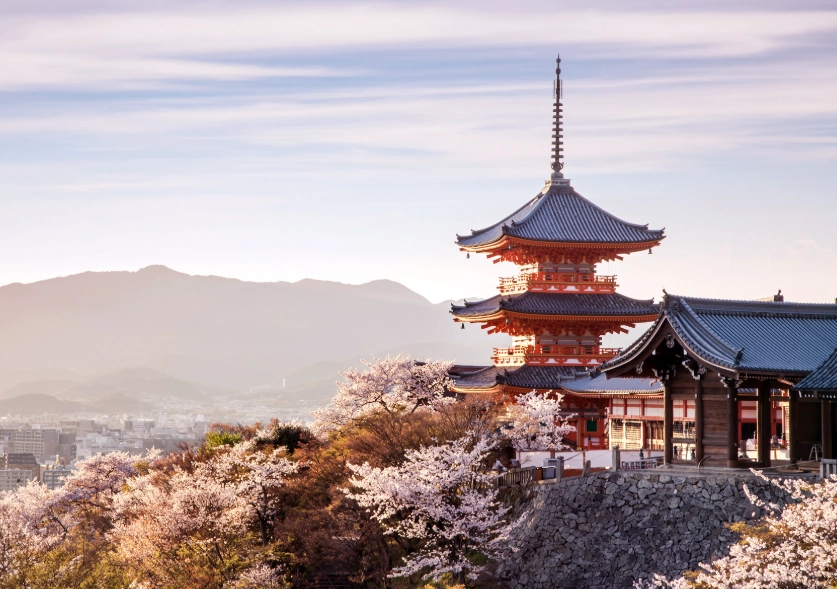
Budget (Under ¥1,500/day): Convenience stores (7-Eleven, Lawson, FamilyMart) are your best friends. Their prepared food is fresh, varied, and delicious. A filling lunch can be ¥500. Add gyudon bowls at Yoshinoya or Sukiya (¥400-¥600), standing ramen bars (¥800), and supermarket bento boxes in the evening for discounts.
Mid-Range (¥2,500-¥5,000/day): This is the sweet spot. You can enjoy proper ramen shop meals (¥1,000), a hearty tonkatsu or curry lunch set (¥1,200-¥1,800), conveyor belt sushi (¥2,000 for a great fill), and the occasional izakaya dinner with a drink (¥3,000). Don't skip department store basement food halls (depachika) for high-quality takeaway feasts.
Splurge (¥8,000+/day): Michelin-starred sushi omakase (¥20,000+), premium wagyu teppanyaki, or elaborate kaiseki dinners. Book well in advance.
My personal strategy? Big lunch, lighter dinner. Lunch specials (teishoku) at nice restaurants are often half the dinner price for similar food.
The Hidden Costs Most Guides Don't Mention
These are the budget-killers that sneak up on you.
- Attraction Entry Fees: Temples and gardens in Kyoto often charge ¥500-¥1,000 each. Add a few per day, and it's ¥2,000-¥3,000 gone. Museums are ¥600-¥1,800. Tokyo Skytree is ¥3,100. Plan which are must-sees.
- Gachapon & Vending Machines: That ¥300-¥500 for a capsule toy or a drink adds up with frightening speed. It's a death by a thousand yen coins.
- Baggage Forwarding: Essential if moving between cities with lots of luggage. Sending a suitcase from Tokyo to Kyoto hotel-to-hotel via takkyubin (like Yamato Transport) costs about ¥2,500. Worth every yen for the convenience.
- Cash vs. Card: While cards are more accepted now, many smaller restaurants, temples, and markets are cash-only. Always have ¥10,000-¥20,000 on you. International ATM fees at 7-Eleven or Japan Post ATMs are a small but real cost.
Putting It All Together: Sample Daily Budgets
Let's make this concrete with a per-day, per-person estimate for a 10-day trip, excluding international flights.
| Budget Style | Accommodation | Food & Drink | Transport & Activities | Total Per Day | Total 10 Days |
|---|---|---|---|---|---|
| Tight Budget (Hostels, convenience stores, buses) |
¥4,000 | ¥2,500 | ¥2,500 | ¥9,000 (~$60) | ¥90,000 (~$600) |
| Comfortable Mid-Range (Business hotels, mix of casual & nice meals, trains, paid attractions) |
¥12,000 | ¥5,000 | ¥5,000 | ¥22,000 (~$145) | ¥220,000 (~$1,450) |
| Luxury Experience (Nice hotels, fine dining, taxis, premium experiences) |
¥25,000+ | ¥10,000+ | ¥8,000+ | ¥43,000+ (~$285+) | ¥430,000+ (~$2,850+) |
Add about ¥50,000-¥80,000 if you need a 7-day JR Pass. See how the "average" becomes meaningless? Your style dictates the number.
Your Japan Budget Questions Answered
Is Japan as expensive as everyone says?
Cash or card: which is more important in Japan for daily spending?
What's the single biggest money-wasting mistake first-timers make?
Can I realistically do Japan on a $100-a-day budget?
How much should I budget for souvenirs and shopping?
Comments