Guide Highlights
So you're thinking about a trip from Tokyo to Kanazawa. Good call. Honestly, it's one of the best decisions you can make if you want to see a different side of Japan—one that feels a bit more timeless, a lot less frantic, and packed with culture that hasn't been polished into generic tourist fare. A trip from Tokyo to Kanazawa is a journey from the hyper-modern capital to a city that proudly guards its Edo-period soul.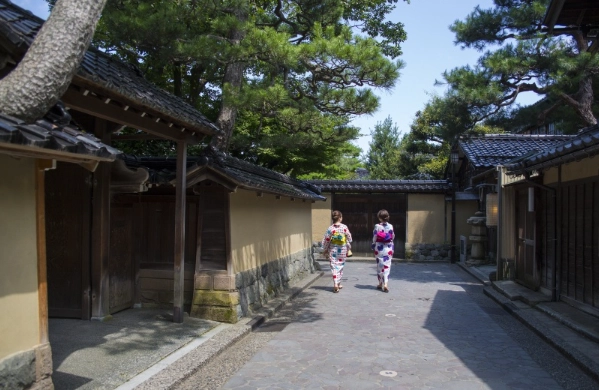
I remember my first time planning a trip to Kanazawa from Tokyo. I was overwhelmed. The train options seemed confusing, I wasn't sure if two days was enough, and everyone just kept saying "it's like Kyoto but less crowded." That's true, by the way, but it doesn't tell the whole story. Kanazawa has its own fierce, artistic, and delicious personality.
This guide is everything I wish I'd known. We're going to strip away the confusion and talk about the real, practical stuff: exactly how to get from Tokyo to Kanazawa without breaking the bank or losing your mind, what to actually do once you're there, where to eat the good stuff, and how to avoid the few tourist traps that do exist. Let's just jump in.
Getting from Tokyo to Kanazawa: The Real Cost & Time Breakdown
This is the first big question, right? The journey from Tokyo to Kanazawa is about 300-450 km depending on your route, and how you cover that distance makes a huge difference to your budget and schedule. There's no single "best" way—it all depends on what you value more: speed, cost, or experience.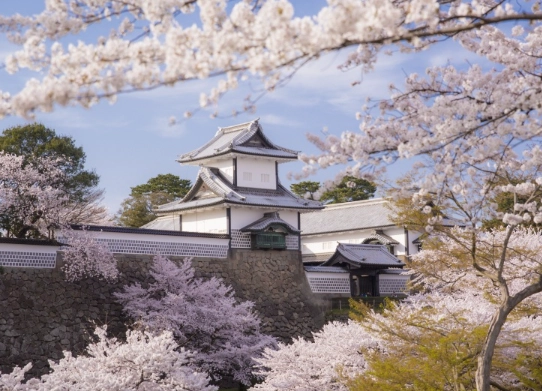
I've taken all the major routes at least once, so let me break them down for you without the marketing fluff.
Taking the Shinkansen: The Fast (and Pricy) Champion
If you've got the Japan Rail Pass, this is a no-brainer. The Hokuriku Shinkansen will zip you from Tokyo Station to Kanazawa Station in about 2.5 to 2.8 hours. You board the sleek "Kagayaki" or "Hakutaka" trains and you're there before you finish the movie you started on your laptop.
The view from the window is part of the appeal. You leave the urban sprawl of Tokyo behind, pass by the iconic Mount Fuji on a clear day (sit on the right side heading from Tokyo!), and watch the landscape morph into the rugged coastlines and mountains leading to Kanazawa.
But let's talk money. A one-way reserved seat ticket from Tokyo to Kanazawa costs around ¥14,500 to ¥15,500. It's a significant chunk of change. For a round trip, you're looking at over ¥30,000. That's why the JR Pass calculation is crucial for this route. If Kanazawa is a key part of a longer Japan itinerary, the pass often pays for itself on this journey alone.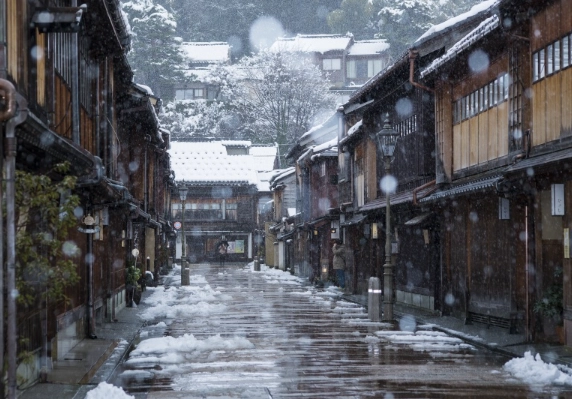
You can check the latest schedules and fares directly on the JR East official website. It's the most reliable source.
The Highway Bus: The Budget Powerhouse
Now, if your wallet is giving you side-eye after reading the Shinkansen price, welcome to the bus club. A one-way overnight bus from Tokyo to Kanazawa can cost as little as ¥4,000 to ¥8,000. Yes, you read that right. It's a fraction of the cost.
The catch? Time. The bus takes about 7 to 8.5 hours. Most are night buses, departing from major hubs like Shinjuku or Tokyo Station around 10 PM and arriving in Kanazawa early the next morning, around 6-7 AM.
Companies like Willer Express and Kosoku Bus run these routes. You can book on their websites or through aggregate sites like Bus Comparison (Bushikaku) (Japanese, but browser translate works). Book early for the best prices, especially during holidays.
Flying? Let's Be Honest About It.
Flying from Tokyo to Kanazawa seems logical on a map, but it's rarely the best choice. You fly from Haneda (HND) to Komatsu Airport (KMQ). Flight time is just over an hour.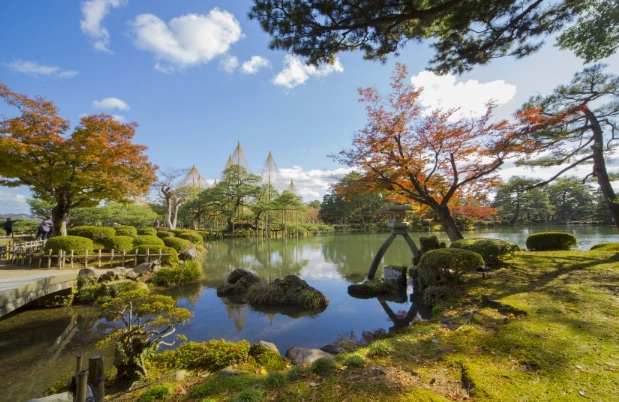
But here's the reality check: you need to add travel time to Haneda Airport (1 hour), check-in time (1.5 hours early), flight time (1 hour), and then a 40-minute bus or taxi ride from Komatsu Airport into central Kanazawa. Suddenly, your "1-hour trip" is pushing 4-5 hours door-to-door.
Fares can be cheap if you snag a discount carrier sale, sometimes under ¥10,000 one-way. But when you add airport transport costs on both ends, the savings vs. the Shinkansen evaporate, and you lose the convenience of a downtown-to-downtown connection. I usually only recommend flying if you're connecting from elsewhere internationally directly into Komatsu.
Driving from Tokyo to Kanazawa
For ultimate freedom, especially if you want to explore the Noto Peninsula or the Japanese Alps afterwards, driving is a fantastic option. The drive via the Kan-Etsu and Hokuriku Expressways takes roughly 5 to 6 hours without heavy traffic.
Tolls are the killer, though. One-way tolls can exceed ¥10,000. Add rental car fees and gas, and it becomes a pricey venture best shared with friends. The upside? Unbeatable flexibility and the chance to stop at incredible places like the historic post town of Unazuki Onsen or the Kurobe Gorge.
Here’s a quick comparison table to put it all side-by-side. This is based on my last research and experience, but always double-check current prices.
| Transport Method | Approx. Travel Time | Approx. One-Way Cost | Best For | My Take |
|---|---|---|---|---|
| Shinkansen (Bullet Train) | 2.5 - 2.8 hours | ¥14,500 - ¥15,500 | Speed, comfort, JR Pass holders | The king of convenience. Pricey but worth it if time is money. |
| Highway Bus (Overnight) | 7 - 8.5 hours | ¥4,000 - ¥8,000 | Budget travelers, flexible schedules | A rite of passage for the budget-conscious. You'll be tired but rich (in savings). |
| Plane (Haneda to Komatsu) | 4-5 hours door-to-door | ¥8,000 - ¥20,000+ | Those with specific flight deals or connecting itineraries | Usually more hassle than it's worth for a simple Tokyo-Kanazawa trip. |
| Rental Car / Drive | 5 - 6 hours driving | ¥15,000+ (with tolls & fuel) | Small groups, exploring beyond the city | Fantastic freedom, but the tolls will make you wince. Split the cost. |
So, which one for you? If you're on a tight two-day whirlwind, the Shinkansen is your friend. If you're a student or traveling long-term on a budget, embrace the overnight bus adventure. Planning a trip from Tokyo to Kanazawa is all about balancing that time-money equation.
Crafting Your Perfect Kanazawa Itinerary
Okay, you've decided how to get there. Now, what do you actually do in Kanazawa? The city is wonderfully walkable and its attractions cluster in a few key districts. You can't see everything in one day, so you have to choose your adventure.
If You Only Have One Day from Tokyo (The Whirlwind)
A day trip to Kanazawa from Tokyo is possible, but it's a marathon. You need to take the earliest Shinkansen out (around 6:30 AM) and the latest one back (around 8:30 PM). It's a long day, but you can hit the highlights.
- Morning (9:30 AM - 12:30 PM): Dump your bag in a station locker. Head straight to Kenrokuen Garden. It's one of Japan's "Three Great Gardens" for a reason. Spend a good 90 minutes here. Then, walk over to the imposing Kanazawa Castle Park right next door. You don't need to go inside every building; the scale from the outside is impressive enough.
- Lunch (12:30 PM - 1:30 PM): Hop on the tourist loop bus (the "Kanazawa Loop Bus" or "JR Bus") and get off at Omicho Market. Grab a quick, fresh seafood bowl (kaisendon) from one of the bustling stalls. Eat at the counter. This is fuel, not a leisurely meal.
- Afternoon (1:30 PM - 5:00 PM): Bus to the Higashi Chaya District. This is the famous geisha district with latticed wooden teahouses. It's beautiful but can get crowded. Wander the main street, then duck into the side alleys which are often quieter. Visit a gold leaf workshop—you can even try applying ultra-thin gold leaf to ice cream!
- Late Afternoon (5:00 PM - 7:00 PM): If you're into art, the 21st Century Museum of Contemporary Art is worth an hour, especially for its famous swimming pool installation (Leandro Erlich's "The Swimming Pool"). If not, do some last-minute souvenir shopping at the station (excellent local craft stores) or take a quick peek at the Nagamachi Samurai District.
- Evening: Grab an early dinner (maybe a comforting bowl of Kanazawa curry, which is a unique, thick, and hearty style) near the station before catching your train back to Tokyo.
It's hectic. You'll be tired. But you'll have seen the iconic sights. Personally, I think Kanazawa deserves more time.
The Sweet Spot: A 2-Day, 1-Night Itinerary
This is the ideal minimum, in my opinion. It takes the pressure off and lets you breathe in the atmosphere.
Day 1: Arrive mid-morning. Check into your hotel (I recommend staying near the station or Katamachi area for convenience). Head to Omicho Market for a proper, relaxed seafood lunch. Spend the afternoon in the Higashi Chaya District and the Nagamachi Samurai District (the Nomura-ke Samurai House is a small but exquisite example). In the evening, explore the Katamachi or Korinbo areas for dinner and drinks—this is where the locals go.
Day 2: A full morning at Kenrokuen Garden and Kanazawa Castle. The light is lovely, and it's less crowded early. Have a traditional lunch in the garden area or near the castle. In the afternoon, visit the 21st Century Museum or dive into a specific craft, like the Kanazawa Yasue Gold Leaf Museum or a Kutani porcelain painting experience. Leave on a late afternoon or evening train back to Tokyo.
With two days, a trip from Tokyo to Kanazawa feels like a real getaway, not a checkbox exercise.
Beyond the Guidebook: Food, Secrets & Practical Nitty-Gritty
Anyone can list the sights. Let's talk about the stuff that makes a trip memorable.
What to Eat (And Where to Find It)
Kanazawa is a foodie heaven, thanks to its rich sea and farmland.
- Seafood at Omicho Market: This is non-negotiable. Go for kaisendon (sashimi rice bowl), nodoguro (blackthroat seaperch, a local delicacy), or fresh oysters in season. Don't just stick to the main aisles; the smaller stalls in the back often have the best deals.
- Kanazawa Curry: Forget Japanese curry you know. This is a different beast—thick, dark, almost stew-like, often served with a giant breaded pork cutlet (tonkatsu). It's a hangover cure and a comfort food champion. Try it at a local chain like Go! Go! Curry! or a specialty shop.
- Jibuni: A traditional duck or chicken stew with wheat gluten and vegetables, simmered in a soy-based broth. It's warming and deeply savory. Best tried at a traditional ryotei (high-end restaurant) or a local family-run place.
- Gold Leaf Everything: Yes, you can eat gold. It's edible. The gold leaf soft serve ice cream is the Instagram star, but it's genuinely fun. The gold adds no flavor, just a luxurious crunch.
A Few Hidden Gems Most Visitors Miss
Everyone goes to Higashi Chaya. It's lovely. But the Kazuemachi Chaya District, across the Asano River, is its quieter, more atmospheric cousin. Fewer shops, more real teahouses, and a peaceful stroll.
The D.T. Suzuki Museum is a contemplative space dedicated to the scholar who introduced Zen to the West. The architecture and water garden are minimalist masterpieces. It's a place to sit and think, not just snap photos.
For a quirky local experience, visit the Kanazawa Noh Museum. Noh theater is intense and ancient, and this museum has beautiful masks and costumes you can see up close. Sometimes they have short, easy-to-follow performances.
Getting Around Kanazawa
The city is flat and great for walking. For longer hops, the Kanazawa Loop Bus (run by Hokutetsu Bus) and the JR Bus Loop are designed for tourists and stop at all major sights. A one-day pass (around ¥600) pays for itself after 3 rides.
But honestly, for a first-time visit from Tokyo to Kanazawa, consider renting a bicycle for a day. There's a great network of cycling roads, especially along the canals, and it gives you a fantastic, flexible way to explore at your own pace between the main districts.
Frequently Asked Questions (The Real Ones)
Final Thoughts Before You Go
Planning a trip from Tokyo to Kanazawa shouldn't feel like solving a complex puzzle. At its heart, it's simple: choose your transport based on your budget and time, focus on two or three districts per day, eat fearlessly at the market, and leave some time to just wander.
The city has a calm, confident energy. It's not trying to be Kyoto. It's just being Kanazawa—a place of refined gardens, fierce samurai history, obsessive craftsmanship, and some of the best seafood in Japan. That journey from the neon buzz of Tokyo to the timeless lanes of Kanazawa is more than just a change of scenery. It's a shift in rhythm.
My last piece of advice? Buy some gold leaf souvenirs. They're lightweight, unique, and actually beautiful. And when you get back to Tokyo and someone asks about your trip, you can tell them you went to the city where they put gold on everything—even ice cream. That usually gets a good laugh and starts a great conversation.
Have an amazing trip. Kanazawa is waiting.

Comments